

C0075 on 2010-2014 Subaru Legacy: VDC and Brake System Fault Guide
On a 2010-2014 Subaru Legacy, code C0075 indicates a 'Wheel Cylinder Pressure Sensor Output' fault within the Vehicle Dynamics Control (VDC) system. This is often not a simple sensor failure but can be caused by low battery voltage, air in the brake lines, or an internal logic issue with the VDC hydraulic control unit. A specific diagnostic sequence involving a scan tool and multi-step brake bleeding must be followed before replacing the expensive control unit.
- Code C0075 on a 2010-2014 Legacy is a serious brake system fault that requires prompt attention.
- Do not immediately assume the expensive VDC hydraulic unit has failed. Start with the simplest causes: check battery health and perform a thorough, sequence-specific brake bleed.
- Diagnosis is complex and requires a Subaru-specific scan tool to perform reset procedures and cycle the ABS/VDC system during brake bleeding.
- For 2013-2014 models, be aware that Subaru issued a TSB indicating the VDC unit itself may be the cause due to overly sensitive internal logic, requiring replacement.
- This is not a DIY-friendly repair for most home mechanics due to the safety-critical nature of the brake system and the special tools required.
What's Unique About the 2010-2014 Subaru LEGACY
For this generation of Subaru Legacy and its platform-mate, the Outback, the C0075 code is particularly complex. Subaru has issued multiple Technical Service Bulletins (TSBs) acknowledging that the cause is not always a straightforward component failure. TSB 06-41-11 identifies that a simple low battery voltage event can trigger the code, requiring a scan tool reset procedure ('Zero setting of Pressure sensor') rather than parts replacement. TSB 06-67-18 establishes a mandatory diagnostic procedure for EyeSight models to rule out air in the brake lines or worn components before condemning the hydraulic unit. Finally, TSB 06-80-20 confirms that 2013-14 models had overly sensitive logic, often making replacement of the VDC hydraulic control unit the only fix after all other steps are exhausted.
Diagnostic Flowchart
Tap your situation to follow the diagnostic path that matches what you're seeing on this vehicle.
Symptoms You May Notice
- ABS warning light illuminated
- VDC (Vehicle Dynamics Control) or traction control warning light illuminated
- Hill Start Assist warning light illuminated
- Brake warning light illuminated
- Brake pedal may feel soft or require more travel
- Cruise control disabled and light may flash
- Immediately replacing the VDC/ABS hydraulic unit without first performing the TSB-mandated diagnostic steps: checking for low battery voltage and performing a 'Zero setting' reset, thoroughly bleeding the system with a scan tool, and inspecting mechanical brake components.
Most Likely Causes
- Internal Logic Fault in VDC Hydraulic Control Unit 🔴 High Probability Subaru released TSB 06-80-20 for 2013-14 models, stating a change in internal logic was needed to optimize failure detection. The original logic was too sensitive, leading to false codes. The TSB confirms the only fix is replacement, as the unit cannot be reprogrammed.
How to confirm: After ruling out all other possible causes per TSB 06-67-18 (air in lines, worn components, switch adjustment) and TSB 06-41-11 (low voltage), if the code persists, the VDC unit is the likely cause.
Typical fix: Replace the ABS/VDC Hydraulic Control Unit (VDCCM&HCU).
Est. part cost: $550-$1500 - Low Battery Voltage 🔴 High Probability TSB 06-41-11 explains that if battery voltage drops during the ignition-off cycle (e.g., after a jump start), the VDC module can fail to save the brake pressure sensor's learned value, triggering C0075 on the next startup. This is a very common first thing to check.
How to confirm: Check the battery and charging system health. If the battery is old, weak, or the car was recently jump-started, this is a likely cause.
Typical fix: Charge or replace the battery. Then, use a Subaru Select Monitor (SSM) or equivalent high-level scan tool to perform the "Zero setting of Pressure sensor" function to reset the learned value.
Est. part cost: $150-$300 for a new battery - Air in Brake Hydraulic System 🟡 Medium Probability TSB 06-67-18 lists this as the first major diagnostic step before replacing the hydraulic unit, suggesting it's a common underlying issue that can mimic a sensor failure by causing pressure discrepancies between the wheel cylinders.
How to confirm: Perform a thorough, multi-step brake bleeding procedure using a Subaru-compatible scan tool. If the code clears and brake feel improves, this was the cause.
Typical fix: Bleed the brake system multiple times following the specific sequence outlined in TSB 06-67-18: 1. Manual bleed. 2. Perform "ABS Sequence Control" with scan tool. 3. Manual bleed. 4. Perform "VDC Sequence Control" with scan tool. 5. Manual bleed. Repeat steps 2-5 at least three times. 🎬 Watch: Step-by-step guide on how to bleed an ABS brake system
Est. part cost: $20-$40 for brake fluid - Worn or Rusted Brake Components ⚪ Low Probability TSB 06-67-18 notes that significant rust or wear on brake pads, shims, or rotors can cause inconsistent braking force, which the sensitive pressure sensors can interpret as a fault. This is more common in 'salt-belt' regions.
How to confirm: Visually inspect brake rotors for heavy rust, pads for minimum thickness, and shims for rust or deformation, as shown in TSB 06-67-18.
Typical fix: Replace rusted or worn brake rotors, pads, and/or shims as a set.
Est. part cost: $150-$400 per axle - Improperly Adjusted Stop Lamp Switch ⚪ Low Probability
How to confirm: Check the adjustment of the stop lamp switch to ensure it is activating at the correct point in the brake pedal's travel, per the procedure in TSB 06-67-18.
Typical fix: Adjust the stop lamp switch to the correct specification.
Est. part cost: $0
Rare But Worth Checking
- Damaged Brake Hose: TSB 06-67-18 notes that internal damage to a brake hose, possibly from being clamped or stressed during prior service, can cause pressure variations sufficient to trigger the code.
Diagnosis Steps
- Check battery voltage and charging system health. Per a Subaru service manual, voltage should be 11V or more. If low, address this first.
- Connect a Subaru-compatible scan tool (like SSM) to check for C0075 and any accompanying detail codes (e.g., 5090, 5101).
- If a low battery event was suspected, use the scan tool to perform the "Zero setting of Pressure sensor" function as described in TSB 06-41-11. Clear codes and re-test.
- If code returns, inspect the stop lamp switch adjustment and correct if necessary per TSB 06-67-18.
- Perform a thorough visual inspection of all brake components (pads, rotors, shims, hoses) for excessive wear, rust, or damage as outlined in TSB 06-67-18.
- Inspect the wiring harness leading to the wheel speed sensors, particularly at the front right wheel, for any signs of physical damage, disconnection, or corrosion, especially if the vehicle has recently hit debris or a snowbank.
- Perform a complete brake fluid bleed following the specific, multi-step procedure in TSB 06-67-18: Manual bleed, then cycle ABS with scan tool, manual bleed, cycle VDC with scan tool, manual bleed. Repeat the scan tool cycles and bleeds at least 3 times.
- If the code persists after all the above steps, the VDC Hydraulic Control Unit is likely faulty and requires replacement, per TSB 06-80-20.
Parts You'll Likely Need
- VDC Hydraulic Control Unit Assembly
(OEM #27596AJ04C)— For 2013-2014 models in particular, an internal logic issue (per TSB 06-80-20) that cannot be reprogrammed often makes replacement the only solution after other causes are ruled out. This part is specified for models with the EyeSight system.
Trusted brands: Subaru (OEM)
OEM price range: $550-$1500
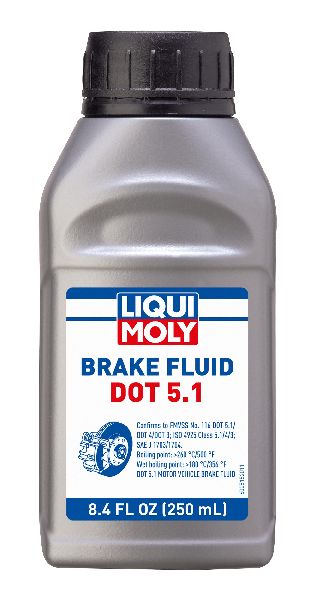
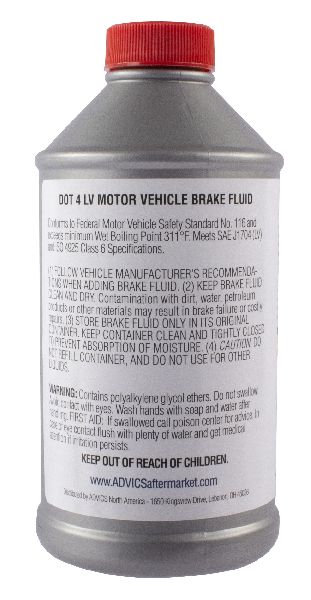
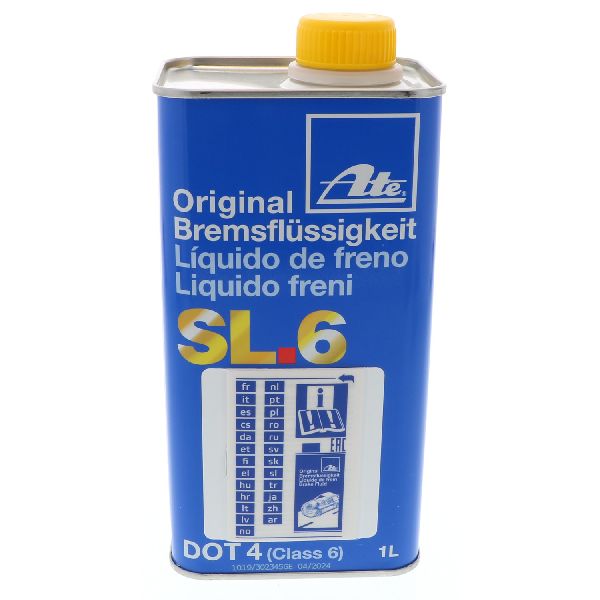
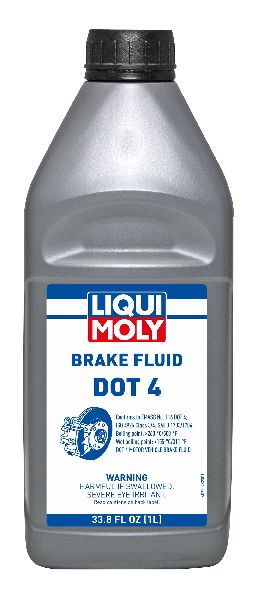
Aftermarket price range: Not commonly available - DOT 3/4 Brake Fluid — Required for the multi-step bleeding procedure outlined in TSB 06-67-18, which is a primary diagnostic step to remove trapped air that can cause the code.
Trusted brands: Bosch, ATE, Pentosin
OEM price range: $20-$40
Aftermarket price range: $15-$30
Related Codes That Often Appear With This One
- C0074 — This code is also for the brake pressure sensor. TSB 06-41-11 explicitly mentions that both C0074 and C0075 can be caused by low battery voltage events.
- C0042 — This code indicates a power supply voltage failure. It often appears alongside C0075, reinforcing the likelihood that a low battery or charging system issue is the root cause, as seen in owner reports.
- C0071 — This code for the steering angle sensor can appear with C0075. A fault in the steering angle sensor can cause the VDC system to see conflicting data, potentially leading to other system codes.
Technical Service Bulletins (TSBs) & Recalls
- 06-41-11: Details low battery voltage as a cause for C0074/C0075 and the 'Zero setting of Pressure sensor' reset procedure.
- 06-67-18: Provides additional diagnostic steps for C0075 on EyeSight models, including a specific brake bleeding sequence, to avoid unnecessary VDC unit replacement.
- 06-80-20: Details a VDC hydraulic control unit logic change for 2013-14 models where replacement is the only fix.
Platform-Specific Known Issues
- TSB 06-80-20: Specifically for 2013-2014 models, this TSB acknowledges an overly sensitive failure detection logic in the VDC unit. It states the only fix is replacing the unit with an updated part, as it cannot be reprogrammed.
- TSB 06-67-18: Outlines a mandatory diagnostic procedure for EyeSight-equipped models to prevent unnecessary replacement of the hydraulic unit. It requires technicians to first rule out air in the lines (via a specific, multi-step bleeding process), worn components, and switch adjustment.
- TSB 06-41-11: Identifies low battery voltage as a specific cause for C0075 (and C0074) on 2010 and later models. A voltage drop can prevent the pressure sensor's learned value from being saved, triggering the code. The fix is a scan tool reset, not part replacement.
Mechanic-Grade Diagnostic Values
- VDCCM&H/U Power Supply (Ignition ON) — expected: 10 - 15 V. Failure: Voltage below 10V indicates a power supply issue to the module.
- VDCCM&H/U Ground Circuit Resistance — expected: Less than 0.5 Ω. Failure: Resistance higher than 0.5 Ω indicates a poor ground connection at connector B310, pin 25, or ground point GB-5.
- Lateral G Sensor Live Data (Vehicle Level) — expected: -1.5 to 1.5 m/s². Failure: Readings outside this range when the vehicle is on a level surface may indicate a faulty Yaw Rate & G Sensor.
- Yaw Rate Sensor Live Data (Vehicle Level) — expected: -4 to 4 deg/s. Failure: Readings outside this range when the vehicle is stationary and level may indicate a faulty Yaw Rate & G Sensor.
Hidden / Shadow Codes Worth Checking
- 5090 / 5101: These detail codes accompany C0075 and indicate the root cause may be a difference between the right and left wheel cylinder pressure sensor signal values, which the VDC unit interprets as a fault. TSB 06-67-18 is specifically applicable when these codes are present. (see via Subaru Select Monitor (SSM) or equivalent advanced scan tool.)
Scan Tool Commands That Help
- Subaru Select Monitor (SSM): Zero setting of Pressure sensor — Use this function after addressing a low battery voltage condition, as specified in TSB 06-41-11, to reset the sensor's learned value.
- Subaru Select Monitor (SSM): ABS Sequence Control — This is the first of two functions used during the mandatory multi-step brake bleeding procedure outlined in TSB 06-67-18 to purge trapped air from the hydraulic unit.
- Subaru Select Monitor (SSM): VDC Sequence Control — This is the second of two functions used during the mandatory multi-step brake bleeding procedure outlined in TSB 06-67-18 to purge trapped air from the hydraulic unit.
- Subaru Select Monitor (SSM): Positioning the yaw rate & lateral G sensors to zero — This calibration is required after replacing the Yaw Rate & Lateral G sensor to allow the VDCCM&H/U to identify the vehicle's new zero point.
Wiring & Ground Locations
- VDCCM&H/U Connector B310 — The main electrical connector on the Vehicle Dynamics Control and Hydraulic Control Unit, located in the engine bay.. This is where power, ground, and communication signals for the entire VDC system are received. Pin 28 is ignition power, and Pin 25 is the main ground.
- Ground Bolt GB-5 — Chassis ground point for the VDC system.. A loose or corroded ground connection here can cause low voltage or erratic signals at the VDC module, potentially triggering C0075. Tightening torque is 13 N·m (9.6 ft-lb).
- Intake Manifold Ground Points — Top of the intake manifold.. On many Subarus, the ECU gets its primary ground reference from the intake manifold. While not the direct ground for the VDC module, a poor connection here can cause a host of strange electrical issues across the vehicle that could mimic a module fault.
Real Owner Repair Stories
- Reddit user 'thebigdirty' (Subaru, likely 2008-2014 generation based on codes.) — ABS, VDC, and Hill Assist lights on with codes C0071, C0042, and C0075 after hitting a snow drift.
❌ Tried (didn't work) Pressing the VDC button., Initial diagnosis pointed towards complex sensor or module issues.
✅ What actually fixed it The wiring for the front right wheel speed sensor was found to be disconnected. Reconnecting the wire resolved the issue.
OEM Part Supersession History
27596AJ04A, 27596AJ04B→27596AJ04C— Internal logic was updated to optimize failure detection criteria and reduce instances of false codes, as noted in TSB 06-80-20.
Heads up: Part 27596AJ04C is specified for Legacy/Outback models equipped with the EyeSight / Pre-Crash system.
Model Year Variations Within This Range
- 2013-2014: These model years are subject to TSB 06-80-20, which identifies an overly sensitive failure detection logic in the original VDC control unit. The only remedy is to replace the unit with an updated part (27596AJ04C), as it cannot be reprogrammed.
- 2010-2014 (Manual Transmission models): These vehicles were subject to safety recall WTV-81 for a potentially defective Electronic Parking Brake (EPB) control unit. While a separate system, it highlights known electronic module manufacturing issues within this specific vehicle generation.
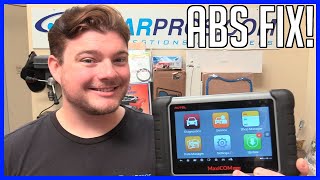
Helpful Videos
Used OEM Parts in Stock


New Aftermarket Parts Available

The information in this article is provided for general reference and educational purposes only. Vehicle specifications, procedures, and part compatibility can vary by production date, trim level, and region. Always consult your vehicle's factory service manual and verify part numbers before purchasing or performing repairs. Safety-critical components such as airbags, seat belts, and braking systems should be installed by a qualified professional.
- Subaru LEGACY:
- 🎬 Helpful Videos
- 🛍️ Shop This Part
- What's Unique About the 2010-2014 Subaru LEGACY
- Diagnostic Flowchart
- Symptoms You May Notice
- Most Likely Causes
- Rare But Worth Checking
- Diagnosis Steps
- Parts You'll Likely Need
- Related Codes That Often Appear With This One
- Technical Service Bulletins (TSBs) & Recalls
- Platform-Specific Known Issues
- Mechanic-Grade Diagnostic Values
- Hidden / Shadow Codes Worth Checking
- Scan Tool Commands That Help
- Wiring & Ground Locations
- Real Owner Repair Stories
- OEM Part Supersession History
- Model Year Variations Within This Range
- 🎟️ Get 5% Off