

C0050 on 2009-2012 GMC Canyon: Right Rear Wheel Speed Sensor Fault Causes & Fixes
On a 2009-2012 GMC Canyon, code C0050 is most often caused by metallic debris on the magnetic encoder ring of the right rear wheel hub. This is a well-documented issue in GM TSB #PIC5428G. Cleaning the hub face is the first and most common fix. If that fails, the separate, bolt-on right rear wheel speed sensor harness is the next most likely cause. Unlike the front, the rear sensor is not integrated into the hub, making for a cheaper repair. Hub replacement is only necessary if the encoder ring
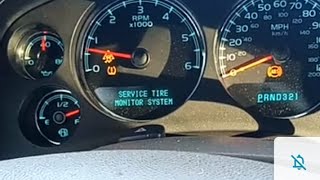
- Code C0050 on a 2009-2012 Canyon means there is a problem with the right rear wheel speed sensor signal, which will disable ABS and Stabilitrak.
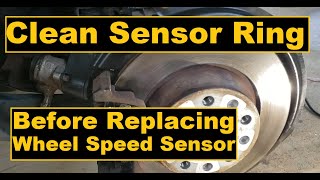
- The most common cause is metallic debris on the magnetic ring on the back of the wheel hub, which can often be fixed by cleaning (TSB PIC5428G).
- If cleaning doesn't work or the ring is cracked, the entire rear wheel hub assembly must be replaced as the sensor is integrated.
- Always use an ABS-capable scan tool to confirm the fault and check live data before replacing parts.
What's Unique About the 2009-2012 Gmc CANYON
For this generation of GMC Canyon and its platform-mate, the Chevrolet Colorado, the primary cause of a C0050 code is a design-related susceptibility to debris. The magnetic encoder ring used by the wheel speed sensor is integrated into the inboard side of the wheel hub assembly. This ring can attract and accumulate ferrous metallic debris from normal brake wear and road grime, which corrupts the sensor's signal. This specific issue is well-documented across dozens of GM models in Technical Service Bulletin #PIC5428G, making debris inspection the mandatory first step. Critically, for the rear axle on this truck, the wheel speed sensor is a separate, bolt-on component, not integrated into the hub assembly as it is on the front. This makes sensor replacement a separate and less expensive repair than a full hub replacement.
Diagnostic Flowchart
Tap your situation to follow the diagnostic path that matches what you're seeing on this vehicle.
Symptoms You May Notice
- ABS light is on
- Stabilitrak or Traction Control light is on
- "Service Stabilitrak" or similar message on the driver information center
- "Service Brake System" message may appear.
- Flashing Traction Control light at low speeds, sometimes without a code.
- A brief grinding, clicking, or ratchet noise from the rear of the vehicle at low speeds.
- Replacing the wheel hub assembly when only the separate rear sensor has failed. On this vehicle, the rear sensor is a distinct part and often fails independently of the hub.
- Assuming the rear sensor is integrated into the hub like the front sensor is. 🎬 Watch this walkthrough on replacing the speed sensor and hub assembly. This leads to buying the wrong parts and unnecessary labor.
- Replacing the sensor or hub assembly without first cleaning and inspecting the original encoder ring. Many C0050 codes are resolved simply by cleaning the debris off the magnetic encoder ring, saving hundreds of dollars.
Most Likely Causes
- Debris on Right Rear Wheel Hub Magnetic Encoder 🔴 High Probability As documented in TSB #PIC5428G, the design of the hub's integrated magnetic encoder ring makes it prone to collecting ferrous metallic debris, which disrupts the wheel speed sensor signal. This is the most common cause for this code on this platform.
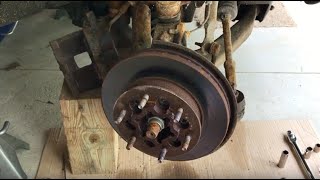
How to confirm: Remove the right rear wheel and brake caliper/rotor to visually inspect the inboard face of the wheel hub assembly. Look for a build-up of metallic shavings or a dark, greasy paste stuck to the dark, magnetic ring.
Typical fix: Thoroughly clean the debris from the magnetic encoder ring using a rag and brake cleaner. A non-magnetic brush can also be used. The TSB specifically warns *not* to use magnetic tools for cleaning, as they can damage the encoder. In many cases, this restores normal function without replacing parts.
Est. part cost: $0-$15 - Failed Right Rear Wheel Speed Sensor 🟡 Medium Probability The sensor harness is exposed to heat, vibration, and the elements, which can lead to internal failure of the sensor coil or breaks in the wiring. Unlike the front sensors, the rear sensor is a separate, bolt-on component that can be replaced without changing the hub assembly.
How to confirm: If cleaning the encoder ring does not resolve the code, the sensor itself is the next suspect. Disconnect the sensor and test its resistance with a multimeter; compare the reading to the sensor on the opposite side. A reading of infinity (open circuit) or a major difference between the two sides indicates a failed sensor. 🎬 Watch: How to test your speed sensor and fix code C0050. A scan tool showing zero signal from the right rear wheel while others are reading correctly also points to a failed sensor.
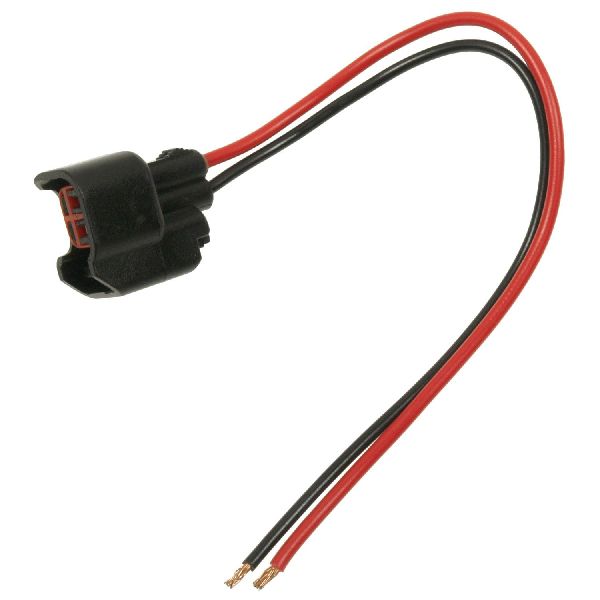
Typical fix: Replace the right rear wheel speed sensor harness. It is typically held to the axle housing by a single small bolt (often 8mm or 10mm) and has several clips along its length before connecting to the main body harness.
Est. part cost: $30-$80 - Damaged Wiring or Connector ⚪ Low Probability The wiring harness leading to the wheel speed sensor is exposed to the elements, road debris, and suspension movement, which can cause chafing, corrosion, or breaks over time. Corrosion at the main EBCM connector or chassis ground points can also cause this fault.
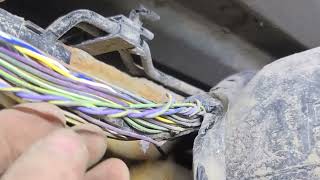
How to confirm: Visually inspect the wiring harness from the wheel hub up into the frame for any signs of physical damage, melting, or corrosion at the connector plugs. A multimeter can be used to check for continuity and shorts between the sensor connector and the EBCM. Pay close attention to the main EBCM ground splice pack (SP-105/G105) on the driver's side frame rail.
Typical fix: Repair the damaged section of wire or, more reliably, replace the pigtail connector or the entire sensor harness. Clean and secure any corroded ground connections.
Est. part cost: $15-$50 - Damaged Hub Assembly / Encoder Ring ⚪ Low Probability The magnetic encoder ring, while durable, can become cracked, brittle, or have pieces flake off over time due to rust or impact. If the ring is damaged, it will provide an erratic signal that cannot be fixed by cleaning.
How to confirm: After removing the wheel speed sensor, use a light and mirror to carefully inspect the entire circumference of the magnetic encoder ring on the hub. Look for visible cracks, chips, or missing sections.
Typical fix: Replace the entire right rear wheel hub and bearing assembly. This is a single unit that contains the bearing, hub, and the new encoder ring.
Est. part cost: $100-$250
Rare But Worth Checking
- Failed Electronic Brake Control Module (EBCM): This is very uncommon. Before condemning the expensive EBCM, all other possibilities (hub, sensor, wiring, grounds) must be exhaustively ruled out. An EBCM failure usually triggers multiple, persistent codes, not just a single wheel speed sensor fault.
Diagnosis Steps
- Confirm the C0050 code is active using an ABS-capable scan tool. Note any symptom bytes like 18 (Signal Amplitude Low), 5A (Signal Not Plausible), or 0F (Erratic Signal), which strongly suggest a mechanical fault like debris or a damaged ring.
- Use the scan tool's live data feature to monitor all four wheel speeds while driving slowly in a straight line. Confirm that the Right Rear (RR) wheel speed reads 0 mph, is erratic, or does not match the other three wheels.
- Raise and secure the rear of the vehicle on jack stands.
- Remove the right rear wheel.
- Visually inspect the wheel speed sensor wiring harness from the hub connector up to where it enters the frame. Look for any obvious signs of damage, chafing against suspension components, or corrosion in the connector.
- Remove the brake caliper and rotor to gain full access to the inboard face of the wheel hub assembly.
- Carefully inspect the magnetic encoder ring on the hub for metallic debris. It often looks like a dark paste or small metal filings stuck to the ring. Also inspect for any cracks or missing chunks in the ring itself.
- If debris is present, clean it off thoroughly with brake cleaner and a soft, non-magnetic brush or rag. Reassemble and test drive to see if the code clears. The vehicle may need to be driven over 10 mph for the system to self-test and turn off the light.
- If the ring was clean or cleaning did not fix the issue, test the sensor. Disconnect the sensor harness and measure the resistance across its pins. Compare this reading to the sensor on the left side. An open circuit (infinite ohms) or a significantly different reading indicates a faulty sensor.
- If the sensor tests bad, replace the right rear wheel speed sensor harness.
- If the sensor tests good and the encoder ring is not cracked, advanced diagnostics would involve checking for a poor EBCM ground connection (G105/SP105 on the driver's frame rail) or testing for continuity on the signal and reference wires back to the EBCM connector.
Parts You'll Likely Need
- Right Rear Wheel Speed Sensor
(OEM #15295241)— This is the most common required part to fix C0050 after cleaning the encoder ring fails. The sensor is a separate, bolt-on harness for the rear axle and is a frequent failure point due to exposure to the elements.
Trusted brands: ACDelco (GM Genuine), Standard Motor Products (SMP), Dorman, Delphi
OEM price range: $50-$80
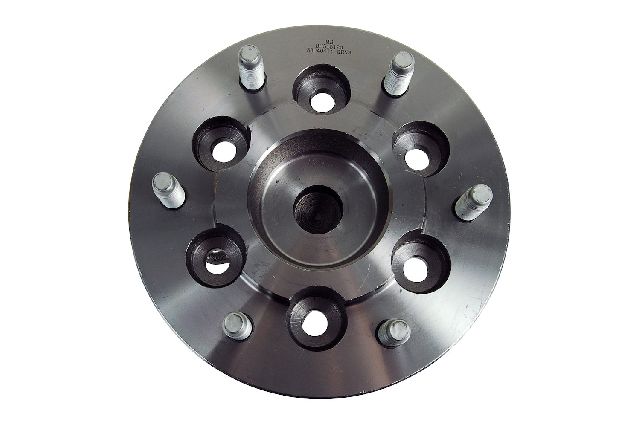
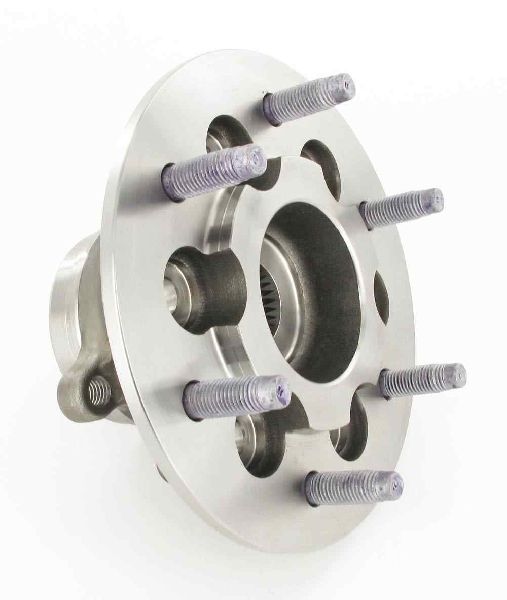
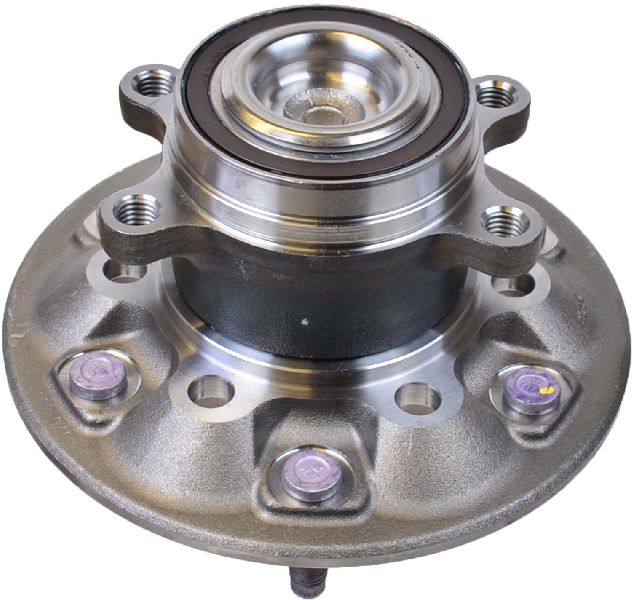
Aftermarket price range: $30-$60 - Right Rear Wheel Hub and Bearing Assembly
(OEM #20938121)— This part is only needed if the magnetic encoder ring on the hub is physically cracked or damaged. The ring itself is not serviced separately. Note that this part is the same for the left and right rear sides.
Trusted brands: ACDelco (GM Genuine), Timken, MOOG, SKF, Duralast
OEM price range: $180-$250
Aftermarket price range: $100-$180
Related Codes That Often Appear With This One
- C0045 — This is the code for the Left Rear Wheel Speed Sensor. If both appear, it may point to a shared wiring harness issue, a corroded connector affecting both circuits, or similar conditions of debris or wear on both rear hubs.
- U0415 — This code for 'Invalid Data Received From EBCM' can be set in other modules, like the Power Steering Control Module, as a direct result of the missing wheel speed data. TSB PIC5428G notes this can cause a 'Service Steering' message and heavier steering feel at low speeds. Resolving the C0050 code will typically clear the U0415.
Technical Service Bulletins (TSBs) & Recalls
- PIC5428G: The definitive TSB for this issue. It notes that ABS/Stabilitrak lights with codes C0035-C0050 and symptom bytes 18, 5A, or 0F are often caused by ferrous debris on the wheel bearing magnetic encoder ring. It provides a detailed cleaning procedure and warns against using magnets for cleaning. It applies to a wide range of GM vehicles, including the 2009-2012 Canyon.
Platform-Specific Known Issues
- Per TSB #PIC5428G, these trucks are highly susceptible to setting wheel speed sensor codes (C0035-C0050) with symptom bytes 18, 5A, or 0F due to debris accumulation on the hub's magnetic encoder. This should always be the first inspection point.
- The main EBCM ground points (G105/SP105) located on the driver's side frame rail are known weak points on this platform and can cause various, seemingly unrelated electrical and ABS faults due to corrosion.
Mechanic-Grade Diagnostic Values
- Rear Wheel Speed Sensor Resistance — expected: 850-1350 Ω (This is a general estimate for similar GM sensors; the key is to compare the reading from the faulty side to the known-good side. They should be very close).. Failure: A reading of infinity / 'O.L.' (Open Loop) indicates an open circuit in the sensor, or a reading that is drastically different from the sensor on the opposite wheel.
Hidden / Shadow Codes Worth Checking
- C0050 18: Low Signal Amplitude. The signal from the sensor is weak or missing, often caused by a large air gap, a failing sensor, or severe debris buildup. (see via GM Tech2, GDS2, or other professional ABS-capable scan tool that can read GM-specific symptom bytes.)
- C0050 5A: Signal Plausibility Failure. The signal is present but illogical compared to other vehicle sensors (e.g., reading 5 mph while others read 50 mph). Often points to a damaged/cracked encoder ring or intermittent wiring fault. (see via GM Tech2, GDS2, or other professional ABS-capable scan tool that can read GM-specific symptom bytes.)
- C0050 0F: Erratic Signal. The signal is inconsistent or drops out, which strongly suggests a mechanical issue like debris on the encoder ring, a loose sensor, or a cracked ring. (see via GM Tech2, GDS2, or other professional ABS-capable scan tool that can read GM-specific symptom bytes.)
Scan Tool Commands That Help
- GM Tech2: Read/Clear DTCs — This is the standard function used to confirm the C0050 code and clear it after a repair. The path is: Diagnostics -> [Vehicle Year] -> Light Duty Truck -> [Model] -> Chassis -> ABS -> DTC Information -> Read/Clear DTCs.
- ABS-Capable Scan Tool: Live Data - Wheel Speed Sensors — This is the most critical diagnostic function. It allows you to monitor the MPH reading from all four wheels simultaneously while driving to confirm that the right rear sensor is the one providing an erratic, mismatched, or zero-speed signal.
Wiring & Ground Locations
- EBCM — Bolted to the hydraulic modulator on the inner left (driver's side) frame rail, beside the transmission.. This module receives the signal from the right rear wheel speed sensor. Testing for signal at the EBCM connector is the final step to confirm if a fault is in the wiring or the module itself.
- EBCM Pins (RR WSS) — On a similar GM truck, the Right Rear WSS wires connect to Pins 3 and 4 of the main EBCM connector. On a later model Canyon, they are Pins 19 (Signal) and 20 (Low Reference). Pin numbers should be verified with a vehicle-specific diagram if possible.. These are the specific pins to back-probe with a multimeter to test for continuity, shorts, or a signal directly at the control module, which isolates the entire wiring harness for testing.
- G105 / SP105 — A critical ground splice pack located on the driver's side frame rail, near the EBCM and battery.. This is a primary ground for the Electronic Brake Control Module (EBCM). Corrosion or a poor connection at this point can cause erratic module behavior and trigger various ABS codes, including C0050.
- G106 — A ground splice pack located on the passenger side of the engine compartment, behind the air filter box.. While G105 is the primary EBCM ground, G106 also grounds the EBCM. Electrical issues on this platform are often traced back to these poorly sealed ground splice packs, so checking both is wise.
Real Owner Repair Stories
- YouTube channel 'Joe's Fix All Garage' (2008 GMC Sierra (similar GM truck)) — Traction Control and ABS warning lights on, code C0050 stored.
❌ Tried (didn't work) The video focuses on direct diagnosis rather than trial-and-error parts replacement.
✅ What actually fixed it The technician used a multimeter to test the resistance of the faulty right rear sensor harness and found it was open (faulty). He then tested the new sensor to confirm it had a good reading before installing it. The final fix was the replacement of the separate, bolt-on rear wheel speed sensor harness. - YouTube channel 'White One Auto, LLC' (2012 Cadillac CTS (similar GM ABS system)) — ABS light on with code C0050 'right rear wheel speed sensor erratic'.
❌ Tried (didn't work) The technician first verified his own previous wiring repairs in that area were not the cause.
✅ What actually fixed it After observing an erratic signal on the scan tool, the technician swapped the signal inputs at the EBCM, feeding the good left rear signal to the right rear input, which resulted in a stable reading. This proved the wiring and EBCM were good, isolating the fault to the right rear corner. The final cause was a bad wheel bearing (hub) with a faulty internal encoder ring, not just the sensor.
Helpful Videos
Used OEM Parts in Stock


New Aftermarket Parts Available


The information in this article is provided for general reference and educational purposes only. Vehicle specifications, procedures, and part compatibility can vary by production date, trim level, and region. Always consult your vehicle's factory service manual and verify part numbers before purchasing or performing repairs. Safety-critical components such as airbags, seat belts, and braking systems should be installed by a qualified professional.
- Gmc CANYON:
- 🎬 Helpful Videos
- 🛍️ Shop This Part
- What's Unique About the 2009-2012 Gmc CANYON
- Diagnostic Flowchart
- Symptoms You May Notice
- Most Likely Causes
- Rare But Worth Checking
- Diagnosis Steps
- Parts You'll Likely Need
- Related Codes That Often Appear With This One
- Technical Service Bulletins (TSBs) & Recalls
- Platform-Specific Known Issues
- Mechanic-Grade Diagnostic Values
- Hidden / Shadow Codes Worth Checking
- Scan Tool Commands That Help
- Wiring & Ground Locations
- Real Owner Repair Stories
- 🎟️ Get 5% Off