

OBD-II Code C0047: Brake System Sensor Circuit Fault
What C0047 means, why it triggers, and how to fix it
- Always scan C0047 with a manufacturer-specific tool, as it means 'Brake Booster Pressure Sensor' on a Ford but 'Left Rear Wheel Speed Sensor' on a GM.
- Expect a hard brake pedal and illuminated ABS/Traction Control lights, which indicate your vehicle's active safety systems are completely disabled.
- Do not drive aggressively with a C0047 code, as stopping distances increase by up to 30% on wet roads without ABS and Electronic Stability Control.
- Inspect the magnetic reluctor ring on the wheel hub before replacing any sensors, as a $5 can of brake cleaner often fixes the rust and debris causing the code.
What Does C0047 Mean?

C0047 indicates the vehicle's computer has detected a fault in a key braking system sensor circuit. Most often, this points to the brake booster pressure sensor, which measures vacuum-assisted braking force. However, on many vehicles (particularly General Motors), this code specifically identifies a 'Circuit Low' fault with the Left Rear Wheel Speed Sensor. You must use a scanner that provides the manufacturer-specific definition to avoid misdiagnosis.
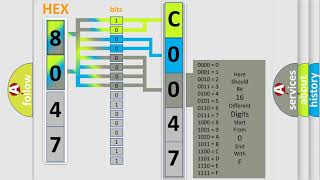
Technical definition: The official SAE/OBD-II generic definition is "Brake Booster Pressure Sensor (Subfault)". However, manufacturers frequently assign it to different components. GM defines it as "Left Rear Wheel Speed Sensor Circuit Low", Subaru uses it for "Improper CAN Communication" 🎬 Watch: A short explanation of the Subaru C0047 code., and Ford uses C0047-01 for "Lost Communication With Vehicle Mode Status Check Sum Error". Always prioritize the definition from a vehicle-specific scan tool.
Can I Drive With C0047?
Yes, But With Caution. Yes, but with extreme caution. Your Anti-lock Braking System (ABS) and Electronic Stability Control (ESC) are disabled, significantly increasing stopping distances on slippery surfaces and removing automatic skid correction. If the cause is a leaking master cylinder, continued driving allows brake fluid to destroy the brake booster, adding $400-$800 to the repair cost.
Common Causes

- Faulty Brake Booster Pressure Sensor (Very Common) — The sensor measuring vacuum pressure in the brake booster fails from internal wear, contamination, or electronic failure, sending incorrect data to the control module.
- Faulty Wheel Speed Sensor or Contaminated Reluctor Ring (Common) — On vehicles where C0047 points to a wheel speed sensor (like GM), the sensor fails internally or the magnetic reluctor ring on the wheel hub becomes caked with metallic debris or rust. This creates a weak signal, triggering a 'Circuit Low' fault.
- Damaged Wiring or Connectors (Common) — Wires leading to the brake booster or wheel speed sensor fray, corrode, short to ground, or disconnect. This is especially common for wheel speed sensor harnesses exposed to road debris and moisture.
- Vacuum Leaks (Common) — Cracked, disconnected, or hardened vacuum hoses connected to the brake booster leak, causing the pressure sensor to report inaccurate low pressure readings. A healthy booster requires 18-21 inches of mercury (in-Hg) of vacuum.
- Leaking Master Cylinder (Less Common) — Brake fluid leaks from the rear seal of the master cylinder directly into the brake booster. This fluid saturates and destroys the brake booster pressure sensor.
- Failing ABS/EBCM Control Module (Less Common) — The control module interpreting the sensor's signal fails due to internal board damage, software corruption, or moisture intrusion.
- Low System Voltage (Rare) — A weak battery causes significant voltage drops during engine cranking, leading to temporary glitches in sensitive electronic modules and logging erroneous fault codes.
Symptoms

- ABS and Traction/Stability Control Lights On — The Anti-lock Braking System (ABS) and Electronic Stability Control (ESC) warning lights illuminate simultaneously, as these systems rely on the same sensor data.
- Hard Brake Pedal — The brake pedal feels much harder to press than usual, requiring more effort to stop the vehicle due to a loss of power brake assist.
- Intermittent ABS Activation at Low Speeds — On vehicles with a wheel speed sensor fault, you feel brake pedal chatter or hear the ABS pump activate at low speeds (under 10 mph) as the system interprets a noisy signal as wheel lock-up.
- Spongy or Inconsistent Brake Pedal — The brake pedal feels soft, spongy, or its resistance changes during a single press, reflecting erratic sensor input.
Diagnostic Flowchart

Tap your situation to follow the diagnostic path that matches what you're seeing on this code.
Common Fixes & Costs
- Replace Brake Booster Pressure Sensor — Parts: $35-$100, Labor: $75-$150, ~0.8 hr book time (DIY)
- Replace Wheel Speed Sensor — Parts: $35-$80, Labor: $60-$110, ~1.0 hr book time (Intermediate)
- Clean Reluctor Ring and Sensor Face — Parts: $5, Labor: $50-$100, ~0.8 hr book time (DIY)
- Repair Damaged Wiring or Connector — Parts: $10-$30, Labor: $100-$300, ~1.5 hr book time (Intermediate)
- Replace ABS Control Module — Parts: $800-$1,200, Labor: $150-$300, ~2.0 hr book time (Professional)
DIY vs Professional
- Replace Brake Booster Pressure Sensor — Beginner:
Tools: Basic hand tools (socket set, pliers). - Replace Wheel Speed Sensor — Beginner:
Tools: Jack and jack stands, lug wrench, socket set, torque wrench. Sometimes a Torx or Allen socket is needed for the sensor bolt. - Clean Reluctor Ring — Beginner:
Tools: Jack and jack stands, lug wrench, socket set, brake cleaner, non-magnetic brush. - Repair Damaged Wiring — Beginner:
Tools: Multimeter, wire strippers, crimpers, heat shrink tubing, soldering iron. - Replace ABS Control Module — Beginner:
Tools: Professional scan tool for programming, flare nut wrenches, brake bleeding equipment.
Used vs. New Parts: Buying Guide
When a used part is worth it: For electronic sensors like a Wheel Speed Sensor or Brake Booster Pressure Sensor, buying new is strongly recommended. The cost savings on a used sensor are minimal, and they are wear items with a finite lifespan. A used sensor carries a high risk of premature failure, forcing you to pay for labor a second time.
Donor-vehicle mileage cap: roughly under 30000 miles for the part to have meaningful remaining life.
Donor quality checklist:
- Only consider used if it's from a very low-mileage vehicle wrecked for non-related reasons (e.g., rear-end collision for a front sensor).
- Ensure the part number is an exact match.
- Avoid parts from flood-damaged or rust-belt vehicles due to the high risk of corrosion and electronic failure.
Decision logic:
- If The part is an electronic sensor (Wheel Speed, Brake Pressure). → Buy a new OEM or high-quality aftermarket part. The risk of early failure on a used sensor outweighs the small cost savings.
- If The part is a complete ABS module/hydraulic unit and the cost of new is prohibitive (> $1000). → A used unit from a reputable supplier with a warranty and verified low mileage is a viable option, but professional programming is still required.
- If The cost of a new sensor is less than $100. → Always buy new. The labor cost to replace it again is more than the savings.
Warranty tradeoff: Used parts typically have a 30-90 day warranty, which does not cover labor. New aftermarket parts often have a 1-year to limited lifetime warranty. New OEM parts carry a 1-2 year warranty.
Worst-case if a used part fails: $200-$400 if a used sensor fails after installation, accounting for repeat labor and the cost of another part.
What Happens If You Wait — Timeline
- Immediate: Code is set. ABS and Traction/Stability Control lights illuminate. The vehicle's primary active safety systems are disabled. (MPG impact: 0%% · Added cost: $0. The primary cost is the significantly increased risk of an accident.)
- 1-3 months (if caused by master cylinder leak): Brake fluid begins to leak from the master cylinder's rear seal into the brake booster. The fluid starts to attack and soften the booster's internal rubber diaphragm. (MPG impact: 0%% · Added cost: $0, but a critical failure is now inevitable.)
- 2-6 months (if caused by master cylinder leak): The brake booster diaphragm ruptures due to brake fluid contamination. All power brake assist is lost, and the brake pedal becomes extremely hard to press at all times. The vehicle's stopping distance increases dramatically. (MPG impact: 0%% · Added cost: $400-$800. The original repair (master cylinder, ~$300-800) is now compounded by the need for a new brake booster.)
- 6+ months: Continued driving with a non-functional ABS system or a very hard pedal masks other developing brake issues. A seized caliper or worn pads go unnoticed, leading to rotor damage. (MPG impact: 0-2% (from potential brake drag)% · Added cost: $1000+. The cost of the master cylinder and booster replacement, plus potential new rotors and calipers from neglected secondary issues.)
Cost of Not Fixing It
- Immediate: Loss of Anti-lock Braking (ABS) and Electronic Stability Control (ESC). This results in an increased risk of skidding and loss of control during emergency braking or on slippery surfaces, leading to an accident. (Added cost: Potential accident costs, insurance deductible.)
- 1-3 months: If the cause is a leaking master cylinder into the brake booster, the brake fluid destroys the booster's internal diaphragm. This leads to a complete loss of power assist, requiring a much more expensive repair. (Added cost: $400-$800 for brake booster replacement, plus labor.)
- 3+ months: Continued driving with a hard pedal (due to a failed booster) puts extra stress on brake pedal linkages and the firewall. Driving with a faulty wheel speed sensor causes unpredictable brake behavior. (Added cost: $100-$500 for related component wear.)
Diagnosis Steps
- Read All Trouble Codes & Manufacturer Definition
Use an OBD-II scanner capable of reading ABS codes to confirm C0047. Note the specific definition provided by the scanner (e.g., 'Brake Booster Pressure Sensor' vs. 'Left Rear Wheel Speed Sensor Circuit Low'). This distinction dictates the entire diagnosis.
Tools: OBD-II Scanner (with ABS capability) (Beginner) - Review Live Sensor Data
Use an advanced scanner to view live data. For a brake booster sensor, the pressure reading must change smoothly as you press the brake pedal; a reading stuck at 0 or maximum indicates a fault. For a wheel speed sensor, the reading for the suspect wheel must match the other wheels as you drive.
Tools: Advanced OBD-II Scanner (Intermediate) - Perform a Thorough Visual Inspection
Based on the code definition, inspect the relevant area. For a booster sensor, check all vacuum hoses for cracks and inspect the master cylinder for fluid leaks. For a wheel speed sensor, inspect the sensor, its wiring harness for damage, and the connector for corrosion.
Tools: Flashlight (Beginner) - Inspect Reluctor Ring (for WSS faults)
If the code points to a wheel speed sensor, remove the sensor and visually inspect the reluctor ring on the hub or axle. Look for heavy rust buildup, metallic debris, or physical damage. Clean the ring and sensor face with brake cleaner before considering sensor replacement.
Tools: Brake Cleaner, Brushes, Jack and Stands (Intermediate) - Test Sensor Circuit at the Connector
Disconnect the sensor and turn the ignition on. Using a multimeter, check the connector for a reference voltage (typically 5V or 12V), a good ground (less than 0.1V), and a signal wire. A missing voltage or bad ground points to a wiring or module issue, not a bad sensor.
Tools: Multimeter, Service Manual (Intermediate) - Test Circuit Integrity
With the sensor and control module disconnected, perform a continuity test on the signal and ground wires between the sensor connector and the control module connector. Check for high resistance (indicating an open) or a short to ground on the signal wire. Resistance must be less than 1 ohm.
Tools: Multimeter, Service Manual (Intermediate) - Test Brake Booster Pressure Sensor Voltage
Back-probe the sensor's signal wire. With the key on and engine off (no vacuum), the voltage is high, around 4.5V. With the engine running (full vacuum), the voltage drops significantly, often to between 0.5V and 1.5V. As you press the brake pedal, the voltage rises smoothly back towards 4.5V. A signal stuck high or low confirms a faulty sensor.
Tools: Multimeter, Back-probe connectors, Service Manual (Advanced) - Test Wheel Speed Sensor Resistance or Waveform
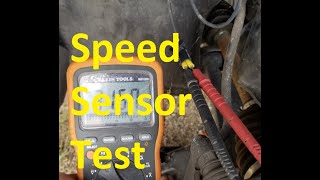
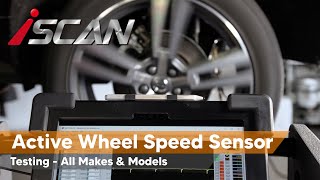
For older 2-wire passive sensors, measure resistance between the two pins (typically 800-2000 Ω). An open circuit (OL) indicates a failed sensor. For active sensors, connect an oscilloscope to the signal wire. A good sensor produces a clean square wave that increases in frequency with wheel speed.
Tools: Multimeter, Oscilloscope (optional) (Advanced)
When This Code Triggers (Freeze-Frame Conditions)
- Vehicle Speed: 10-40 mph (The fault is detected during city driving speeds when braking is frequent. For wheel speed sensor issues, the fault triggers at very low speeds (<10 mph) or during steady-state cruising.)
- Brake Pedal Status: Applied (For brake booster sensor faults, the code sets when the brake pedal is pressed and the sensor's reading is irrational or doesn't correlate with vehicle deceleration.)
- Engine RPM: 800-2500 RPM (The code sets when the engine is running and has sufficient vacuum. A fault logs during a transition, such as braking while the engine returns to idle.)
- System Voltage: 12.6-14.8V (The fault sets when system voltage is normal. If voltage is below 11V, a battery or charging system issue is causing the module to log erroneous codes.)
Related Codes
- C0045 — On GM vehicles, C0045 is 'Left Rear Wheel Speed Sensor Circuit Malfunction' while C0047 is 'Left Rear Wheel Speed Sensor Circuit Low'. C0045 points to a general circuit failure (open/short), while C0047 specifically indicates a weak or noisy signal, often from a contaminated reluctor ring.
- C0071 — This code for the Steering Angle Sensor often appears with C0047 on Subarus. Because C0047 on these cars is a CAN communication error, the VDC module loses communication and cannot receive a valid signal from the steering angle sensor, triggering C0071 as a secondary fault.
- C0057 — This code relates to ECM communication. On Subarus, it appears with C0047 ('Improper CAN Communication'). If both are present, it strongly suggests a wider network problem (faulty ground, wiring, or VDC module) rather than a single sensor failure.
- P0571 — Brake Switch 'A' Circuit Malfunction. The ABS module compares the brake switch signal with the brake pressure sensor signal. If you press the brakes but the pressure sensor reading is implausible, it triggers a C0047 in some systems. Both codes appearing together points towards a conflict in braking inputs.
How to Talk to a Mechanic About This Code
Say this: "I have an ABS light on and my scanner is showing a C0047 code. I know this code means different things on different cars, like a brake booster sensor for some, but a wheel speed sensor for others. I need a diagnostic to determine the specific cause for my vehicle."
This signals that you understand the complexity of the code. It prevents a shop from simply replacing the most common part based on the generic definition and forces a proper, vehicle-specific diagnosis.
Avoid saying:
- 'My ABS light is on, can you fix it?'
- 'Just replace the brake sensor.'
- 'I have a C0047, just do whatever it needs.'
Questions to ask before authorizing the repair:
- What was the manufacturer-specific definition of the C0047 code for my car?
- If you recommend a wheel speed sensor, did you inspect the wiring and clean the reluctor ring on the hub first?
- If you recommend a brake booster pressure sensor, did you confirm there are no vacuum leaks from the booster or its hoses?
- Can you show me the live data from the faulty sensor compared to a good one?
- If the recommendation is to replace the ABS module, have all wiring, ground, and sensor possibilities been definitively ruled out?
Where to Take It: Dealer vs Independent vs Chain
- Dealer:
A safe, but expensive, choice. Recommended if you have a known manufacturer-specific quirk (like on a Subaru) or if independent shops are unable to diagnose the problem.
Best for: Vehicles under warranty., Complex manufacturer-specific issues (e.g., CAN bus errors on a Subaru)., Repairs covered by a known Technical Service Bulletin (TSB) or recall.
Downsides: Highest labor rates and part costs., Recommends complete assembly replacements when only a smaller component failed. (Typical cost: +50% vs. baseline) - Independent Shop:
Best choice for most situations. A good independent shop with ASE-certified technicians accurately diagnoses and repairs all common causes of C0047 at a lower cost than the dealer.
Best for: Out-of-warranty vehicles where cost is a factor., Diagnosing common C0047 causes like faulty sensors or wiring., Building a long-term relationship with a trusted mechanic.
Downsides: Diagnostic capabilities vary; ensure they have modern scan tools that read ABS live data., Less experience with brand-new models or obscure network issues. (Typical cost: +0% vs. baseline) - Chain Shop:
AVOID for initial diagnosis. The risk of misdiagnosis is high. Acceptable for a straightforward part replacement (like a wheel speed sensor) only if you have already confirmed the diagnosis.
Best for: Simple, clear-cut repairs AFTER a definitive diagnosis has already been made.
Downsides: Technician skill and diagnostic equipment vary widely., High pressure to upsell services., Lacks the advanced diagnostic tools to correctly diagnose a code like C0047 with multiple possible meanings. (Typical cost: -10% vs. baseline)
When to Walk Away From the Repair
If the estimated repair cost exceeds 50% of the car's private-party value, sell or trade in the vehicle instead of repairing it.
- Car worth $3000, fix is $1800: Walk away. The repair cost is 60% of the car's value. It is not a sound financial decision to proceed with this expensive of a repair.
- Car worth $10000, fix is $700: Fix it. The repair cost is only 7% of the vehicle's value and resolves a critical safety issue.
- Car worth $5000, fix is $2500: Borderline. The repair cost is exactly 50% of the car's value. Get a second opinion and carefully consider the car's overall condition before authorizing the repair.
What Scan Tool You Need for This Code
Minimum: A scanner that reads and clears Anti-lock Brake System (ABS) codes and displays the manufacturer-specific definition.
A basic $20 engine code reader cannot communicate with the ABS module and will not see the C0047 code. A slightly better tool that only gives the generic 'Brake Booster Pressure Sensor' definition leads you to replace the wrong part on many vehicles (like GM or Subaru), wasting hundreds of dollars.
Budget: BlueDriver Pro or ANCEL BD310 (~$100) — These Bluetooth scanners connect to a smartphone app and read ABS fault codes, provide manufacturer-specific definitions, and view live sensor data for wheel speed, which is essential for diagnosing this code.
Mid-range: Innova 5610 or XTOOL D7 (~$350) — Provides all the features of budget picks plus bidirectional controls. This allows you to command the ABS module to perform self-tests or activate the ABS pump, crucial for advanced diagnosis and bleeding the brake system after a module replacement.
Professional: Autel MaxiCOM MK808BT or Launch X431 series (~$500-800) — Offers full bidirectional control, OE-level diagnostics, and advanced functions like ABS module coding and programming. These tools are essential for replacing and configuring a new ABS control module.
Rent vs buy: For a one-time diagnosis, AutoZone or O'Reilly Auto Parts offer a loaner tool program. Their in-store scanners read ABS codes, which is sufficient to get the specific code definition. Buy a scanner only if you perform your own vehicle diagnostics regularly.
How to Clear the Code After You Fix It
- Use an OBD-II scan tool with ABS capabilities to clear the fault codes from the brake control module.
- Disconnecting the battery does not clear ABS codes and is not the recommended procedure.
- Perform a test drive that includes several stops to allow the system to self-test.
Drive cycle (~15 minutes): After clearing the code, start the vehicle and let it idle for 2 minutes. Drive the vehicle in a mix of city and highway conditions, ensuring you reach speeds above 40 mph. Perform at least 5-10 normal braking events from various speeds. For wheel speed sensor faults, include some low-speed turns. The ABS light remains off if the repair was successful.
Readiness monitors affected: This is a chassis (C-code) fault and does not directly affect powertrain (P-code) emissions readiness monitors like the Catalyst or O2 sensor monitors.
Watch out for:
- Using a basic code reader that cannot access or clear ABS module codes.
- Not test-driving the vehicle after the repair, which leads to the code returning for the customer.
- Forgetting to address the underlying cause, such as cleaning a rusty reluctor ring, which causes the new sensor to fail or the code to return quickly.
Will This Fail Emissions / State Inspection?
No — by itself this code doesn't fail OBD inspection (but it can keep readiness monitors from setting, which causes a separate fail).
- California: An illuminated ABS light does NOT cause a failure of the California Smog Check. The inspection is focused on emissions-related components, and the ABS is considered a safety system.
- New York: An illuminated ABS warning light is NOT a cause for rejection during the annual safety inspection. It is noted as an advisory only.
- Texas: An illuminated ABS light is NOT a cause for rejection in the Texas safety inspection. The test focuses on the function of the standard service brakes. Note that as of 2025, safety inspections are being phased out for non-commercial vehicles in many counties.
Most Commonly Affected Vehicles
- Chevrolet/GMC Silverado 1500 / Sierra 1500 (2007-2014) — Almost always triggers C0047 for a 'Left Rear Wheel Speed Sensor Circuit Low' fault. This is caused by a rust-contaminated reluctor ring on the rear wheel bearing hub, or damage to the exposed wiring harness. GM TSB 16-NA-298 addresses this issue.
- Subaru Outback / Legacy / Forester (2010-2014) — On these models, C0047 signifies an 'Improper CAN Communication' error, not a sensor failure. It frequently appears with C0071 (Steering Angle Sensor) or C0057 (ECM Communication). Diagnosis must focus on the network, not individual sensors.
- Ford Focus / Escape / F-150 (2008-2018) — Commonly logs C0047 for a brake booster pressure sensor fault. A known issue is a leaking master cylinder contaminating the sensor with brake fluid. Some 2013-2014 F-150 models were recalled for this issue (NHTSA Campaign: 16V249).
- Hyundai / Kia Elantra / Optima / Sorento (2007-2016) — Experiences C0047 related to wheel speed sensors or issues with the ABS/hydraulic booster assembly. Many models from this era were subject to a major recall for ABS module short circuits that cause fires (NHTSA Campaigns 23V-651000 and 23V-652000).
- BMW 3-Series (E90 Chassis) (2006-2011) — Prone to a trio of ABS, DSC, and Brake warning lights. Circuit faults related to wheel speed sensors are extremely common. The cause is a corroded rear reluctor ring that swells and damages the sensor.
- Dodge/Jeep/Chrysler Various (Grand Caravan, Ram 1500, Wrangler) (2008-2018) — This code is commonly reported on various models across these brands, typically related to the brake booster pressure sensor as per the generic definition.
- Honda Accord / CR-V (2008-2015) — Frequently logs C0047 for a brake booster pressure sensor fault, leading to a hard pedal and VSA/ABS light activation.
- Audi Q7 (2007-2010) — Prone to C0047, which relates to either the wheel speed sensor circuit or brake booster pressure issues. Diagnosis requires checking the manufacturer-specific definition.
Manufacturer-Specific Notes
- General Motors (Chevrolet, GMC, Cadillac): For GM, C0047 almost always refers to a 'Circuit Low' condition in the Left Rear Wheel Speed Sensor circuit, not the brake booster sensor. GM TSB 16-NA-298 addresses metallic debris accumulating on the magnetic wheel bearing encoder, causing a weak signal.
- Subaru: Subaru defines C0047 as an "Improper CAN Communication" error, meaning the brake control module (VDC) is not communicating correctly with other modules on the network. It rarely points to a specific sensor.
- Ford: On some Ford vehicles, C0047 has a suffix like "-01" and is defined as "Lost Communication With Vehicle Mode Status Check Sum Error," pointing to a data communication problem. A recall for 2013-2014 F-150s (NHTSA #16V249) addressed a master cylinder fluid leak that damages the booster and its sensor.
- Hyundai / Kia: While C0047 is a standard sensor fault, massive recalls (NHTSA 23V-651, 23V-652) exist for millions of 2010-2019 models where the ABS module leaks brake fluid internally, causing an electrical short and fire risk, even when the car is off.
- Fiat: On Fiat models, C0047-01 points to a "Brake Pressure Sensor - General Electrical Failure," indicating the ABS module cannot activate the correct solenoid valve, pointing to an internal module or hydraulic unit fault.
Real Owner Stories
2011 GMC Sierra 1500 at 115K miles
ABS and StabiliTrak lights came on intermittently, especially during low-speed turns. Scanner showed C0047 'Left Rear Wheel Speed Sensor Circuit Low'.
What they tried:
- Initially replaced the left rear wheel speed sensor ($45 part), but the code returned within a day.
- Checked wiring harness for damage and found none.
- Removed the sensor again and inspected the wheel hub's magnetic encoder ring with a flashlight.
Outcome: The magnetic encoder ring on the wheel bearing hub was covered in a paste of rust and metallic debris. Cleaning the ring surface thoroughly with brake cleaner and a rag resolved the issue. The code was cleared and did not return.
Lesson: On GM trucks, 'Circuit Low' often means a weak or dirty signal, not an electrical failure. Always inspect and clean the magnetic reluctor/encoder ring on the hub before replacing a wheel bearing assembly, as per GM TSB 16-NA-298.
2013 Honda CR-V at 90K miles
ABS, VSA, and power steering warning lights all came on simultaneously. Brake pedal felt extremely hard to press. Scanner confirmed C0047 for the brake booster pressure sensor.
What they tried:
- First, checked for vacuum leaks around the brake booster and hoses but found none.
- Inspected the master cylinder and noticed no external fluid leaks.
- Replaced the brake booster pressure sensor, which is located on the booster itself.
Outcome: Replacing the sensor ($60 part) and clearing the codes immediately fixed the hard pedal and extinguished all warning lights. The repair took about 30 minutes.
Lesson: A hard brake pedal combined with a C0047 code strongly points to a failure in the brake booster's vacuum system. The pressure sensor is the most common and easiest part to replace in this scenario.
2014 Subaru Outback at 105K miles
ABS, Hill Start Assist, and Traction Control lights all illuminated. Cruise control was disabled. Scanner pulled C0047 and C0071 (Steering Angle Sensor).
What they tried:
- A local shop, seeing the C0071 code, recommended a steering angle sensor replacement for $400, but the owner declined.
- Research on forums indicated that on Subarus, C0047 is a 'CAN Communication' error.
- Owner cleared the codes. The lights stayed off for a week, then returned after a long drive in hot weather.
Outcome: The owner took the vehicle to a Subaru specialist. The specialist identified the issue not as a faulty sensor, but as a known problem with the VDC (ABS) control module's internal logic. They resolved the issue without replacing parts. In many similar cases, a faulty ground or intermittent wiring issue is the cause.
Lesson: On a Subaru, C0047 is a network communication code, not a sensor code. Do not replace individual sensors like the steering angle sensor if C0047 is also present; the root cause is almost always in the wiring or the VDC module itself.
How to Prevent This Code From Triggering
- Perform a brake fluid flush every 2-3 years or 30,000 miles. (Every 2-3 years) — Brake fluid is hygroscopic, meaning it absorbs moisture from the air. This moisture corrodes the sensitive internal valves and electronic components of the ABS control module, leading to expensive failures.
- Periodically wash the vehicle's undercarriage, especially in winter. (Monthly in salt-belt regions) — This removes road salt and grime that cause severe corrosion on wheel speed sensors, their wiring connectors, and the metal reluctor rings on the wheel hubs, a primary cause of C0047 on GM vehicles.
- Inspect vacuum hoses connected to the brake booster during oil changes. (Every 6 months) — Over time, rubber hoses become hard, brittle, and crack, creating vacuum leaks. A small leak causes a hard pedal and triggers a C0047 fault for the brake booster pressure sensor.
- Activate the ABS system intentionally once or twice a year. (Annually) — In a safe, clear area (like an empty, wet parking lot), perform a hard stop to engage the ABS. This cycles the valves and pump inside the ABS hydraulic unit, preventing them from seizing due to inactivity.
- Use a battery maintainer if the vehicle is stored for long periods. (During storage > 1 month) — Prevents the battery from discharging to a low voltage state, which causes electronic modules like the ABS computer to store false codes upon startup.
Frequently Asked Questions
Can I drive my car with a C0047 code?
Yes, but drive carefully and fix it soon. Your normal hydraulic brakes work, but the anti-lock (ABS) and stability control (ESC) systems are disabled. This is dangerous in an emergency stop or on slippery roads.
What is the most common mistake when diagnosing C0047?
The biggest mistake is ignoring the manufacturer-specific definition. A technician might replace the brake booster pressure sensor based on the generic code, when on a GM vehicle the fault is actually the left rear wheel speed sensor. On a Subaru, they might waste time on sensors when the real issue is a CAN communication network problem.
Can a weak or dying battery cause a C0047 code?
Yes. A failing battery causes a sharp voltage drop when starting the engine, which forces electronic modules like the ABS computer to glitch and store false trouble codes. If you have a C0047 code and a slow-cranking engine, test your battery and charging system before starting expensive repairs.
Will code C0047 clear itself?
If the problem was temporary, such as moisture in a connector that has dried out, the code clears itself after several drive cycles. However, if the warning light stays on, a hard fault is present that requires diagnosis and repair.
My scanner says C0047 is a wheel speed sensor, but the internet says it's a brake booster sensor. Which is it?
Both are correct depending on the vehicle. The generic OBD-II definition is for the brake booster pressure sensor. However, major manufacturers like General Motors use C0047 to indicate a fault with the left rear wheel speed sensor.
Why is my brake pedal hard to push with a C0047 code?
When the code is caused by a faulty brake booster pressure sensor or a vacuum leak, the system loses its reading of how much brake assist to apply. The system defaults to a safe mode with no assist. This makes the pedal feel very hard because you are pushing against the master cylinder with no vacuum help.
Can a bad wheel alignment cause a C0047 code?
Not directly, but a bad alignment causes an off-center steering wheel, triggering a Steering Angle Sensor fault (like C0071). On vehicles like Subaru where C0047 is a communication code, a fault in a critical related system like the steering angle sensor contributes to the network error that logs C0047.
Key Takeaways
- Always scan C0047 with a manufacturer-specific tool, as it means 'Brake Booster Pressure Sensor' on a Ford but 'Left Rear Wheel Speed Sensor' on a GM.
- Expect a hard brake pedal and illuminated ABS/Traction Control lights, which indicate your vehicle's active safety systems are completely disabled.
- Do not drive aggressively with a C0047 code, as stopping distances increase by up to 30% on wet roads without ABS and Electronic Stability Control.
- Inspect the magnetic reluctor ring on the wheel hub before replacing any sensors, as a $5 can of brake cleaner often fixes the rust and debris causing the code.
Helpful Videos

The information in this article is provided for general reference and educational purposes only. Vehicle specifications, procedures, and part compatibility can vary by production date, trim level, and region. Always consult your vehicle's factory service manual and verify part numbers before purchasing or performing repairs. Safety-critical components such as airbags, seat belts, and braking systems should be installed by a qualified professional.
- 🎬 Helpful Videos
- What Does C0047 Mean?
- Can I Drive With C0047?
- Common Causes
- Symptoms
- Diagnostic Flowchart
- Common Fixes & Costs
- DIY vs Professional
- Used vs. New Parts: Buying Guide
- What Happens If You Wait — Timeline
- Cost of Not Fixing It
- Diagnosis Steps
- When This Code Triggers (Freeze-Frame Conditions)
- Related Codes
- How to Talk to a Mechanic About This Code
- Where to Take It: Dealer vs Independent vs Chain
- When to Walk Away From the Repair
- What Scan Tool You Need for This Code
- How to Clear the Code After You Fix It
- Will This Fail Emissions / State Inspection?
- Most Commonly Affected Vehicles
- Manufacturer-Specific Notes
- Real Owner Stories
- 2011 GMC Sierra 1500 at 115K miles
- 2013 Honda CR-V at 90K miles
- 2014 Subaru Outback at 105K miles
- How to Prevent This Code From Triggering
- Frequently Asked Questions
- Can I drive my car with a C0047 code?
- What is the most common mistake when diagnosing C0047?
- Can a weak or dying battery cause a C0047 code?
- Will code C0047 clear itself?
- My scanner says C0047 is a wheel speed sensor, but the internet says it's a brake booster sensor. Which is it?
- Why is my brake pedal hard to push with a C0047 code?
- Can a bad wheel alignment cause a C0047 code?
- Key Takeaways
- 🎟️ Get 5% Off