

C0042 on 2015-2020 Dodge Durango: Brake Pedal Sensor Causes and Fixes
On a 2015-2020 Dodge Durango, code C0042 almost always points to the Brake Pedal Position Sensor. The most common fix is not replacing the sensor, but recalibrating it with a proper scan tool, especially after brake work or sensor replacement. If the sensor is faulty, a new OEM part costs around $20-$40.
- C0042 on your Durango points directly to the Brake Pedal Position Sensor system.
- Before replacing any parts, attempt to recalibrate the sensor using a compatible scan tool. This is the most common fix.
- If you replace the sensor, calibration is a required final step for the new part to work correctly.
- Symptoms like ABS lights and malfunctioning brake lights are serious safety concerns that should be addressed promptly.
- Using an OEM Mopar sensor is recommended to avoid compatibility issues seen with some aftermarket parts.
What's Unique About the 2015-2020 Dodge DURANGO
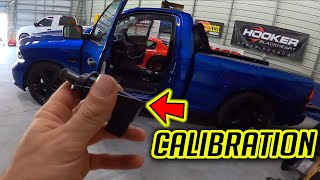
Unlike many vehicles where a brake switch is a simple on/off device, the Dodge Durango uses a position sensor that tells the ABS module exactly how far the pedal is pressed. This system is sensitive and requires a specific calibration procedure anytime the sensor, ABS module, or related components are serviced. A very common scenario is for this code to appear after a new sensor is installed without performing the mandatory 'Brake Pedal Position Sensor Learn 🎬 Watch: How to perform the calibration procedure on Mopar vehicles' procedure with a compatible scan tool like AlfaOBD or the dealer's wiTECH.
Diagnostic Flowchart
Tap your situation to follow the diagnostic path that matches what you're seeing on this vehicle.
Symptoms You May Notice
- ABS and/or Electronic Stability Control (ESC) warning lights are on
- Brake lights are stuck on, even when the pedal is not pressed
- Brake lights do not turn on when the pedal is pressed
- Cruise control is inoperative or disengages unexpectedly
- Vehicle may start without pressing the brake pedal
- Inability to shift out of Park
- Replacing the brake light bulbs when they are stuck on or off.
- Replacing the ABS module before thoroughly testing the sensor, its wiring, and attempting calibration.
- Replacing the sensor and failing to perform the required calibration, leading to the belief that the new part is also faulty.
Most Likely Causes
- Brake Pedal Position Sensor Requires Calibration 🔴 High Probability Dodge/FCA platforms require this electronic calibration step after service. A TSB specifically notes 'C0042-54 Brake Pedal Missing Calibration' can occur after module updates or replacements. This can also happen after a battery disconnect or if the sensor was physically disturbed.
How to confirm: Use a compatible scan tool (like OEM wiTECH, AlfaOBD with an OBDLink MX+ adapter, or Appcar DiagFCA) to access the ABS module. Attempt to run the 'Brake Pedal Calibration' or 'Brake Pedal Position Sensor Learn' procedure. Success is indicated by the procedure completing without errors and the code clearing.
Typical fix: Perform the calibration procedure. This does not require any parts replacement and can be done in minutes with the correct tool.
Est. part cost: $0 - Faulty Brake Pedal Position Sensor 🟡 Medium Probability The sensor is a plastic electronic component located in the driver's footwell that can fail over time due to wear or internal electronic faults.
How to confirm: Using a scan tool, monitor the sensor's live data while pressing the pedal. The voltage should sweep smoothly (e.g., ~0.5V to ~4.5V). If the voltage is stuck, erratic, or doesn't change, the sensor is likely bad. A failed sensor may also cause the calibration procedure to fail repeatedly.
Typical fix: Replace the Brake Pedal Position Sensor and immediately perform the calibration procedure.
Est. part cost: $20-$50 - Improper Sensor Installation ⚪ Low Probability The sensor has a rotating arm that must be correctly positioned relative to the brake pedal assembly. A real-world example from a Dodge Charger showed a C0042 code was triggered because the sensor's arm was installed on the wrong side of the pedal's stopper tab, causing it to read as fully pressed (5V) at all times.
How to confirm: Visually inspect the sensor to ensure its actuating arm is correctly engaged with the brake pedal bracket and its stopper. Compare its installation to service manual diagrams or videos of correct installations. The live data on a scan tool will be stuck at a high or low value if installed incorrectly.
Typical fix: Correctly reinstall the sensor, ensuring the arm is properly located, then perform the calibration procedure.
Est. part cost: $0 - Wiring or Connector Issue ⚪ Low Probability The wiring is in the driver's footwell and can be susceptible to damage from kicking, corrosion from wet feet, or from improper diagnostic probing of the wires, which can break the conductor inside the insulation.
How to confirm: Visually inspect the sensor's connector and wiring harness for damage, corrosion, or loose pins. A technician in one video found the 5-volt reference wire was broken internally inside the harness due to a previous mechanic poking through the wire with a test light. Perform a continuity test on the signal, power, and ground wires between the sensor and the ABS module.
Typical fix: Repair the damaged wiring or replace the connector pigtail. This may require sourcing a pigtail from a salvage yard if not available new.
Est. part cost: $10-$30
Rare But Worth Checking
- Faulty ABS Control Module: This is rare and should only be considered after all other possibilities (sensor, wiring, calibration) have been definitively ruled out. The module is the component that reads the sensor's signal and a failure here is a last resort diagnosis.
Diagnosis Steps
- Connect a diagnostic scan tool capable of reading ABS codes, live data, and performing special functions (e.g., wiTECH, AlfaOBD).
- Read all DTCs from all modules. Note C0042 and any related codes like P057B or P1572.
- Navigate to the ABS module's live data and monitor the 'Brake Pedal Position Sensor' voltage or percentage.
- Press and release the brake pedal slowly. The reading should change smoothly and consistently. A jumpy, stuck, or non-responsive value points to a sensor or wiring issue.
- Attempt to perform the 'Brake Pedal Calibration' procedure. With a tool like AlfaOBD, this is typically found under the ABS module's 'Active Diagnosis' or 'Procedures' tab. Follow the on-screen instructions, which require you to not touch the brake pedal during the process.
- If calibration is successful, clear the codes and re-test. If the code returns or calibration fails, proceed to physical inspection.
- Visually inspect the Brake Pedal Position Sensor. Pay close attention to the placement of the actuating arm relative to the pedal stopper.
- Inspect the sensor's electrical connector and nearby wiring for any signs of damage, corrosion, or loose connections. Wiggle the harness while observing live data to check for intermittent faults.
- If no physical issues are found, and calibration fails, replace the Brake Pedal Position Sensor with a quality OEM part.
- After replacement, you MUST perform the 'Brake Pedal Calibration' procedure again. Do not skip this step.
Parts You'll Likely Need
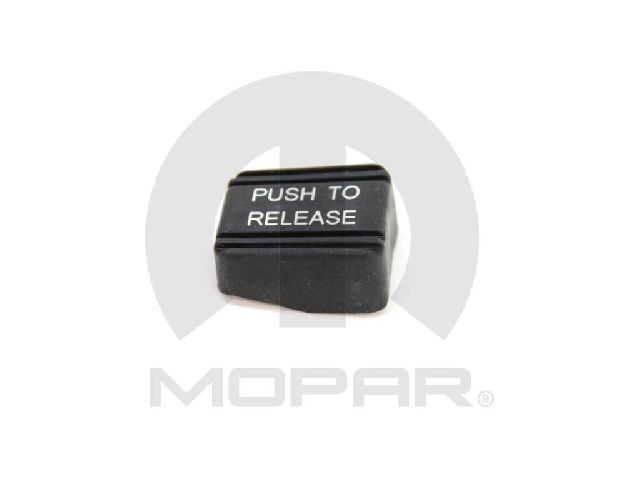
- Brake Pedal Position Sensor (also called Stop Lamp Switch)
(OEM #68236598AA, 68078700AE (Verify with VIN))— This sensor is the primary cause of code C0042, either through internal failure or, more commonly, loss of calibration.
Trusted brands: Mopar
OEM price range: $20-$50
Aftermarket price range: $15-$40
Related Codes That Often Appear With This One
- P057B — This code for 'Brake Pedal Position Sensor Circuit Performance' is often seen with C0042, as they both relate to the same sensor's function. A TSB for Durango lists them together.
- P1572 — This code for 'Brake Pedal Stuck' can be triggered if the sensor signal is irrational. A TSB for Durango lists it alongside C0042.
Technical Service Bulletins (TSBs) & Recalls
- S1808000152: Mentions C0042-54 Brake Pedal Missing Calibration.
- 9003530: Advises checking Brake Pedal Home Position setting with wiTech for DTC C0042.
Platform-Specific Known Issues
- A known issue documented in TSB #S1808000152 involves the code C0042-54 'Brake Pedal Missing Calibration' appearing after a control module is replaced or updated.
- TSB #9003530 specifically advises technicians to use the wiTECH scan tool to check the 'Brake Pedal Home Position setting' for vehicles with code C0042 or symptoms like brake lights staying on.
Mechanic-Grade Diagnostic Values
- Brake Pedal Position Sensor (BPPS) Signal Voltage — expected: A healthy sensor should show a smooth voltage sweep from approximately 0.5V (pedal released) to 4.5V (pedal fully depressed).. Failure: A flat reading (stuck at 0V, 5V, or another value), erratic jumps, or no change when the pedal is pressed indicates a faulty sensor, wiring issue, or incorrect installation.
- Brake Pedal Position Sensor (BPPS) Reference Voltage — expected: The sensor should receive a steady reference voltage, typically 5.0V, from the control module.. Failure: No voltage or significantly lower voltage points to a wiring issue (open/short) or a problem with the ABS module's power supply.
Hidden / Shadow Codes Worth Checking
- C0042-54: Brake Pedal Missing Calibration. This specific sub-code is set when the ABS module detects that the sensor's calibration has not been performed or the learned voltage is out of the allowable range. It is explicitly mentioned in TSB S1808000152. (see via Dealer-level scan tools like wiTECH or advanced aftermarket tools like AlfaOBD that can read manufacturer-specific fault types from the ABS module.)
- C0042-11: Brake Pedal Position Sensor Circuit Short to Ground. This indicates the signal wire is shorted to ground. (see via Advanced scan tools capable of reading FCA-specific fault type codes.)
- C0042-12: Brake Pedal Position Sensor Circuit Short to Battery. This indicates the signal wire is shorted to a voltage source. (see via Advanced scan tools capable of reading FCA-specific fault type codes.)
- C0042-2A: Brake Pedal Position Sensor - Stuck. This is set when the sensor's rationality check fails, indicating the sensor is not changing its reading as expected (e.g., stuck on) when the vehicle is at speed. (see via Advanced scan tools capable of reading FCA-specific fault type codes.)
Scan Tool Commands That Help
- AlfaOBD: Brake Pedal Calibration — This procedure is required after replacing the brake pedal position sensor, disconnecting the battery, or servicing the ABS module. In AlfaOBD, connect to the ABS module, select the 'Active Diagnosis' tab, choose 'Brake Pedal Calibration' from the procedure list, and follow the on-screen prompt (which requires not touching the brake pedal during the process).
- wiTECH (OEM Dealer Tool): ABS Module Initialization / ABS Verification Test — This is the OEM procedure used to calibrate the BPP sensor and verify the ABS system's functionality. It's necessary after sensor or module replacement. The TSBs specifically reference using wiTECH to check the 'Brake Pedal Home Position setting'.
Wiring & Ground Locations
- Brake Pedal Position Sensor Connector — Attached directly to the Brake Pedal Position Sensor (Stop Lamp Switch), which is mounted on the brake pedal support bracket in the driver's side footwell, above the brake pedal arm.. This is the primary connection point to test for power, ground, and signal. The connector and its wiring are susceptible to damage from being kicked or from moisture. A poor connection here will directly cause a C0042 code.
- ABS Module Connector — The ABS module is typically located in the engine bay, attached to the hydraulic control unit. The wiring from the BPP sensor terminates here.. This is the destination for the BPP sensor's signal. Technicians may need to test for continuity on the signal, power, and ground wires between the sensor connector and this module connector to rule out a wiring break in the harness.
- Chassis Ground — There are multiple chassis ground points. A key one for interior components is often located under the dash or behind the driver's side kick panel (e.g., G302 or G304 on some models). Another relevant ground is the main engine-to-chassis ground strap.. A poor ground connection for the ABS module or the sensor's circuit can cause floating voltages and irrational readings, leading to a C0042 code. While not a primary cause, it's a critical check if sensor and wiring tests are inconclusive.
Real Owner Repair Stories
- YouTube channel 'E Auto' (2018 Dodge Charger (shares platform and components with Durango)) — ABS light on, brake lights stuck on, vehicle would start without pressing the brake pedal.
❌ Tried (didn't work) The owner had replaced the brake pedal position sensor, but the problem persisted.
✅ What actually fixed it The replacement sensor was installed incorrectly. The sensor's actuating arm was placed on the wrong side of the brake pedal's stopper tab, causing the sensor to be permanently in the 'fully pressed' position and read a constant 5 volts. Correctly reinstalling the sensor so the arm engaged the stopper properly and then clearing the codes resolved the issue. - YouTube channel '3T's Mobile Automotive Repair inc' (2018 Ram 3500 (uses a similar BPP sensor and calibration logic)) — Brake pedal position switch code active, unable to calibrate the new sensor.
❌ Tried (didn't work) Another shop had replaced the switch, but could not get the calibration to complete.
✅ What actually fixed it The wiring harness connector for the sensor was damaged. The 5-volt reference wire was broken internally due to a previous mechanic probing through the wire insulation. Additionally, the connector's locking tab was broken. The final fix was to replace the connector pigtail with one from a salvage yard and perform the brake pedal calibration with a scan tool.
OEM Part Supersession History
68078700AD→68078700AE— Standard part revision and improvement.
Heads up: Part number 68078700AE is the correct replacement for previous versions ending in AB, AC, and AD for the Durango.68236598AA→N/A— This is a valid part number, but it appears to be for different FCA vehicles like the Chrysler Pacifica/Voyager, not the Durango.
Heads up: Using part 68236598AA on a Durango is likely incorrect. Always verify the part number with the vehicle's VIN. The Pass 2 data correctly identified this as a potential part, but further research shows 68078700AE is the more likely correct part for the Durango.
Helpful Videos
We Have This Part in Stock


The information in this article is provided for general reference and educational purposes only. Vehicle specifications, procedures, and part compatibility can vary by production date, trim level, and region. Always consult your vehicle's factory service manual and verify part numbers before purchasing or performing repairs. Safety-critical components such as airbags, seat belts, and braking systems should be installed by a qualified professional.
- Dodge DURANGO:
- 🎬 Helpful Videos
- 🛍️ Shop This Part
- What's Unique About the 2015-2020 Dodge DURANGO
- Diagnostic Flowchart
- Symptoms You May Notice
- Most Likely Causes
- Rare But Worth Checking
- Diagnosis Steps
- Parts You'll Likely Need
- Related Codes That Often Appear With This One
- Technical Service Bulletins (TSBs) & Recalls
- Platform-Specific Known Issues
- Mechanic-Grade Diagnostic Values
- Hidden / Shadow Codes Worth Checking
- Scan Tool Commands That Help
- Wiring & Ground Locations
- Real Owner Repair Stories
- OEM Part Supersession History
- 🎟️ Get 5% Off