

C0040 on 2017-2022 Kia Sportage: Right Front Wheel Speed Sensor Fixes
Code C0040 on a 2017-2022 Kia Sportage indicates a fault with the right front wheel speed sensor circuit. The most common fix is replacing the sensor itself, which is a DIY-friendly job with an aftermarket part costing around $25-$70. Before replacing, always inspect the exposed wiring harness for damage, as it's a frequent point of failure.
- C0040 means your 2017-2022 Sportage has a problem with the right front wheel speed sensor circuit, which disables your ABS and traction control.
- The most probable cause is a failed sensor, which is relatively inexpensive and accessible to replace for a DIYer.
- Before buying parts, use a scanner to watch the live wheel speed data while driving to confirm the right front wheel is the one not reporting correctly.
- Always perform a quick visual inspection of the sensor's wiring and connector for obvious damage before replacing the sensor.
- The correct OEM part number for the sensor is likely 95671-D3000, which is shared with the Hyundai Tucson.
What's Unique About the 2017-2022 Kia Sportage
The 2017-2022 Kia Sportage (generation QL) shares its platform and many components with the 2016-2021 Hyundai Tucson. For this specific code, the vehicles use the exact same front right ABS wheel speed sensor. While the sensor itself is the most common failure point, it's worth noting that Hyundai/Kia have had recalls on some models for internal ABS module (HECU) issues that can cause electrical faults and, in rare cases, a fire risk. Specifically, NHTSA recall 21V-137 affects 2017-2021 Sportage models for a potential short circuit in the HECU. While this recall doesn't directly cause a C0040 code, it highlights the importance 🎬 Watch this overview on C0040 code causes and fixes of addressing any ABS-related issues promptly and checking for open recalls.
Symptoms You May Notice
- ABS warning light is illuminated on the dashboard.
- Traction Control (TCS) or Electronic Stability Control (ESC) warning light is on.
- ABS system does not activate during hard braking (wheels may lock up).
- Traction or stability control systems are inoperative.
- In some cases, the speedometer may malfunction if it relies on data from the ABS module.
- Replacing the wheel bearing when only the sensor is bad. Always diagnose the sensor and wiring first before assuming the more expensive hub assembly is the cause.
- Replacing the sensor without first inspecting the wiring harness. A damaged wire will cause the new sensor to fail or the code to persist.
Most Likely Causes
- Failed Right Front Wheel Speed Sensor 🔴 High Probability Wheel speed sensors are exposed to harsh conditions like water, road salt, and debris, which can lead to internal electronic failure over time. Due to their location, they are a common wear-and-tear item.
How to confirm: Using an OBD-II scanner with live data capability, monitor the wheel speed for all four wheels while driving. The right front sensor will likely show an erratic, lagging, or zero mph reading compared to the others. This is the most definitive way to confirm a bad sensor. 🎬 Watch how to diagnose a Kia Sportage wheel speed sensor
Typical fix: Replace the right front ABS wheel speed sensor.
Est. part cost: $25-$70 - Damaged Wiring or Corroded Connector 🟡 Medium Probability The wiring harness leading to the sensor is routed in the wheel well and can be damaged by road debris, ice buildup, or chafing against suspension components. The connector pins can also corrode from moisture intrusion, especially in areas with heavy rain or road salt.
How to confirm: Visually inspect the entire length of the wire from the sensor to its connection point in the wheel well. Look for cuts, abrasions, or melted spots. Unplug the connector and check for green or white corrosion, bent pins, or moisture. Perform a 'wiggle test' on the harness while watching live data to see if the signal cuts in and out.
Typical fix: Repair the broken section of wire or replace the pigtail connector. If corrosion is minor, cleaning the contacts with an electrical contact cleaner may suffice.
Est. part cost: $15-$40 - Damaged or Contaminated Tone Ring / Wheel Bearing Assembly ⚪ Low Probability On this generation of Sportage, the magnetic reluctor/tone ring that the sensor reads is integrated into the wheel bearing seal. If the bearing fails, it can generate metallic debris that contaminates the ring or cause excessive play, disrupting the sensor's reading.
How to confirm: After removing the sensor, visually inspect the magnetic ring on the wheel hub/bearing for cracks, heavy rust, or metallic debris. Also, check for any play or roughness in the wheel bearing by rocking the tire at the 12 and 6 o'clock positions. Any movement indicates a failing bearing.
Typical fix: If the tone ring is damaged or the bearing has failed, the entire front wheel hub and bearing assembly must be replaced.
Est. part cost: $100-$200
Rare But Worth Checking
- Faulty ABS Control Module (HECU): This is the least likely cause. A faulty module will typically store other codes in addition to C0040 or show communication errors. However, given NHTSA recall 21V-137 for HECU fire risk on 2017-2021 Sportages, it remains a remote possibility if all other causes are ruled out. Diagnosis and replacement require professional-level tools and programming.
Diagnosis Steps
- Connect an OBD-II scanner capable of reading ABS codes and confirm C0040 is present. Note any other codes.
- Access the live data stream on the scanner. Monitor the 'Right Front Wheel Speed' parameter while driving slowly (5-10 mph). Compare its reading to the other three wheels. A reading of zero, or one that is erratic or doesn't match the others, confirms a problem in that circuit.
- Raise and secure the front of the vehicle. Remove the right front wheel.
- Visually inspect the ABS sensor and its wiring harness for any obvious signs of damage, such as cuts, chafing, melting, or corrosion. Pay close attention to where the wire is clipped to the chassis and suspension.
- Trace the wire to its connector, unplug it, and inspect for corrosion, moisture, or bent pins. Clean if necessary.
- If the visual inspection reveals no issues, the sensor is the most likely culprit. Replace the right front ABS wheel speed sensor. The sensor is typically held in by a single 10mm or 12mm bolt. 🎬 See this step-by-step wheel speed sensor replacement guide
- If a new sensor does not resolve the issue, the problem may lie in the wiring harness continuity or the wheel bearing's magnetic tone ring. Test the harness with a multimeter for opens or shorts. Inspect the tone ring for damage or metallic debris.
- If all components test good, the issue may be with the ABS control module, which requires professional diagnosis.
Parts You'll Likely Need
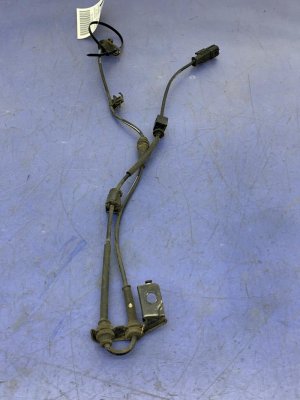
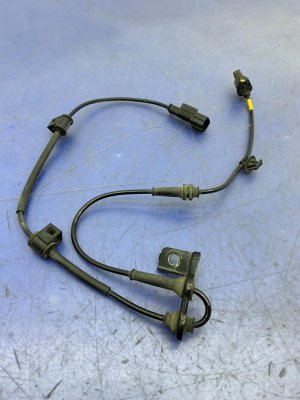
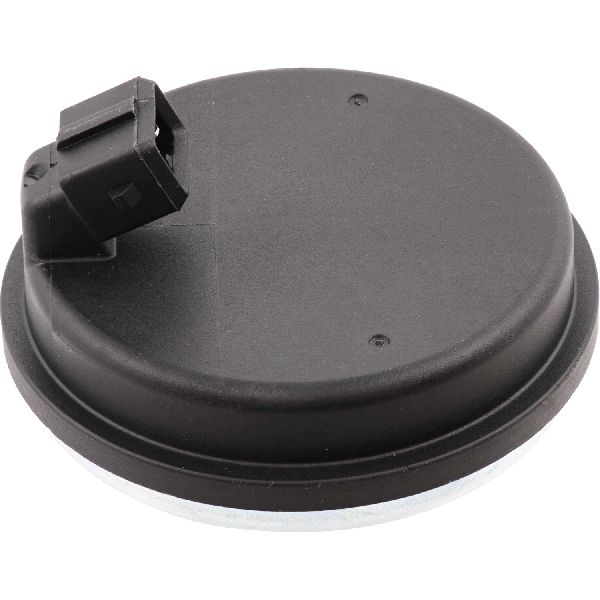
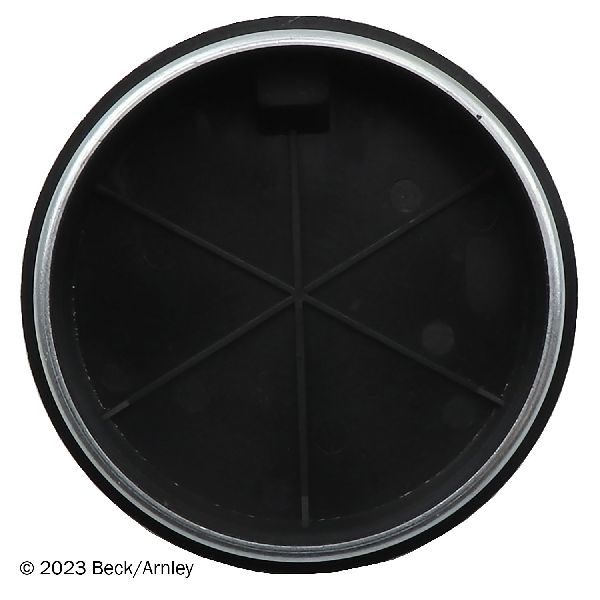
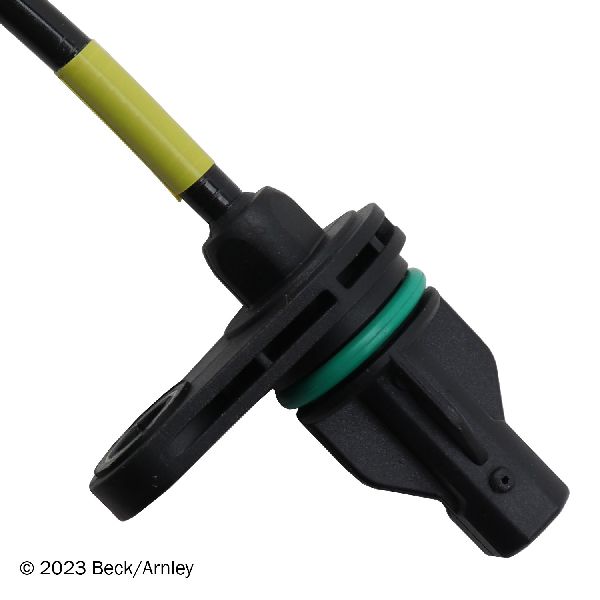
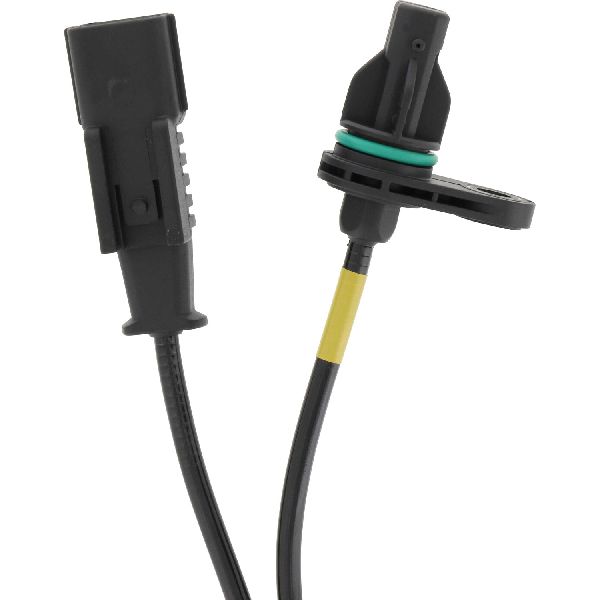
- Front Right ABS Wheel Speed Sensor
(OEM #95671-D3000)— This is the most common failure point for a C0040 code. It is an electronic sensor that fails over time due to heat and environmental exposure. The left front sensor is part number 95670-D3000.
Trusted brands: Mando, Standard Motor Products (SMP), Delphi, Beck Arnley, Genuine Kia
OEM price range: $70-$120
Aftermarket price range: $25-$70
Related Codes That Often Appear With This One
- C0035 — This code is for the Left Front Wheel Speed Sensor Circuit. Seeing both C0035 and C0040 could point towards a wiring issue common to both sides, a problem with the ABS module, or a systemic issue like water intrusion in both connectors.
Platform-Specific Known Issues
- The 2017-2022 Kia Sportage is a platform mate to the 2016-2021 Hyundai Tucson. They share the same front right ABS sensor (part # 95671-D3000).
- Hyundai/Kia issued NHTSA recall 21V-137 for 2017-2021 Sportage models due to a risk of an electrical short within the ABS module (HECU) that could cause a fire, even when parked. Owners should ensure this recall has been performed by a dealer.
- Another recall (NHTSA 22V-703) affects 2017-2022 Sportages with a factory or dealer-installed tow hitch harness. Moisture can enter the harness module, causing a short and fire risk. While unrelated to C0040, it's another critical electrical issue for owners to be aware of.
Mechanic-Grade Diagnostic Values
- Active Wheel Speed Sensor Resistance — expected: Modern vehicles like the Sportage use active (Hall effect) sensors, which cannot be accurately tested with a resistance check. A multimeter will likely show an open circuit (infinite resistance).. Failure: Testing resistance is not a valid method for this type of sensor.
- Active Wheel Speed Sensor Voltage (Signal) — expected: Using a multimeter set to DC voltage or an oscilloscope, back-probing the signal wire should show a square wave pulse that toggles between approximately 0V and a reference voltage (typically 5V or 12V) as the wheel is spun. The frequency of the pulse increases with wheel speed.. Failure: A constant 0V, constant reference voltage, or no signal change while the wheel is spinning indicates a faulty sensor or wiring issue.
- Battery Voltage While Charging (Engine Running) — expected: Approximately 13.2V to 14.8V across the battery terminals.. Failure: A voltage below 13.0V with the engine running may indicate a charging system problem, which can cause various electrical faults, though it's not a primary cause for a single wheel speed sensor code.
Wiring & Ground Locations
- ABS Fuses — In the engine compartment fuse box. For the fourth-generation Sportage, this includes a small 10-amp fuse and two larger 25-amp fuses labeled 'ABS'.. A blown fuse will disable the entire ABS module, typically causing multiple codes or a communication failure code, but it is a simple and essential preliminary check for any ABS-related issue.
- Chassis Ground Point — A common factory ground point is often a bolt or stud connected to bare metal on the chassis, located near the interior fuse panel or in the engine bay near the battery. The specific ground for the ABS module on this vehicle is not clearly documented in public diagrams.. A poor ground connection for the ABS module can cause erratic behavior and trigger various fault codes, including C0040. Checking that main ground points are clean and tight is a key step in diagnosing electrical issues.
- Sensor Pigtail Connector — The 2-pin connector for the front wheel speed sensor is located in the wheel well, where the sensor harness connects to the main body harness.. This connector is a common failure point due to exposure to moisture and road debris, leading to corrosion or damaged pins that interrupt the sensor signal.
Model Year Variations Within This Range
- 2017-2022: The ABS sensor part numbers for the fourth generation (QL) Sportage, such as 95671-D3000, are specific to this generation and its Hyundai Tucson platform mate. The fifth generation (NQ5, 2023+) uses different part numbers (e.g., 59795-N9160).
Diagnostic Flowchart
Other Known Issues on This Vehicle
Issues unrelated to this code that are worth knowing about as an owner of this generation:
- Theta II Engine Failure 🔴 High — Widespread across multiple model years, including the 2017-2022 Sportage. Can occur at various mileages. Caused by manufacturing debris (metal shavings) blocking oil passages, leading to connecting rod bearing failure and engine seizure. (Ref: Multiple recalls and a class-action lawsuit settlement. Kia extended warranties and offered a Knock Sensor Detection System (KSDS) software update to detect early signs of failure.)
- Excessive Oil Consumption 🟠 Medium — Common on models with the 2.4L and 2.0L Turbo GDI engines. Can lead to oil sludge and premature engine wear if not monitored closely. (Ref: A 2020 TSB acknowledged excessive oil consumption in various Kia models from 2011-2022.)
- ABS Module (HECU) Fire Risk 🔴 High — Affects 2017-2021 Sportage models. An electrical short can develop inside the Hydraulic Electronic Control Unit (HECU), potentially causing an engine compartment fire while driving or parked. (Ref: NHTSA Recall 21V-137. Owners were advised to park outdoors until the repair, which involves replacing a fuse and potentially the HECU, was completed.)
- Tow Hitch Harness Fire Risk 🔴 High — Affects 2017-2022 Sportage vehicles with a factory or dealer-installed tow hitch harness. Debris and moisture can cause a short on the harness module's circuit board, leading to a fire. (Ref: NHTSA Recall 22V-703. Owners are advised to park outdoors away from structures until the remedy is performed.)
- General Electrical Problems 🟡 Low — Owners report various minor electrical issues, such as flickering dashboard lights, malfunctioning interior lights, and infotainment system glitches.
Used vs. New Parts: Buying Guide for This Vehicle
When a used part is the smart pick: For this repair, a used OEM sensor from a low-mileage, accident-free donor vehicle is a reasonable choice to save money over a new OEM part. The part is electronic but fairly robust. Avoid used parts from regions with heavy road salt usage due to higher risk of corrosion.
Donor-vehicle mileage cap: roughly under 60000 miles for the part to have meaningful remaining life.
What to inspect on the donor part:
- Check for any visible cracks or damage to the sensor housing.
- Inspect the wiring pigtail for any signs of stretching, fraying, or previous repairs.
- Examine the connector pins for corrosion (green or white powder) or moisture.
- Ensure the mounting bracket is intact and not bent.
OEM-only on this vehicle (don't cheap out):
- ABS Control Module (HECU) - Due to the need for VIN-specific programming and the critical safety nature (including fire risk recalls), this part should only be replaced with a new, genuine OEM unit by a professional.
Aftermarket brands forum-validated for this vehicle:
- Mando (Often the original equipment manufacturer for Kia/Hyundai)
- NTK (Highly regarded for Asian vehicle sensors)
- Beck/Arnley (Frequently repackages OEM parts)
- Delphi
Brands owners have reported issues with on this vehicle:
- Unbranded 'economy' or 'white-box' parts from online marketplaces have a higher reported failure rate. While Standard Motor Products (SMP) is a major brand, some users have reported receiving defective sensors out of the box, suggesting potential quality control variability.
Real Owner Stories
Aggregated from forums and TSBs cited above. Mileages and costs reflect what owners reported in those sources.
2016-2021 Hyundai Tucson (Platform Mate)
Symptoms: The vehicle experienced a C0040 code for the front right ABS sensor, which is the same system used in the Sportage.
What fixed it: Replacement of the front right ABS sensor (P/N 95671-D3000).
Source hint: Go-Parts.com - C0040 on 2016-2021 Hyundai Tucson
Related OBD-II Codes
Frequently Asked Questions
Is there a recall for the ABS system on my 2017-2021 Kia Sportage that might be related to code C0040?
Can I use parts from a Hyundai Tucson to fix the C0040 code on my Sportage?
My speedometer is acting up along with the ABS light; is this normal for a C0040 code?
I have a tow hitch installed; could that be causing my ABS electrical issues?
If replacing the sensor doesn't clear C0040, what should I check next on this specific vehicle?
Is the C0040 code related to the engine recalls on the 2.4L Sportage?
Helpful Videos

Used OEM Parts in Stock
New Aftermarket Parts Available


The information in this article is provided for general reference and educational purposes only. Vehicle specifications, procedures, and part compatibility can vary by production date, trim level, and region. Always consult your vehicle's factory service manual and verify part numbers before purchasing or performing repairs. Safety-critical components such as airbags, seat belts, and braking systems should be installed by a qualified professional.
- Kia Sportage:
- 🎬 Helpful Videos
- 🛍️ Shop This Part
- What's Unique About the 2017-2022 Kia Sportage
- Symptoms You May Notice
- Most Likely Causes
- Rare But Worth Checking
- Diagnosis Steps
- Parts You'll Likely Need
- Related Codes That Often Appear With This One
- Platform-Specific Known Issues
- Mechanic-Grade Diagnostic Values
- Wiring & Ground Locations
- Model Year Variations Within This Range
- Diagnostic Flowchart
- Other Known Issues on This Vehicle
- Used vs. New Parts: Buying Guide for This Vehicle
- Real Owner Stories
- 2016-2021 Hyundai Tucson (Platform Mate)
- Related OBD-II Codes
- Frequently Asked Questions
- 🎟️ Get 5% Off