

C0035 on 2007-2014 Chevrolet Impala: Causes and Fixes for the Left Front Wheel Speed Sensor Code
On a 2007-2014 Impala, code C0035 almost always points to a broken wire in the left front wheel speed sensor harness or a failed sensor inside the wheel hub assembly. The most common fix is replacing the short wiring harness pigtail, which often breaks internally from flexing. Less often, the entire wheel hub assembly needs replacement.
- C0035 on a 2007-2014 Impala means there's a problem with the driver's side front wheel speed sensor circuit.
- The most likely cause is a broken wire inside the sensor's wiring harness, a very common problem on this car.
- Always test the wiring harness for continuity before replacing the more expensive wheel hub assembly.
- Driving with this code is possible, but your ABS and stability control will not work, compromising safety.
- A replacement wiring pigtail is available and is often all that is needed for the repair.
What's Unique About the 2007-2014 Chevrolet IMPALA
The ninth-generation Impala (2006-2013/14) and its GM W-body platform mates like the Buick LaCrosse and Pontiac Grand Prix are well-known for this specific issue. The wiring harness for the wheel speed sensor is routed in a way that causes it to constantly flex and stretch with suspension movement and steering, particularly where it is secured to the control arm. Over time, the internal copper wires fatigue and break, causing an open circuit, even when the outer insulation looks completely undamaged. This is such a common failure that GM issued technical service bulletins and sells a specific repair harness (pigtail) just for this problem.
Diagnostic Flowchart
Tap your situation to follow the diagnostic path that matches what you're seeing on this vehicle.
Generation note: This guide primarily covers the ninth generation Impala (2007-2013 and the 2014 'Limited' fleet model), where this issue is extremely common. The tenth generation, which began in 2014, has a different suspension and wiring design, but the underlying causes (bad sensor, wiring, or hub) can still apply.
Symptoms You May Notice
- ABS warning light is on
- "Service StabiliTrak" or "Service Traction Control" message on the driver information center
- Traction Control (TCS) warning light is on
- Stability control system may be disabled
- Cruise control is disabled or will not set
- Unwanted ABS activation or grinding/clunking noise at low speeds
- Replacing the expensive wheel hub assembly when only the inexpensive wiring harness was broken. It's critical to test the harness for continuity while wiggling it before spending money on a new hub.
Most Likely Causes

- Broken Wires in Wheel Speed Sensor Harness 🔴 High Probability The harness is subject to constant flexing and stress where it routes along the suspension components, causing the internal copper wires to fatigue and break over time. The break often occurs within a few inches of the connector where the wire bends with steering and suspension travel. This is a widely documented failure on this platform and its W-body cousins.
How to confirm: Visually inspect the harness from the wheel hub to the car's body. A common physical test is to gently pull on the wires near the connector; if the insulation stretches like a rubber band, the wire inside is broken. Another method is to feel for a spot that bends too easily or has a noticeable kink. A multimeter can be used to check for continuity between the sensor connector and the body-side connector while wiggling the harness to reveal the intermittent break. An open circuit confirms a broken wire.
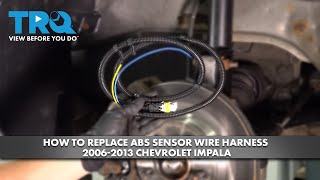
Typical fix: Replace the short wheel speed sensor wiring harness (pigtail). This involves cutting off the old connector and splicing the new harness into the existing body harness, preferably using solder and heat-shrink connectors 🎬 See this walkthrough on how to replace the wiring harness. for a durable, weather-resistant repair.
Est. part cost: $25-$60 - Failed Wheel Hub and Bearing Assembly 🟡 Medium Probability The wheel speed sensor is integrated into the wheel hub assembly and is not serviced separately. Normal wear and tear can cause the bearing or the internal sensor to fail. In some cases, the wires can be rubbed through or damaged right at the sensor body, making a harness splice impossible and requiring hub replacement.
How to confirm: If the wiring harness tests good (has continuity and isn't shorted), the hub assembly is the next likely culprit. A scan tool that can graph live data may show an erratic or missing signal from the left front wheel while the other wheels read normally. One owner replaced a new hub, only to have the code return, proving the harness was the issue all along.
Typical fix: Replace the entire left front wheel hub and bearing assembly.
Est. part cost: $80-$250 - Debris on Magnetic Encoder Ring ⚪ Low Probability The magnetic encoder ring, which the sensor reads, is part of the hub assembly. It can attract and accumulate ferrous metallic debris (rust flakes, metal shavings). This debris can disrupt the magnetic field and cause an erratic or lost signal, triggering a C0035 code.
How to confirm: This is addressed in GM TSB PIC5428G. If the harness is good, the hub can be removed to visually inspect the magnetic encoder ring on the inboard side for debris. The code may set with specific symptom bytes like 18, 5A, or 0F.
Typical fix: Carefully clean the debris off the magnetic encoder ring. TSB PIC5428G notes that in many cases, this can resolve the fault without replacing the entire hub assembly.
Est. part cost: $0 (if cleaning only) - Corrosion in the Harness Connector ⚪ Low Probability The connector is located in the wheel well, where it is exposed to water, salt, and road debris, which can lead to corrosion on the electrical pins.
How to confirm: Unplug the connector at the wheel hub and inspect the pins for green or white corrosion or physical damage.
Typical fix: Clean the connector terminals with electrical contact cleaner. If the corrosion is severe, the connector and a portion of the harness may need to be replaced.
Est. part cost: $0-$50
Rare But Worth Checking
- Failed Electronic Brake Control Module (EBCM): This is rare. The EBCM is the computer that controls the ABS. It's unlikely to fail for just one sensor circuit. You would typically see multiple wheel speed sensor codes or other ABS-related faults if the EBCM were the problem.
Diagnosis Steps

- Read the code with an ABS-capable OBD-II scanner to confirm C0035 is present.
- Lift the vehicle and secure it on jack stands. Locate the left front wheel speed sensor harness.
- Visually inspect the entire length of the harness for obvious signs of damage, chafing, or improper routing. Pay close attention to the area where it flexes near the control arm and steering knuckle.
- Disconnect the harness from the wheel hub. Inspect the connector pins for corrosion or damage.
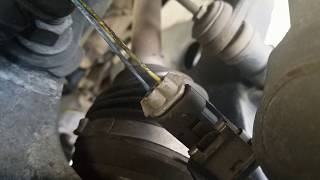
- Gently tug on each wire leading into the connector. If the plastic insulation stretches like a rubber band, the wire inside is broken. This is a very common failure point.
- If the stretch test is inconclusive, use a multimeter set to Ohms to test for continuity on both wires from the wheel-side connector to the body-side connector. Wiggle, bend, and twist the harness vigorously during the test to reveal intermittent breaks. An open circuit (OL) confirms a broken wire.
- If the harness and connector are good, use a scan tool to monitor the live wheel speed data from all four wheels while spinning the left front wheel by hand. 🎬 Watch: How to diagnose and fix ABS and traction control codes. A reading of zero or an erratic signal points to a bad sensor within the hub assembly.
- As a final check before replacing the hub, consider TSB PIC5428G and inspect the hub's magnetic encoder ring for metallic debris, which could be cleaned off.
- If the wiring, hub sensor, and encoder ring are all confirmed to be good, the issue may lie with the EBCM, which requires more advanced diagnostics.
Parts You'll Likely Need

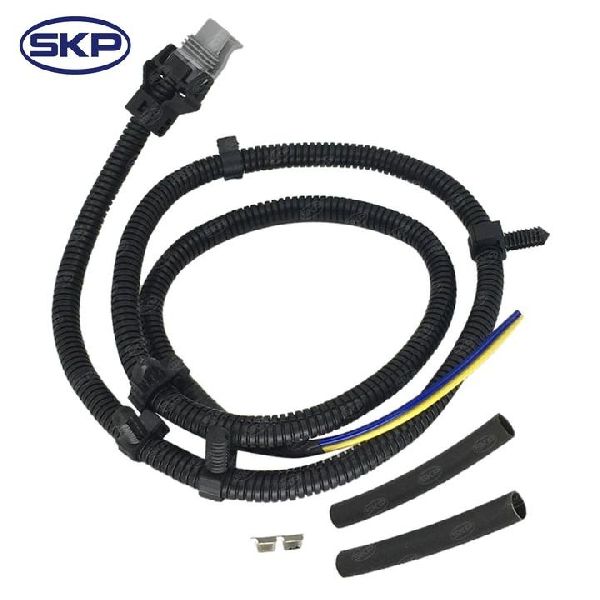
- Front Wheel Speed Sensor Wiring Harness
(OEM #10340314)— This is the most frequent failure point. The wires break internally from repeated flexing.
Trusted brands: ACDelco (OEM), Dorman (p/n 970-040), Standard Motor Products, Wells
OEM price range: $40-$60
Aftermarket price range: $25-$45 - Front Wheel Hub and Bearing Assembly
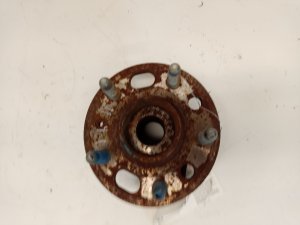
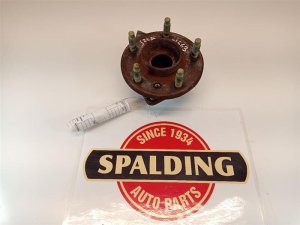
(OEM #Common Aftermarket p/n: 513289)— If the wiring harness is intact, the sensor integrated within the hub has failed. The entire hub must be replaced as a unit. Also required if the wire is damaged too close to the sensor to splice.
Trusted brands: ACDelco, Timken, MOOG, Duralast
OEM price range: $180-$250
Aftermarket price range: $80-$160
Related Codes That Often Appear With This One
- C0040 — C0040 is the code for the Right Front Wheel Speed Sensor circuit. It is common for both front harnesses to fail around the same time due to similar wear, stress, and age.
Technical Service Bulletins (TSBs) & Recalls
- PIC5992A: Diagnostic Tip - ABS Lamp On With Any Of The Following DTCs C0035 C0040 Or Unwanted Traction Control Activation. Points directly to harness inspection and repair.
- PIC5428G: Addresses Stabilitrak lights and DTCs C0035-C0050, pointing to potential wheel bearing issues, specifically debris on the magnetic encoder ring.
- 17-NA-047: Supersedes TSB PIC5428G with updated information on diagnosing wheel speed sensor issues related to the magnetic encoder ring.
Platform-Specific Known Issues
- Common Wire Breakage (TSB PIC-5992-A): A Technical Service Bulletin, #PIC-5992-A, was issued for unwanted traction control activation or an ABS light with codes C0035 or C0040. It instructs technicians to inspect the wheel speed sensor harness for broken or damaged wires, noting the condition may be more easily duplicated while turning.
- Debris on Hub Encoder Ring (TSB PIC5428G): Another TSB, #PIC5428G (superseded by 17-NA-047), addresses Service StabiliTrak lights with codes C0035-C0050. It points to ferrous metallic debris accumulating on the hub's magnetic encoder ring, which can disrupt the sensor signal. The bulletin suggests that cleaning the ring can often resolve the issue without replacing the hub.
Mechanic-Grade Diagnostic Values
- Voltage supply at sensor harness connector — expected: 12V with key on, engine off. Failure: No voltage present indicates an open circuit in the wiring between the EBCM and the sensor connector.
- Wheel Speed Sensor Resistance — expected: A few hundred to a few thousand Ohms.. Failure: An open circuit (OL) reading indicates a failed sensor.
- CAN Bus Network Resistance — expected: Approximately 60 Ohms across pins 6 and 14 of the DLC (with battery disconnected).. Failure: A reading of 120 Ohms indicates an open in the network, possibly caused by a faulty module (like the EBCM) or a break in the wiring.
Hidden / Shadow Codes Worth Checking
- C0035 0F: Indicates an erratic signal from the left front wheel speed sensor. This often points to issues like debris on the magnetic encoder ring or an intermittent wiring break. (see via Requires a professional scan tool like a GM Tech2 or GDS2 that can read symptom codes/qualifiers.)
- C0035 18: Symptom byte 18 is specifically mentioned in TSB PIC5428G and often relates to debris on the magnetic encoder ring, causing signal dropouts. (see via Requires a professional scan tool like a GM Tech2 or GDS2.)
- C0035 5A: Symptom byte 5A is also mentioned in TSB PIC5428G and can point to an implausible signal from the sensor, often due to debris or a failing sensor. (see via Requires a professional scan tool like a GM Tech2 or GDS2.)
Wiring & Ground Locations
- G101 — Behind the left (driver's side) headlight assembly in the engine compartment.. This is a major chassis ground point. While not directly for the EBCM on all models, a poor connection here can cause a variety of electrical issues and phantom codes. Cleaning chassis grounds is a good practice when diagnosing persistent electrical faults.
- EBCM Ground — The Electronic Brake Control Module (EBCM) itself is grounded through its mounting bolts and a dedicated ground wire in its main connector. The EBCM is located on the driver's side of the engine bay, below the master cylinder.. A poor ground at the EBCM can cause it to misinterpret sensor data or set false codes for any of the wheel speed sensors. Verifying a clean, tight ground connection is a critical step if the sensor and harness test good.
- WSS Harness Connector — The 2-pin connector for the wheel speed sensor is located in the driver's side wheel well, attached to the vehicle's frame or subframe.. This is the primary point for testing both the sensor and the harness. The two wires are typically a 12V power feed from the EBCM and a signal return wire.
Real Owner Repair Stories
- YouTube channel 'Chris Arnau' (Chevrolet Impala (year not specified, but 9th gen)) — ABS and Traction Control lights on, codes C0035 and C0040 present.
❌ Tried (didn't work) Initial visual inspection showed no obvious damage to the wiring insulation.
✅ What actually fixed it The internal copper wire of the harness was broken despite the insulation being intact. The fix was confirmed by stretching the wire, which showed the insulation elongating where the break was. Replacing the pigtail harness resolved the codes. - YouTube channel 'Rust Belt Auto' (2009-2012 Impala) — Clunking noise and weird feeling from StabiliTrak activating from a stop. No ABS light initially.
✅ What actually fixed it Found a broken copper wire inside the harness casing right at a high-flex point near the control arm. The fix was to cut out the bad section and splice the wires back together using waterproof heat-shrink connectors. - Reddit user in r/MechanicAdvice (2011 Chevy Impala) — Traction control, StabiliTrak, ABS, and airbag lights on. Sensation of tires seizing for a moment when accelerating from a stop.
❌ Tried (didn't work) Scanning at AutoZone only provided the codes, not the specific cause.
✅ What actually fixed it A commenter identified the classic failure: "There is a little loop in the wire that flexes when you turn the steering wheel. The wires break inside the jacket all the time." The implied fix is repairing or replacing this harness.
OEM Part Supersession History
10340314 (GM)→N/A, still current— This is the established OEM repair harness for this common issue.
Heads up: Aftermarket alternatives like Dorman 970-040 are available and widely cross-referenced. However, at least one user review reported fitment issues with the Dorman part and resolved their problem by using the OEM part instead.
Model Year Variations Within This Range
- 2014: The 2014 model year is a split year. The 'Impala Limited' is a continuation of the 9th generation and is prone to this specific C0035 wiring failure. The all-new 10th generation 'Impala' (not Limited) was also released in 2014 and uses a different design (part number ALS2636 for the sensor), though the root causes of a C0035 code remain the same (wiring, sensor, hub).
Helpful Videos
Used OEM Parts in Stock


New Aftermarket Parts Available


The information in this article is provided for general reference and educational purposes only. Vehicle specifications, procedures, and part compatibility can vary by production date, trim level, and region. Always consult your vehicle's factory service manual and verify part numbers before purchasing or performing repairs. Safety-critical components such as airbags, seat belts, and braking systems should be installed by a qualified professional.
- Chevrolet IMPALA:
- 🎬 Helpful Videos
- 🛍️ Shop This Part
- What's Unique About the 2007-2014 Chevrolet IMPALA
- Diagnostic Flowchart
- Symptoms You May Notice
- Most Likely Causes
- Rare But Worth Checking
- Diagnosis Steps
- Parts You'll Likely Need
- Related Codes That Often Appear With This One
- Technical Service Bulletins (TSBs) & Recalls
- Platform-Specific Known Issues
- Mechanic-Grade Diagnostic Values
- Hidden / Shadow Codes Worth Checking
- Wiring & Ground Locations
- Real Owner Repair Stories
- OEM Part Supersession History
- Model Year Variations Within This Range
- 🎟️ Get 5% Off