

C0031 on 2015-2019 Ford Transit: Causes and Fixes for the Front Left Wheel Speed Sensor
On a 2015-2019 Ford Transit, code C0031 almost always points to a failing front wheel hub and bearing assembly, not just the sensor. This is a known issue documented in Ford's Technical Service Bulletins (TSBs). The magnetic tone ring on the back of the hub corrodes or gets damaged, leading to a bad signal. Expect to replace the entire hub assembly, which can cost between $486 and $624 at a shop.
- For a 2015-2019 Ford Transit, C0031 is very likely caused by a bad front-left wheel hub and bearing assembly.
- Listen for a humming or grinding noise from the front wheel, as this is a key symptom mentioned in Ford's own service bulletins.
- Do not just replace the sensor; the problem is almost always the entire hub assembly which contains the sensor's tone ring.
- This is a safety-critical repair. Your ABS and stability control will not work until this is fixed. Professional repair is recommended due to the tools required.
What's Unique About the 2015-2019 Ford TRANSIT

The 2015-2019 Ford Transit is particularly known for an issue where the front wheel bearings fail prematurely. This failure often causes a humming or grinding noise and triggers DTCs C0031 (left front) and/or C0034 (right front). Ford has acknowledged this with Technical Service Bulletins (SSM 47785, SSM 47468), which point directly to the wheel bearing assembly as the likely culprit. The magnetic encoder ring (tone ring) that the sensor reads is integrated into the hub assembly, and when the bearing fails or the ring corrodes, it can damage the ring or create excessive movement, leading to an erratic signal.
Diagnostic Flowchart

Tap your situation to follow the diagnostic path that matches what you're seeing on this vehicle.
Symptoms You May Notice
- ABS warning light is on
- Traction control or stability control (ESC) warning light is on
- A humming, grinding, or 'bearing type' noise from the front of the vehicle.
- Hill Start Assist may be disabled.
- Pre-Collision Assist may show a malfunction message.
- Cruise control may be inoperative.
- Replacing only the ABS wheel speed sensor when the actual fault lies within the wheel hub and bearing assembly. Because the tone ring is part of the hub, a new sensor will not fix a signal issue caused by a bad bearing or damaged ring.
Most Likely Causes

- Failing Front Wheel Hub and Bearing Assembly 🔴 High Probability As documented in Ford TSBs SSM 47785 and SSM 47468, this specific model range is prone to front wheel bearing issues that directly cause this code. The magnetic encoder ring (tone ring) that the sensor reads is integrated into the hub assembly. This ring can corrode, crack, or accumulate metallic debris, leading to an incorrect signal being sent to the ABS module. The bearing failure itself can also cause excessive play, disrupting the sensor reading.
How to confirm: Jack up the front of the vehicle and check for play by trying to wiggle the wheel from top to bottom. Listen for a grinding or humming noise while spinning the wheel. A professional can use a scan tool to watch the wheel speed sensor data in real-time while driving; a failing bearing will cause erratic or drop-out signals. Visual inspection of the tone ring on the back of the hub may reveal visible corrosion or a missing piece.
Typical fix: Replace the entire front wheel hub and bearing assembly.
Est. part cost: $150-$450 - Damaged or Corroded Sensor Wiring/Connector 🟡 Medium Probability The wiring is located in the wheel well, where it is exposed to water, road salt, and debris. Technicians report seeing the harness chafe or break near zip ties or where it passes behind the headlight. The connector pins can also corrode, causing an open or shorted circuit.
How to confirm: Visually inspect the wiring harness from the sensor to where it connects to the main vehicle harness. Look for chafing, breaks, or green/white corrosion in the connector pins. A common failure point is where the harness is secured by clips or zip ties. A multimeter can be used to check for continuity and shorts to ground on the two wires going to the sensor.
Typical fix: Repair the damaged section of wire or replace the pigtail connector. In some cases, the entire front ABS harness section is replaced.
Est. part cost: $20-$70 - Failed ABS Wheel Speed Sensor ⚪ Low Probability While the sensor itself can fail, it is less common than the bearing assembly or wiring on this particular vehicle. The sensor is often replaced unnecessarily when the hub or wiring is the real problem.
How to confirm: After confirming the wiring is good, the sensor can be tested with a multimeter for resistance (if specs are available) or by swapping it with the sensor from the other side of the vehicle to see if the code follows. A scan tool can also be used to monitor the sensor's output while spinning the wheel; a complete lack of signal with good wiring points to a bad sensor.
Typical fix: Replace the ABS wheel speed sensor.
Est. part cost: $30-$80 - Failed ABS Control Module ⚪ Low Probability
How to confirm: This is a last resort after all other possibilities (hub, sensor, wiring) have been definitively ruled out. Requires advanced diagnostics to confirm the module is not processing the signal correctly. This is often accompanied by multiple communication codes (U-codes) in other modules.
Typical fix: Replace and program the ABS control module.
Est. part cost: $500-$1000+
Rare But Worth Checking
- Debris on Sensor or Hub Mating Surface: TSB SSM 47785 suggests that before extensive diagnostics, it's worth removing the sensor and cleaning any debris from the sensor body and the back of the bearing. This is a quick check that could save a lot of time and money.
Diagnosis Steps
- Read the codes with an ABS-capable scan tool to confirm C0031 is present. Note any other codes, especially C0034 or U0415.
- Check for Technical Service Bulletins (TSBs) related to your vehicle's VIN. TSBs SSM 47785 and SSM 47468 are highly relevant.
- Jack up the front left wheel. Check for any play by grabbing the tire at the 12 and 6 o'clock positions and attempting to rock it. Any significant movement indicates a bad wheel bearing.
- Spin the wheel by hand and listen for any grinding, humming, or roughness, which also points to a bad bearing.
- Visually inspect the ABS sensor wiring and connector for any signs of damage, chafing, or corrosion. Pay close attention to areas where the harness is clipped to the body or routed near moving parts.
- If no bearing play or noise is obvious, use a scan tool to monitor the live data from the front left wheel speed sensor while driving or spinning the wheel. Compare its reading to the other wheels. A faulty signal will be erratic, jumpy, or drop to zero.
- If the signal is faulty, remove the sensor and visually inspect the magnetic encoder ring on the back of the hub for cracks, corrosion, or metallic debris. TSB SSM 47785 recommends cleaning the sensor and hub surface as a preliminary step.
- If the hub/bearing assembly and tone ring appear good, and the signal is still faulty, perform electrical tests on the sensor circuit for continuity and shorts back to the ABS module.
- If the hub assembly is determined to be the cause, replace the front left wheel hub and bearing assembly. This is the most common repair for this code on this vehicle.
- As a final step, if all wiring, the sensor, and the hub assembly are confirmed good, the ABS module itself may be at fault.
Parts You'll Likely Need

- Front Wheel Hub and Bearing Assembly
(OEM #BK3Z-1104-D (replaces BK31-2C300-BB, BK31-2C300-BC). Note: Part numbers can vary by Single Rear Wheel (SRW) vs. Dual Rear Wheel (DRW) configurations. Always verify with VIN.)— This is the most common failure point for code C0031 on the 2015-2019 Transit, as the integrated magnetic tone ring is compromised when the bearing fails. This is documented in manufacturer TSBs.
Trusted brands: Motorcraft, MOOG, Timken, Dorman
OEM price range: $250-$470
Aftermarket price range: $150-$300
Related Codes That Often Appear With This One
- C0034 — This is the code for the Right Front Wheel Speed Sensor. Ford's TSBs mention that C0031 and C0034 often appear together, indicating a common problem with the front wheel bearings on both sides.
- U0415 — This code means 'Invalid Data Received From ABS Control Module'. It's a communication code that often appears in other modules (like the PCM or Power Steering) as a secondary result of the primary ABS fault.
Technical Service Bulletins (TSBs) & Recalls
- SSM 47785: 'Some 2015-2019 Transit vehicles may exhibit a front wheel bearing type noise or DTCs C0031 and/or C0034 in the anti-lock brake system (ABS) module.' The TSB advises cleaning debris from the sensor and bearing before further diagnostics.
- SSM 47468: 'Some 2015-2018 Transit may exhibit a front wheel bearing type noise or DTCs C0031 and/or C034 in the anti-lock brake system (ABS) module.' This earlier TSB corroborates the issue.
Platform-Specific Known Issues
- A known issue with premature front wheel bearing failure is documented in TSBs SSM 47785 and SSM 47468. These bulletins directly link a 'wheel bearing type noise' with DTCs C0031 and/or C0034.
- Owners on forums report this failure occurring at various mileages, some as early as 40,000-60,000 miles, often just outside of the standard warranty period.
- Wiring harness damage is also a notable issue. A YouTube video by 'PowerStroke Tech Talk' with over 100k views shows a common break point in the harness near a zip tie in the wheel well on a 2016 Transit, causing an identical code for the opposite wheel.
Mechanic-Grade Diagnostic Values
- Active Wheel Speed Sensor Current — expected: Switches between a low state (5 to 8 mA) and a high state (12 to 16 mA) as the wheel is rotated.. Failure: Current does not switch or is outside of these ranges, indicating a faulty sensor or circuit issue.
- Passive Wheel Speed Sensor AC Voltage Output — expected: 0.5V to 5V AC when spinning the tire by hand, with voltage increasing as speed increases.. Failure: No voltage signal or a very weak signal suggests a failed sensor or a problem with the tone ring.
Hidden / Shadow Codes Worth Checking
- C0031-07: Signal Compare Failure. This indicates the ABS module is receiving a signal, but it doesn't correlate with the other wheel speed sensors, pointing towards a damaged tone ring or intermittent connection. (see via Dealer-level scan tool like Ford IDS or some high-end professional scanners.)
- C0031-14: Circuit Current Out of Range. This points specifically to an electrical problem like an internal sensor failure, high resistance in a connector, or a power supply issue. (see via Dealer-level scan tool like Ford IDS or some high-end professional scanners.)
- C0031-62: Signal Compare Failure. Similar to C0031-07, this suggests the signal's pattern is implausible compared to other wheels, often due to a damaged magnetic pulse wheel or harness fault. (see via Dealer-level scan tool like Ford IDS or some high-end professional scanners.)
Scan Tool Commands That Help
- Ford IDS (or equivalent): Datalogger - ABS Module — To view and compare live PID data for all four wheel speed sensors simultaneously while driving. This is critical for identifying an erratic or dropping signal from the left front sensor compared to the others.
- Ford IDS (or equivalent): Self Test - ABS Module — To command the ABS module to perform an internal diagnostic check of its circuits and connected components. This can help confirm if the fault is currently present (on-demand DTC).
Wiring & Ground Locations

- ABS Module Connector (C134/C11-E) — The main electrical connector at the ABS hydraulic control unit, typically located in the engine bay.. This is the termination point for the wheel speed sensor circuit. Technicians test for continuity and shorts here to isolate a wiring problem from a module problem. On a Mk7 Transit (similar architecture), the front left sensor wires were found at pins 5 and 26.
- Wiring Harness Chafe Point — In the wheel well, where the ABS sensor harness is secured by a zip tie.. Technicians have found this zip tie creates a stress point, leading to the wire breaking internally over time due to suspension movement and vibration.
- Wiring Harness Chafe Point 2 — Behind the driver's side headlight assembly.. A forum user reported that after replacing the sensor and checking the hub, the final fix was a wire that had rubbed through its insulation against the back of the headlight housing.
Real Owner Repair Stories
- YouTube channel 'PowerStroke Tech Talk' (2016 Ford Transit with 87,000 miles) — ABS and traction control lights on, with an on-demand DTC for the right front wheel speed sensor (C0034).
❌ Tried (didn't work) Initial visual inspection did not immediately reveal the fault.
✅ What actually fixed it A closer inspection revealed a broken brown wire in the sensor harness, located right at a zip tie attachment point in the wheel well. The technician noted this was the third time seeing this exact failure, suggesting the zip tie causes a common chafe/stress point. The wire was repaired by soldering, and the code was resolved. - Ford Transit Forum user 'liam78000' (Ford Transit Mk7 (similar wiring architecture)) — ABS light on, code C1A94 (equivalent to C0034 - Right Front Wheel Speed Sensor Open or Ground).
❌ Tried (didn't work) Replacing the right front wheel speed sensor did not fix the issue.
✅ What actually fixed it After testing for continuity from the sensor plug to the ABS module plug, the owner found a break in the wiring loom. The specific location of the break was where the loom was rubbing against the back of the driver's side headlight. Repairing the wire extinguished the ABS light.
OEM Part Supersession History
BK31-2C300-BB, BK31-2C300-BC→BK3Z-1104-D— Standard part revision and consolidation by Ford.
Heads up: The primary part number BK3Z-1104-D is for Single Rear Wheel (SRW) models. Dual Rear Wheel (DRW) models use a different hub assembly. Always verify the correct part number with the vehicle's VIN before ordering.
Helpful Videos


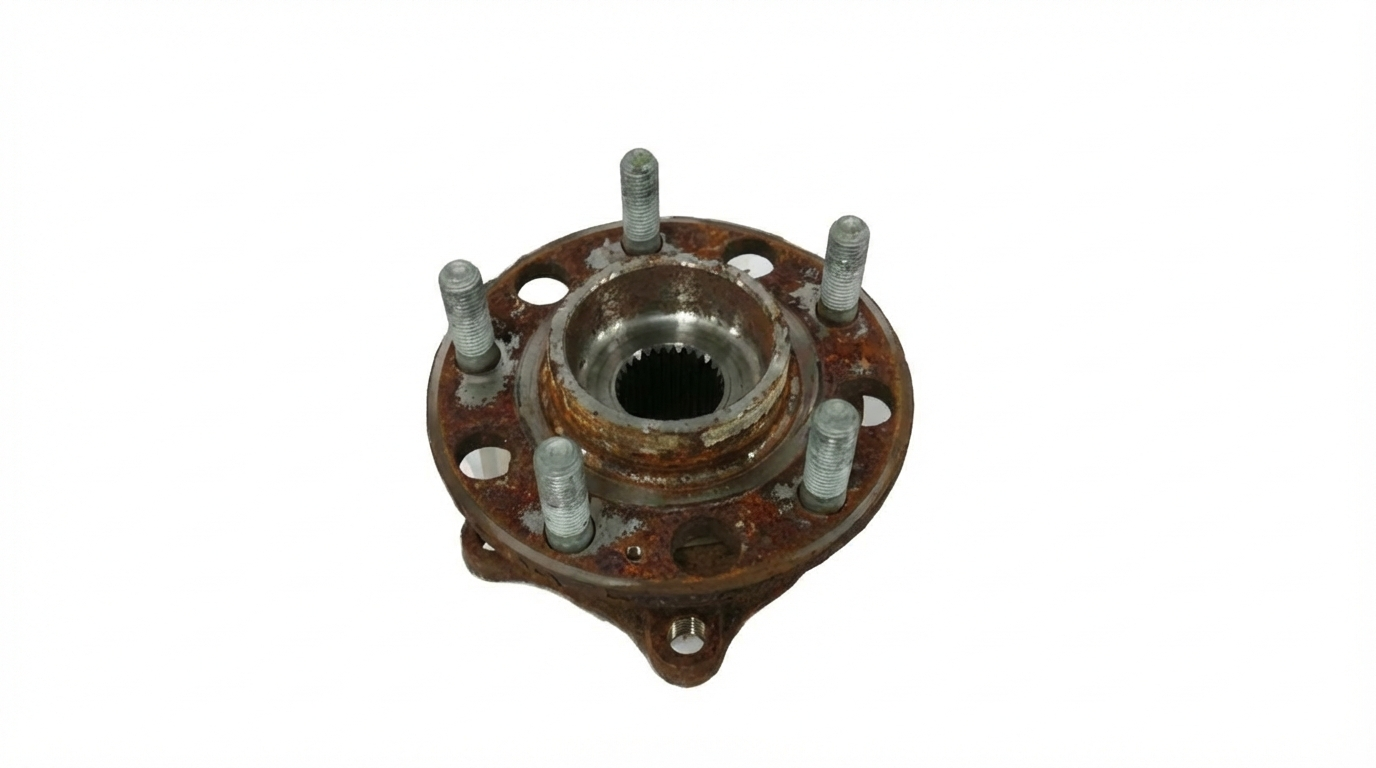
Used OEM Parts in Stock


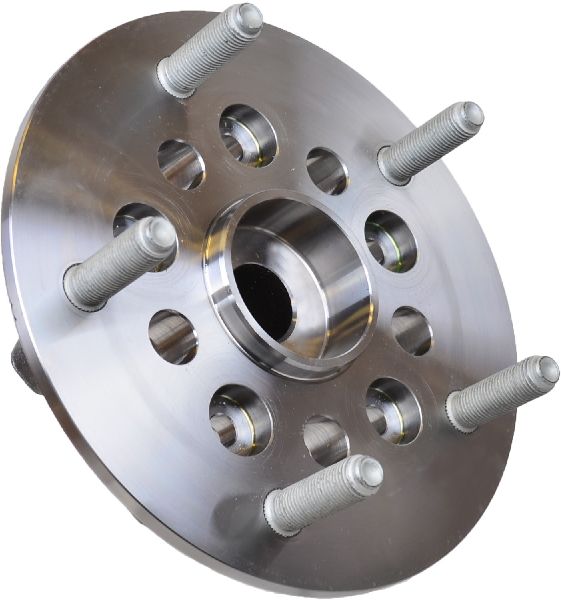
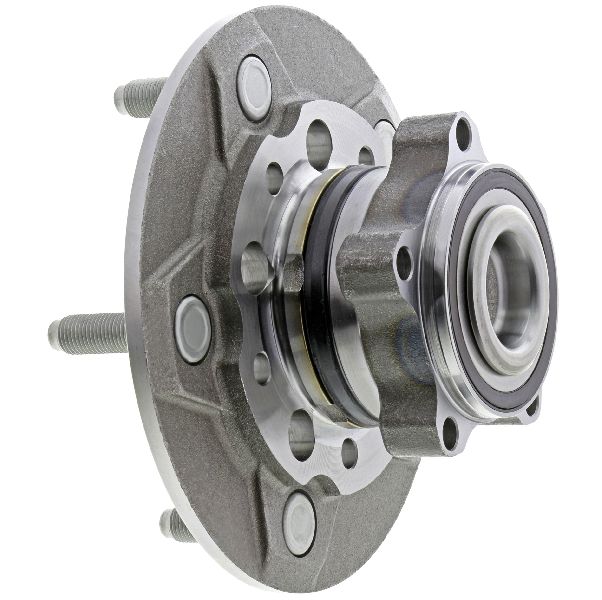
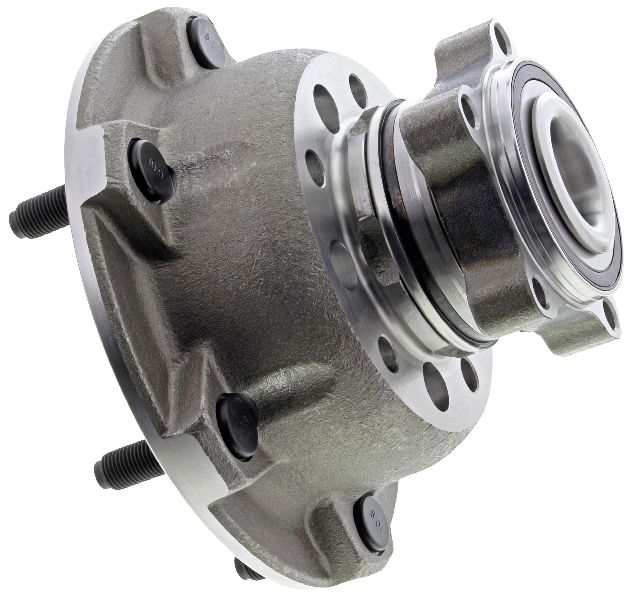
New Aftermarket Parts Available



The information in this article is provided for general reference and educational purposes only. Vehicle specifications, procedures, and part compatibility can vary by production date, trim level, and region. Always consult your vehicle's factory service manual and verify part numbers before purchasing or performing repairs. Safety-critical components such as airbags, seat belts, and braking systems should be installed by a qualified professional.
- Ford TRANSIT:
- 🎬 Helpful Videos
- 🛍️ Shop This Part
- What's Unique About the 2015-2019 Ford TRANSIT
- Diagnostic Flowchart
- Symptoms You May Notice
- Most Likely Causes
- Rare But Worth Checking
- Diagnosis Steps
- Parts You'll Likely Need
- Related Codes That Often Appear With This One
- Technical Service Bulletins (TSBs) & Recalls
- Platform-Specific Known Issues
- Mechanic-Grade Diagnostic Values
- Hidden / Shadow Codes Worth Checking
- Scan Tool Commands That Help
- Wiring & Ground Locations
- Real Owner Repair Stories
- OEM Part Supersession History
- 🎟️ Get 5% Off