

B3980 on 2020-2022 Cadillac XT6: Causes and Fixes for Electrical and Door Lock Issues
On a 2020-2022 Cadillac XT6, code B3980, often with intermittent door lock and other electrical problems, is most commonly caused by a water-damaged Body Control Module (BCM). The water comes from a leaking HVAC drain hose connection at the HVAC module. The fix involves replacing the corroded BCM and securing the drain hose with a zip tie per TSB 21-NA-183, costing between $700 and $1,200 at a shop.
- B3980 on a 2020-2022 XT6 is a serious electrical fault that points directly to a problem with the Body Control Module (BCM).
- The most likely cause, per GM TSB #21-NA-183, is water damage to the BCM from a leaking HVAC drain hose.
- Do not immediately replace the instrument cluster or battery; the first diagnostic step should be to inspect the BCM for water intrusion.
- This is not a DIY-friendly repair. The BCM is a critical component that requires professional diagnosis and programming upon replacement.
What's Unique About the 2020-2022 Cadillac XT6
The Cadillac XT6 and its platform mates use a complex electrical architecture. For this specific vehicle and year range, GM has identified a critical vulnerability via Technical Service Bulletin #21-NA-183. The HVAC drain hose can leak water at its connection point to the HVAC module, dripping directly onto the Body Control Module (BCM). This water intrusion causes corrosion and leads to a cascade of electrical failures, including code B3980. While other GM vehicles may set this code due to software glitches, the primary suspect on the XT6 is physical water damage to the BCM.
Diagnostic Flowchart
Tap your situation to follow the diagnostic path that matches what you're seeing on this vehicle.
Symptoms You May Notice
- Intermittent or completely inoperative door locks
- Unwanted horn or hazard flasher activation
- Various warning lamps illuminated on the instrument panel
- Immobilizer or 'No Start' messages
- Radio or infotainment screen is blank or malfunctioning
- HVAC controls are inoperative
- No audible click when using turn signals
- "BCM Loss of Communication" message on the Driver Information Center (DIC)
- Replacing the Instrument Panel Cluster. The code description mentions the cluster, but the fault is almost never with the cluster itself. The BCM is simply reporting that it did not receive the cluster's signal correctly.
- Replacing the battery without addressing an underlying BCM fault. While a bad battery can cause this code, if the BCM is already damaged by water, a new battery will not solve the problem for long.
- Only cleaning the BCM connectors. If water has entered the BCM, the corrosion is likely on the internal circuit board, and external cleaning will not be sufficient. The module itself must be replaced.
Most Likely Causes
- Water Intrusion Corroding the Body Control Module (BCM) 🔴 High Probability As documented in TSB #21-NA-183, the HVAC drain hose can leak at the connection to the HVAC module. This allows condensation to drip directly onto the BCM and its connectors, causing corrosion on the circuit board.
How to confirm: Physically inspect the BCM, located behind the right front floor console extension panel, for water stains or corrosion. If no water is immediately visible, run the engine with the A/C on maximum speed to see if a leak appears at the hose connection. For definitive proof, the TSB suggests removing the BCM, opening its case, and inspecting the internal circuit board for green or white corrosion.
Typical fix: Replace the corroded Body Control Module. The HVAC drain hose must be inspected, cleared of any blockage, and secured to the HVAC module outlet with a zip tie just below the locking nib to prevent future leaks, as per TSB 21-NA-183. The new BCM will require programming by a dealer or qualified shop using GM's SPS2 software.
Est. part cost: $350-$600 - Body Control Module (BCM) Software Glitch 🟡 Medium Probability Modern vehicle modules can enter a logic-lock state, often after a low voltage event like a weak battery or a jump-start. This can cause communication errors without any physical damage.
How to confirm: If no water damage is found after a thorough inspection per TSB 21-NA-183, a technician would use a GM-specific scan tool to attempt to reprogram the BCM with the latest software calibration.
Typical fix: Reprogram the BCM. In some cases, a 'hard reset' by disconnecting the battery for several minutes may temporarily resolve the issue, but reprogramming is the official fix for a software-related fault.
Est. part cost: $0 - Failing or Weak Battery ⚪ Low Probability GM's Global B electrical architecture is highly sensitive to voltage. A weak battery providing less than 12.4 volts at rest can cause modules to fail their startup sequences and lose communication with each other, sometimes generating overvoltage errors in the process.
How to confirm: Test the battery's voltage and cranking amps with a professional battery tester. The issue often appears immediately after a jump-start or if the vehicle has been sitting for a long time.
Typical fix: Replace the vehicle's 12V battery and clear all stored trouble codes. If issues persist, the underlying cause may have been a BCM damaged by the voltage event.
Est. part cost: $200-$350
Diagnosis Steps
- Scan all vehicle modules for DTCs. Note all B-codes and U-codes present, especially B3125, B3130, B3135, and B3979.
- Follow TSB #21-NA-183: Remove the right front floor console extension panel.
- Carefully inspect the BCM, its wiring connectors, and the surrounding area for any signs of water, moisture, or corrosion. Use a bright flashlight.
- If no water is found, start the vehicle, turn the A/C to its lowest temperature and maximum blower speed, and let it run to see if water begins to leak from the HVAC drain hose connection onto the BCM area.
- If a leak is confirmed, inspect the full length of the drain hose for kinks or blockages. If clear, the leak is at the connection point.
- If corrosion is evident on the BCM or water was present, the BCM must be replaced. The TSB advises opening the BCM case to confirm internal corrosion if external signs are subtle.
- If no water damage is found, check the vehicle's battery state of health and charging system performance. Voltage should be stable and above 12.4V at rest.
- As a final step if no physical damage is found, attempt to reprogram the BCM with the latest software using a GM-compatible scan tool and SPS2 software.
Parts You'll Likely Need
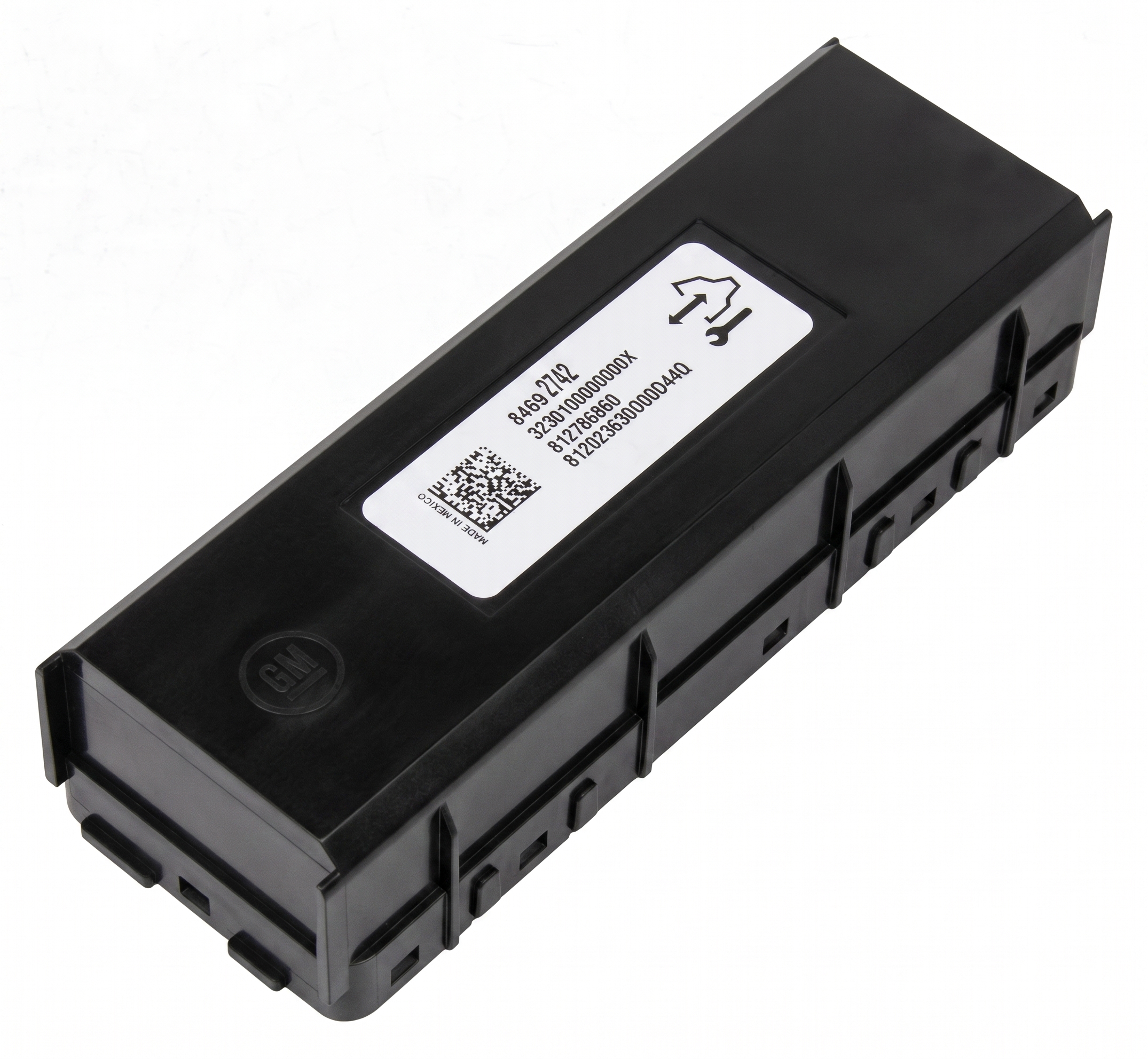
- Body Control Module (BCM) — This module is the most common point of failure for this code on the XT6, typically due to water damage from a leaking HVAC drain hose as specified in TSB 21-NA-183. Part numbers vary by VIN and options; TSB 21-NA-183 advises using the GM Electronic Parts Catalog (EPC) to determine the proper part to order.
Trusted brands: ACDelco (GM Genuine Parts)
OEM price range: $350-$600
Aftermarket price range: $250-$450 - Zip Tie — A simple plastic zip tie is the official tool specified in TSB 21-NA-183 to secure the HVAC drain hose to the module outlet, preventing the leak from recurring.
OEM price range: <$1
Aftermarket price range: <$1
Related Codes That Often Appear With This One
- B3125, B3130, B3135 — These are specific codes for door lock/latch circuits, which are controlled by the BCM. TSB 21-NA-183 explicitly lists them as accompanying B3980 when water damage is the cause.
- B3979 — This is another 'Incorrect Environmental Identifier' code, but for the HVAC module. It is also listed in TSB 21-NA-183 and points to the same type of network communication failure originating from the damaged BCM.
- U0140 — This code means 'Lost Communication With Body Control Module'. It is frequently set in other modules when the BCM itself is malfunctioning and offline due to water damage or internal failure.
Technical Service Bulletins (TSBs) & Recalls
- 21-NA-183: Addresses a condition of intermittent inoperative door locks, various DTCs including B3980, and other electrical issues caused by water leaking from the HVAC drain hose onto the BCM. It provides the full diagnostic procedure and specifies the repair of securing the hose with a zip tie. It applies to the XT6, XT5, Enclave, Traverse, Blazer, and Acadia.
Platform-Specific Known Issues
- TSB #21-NA-183 specifically identifies a design vulnerability where the HVAC drain hose can leak at the module connection, causing water to damage the BCM, which is the primary cause for this set of symptoms on the XT6 and its platform mates.
- Broader water leak issues are common on this GM platform. A class-action lawsuit investigation notes frequent complaints of water intrusion from clogged sunroof drains and poor body sealing, which can damage various interior electronics. While the B3980 code is tied to the HVAC drain, other leaks can cause similar electrical chaos.
Mechanic-Grade Diagnostic Values
- BCM Power Input Pins — expected: Battery Positive Voltage (~12.6V KOEO) at pins 2 and 3 of connector X3 (Red/White wires).. Failure: Voltage below 12.0V or no voltage indicates a power supply issue to the BCM.
- BCM Ground Pins — expected: < 5 ohms of resistance to chassis ground at pins 1 and 5 of connector X3 (Black/White wires).. Failure: High resistance indicates a poor ground connection, a common cause of intermittent electrical issues.
- High Speed GMLAN Network Pins — expected: Approximately 60 ohms of resistance between Pin 8 (Tan/Black) and Pin 9 (Tan) of BCM connector X3 with the battery disconnected.. Failure: Resistance of 120 ohms indicates one of the two terminating resistors is offline; 0 ohms indicates a short circuit on the data lines.
Hidden / Shadow Codes Worth Checking
- B3980 5A: The symptom byte '5A' translates to 'No Environment Identifier Received'. This is more specific than the general code, indicating the BCM did not receive the security handshake from the instrument cluster at all, rather than receiving an incorrect one. This is common when the BCM is water-damaged and failing to power up or communicate correctly. (see via A professional GM-specific scan tool like a device running GDS2 (Global Diagnostic System 2) can display DTCs with their associated symptom bytes.)
Scan Tool Commands That Help
- GDS2 (or equivalent J2534 tool with SPS2 subscription): BCM Programming — This is required after physically replacing the BCM. The new module is blank and must be programmed with the vehicle's VIN and specific RPO configuration using GM's Service Programming System (SPS2).
- GDS2 (or equivalent J2534 tool): Setup SDM Primary Key in BCM — After BCM replacement and programming, an airbag light may be on with code B1001. This function re-establishes the security link between the new BCM and the existing Sensing and Diagnostic Module (SDM, or airbag module) to clear the fault.
- N/A - Manual Procedure: 30-Minute Security Relearn Procedure — After BCM programming, the vehicle's anti-theft system must relearn the key transponder data. This involves a sequence of 10-minute key-on cycles to synchronize the new BCM with the existing keys.
Wiring & Ground Locations
- BCM Connector X3 — This is one of the main connectors on the Body Control Module, located behind the right front floor console extension panel.. This connector carries the primary power, ground, and high-speed communication lines for the BCM. Water dripping from the HVAC drain hose often contaminates this specific connector, causing corrosion on pins 1, 2, 3, 5, 8, and 9, leading to power loss or communication failure.
- Ground GD233 — Located at the base of the left-hand A-pillar, near the cowl side.. This is a primary ground point for multiple interior components, including potentially the BCM. While the BCM has dedicated grounds in its harness, a corroded or loose main body ground in this area can cause difficult-to-diagnose, intermittent electrical faults that mimic BCM failure.
Real Owner Repair Stories
- YouTube Channel 'Car Wizard' (2018 Chevrolet Traverse (platform mate to XT6)) — Water was physically dripping on the driver from the overhead console area during rain.
❌ Tried (didn't work) The owner did not attempt any repairs before bringing it to the shop.
✅ What actually fixed it The sunroof drains were found to be clogged with debris. The technician cleared the drains using compressed air, which restored proper water drainage and stopped the interior leak. While not the HVAC drain, this highlights the platform's general susceptibility to water intrusion from clogged drains. - Reddit user post in r/MechanicAdvice (2021 Chevrolet Traverse) — A severe water leak inside the car, dripping from around the visors and OnStar buttons, bad enough to require pulling over while driving.
❌ Tried (didn't work) Dealer replaced the sunroof body under warranty., Dealer cleaned clogged sunroof drains on two separate occasions, but the leak returned within two weeks.
✅ What actually fixed it The final resolution was not posted by the owner, but the story highlights a critical failure pattern: repeated drain cleaning did not solve the problem, suggesting a more complex issue such as a disconnected drain tube, a crack in the sunroof frame itself, or a misaligned seal, which are common issues on this platform.
Helpful Videos
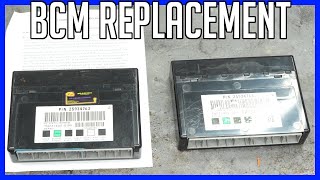
We Have This Part in Stock



The information in this article is provided for general reference and educational purposes only. Vehicle specifications, procedures, and part compatibility can vary by production date, trim level, and region. Always consult your vehicle's factory service manual and verify part numbers before purchasing or performing repairs. Safety-critical components such as airbags, seat belts, and braking systems should be installed by a qualified professional.
- Cadillac XT6:
- 🎬 Helpful Videos
- 🛍️ Shop This Part
- What's Unique About the 2020-2022 Cadillac XT6
- Diagnostic Flowchart
- Symptoms You May Notice
- Most Likely Causes
- Diagnosis Steps
- Parts You'll Likely Need
- Related Codes That Often Appear With This One
- Technical Service Bulletins (TSBs) & Recalls
- Platform-Specific Known Issues
- Mechanic-Grade Diagnostic Values
- Hidden / Shadow Codes Worth Checking
- Scan Tool Commands That Help
- Wiring & Ground Locations
- Real Owner Repair Stories
- 🎟️ Get 5% Off