

B3935 on 2007-2010 Saturn Outlook: Understanding and Fixing Transponder Authentication Errors
Code B3935 on a Saturn Outlook means the vehicle's anti-theft system can't authenticate the ignition key, causing a no-start or start-and-stall condition. The most common cause is radio frequency (RF) interference from other devices on your keychain. Before replacing parts, try starting the car with the ignition key isolated from other fobs or RFID cards.
- B3935 is a security code indicating a key authentication failure, which will prevent your Outlook from starting.
- The most probable and cheapest fix is to remove other electronic fobs or cards from your keychain, as they can interfere with the key's signal.
- If isolating the key doesn't work, try a spare key to determine if your primary key has failed.
- Do not replace the starter, battery, or ignition switch before properly diagnosing this security system code.
- If a new key is needed, it must be programmed to your vehicle by a dealer or an automotive locksmith.
What's Unique About the 2007-2010 Saturn OUTLOOK
The Saturn Outlook is part of the GM Lambda platform, which also includes the 2007-2017 GMC Acadia, 2008-2017 Buick Enclave, and 2009-2017 Chevrolet Traverse. This platform is known to be sensitive to Radio Frequency (RF) interference, which can disrupt the 125 kHz communication between the ignition key and the vehicle's immobilizer system. Manufacturer Technical Service Bulletins (TSBs) specifically advise checking for RF-emitting devices on the owner's keychain as a primary diagnostic step before replacing any parts for this code.
Diagnostic Flowchart
Tap your situation to follow the diagnostic path that matches what you're seeing on this vehicle.
Symptoms You May Notice
- No-crank, no-start condition.
- Engine starts and immediately stalls.
- Security indicator light is illuminated or flashing on the dashboard.
- Message on Driver Information Center (DIC) like "Service Theft Deterrent System".
- Replacing the battery without testing it first.
- Replacing the starter motor without confirming it's receiving a signal.
- Replacing the ignition switch without diagnosing the security system.
Most Likely Causes
- Radio Frequency (RF) Interference 🔴 High Probability As noted in multiple TSBs for this platform (PIC5650 series), the immobilizer system is sensitive to external radio signals from devices like other vehicle key fobs, office access cards, toll passes, or even some retail security tags kept on the same keychain. These devices can 'jam' the signal from the correct key.
How to confirm: Remove all other keys, fobs, and RFID cards from the keychain. Try starting the vehicle with only the Saturn key present. If the vehicle starts, RF interference was the cause. This is the first step recommended by GM.
Typical fix: Keep other RF-emitting devices separate from the ignition key when starting the vehicle. Do not store them in the same console tray or pocket.
Est. part cost: $0 - Defective Ignition Key Transponder 🟡 Medium Probability The internal transponder chip or coil in the key head can fail from being dropped, from water damage, or from age, preventing it from communicating correctly with the vehicle.
How to confirm: Attempt to start the vehicle with a known-good spare key. If the spare key works consistently, the original key is faulty. This is the second diagnostic step after ruling out RF interference.
Typical fix: Replace the faulty key. A new key will need to be cut and programmed to the vehicle by a dealer or an automotive locksmith with the proper tools.
Est. part cost: $70-$200 - Faulty Theft Deterrent Module (TDM) or Exciter Ring Antenna ⚪ Low Probability While less common, the module that reads the key (often located on the steering column around the ignition cylinder) or its connecting wires can fail. Damage to the wiring during other steering column repairs is a possible cause.
How to confirm: If multiple known-good keys fail to start the vehicle and RF interference is ruled out, the TDM circuit requires professional diagnosis. A scan tool can check for communication between the TDM and BCM. If a replacement key also sets code B3935, the TDM is the likely culprit.
Typical fix: Replacement of the Theft Deterrent Module/antenna and subsequent programming with a tool like a Tech2.
Est. part cost: $100-$300
Rare But Worth Checking
- Body Control Module (BCM) Software Glitch or Failure: On some other GM vehicles, a similar issue with B3935 was addressed with a BCM software update (TSB PI1180A). While not specific to the Outlook, it's a possibility if all other hardware checks out. Water intrusion into the cabin fuse block area, a known issue on Lambda platform vehicles, can also damage the BCM and cause a host of electrical issues, including no-start conditions.
- Poor Wiring Connections or Ground Issues: A user on a Chevy HHR forum noted that using improper butt-splice connectors instead of soldering wires for the PassKey circuit can introduce resistance and cause system failure. A poor ground for the BCM or related modules can also cause intermittent no-start conditions on the Lambda platform.
Diagnosis Steps
- Check the dashboard for an illuminated or flashing security light. This confirms an anti-theft issue.
- Remove ALL other keys, fobs, and RFID cards from the keychain. Isolate the Saturn key and attempt to start the vehicle. This is the most critical first step.
- If the vehicle still won't start, try using a spare key if one is available. If the spare works, the primary key is bad.
- Inspect the ignition key for any physical damage to the head, which could indicate a damaged internal transponder.
- If the issue persists, use an OBD-II scanner capable of reading Body (B) codes to confirm B3935 is active and check for other related codes like B3055 or B3060.
- If no key works and RF interference is ruled out, the vehicle will require professional diagnosis to inspect the wiring and function of the Theft Deterrent Module (TDM) and Body Control Module (BCM).
- Check for signs of water intrusion near the passenger-side fuse block/BCM area, a known issue on these vehicles that can cause various electrical faults.
Parts You'll Likely Need
- Transponder Ignition Key
(OEM #23372322)— This is the most likely part to have failed if RF interference is not the cause. The internal Philips ID 46 transponder chip can go bad, requiring a new key to be cut and programmed. 🎬 Watch: Program your transponder key without using special tools.
Trusted brands: ACDelco, GM Genuine
OEM price range: $120-$200
Aftermarket price range: $70-$120 - Theft Deterrent Module
(OEM #22756010)— If multiple keys fail and RF interference is ruled out, the TDM (also called the exciter ring or immobilizer module) may have failed. This part reads the key chip. It requires programming after installation.
Trusted brands: ACDelco, GM Genuine
OEM price range: $100-$150
Aftermarket price range: $80-$120
Related Codes That Often Appear With This One
- B3055 — This code relates to a 'No Transponder Key' or 'Key Problem,' often set alongside B3935 when the security module has issues reading the key.
- B3060 — This code indicates an 'Unprogrammed Transponder Key,' which can also be triggered by interference or a failing key that causes communication errors.
Technical Service Bulletins (TSBs) & Recalls
- PIC5650M: Mentions B3935 in a list of DTCs related to intermittent no-start/stall security concerns.
- PIC5650L: Warns against replacing parts for B3935 before checking for RF interference from devices on the customer's keychain.
- PIC5650B/C/K: Superseding versions of the TSB that expand the list of vehicles and provide extensive lists of potential RFI sources, including other car keys, toll passes, building access cards, and even aftermarket LED lighting and phone chargers.
- PI1180A: A TSB for some later model GM trucks/SUVs that addresses DTC B3935 with a BCM software update, indicating a potential software cause in some cases.
Platform-Specific Known Issues
- A GM Technical Service Bulletin (PIC5650M) directly links B3935 with intermittent no-crank, no-start, or start/stall conditions accompanied by the security light on 2007-2010 Saturn Outlooks.
- Another TSB (PIC5650L) for this platform explicitly warns technicians *not* to replace parts for this code until they have asked the customer about the use of Radio Frequency Identification (RFID) devices on their keychain, as this is a known cause of interference.
- Owners on forums for platform-mates like the Chevy Traverse have reported intermittent no-start conditions caused by water leaks from clogged sunroof drains or poorly sealed windshields, which drips onto the BCM and passenger-side fuse block, causing corrosion and widespread electrical issues.
Scan Tool Commands That Help
- GM Tech2 / Tech2Win: VIN Relearn (for Radio) — While primarily for radio theft-lock, issues with the Class 2 data bus that cause radio communication problems can sometimes be related to broader module communication faults. Running this function can sometimes help reset communication pathways.
- GM Tech2 / Tech2Win: Reset Immobilizer — Used after replacing a component of the immobilizer system. It requires entering the vehicle's security code to reset the module's learned data.
- GM Tech2 / Tech2Win: Reset Engine Control Module — This function can be used to clear learned values and reset the ECM after related security system repairs.
- GM Tech2 / GDS2: Service Programming System (SPS) — Used to program a new Theft Deterrent Module (TDM) or Body Control Module (BCM). This requires a connection to GM's TIS2Web service to download the correct calibration files for the vehicle's VIN.
Wiring & Ground Locations
- Body Control Module (BCM) — Located under the dash on the passenger's side of the vehicle.. The BCM is a central component of the Passkey III+ system, communicating with the TDM and ECM. Water intrusion from a clogged sunroof drain or leaking windshield can damage the BCM, leading to B3935 and other electrical faults. A GM bulletin warns that the BCM can be damaged if its ground path is removed while it still has power.
- Theft Deterrent Module (TDM) Connector — Part of the steering column assembly, typically around the ignition lock cylinder. It is a 5-terminal female connector, often black.. This is the direct connection to the exciter coil that reads the key. Checking for power, ground, and data signals at this connector is a key diagnostic step when a scan tool points to a TDM failure.
- BCM Ground Path — On the 2007-2010 Saturn Outlook, the BCM ground path passes through the left instrument panel junction block.. A poor connection at this junction block can cause intermittent BCM operation, leading to a variety of faults including security system errors. Per GM TSB 07-08-47-004D, the negative battery cable MUST be disconnected before servicing this junction block to avoid damaging the BCM.
Real Owner Repair Stories
- Camaro5 Chevy Camaro Forum / Camaro ZL1, SS and V6 Forums (2012 Chevrolet Camaro SS (Note: Different vehicle but uses a similar Passkey III+ system)) — No-crank, "Service Theft Deterrent System" message on dash.
❌ Tried (didn't work) Disconnecting and reconnecting the battery.
✅ What actually fixed it A scan tool confirmed code B3935. The owner had a new, inexpensive standard key cut by a locksmith. They then performed the 30-minute key relearn procedure (Key ON for 10 min until security light goes out, repeat 3 times). This successfully programmed the new key and the car started.
OEM Part Supersession History
10357528, 15934123, 25964111→22756010— Standard part consolidation and revision over the model years.
Heads up: Part 22756010 is the current replacement for the Theft Deterrent Module on the 2007-2010 Saturn Outlook and its platform mates. The older numbers have been superseded by this part.
Helpful Videos
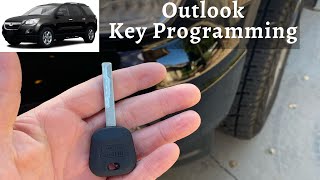
Used OEM Parts in Stock


New Aftermarket Parts Available

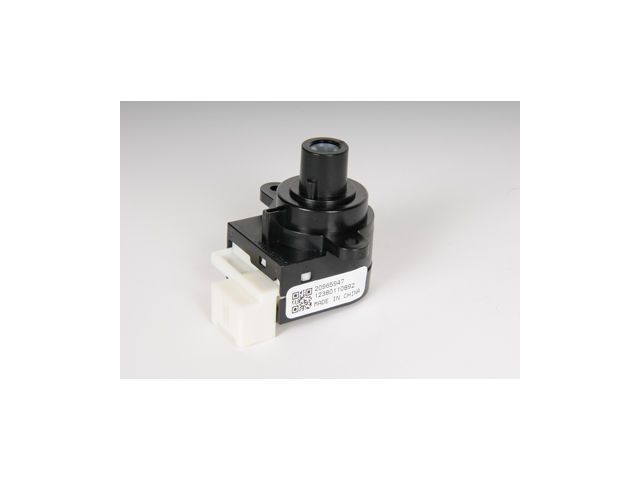

The information in this article is provided for general reference and educational purposes only. Vehicle specifications, procedures, and part compatibility can vary by production date, trim level, and region. Always consult your vehicle's factory service manual and verify part numbers before purchasing or performing repairs. Safety-critical components such as airbags, seat belts, and braking systems should be installed by a qualified professional.
- Saturn OUTLOOK:
- 🎬 Helpful Videos
- 🛍️ Shop This Part
- What's Unique About the 2007-2010 Saturn OUTLOOK
- Diagnostic Flowchart
- Symptoms You May Notice
- Most Likely Causes
- Rare But Worth Checking
- Diagnosis Steps
- Parts You'll Likely Need
- Related Codes That Often Appear With This One
- Technical Service Bulletins (TSBs) & Recalls
- Platform-Specific Known Issues
- Scan Tool Commands That Help
- Wiring & Ground Locations
- Real Owner Repair Stories
- OEM Part Supersession History
- 🎟️ Get 5% Off