

B3935 on 2007-2011 GMC Yukon Denali: Understanding and Fixing the Security System Fault
Code B3935 on a 2007-2011 GMC Yukon Denali means the vehicle's security system failed to authenticate the ignition key. This often causes a no-start and illuminates the security light. Before replacing parts, remove any RFID-blocking wallets or other keys from the keychain, as external radio frequency interference is a very common cause.
- B3935 means your Yukon's security system doesn't recognize your key, preventing the truck from starting.
- The most common cause is not a broken part, but radio frequency (RF) interference. Remove everything else from your keychain and try again.
- If RF interference isn't the issue, try a spare key. If the spare works, your original key is bad and needs to be replaced and programmed.
- Do not replace expensive modules like the BCM or starter until you have ruled out RF interference and faulty keys, as advised by GM's own service bulletins.
- A 'Key Relearn Procedure' (leaving the key 'ON' for 10-30 minutes) can sometimes resolve the issue temporarily or resynchronize the system.
What's Unique About the 2007-2011 Gmc YUKON DENALI
The GMT900 platform, which includes this generation of Yukon Denali, is known to be particularly sensitive to Radio Frequency (RF) interference. General Motors has issued multiple Technical Service Bulletins (TSBs), most notably PIC5650J, warning technicians that devices like RFID-blocking wallets, other vehicle key fobs, or even some aftermarket electronic devices like phone chargers or LED lights can disrupt the 125 kHz key authentication process, leading to a B3935 code. The official advice is to exhaustively rule out this external interference before replacing any components.
Diagnostic Flowchart
Tap your situation to follow the diagnostic path that matches what you're seeing on this vehicle.
Symptoms You May Notice
- Engine will not crank or start
- Engine starts briefly and then immediately stalls
- Flashing or solid 'Security' light on the instrument cluster
- Message on the Driver Information Center (DIC) like 'Service Theft Deterrent System'
- Replacing the starter motor
- Replacing the battery (though a low battery can cause various electrical issues, it's not the root cause of a B3935)
- Replacing the Body Control Module (BCM) without ruling out RF interference or a bad key first, as warned against in TSB PIC5650J.
Most Likely Causes
- Radio Frequency (RF) Interference 🔴 High Probability As noted in GM TSBs PIC5650J and PIE0232, the immobilizer system on this platform is sensitive to external radio signals operating near its 125 kHz frequency. Common culprits include other keys on the same ring, building access cards, aftermarket phone chargers, and even some LED interior lights.
How to confirm: Remove all other keys, fobs, and RFID-blocking items from the key ring. Try starting the vehicle with just the single Yukon key. If it starts, RF interference was the cause. If the issue is intermittent, ask the owner what other devices are in the car when the fault occurs (e.g., a specific phone charger).
Typical fix: Keep other RF-emitting devices away from the ignition key when starting the vehicle. Advise the owner to separate their car key from other fobs and access cards.
Est. part cost: $0 - Damaged or Worn Ignition Key 🟡 Medium Probability The transponder chip embedded in the key head can be damaged from being dropped or from normal wear and tear, causing it to fail to respond correctly to the TDM's challenge.
How to confirm: Try starting the vehicle with a spare, known-good key. If the spare key works consistently, the original key is faulty.
Typical fix: Replace the faulty key. A new key must be cut and programmed to the vehicle by a dealer or an automotive locksmith with appropriate tools.
Est. part cost: $70-$150 - Using a Non-Programmed or Poorly Cloned Key 🟡 Medium Probability
How to confirm: This is a common issue if the problem started immediately after getting a new key made, especially from a non-specialized source. The key may be cut correctly but not have the right transponder chip or programming for the Passkey III+ system.
Typical fix: Have a new key properly programmed to the vehicle using professional equipment.
Est. part cost: $70-$150 - Faulty Ignition Lock Cylinder or Exciter Ring ⚪ Low Probability
How to confirm: If multiple known-good keys fail to start the vehicle and RF interference is ruled out, the problem may be with the antenna (exciter ring) that powers the key's transponder. This requires professional diagnosis with a scan tool to check the Theft Deterrent Module's data stream for key presence and signal strength.
Typical fix: Replacement of the ignition lock cylinder assembly, which includes the exciter ring. An example part is ACDelco D1464G. 🎬 Watch: Step-by-step ignition lock cylinder replacement guide.
Est. part cost: $100-$250
Rare But Worth Checking
- Failing Body Control Module (BCM): While rare, the BCM is the central hub for the security system. A software glitch or internal failure can cause this code. In some cases, a BCM software update is available to fix this issue, as noted in TSB PI1180A for later models which can also experience B3935. Some owners on forums have reported heat-related BCM failures causing this issue.
- Wiring Harness Damage: Damage to the wiring between the ignition lock cylinder and the Theft Deterrent Module or BCM can interrupt the signal. This is uncommon but can occur after dashboard repairs or if aftermarket electronics were installed improperly.
- Faulty Theft Deterrent Module (TDM): If a new, properly programmed key still fails to start the vehicle, and the ignition cylinder/exciter ring wiring is confirmed to be good, the TDM itself may have failed. This requires replacement and programming with a GM scan tool.
Diagnosis Steps
- Check the dashboard for a flashing or solid security light. This confirms an active anti-theft issue.
- Ensure the vehicle battery has a full charge (at least 12.4V). Low voltage can cause unpredictable errors in various electronic modules. Connect a battery charger if in doubt.
- Remove all other keys, fobs, access cards, and RFID wallets from the keychain. Isolate the Yukon key and attempt to start the vehicle.
- If the vehicle still doesn't start, try using a spare key. If the spare key works, the primary key is likely faulty.
- Inspect the ignition key for any visible cracks or damage to the plastic head where the transponder is housed.
- Attempt the '30-Minute Key Relearn Procedure': Turn the key to the 'ON' position (without starting). The security light should be on. Wait for approximately 10 minutes until the security light turns off. Turn the key off for 5-10 seconds. Repeat this cycle two more times (for a total of three 10-minute cycles). After the third cycle, turn the key off, then try to start the engine. This can sometimes resynchronize the key to the module.
- If the above steps fail, the vehicle needs to be diagnosed with a professional scan tool (like a GM Tech2) that can read BCM and Theft Deterrent Module data to check the status of the key, antenna circuit, and module communication.
Parts You'll Likely Need
- Transponder Ignition Key
(OEM #25837219)— The transponder chip inside the original key is the most common hardware failure point for this code after RF interference is ruled out.
Trusted brands: ACDelco, GM Genuine
OEM price range: $50-$90
Aftermarket price range: $20-$40 - Ignition Lock Cylinder with Exciter Ring
(OEM #D1464G (ACDelco))— If multiple keys fail and RF interference is not present, the exciter ring (antenna) that reads the key may be faulty. It is typically replaced as part of the lock cylinder assembly.
Trusted brands: ACDelco, Standard Motor Products
OEM price range: $40-$70
Aftermarket price range: $30-$50
Related Codes That Often Appear With This One
- B3055 — This code relates to a problem with the key transponder itself (Key Not Authenticated). It often appears with B3935 because if the key isn't recognized, the authentication will also fail.
- B3060 — This code indicates an issue with the transponder antenna circuit (the exciter ring). It can be set alongside B3935 if the signal from the key is not being received correctly.
- B2955 — This code indicates a security sensor data circuit malfunction. On later models, TSB PI1180A notes that B2955 and B3935 may set together due to a BCM software issue requiring an update.
Technical Service Bulletins (TSBs) & Recalls
- PIC5650M: Mentions B3935 in relation to intermittent no-crank/no-start/stall with the security light on, and points to RF interference from aftermarket devices like LED lights.
- PIC5650J: Specifically warns against replacing parts for this concern and points to Radio Frequency Identification interference as a likely cause. Lists numerous potential sources of RFI.
- PIE0232: An engineering information request to investigate the root cause of B3935 and related codes, again mentioning RF interference as a primary check.
- PI1180A: Pertains to later models but is relevant, as it shows a BCM software update can fix B3935 when set with B2955.
Platform-Specific Known Issues
- This vehicle generation is highly susceptible to Radio Frequency Interference causing a no-start and setting this code. TSB PIC5650J explicitly states not to replace parts until RF interference has been ruled out as the cause.
- A no-crank, no-start, or stall condition with the security light on is a documented issue for which GM has released several service bulletins, including PIC5650M.
- Owners on forums frequently solve this issue by simply removing other fobs or RFID cards from their keychain, confirming the platform's sensitivity.
Mechanic-Grade Diagnostic Values
- GMLAN Bus Resistance — expected: 60 Ohms (± 3 Ohms). Failure: A reading significantly lower than 60 Ohms suggests a short in the high-speed LAN circuit or a faulty terminating resistor in a module. A reading of 120 Ohms indicates an open circuit or one of the two terminating resistors is offline.
- Tech2 Live Data - 'TDM Data' Screen — expected: Parameters like 'Key State' should show 'OK' or 'Authenticated', and 'Transponder Value' should display a consistent reading when a known-good key is used.. Failure: A status of 'Invalid Key' or 'Authentication Failed' points directly to a key or exciter ring issue. No data or erratic data suggests a wiring or module problem.
Scan Tool Commands That Help
- GM Tech2: Body > Immobilizer > Special Functions > Program VIN / Program Keys — This function is required after replacing the Theft Deterrent Module (TDM) or when adding new keys to the system. It pairs the module and keys to the vehicle.
- GM Tech2: Body > Immobilizer > Special Functions > Reset Immobilizer — Used to reset the security module. This may be attempted during diagnostics if the module is suspected to be in a locked or error state, but it often requires a security code.
- GM Tech2: Body Control Module > Data Display > BCM Data — To monitor the status of inputs to the BCM, such as the ignition switch mode and battery voltage, which are critical for the immobilizer system to function correctly.
Wiring & Ground Locations
- Body Control Module (BCM) — Located inside the passenger cabin, to the left of the steering column, often integrated with or mounted near the interior fuse block.. The BCM is the power mode master and a central gateway for the security system. It communicates with the TDM and must have clean power and ground to function.
- Theft Deterrent Module (TDM) — Typically located under the driver's side dashboard, near the steering column.. This is the primary module responsible for reading the key's transponder and sending the fuel enable password to the ECM. All related wiring terminates here.
- G201 (or G218 on some diagrams) — A critical instrument panel ground located at the left end of the dash, sometimes behind the driver's side kick panel.. A poor connection at this ground point can cause a host of electrical issues, including intermittent operation of the BCM and TDM, leading to security faults.
- ECM/BCM Main Ground — Bolted to the front of the passenger side engine block, often sharing a stud with the main battery ground cable.. Corrosion or a break in the wire crimp at this location can cause intermittent loss of communication with control modules (U-codes) and trigger security system faults, especially when the engine is hot.
- Ignition Switch Harness — Connects to the ignition lock cylinder housing inside the steering column.. The wires for the exciter ring (antenna) are in this harness. Damage or poor connections here will prevent the TDM from reading the key transponder.
Real Owner Repair Stories
- Tahoe Yukon Forum (2008 Yukon Denali, 6.2L AWD) — Intermittent no-start with multiple random codes, but consistently P0700 (TCM request) and U0073 (Control Module Communication Bus Off). Truck would go into limp mode.
❌ Tried (didn't work) Upgraded 'Big 3' wiring., Replaced battery., Unplugged, cleaned, and reinstalled every control module connector., Cleaned ground under the driver's seat.
✅ What actually fixed it The main ground wire for the ECM, which bolts to the front passenger side of the engine block, was corroded and nearly broken inside the crimped terminal. The damage was hidden inside the wire loom and was not visible on initial inspection. Replacing this ground terminal resolved all issues.
OEM Part Supersession History
Unknown→D1464G (ACDelco)— Standard part lifecycle replacement for the ignition lock cylinder.
Heads up: Part D1464G is an uncoded lock cylinder kit with tumblers and springs, requiring assembly and coding by a locksmith or technician. It does not come pre-keyed.
Model Year Variations Within This Range
- 2007-2008 vs 2009-2011: The standard transmission changed mid-generation. Models from 2007-2008 were commonly equipped with the 4-speed 4L60-E automatic transmission. Starting in 2009, the 6-speed 6L80 automatic became more common. While not directly related to the B3935 code, this can affect diagnostic paths for related transmission codes (like P0700) that may appear alongside security issues.
- 2007: The 2007 model year was a transition year from the GMT800 to the GMT900 platform. Some trucks sold as 2007 models were 'Classic' body style (GMT800). The Yukon Denali was on the new GMT900 platform for 2007, but technicians should always verify the platform by looking at the headlight design (one-piece on GMT900) to ensure they are using the correct service information.
Helpful Videos
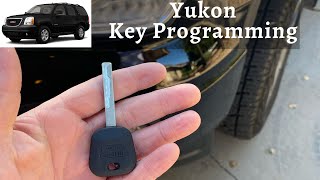
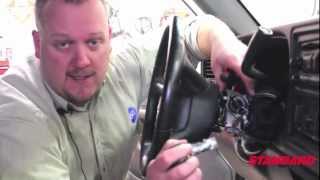
Used OEM Parts in Stock



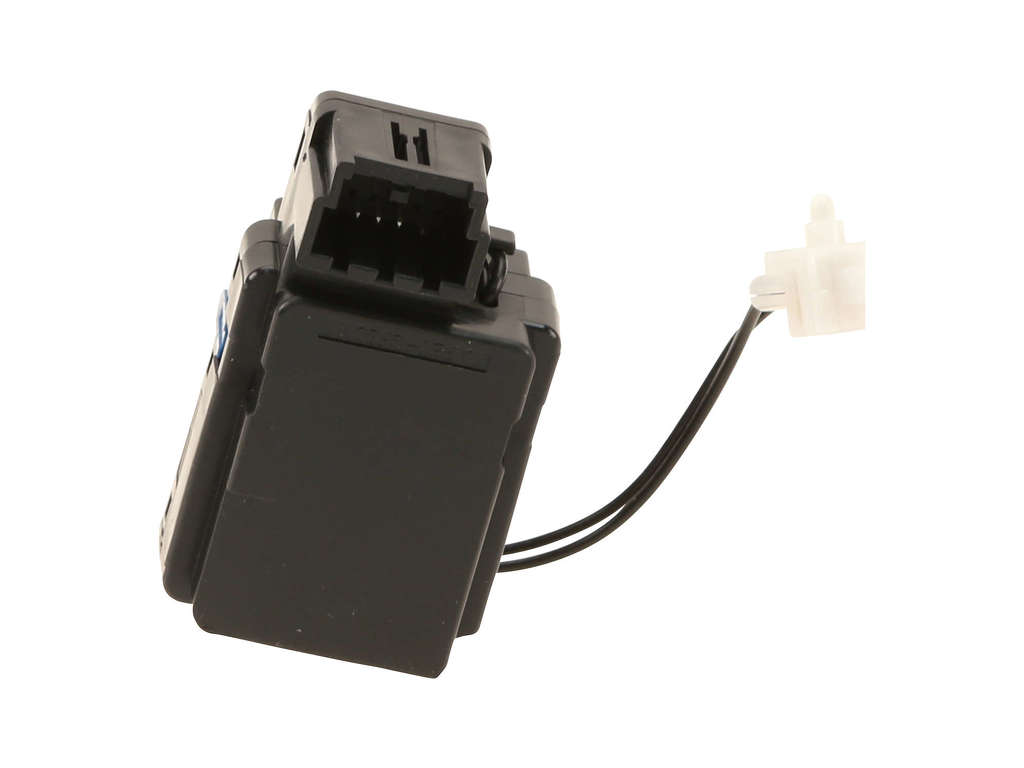
New Aftermarket Parts Available


The information in this article is provided for general reference and educational purposes only. Vehicle specifications, procedures, and part compatibility can vary by production date, trim level, and region. Always consult your vehicle's factory service manual and verify part numbers before purchasing or performing repairs. Safety-critical components such as airbags, seat belts, and braking systems should be installed by a qualified professional.
- Gmc YUKON DENALI:
- 🎬 Helpful Videos
- 🛍️ Shop This Part
- What's Unique About the 2007-2011 Gmc YUKON DENALI
- Diagnostic Flowchart
- Symptoms You May Notice
- Most Likely Causes
- Rare But Worth Checking
- Diagnosis Steps
- Parts You'll Likely Need
- Related Codes That Often Appear With This One
- Technical Service Bulletins (TSBs) & Recalls
- Platform-Specific Known Issues
- Mechanic-Grade Diagnostic Values
- Scan Tool Commands That Help
- Wiring & Ground Locations
- Real Owner Repair Stories
- OEM Part Supersession History
- Model Year Variations Within This Range
- 🎟️ Get 5% Off