

B3935 on 2017-2021 GMC Savana: No Start, Security Light Causes & Fixes
On a 2017-2021 GMC Savana, code B3935 indicates a security system problem causing a no-start or start-and-stall condition. The most common cause is radio frequency (RF) interference from other keys or access cards on your keychain. Before replacing any parts, remove all other items from your key ring and try starting the vehicle again.
- B3935 means your van's security system doesn't recognize your key.
- The most likely cause is interference from other keys or RFID cards on your keychain. Isolate the key first.
- Do NOT replace expensive parts like the starter or BCM before trying the simple fixes.
- If interference isn't the issue, try a spare key to check if your primary key is faulty.
- A security relearn procedure or a BCM software update might be needed if the key is not the problem.
What's Unique About the 2017-2021 Gmc SAVANA
For this generation of GMC Savana and its twin, the Chevrolet Express, the manufacturer has issued specific Technical Service Bulletins (TSBs) warning that B3935 is frequently caused by external factors. The most prominent issue is Radio Frequency Identification (RFID) interference from other devices on the owner's keychain. GM explicitly advises technicians *not* to replace any parts until this external interference has been ruled out, as it is a very common and often misdiagnosed cause of the no-start condition. [Bulletin #PIC5650L, 18]
Diagnostic Flowchart
Tap your situation to follow the diagnostic path that matches what you're seeing on this vehicle.
Symptoms You May Notice
- Intermittent no-crank or no-start condition. [Bulletin #PIC5650L, Bulletin #PIC5650M]
- Engine starts and then immediately stalls.
- Security indicator light is illuminated or flashing on the dashboard. [Bulletin #PIC5650L, Bulletin #PIC5650M, 1, 3]
- "Service Theft Deterrent System" message may appear on the driver information center.
- Replacing the starter motor.
- Replacing the battery.
- Replacing the ignition switch without diagnosing the security system. 🎬 See this guide on common bad ignition switch symptoms
- Replacing the Body Control Module (BCM) before ruling out RF interference, a bad key, or a needed software update.
Most Likely Causes
- Radio Frequency (RF) Interference 🔴 High Probability The vehicle's immobilizer system antenna is sensitive to other RFID signals. GM has issued multiple TSBs specifically warning about this issue. [Bulletin #PIC5650L, 18]
How to confirm: Remove the ignition key from your keychain. Ensure no other car keys, key fobs, or RFID-enabled cards (like office access cards or gas station payment cards) are near the ignition when you try to start the vehicle. If the vehicle starts reliably with the key isolated, RF interference is the cause.
Typical fix: Keep other RFID devices separate from the vehicle's ignition key.
Est. part cost: $0 - Damaged or Faulty Ignition Key 🟡 Medium Probability The transponder chip embedded in the key head can be damaged from drops or wear over time, preventing it from communicating correctly.
How to confirm: Try starting the vehicle with a known-good spare key. If the spare key works every time, the original key is faulty. A user on a Camaro forum with the same B3935 code confirmed a new key and relearn procedure fixed their no-start issue.
Typical fix: The faulty key must be replaced. A new key will need to be cut and programmed to the vehicle by a dealership or an automotive locksmith.
Est. part cost: $75-$250 - Body Control Module (BCM) Software Glitch ⚪ Low Probability A specific software issue can cause the BCM to incorrectly read the immobilizer information, leading to a no-start condition.
How to confirm: This requires a professional diagnosis. If B3935 is present along with B2955, and the symptom is a 'No Click, No Crank, No Start' condition, a BCM software update may be the cause.
Typical fix: A GM dealer or qualified shop must reprogram the BCM with updated software using the Service Programming System (SPS). This service typically costs between $100 and $200.
Est. part cost: $0 (parts), $100-$200 (labor for reprogramming)
Rare But Worth Checking
- Faulty Ignition Lock Cylinder or Theft Deterrent Module (TDM): While possible, the official TSBs for this vehicle advise against replacing parts until all other causes, especially RF interference, are ruled out. [Bulletin #PIC5650L] A faulty lock cylinder or module is less common than interference or a bad key. The lock cylinder itself is a mechanical part, but it houses the exciter ring that reads the key transponder. Failure of this component can prevent the key signal from being read. Replacement lock cylinders are available from brands like Dorman and ACDelco.
Diagnosis Steps
- Check the dashboard for an illuminated or flashing 'Security' light. This confirms a theft deterrent system issue.
- Remove the ignition key from the keychain. Isolate it from all other keys, fobs, and RFID cards.
- Attempt to start the vehicle with the isolated key. If it starts, the problem is RF interference.
- If the problem persists, try starting the vehicle with a spare key. If the spare key works, the primary key is faulty.
- If neither key works and interference is ruled out, perform a 'Security Relearn Procedure'. This is often called the '30-minute relearn'. Attempt to start the engine; when it fails, leave the key in the 'ON' position (not accessory) for 10-11 minutes until the security light stops flashing or turns off. Turn the key off for 10-30 seconds. Repeat this cycle two more times for a total of three 10-minute 'ON' cycles. On the fourth attempt, the vehicle should start. 🎬 Watch: Step-by-step walkthrough of the security relearn procedure Ensure the battery is fully charged or connected to a charger during this process.
- If the relearn procedure fails, the vehicle should be scanned for codes with a professional-grade tool. If B3935 and B2955 are present, a BCM software update is likely required.
- If other codes are present or the issue remains, professional diagnosis of the ignition lock cylinder, Theft Deterrent Module, and associated wiring is necessary.
Parts You'll Likely Need
- Transponder Ignition Key
(OEM #23300334, 13520340, 13531099)— If one key fails while the spare works, the transponder chip in the primary key is damaged. This is a common point of failure after ruling out RF interference. The key uses an ID46 GM Circle + chip.
Trusted brands: ACDelco, Strattec
OEM price range: $100-$200
Aftermarket price range: $50-$120
Related Codes That Often Appear With This One
- B3055 — Also related to the vehicle immobilizer and key transponder system. Often set together with B3935. [Bulletin #PIC5650L, 18]
- B3060 — Another code indicating a problem in the theft deterrent system, specifically with the transponder key system. [Bulletin #PIC5650L, 18]
- B2955 — This code, when paired with B3935, specifically points towards a known BCM software issue that can be resolved with an update.
- B2960 — Indicates a security data mismatch with the PCM, often seen in crank-no-start situations after component replacement or a dead battery, which can trigger the relearn procedure.
Technical Service Bulletins (TSBs) & Recalls
- PIC5650L: Warns against replacing parts for B3935 and points to Radio Frequency Identification interference as a primary cause.
- PIC5650M: Also documents the intermittent no-start concern with B3935 and other security-related codes.
- PI1180A: While not for the Savana specifically, it establishes a precedent for B3935 being caused by a BCM software issue that requires reprogramming.
Platform-Specific Known Issues
- A Technical Service Bulletin (TSB #PIC5650L) for the 2017-2021 Savana explicitly states that for a no-start condition with code B3935, technicians should not replace any parts until they have asked the customer about the use of Radio Frequency Identification (RFID) devices on their keychain. [Bulletin #PIC5650L, 18]
- Another TSB (#PI1180A, for other GM models but relevant context) indicates that a specific BCM software calibration was released to fix a no-start condition where codes B3935 and B2955 are set together.
Mechanic-Grade Diagnostic Values
- Battery Voltage During Relearn — expected: >12 Volts, stable. Failure: Voltage dropping below 12V can cause the relearn procedure to fail or corrupt module programming.
Scan Tool Commands That Help
- GM GDS2 (Global Diagnostic System 2): Vehicle DTC Information — To scan all modules on the vehicle for both current and history codes, which is critical as B3935 often appears with other codes like B2955 or B3055.
- GM GDS2 (Global Diagnostic System 2): Clear All DTCs — Used after a repair to clear codes from all modules. A history code for B3935 will clear on its own after 100 malfunction-free ignition cycles.
- GM GDS2 with SPS (Service Programming System): BCM Programming and Setup — To apply updated software calibrations to the Body Control Module. This is the specific fix when B3935 is accompanied by B2955.
- GM GDS2: Data Bus Diagnostic Tool — To verify which modules are communicating on the CAN bus. This helps diagnose a no-communication issue with the TDM or BCM as a root cause for the B3935 code.
Wiring & Ground Locations
- Theft Deterrent Module (TDM) — Located in the steering column, near the ignition key cylinder housing. The transponder exciter ring is part of the TDM assembly.. This module is responsible for reading the transponder key. A failure or poor connection here is a direct cause of B3935.
- Body Control Module (BCM) — Located under the driver's side of the dashboard, often just below or to the side of the steering column.. The BCM receives security information from the TDM and communicates with the ECM to enable or disable starting. It is a central component in the theft deterrent system.
- G303 — A common ground point located behind the left (driver's side) kick panel.. Poor grounds are a frequent cause of intermittent electrical issues in vehicles. While not directly tied to B3935 in documentation, checking major BCM-area grounds like G303 is a standard diagnostic step for any body control issue.
- G103 / G102 — Engine-to-chassis grounds located on the rear of the cylinder heads. G103 is typically on the left-hand (driver's side) head.. While primarily for the engine and transmission, poor engine grounds can introduce electrical noise and voltage stability problems that can affect sensitive modules like the BCM and TDM. A TSB for other GM DTCs specifically calls out checking G103.
- JX200 — A large splice pack for multiple circuits, located in the main dash wiring harness, approximately 10-20 cm from the underhood pass-through grommet.. This splice pack connects various data lines. Corrosion or a loose connection here can interrupt communication between the TDM, BCM, and ECM, potentially triggering security codes.
Real Owner Repair Stories
- iATN (International Automotive Technicians Network) Forum (2008 Chevrolet Express 1500 5.3L) — No Start, "Service Theft Deterrent System" message on the instrument cluster. Scan tool shows B3935. Live data for the key status intermittently switches between 'present' and 'not present'.
❌ Tried (didn't work) 30-minute relearn procedure.
✅ What actually fixed it The final fix was not posted in the public summary, but the diagnostic path was pointing toward either a faulty key or a faulty Theft Deterrent Module (TDM), as the key's presence was not being reliably detected.
Helpful Videos
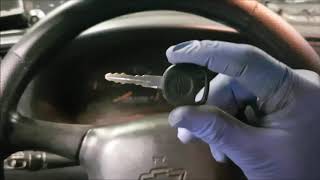
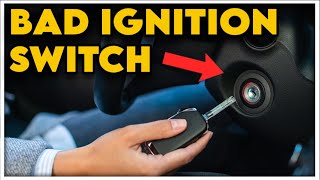
Used OEM Parts in Stock

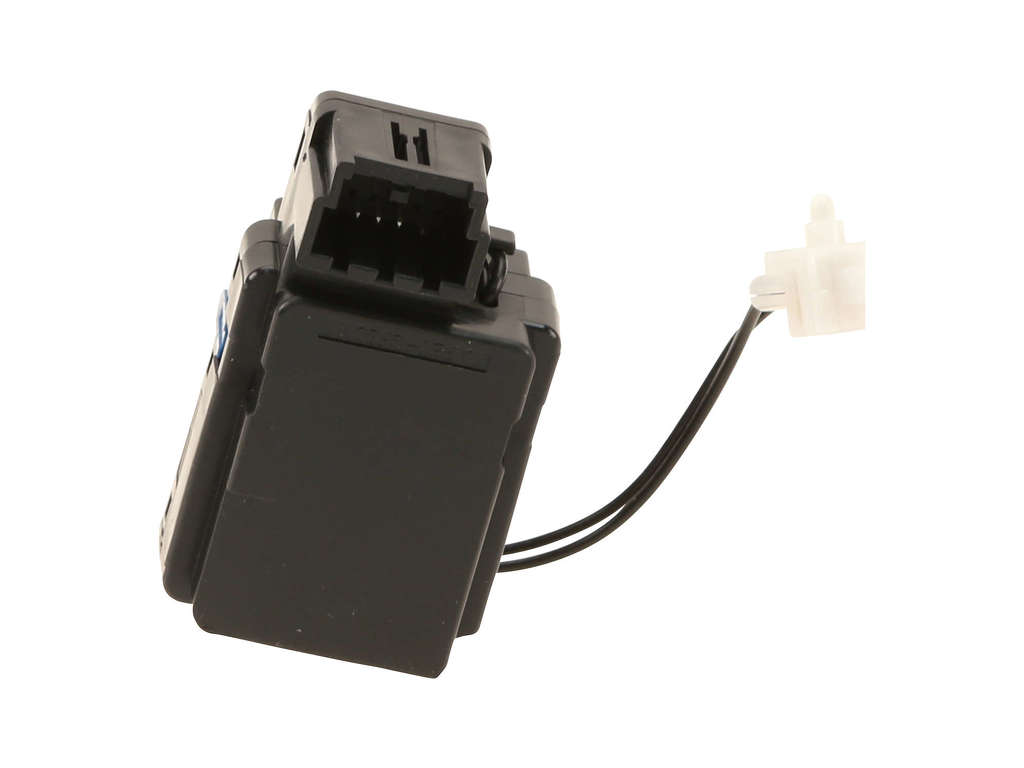
New Aftermarket Parts Available

The information in this article is provided for general reference and educational purposes only. Vehicle specifications, procedures, and part compatibility can vary by production date, trim level, and region. Always consult your vehicle's factory service manual and verify part numbers before purchasing or performing repairs. Safety-critical components such as airbags, seat belts, and braking systems should be installed by a qualified professional.
- Gmc SAVANA:
- 🎬 Helpful Videos
- 🛍️ Shop This Part
- What's Unique About the 2017-2021 Gmc SAVANA
- Diagnostic Flowchart
- Symptoms You May Notice
- Most Likely Causes
- Rare But Worth Checking
- Diagnosis Steps
- Parts You'll Likely Need
- Related Codes That Often Appear With This One
- Technical Service Bulletins (TSBs) & Recalls
- Platform-Specific Known Issues
- Mechanic-Grade Diagnostic Values
- Scan Tool Commands That Help
- Wiring & Ground Locations
- Real Owner Repair Stories
- 🎟️ Get 5% Off