

B3935 on 2012-2016 GMC Savana: Security System & No-Start Causes
Code B3935 on a GMC Savana indicates a security system problem, usually causing a no-start or start-and-stall condition. Per GM bulletins, this is often caused by radio frequency (RF) interference from other keys or devices near the ignition, not a faulty part. The first step is to remove all other items from your keychain and try again.
- B3935 means your van's security system didn't recognize your key.
- Before spending any money, try starting the vehicle with the ignition key completely isolated from any other keys, fobs, or electronics.
- If isolating the key doesn't work, try your spare key. This will determine if the problem is the key or the vehicle.
- Do not replace expensive components like the BCM without performing these simple, free diagnostic steps first, as explicitly warned in GM service bulletins.
What's Unique About the 2012-2016 Gmc SAVANA
For this generation of GMC Savana and its platform-mate, the Chevrolet Express, the manufacturer's own Technical Service Bulletins (TSBs) tell a unique story. The primary cause for B3935 is often not a failed component, but rather Radio Frequency (RF) interference. GM issued specific bulletins (like PIC5650L and its successors) advising technicians *not* to replace parts initially, but to first investigate external sources of RF interference from other keys, fobs, or electronics on the driver's keychain that can disrupt the key's signal. An engineering information bulletin (PIE0186) was also created specifically to gather data on this issue in low-mileage vehicles, further highlighting RF interference as a key area of concern for GM.
Diagnostic Flowchart
Tap your situation to follow the diagnostic path that matches what you're seeing on this vehicle.
Symptoms You May Notice
- Engine does not crank (no-crank, no-start).
- Engine starts but shuts off immediately (start-and-stall).
- The security indicator light on the dashboard is illuminated or flashing.
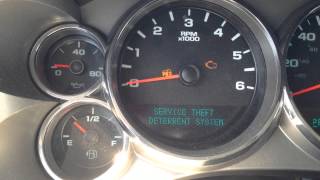
- A "Service Theft Deterrent System" message may appear on the instrument cluster.
- Replacing the Body Control Module (BCM) or ignition components before ruling out RF interference and trying a spare key. TSB #PIC5650L specifically warns against replacing parts prematurely for this code.
Most Likely Causes
- Radio Frequency (RF) Interference 🔴 High Probability As documented in GM Technical Service Bulletin #PIC5650L, the vehicle's immobilizer system can be sensitive to external radio signals from devices on the keychain or near the ignition column.
How to confirm: Remove all other keys (especially those with transponders), key fobs, and electronic access cards from the keychain. Also, move any aftermarket electronics like dash cams or phone chargers away from the ignition area. Attempt to start the vehicle with only the single Savana key. If it starts, RF interference was the cause. GM bulletins specifically ask technicians to check for this first.
Typical fix: Keep the GMC Savana ignition key isolated from other RF-emitting devices. No parts are required.
Est. part cost: $0 - Damaged or Faulty Ignition Key Transponder 🟡 Medium Probability The Philips 46 Crypto transponder chip inside the key can fail from being dropped, water damage, or age.
How to confirm: After ruling out RF interference, try starting the vehicle with a spare key. If the spare key works consistently, the primary key's transponder is faulty. A diagnostic tool may also show an invalid key reading.
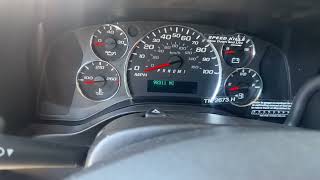
Typical fix: The faulty key must be replaced. A new key will need to be cut and programmed to the vehicle by a locksmith or dealership. 🎬 Watch: How to program GM keys and bypass theft deterrents.
Est. part cost: $50-$150
Rare But Worth Checking
- Body Control Module (BCM) Software Glitch: A GM service bulletin (PI1180A) notes that on some related models (though not the Savana specifically), a BCM software update was released to address a no-start condition with B3935 and B2955 set. This is less common but a known possibility that requires a dealer or equipped shop to resolve.
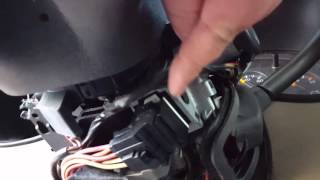
- Faulty Ignition Lock Cylinder or Exciter Ring: The exciter ring is a coil around the ignition lock that powers the key's transponder. If it fails, it cannot energize the key to get a signal. This is an uncommon hardware failure but can happen. 🎬 Watch this walkthrough on replacing the ignition lock and switch. Sometimes the lock cylinder itself wears out, causing poor contact.
- Wiring Issue: A damaged or corroded wire between the ignition lock cylinder and the Body Control Module (BCM) can interrupt the signal from the key. This can be caused by previous repairs, aftermarket accessory installation, or chafing over time.
- Faulty Theft Deterrent Module (TDM) or Body Control Module (BCM): In rare cases, the module itself can fail. This is typically the last resort after all other possibilities, including keys, wiring, and RF interference, have been eliminated. A diagnostic procedure may conclude with replacing the TDM if a new, known-good key still fails to be authenticated.
Diagnosis Steps
- Verify the symptoms: No-crank/no-start or start-and-stall with the security light on.
- Scan the BCM for codes to confirm B3935 is present. Note any other codes like B3055 or B3060.
- Perform RF Interference Test: Remove all other keys, fobs, and electronics from the keychain and near the steering column. Attempt to start the engine with the isolated Savana key. 🎬 See how to perform a 30-minute vehicle key relearn procedure. This is the first step recommended by GM.
- If the engine starts, the problem is RF interference. The diagnosis is complete. Advise the owner to keep the key separate.
- If the engine does not start, try a known-good spare key. If the spare key works, the original key is defective and needs replacement and programming.
- If neither key works and RF interference is ruled out, inspect the wiring and connector at the ignition lock cylinder for damage or looseness.
- If wiring is intact, professional diagnostics are needed. This involves using a scan tool to monitor the key data in the TDM/BCM to see if a key is being detected at all.
- If no key data is seen, the problem is likely the exciter coil/ignition lock cylinder. If invalid data is seen with multiple known-good keys, the issue may point towards the TDM/BCM itself.
- Check for applicable TSBs, like PI1180A on related models, which may suggest a BCM software reflash as a potential fix if specific code combinations are present.
Parts You'll Likely Need
- Ignition Key with Transponder
(OEM #23372322 (supercedes multiple older numbers), B111-PT blank)— This is the most likely part to have failed if RF interference is ruled out and the spare key works. The internal transponder chip (Philips 46) can fail over time.
Trusted brands: ACDelco, Strattec
OEM price range: $70-$120
Aftermarket price range: $20-$60
Related Codes That Often Appear With This One
- B3055 — This is another GM-specific code related to a problem with the ignition key transponder. It is frequently cited alongside B3935 in service bulletins and engineering investigations.
- B3060 — This code indicates a failure in the transponder system's exciter circuit, which is directly related to the key authentication process. It is often seen with B3935.
- B2955 — This code, related to the security sensor data circuit, is mentioned in TSB PI1180A for other GM trucks as occurring with B3935 when a BCM software update is the required fix.
Technical Service Bulletins (TSBs) & Recalls
- PIC5650M: Mentions B3935 in a list of codes related to no-start or stalling with the security light on.
- PIC5650L: Advises technicians not to replace parts for B3935 and to first investigate Radio Frequency Identification interference as the cause.
- PIE0186: An engineering request to gather information on vehicles with B3935, specifically asking technicians to check for RF interference before performing any repairs.
- PI1180A: While for different GM trucks (Silverado/Sierra), it shows a precedent for a BCM software update fixing B3935 when it appears with B2955.
Platform-Specific Known Issues
- GM issued Technical Service Bulletin #PIC5650L specifically for intermittent no-start conditions with code B3935. It explicitly warns that the cause is likely Radio Frequency Identification interference and that technicians should not replace any parts until this is ruled out.
- A related bulletin, #PIC5650M, confirms that B3935 is associated with a no-crank, no-start, or start-stall concern where the security light comes on.
- GM Engineering Information bulletin PIE0186 was created to investigate the root cause of B3935, B3055, and B3060 on low-mileage vehicles, showing a focus on this specific failure mode from the manufacturer.
Hidden / Shadow Codes Worth Checking
- B3935 57: Transponder Authentication Error. The '57' is a symptom byte that may be displayed on some advanced scan tools, further specifying the nature of the authentication failure. (see via GM-specific scan tools like a Tech 2 or GDS2.)
Scan Tool Commands That Help
- GDS2/Tech 2: Immobilizer/Theft Deterrent Module Setup — Used after replacing the BCM or Theft Deterrent Module to program the new module to the vehicle.
- GDS2/Tech 2: Add/Replace Keys — Used to program new or additional keys to the vehicle's immobilizer system. This is the dealership/professional method.
- GDS2/Tech 2: BCM Reprogramming (SPS) — Used to apply software updates to the Body Control Module. This is required to fix the issue described in TSB PI1180A when B3935 is present with B2955.
- None (Manual Procedure): 30-Minute Key Relearn Procedure — This procedure is used to make the vehicle learn a new key (or relearn an existing one) when a scan tool is not available, such as after replacing a key or if the system has lost memory. It involves cycling the ignition on for three consecutive 10-minute intervals.
Wiring & Ground Locations
- BCM (Body Control Module) — Located behind the lower right side of the dashboard.. The BCM houses the Theft Deterrent Module (TDM) logic for the Passkey III+ system. All related wiring for the key's exciter coil and communication with the ECM passes through the BCM connectors.
- BCM Connector X1 — This is one of the main connectors on the BCM. On a 2014 Savana, it is a 27-way light green connector.. Contains critical circuits for the anti-theft system. For example, on some similar models, Pin 4 (White wire) is the Passlock/Passkey signal wire from the ignition cylinder. Damage to this connector or its pins can directly cause B3935.
- G302 — A primary interior ground point located behind the left kick panel.. A poor ground at this location can cause a host of electrical issues, including problems with the BCM and instrument panel cluster, which could potentially lead to or mimic symptoms of a B3935 code.
- G200 / G201 — Ground points located behind the instrument panel, near the left kick panel or to the right of the cluster.. These grounds are essential for the proper function of the BCM, Instrument Panel Cluster (IPC), and Data Link Connector (DLC). A fault here can interrupt communication and power, leading to security system errors.
Real Owner Repair Stories
- Dailymotion video '30-Minute Vehicle Key Relearn' (GM Truck (specific model not stated, but procedure is for Passkey III)) — Owner broke the only key for the truck. A new key was cut by a dealership but would not start the vehicle.
❌ Tried (didn't work) One dealership insisted the truck needed to be towed in and connected to a computer for $180.
✅ What actually fixed it A different dealership provided instructions for the 30-minute manual relearn procedure. The owner performed the procedure (3 cycles of turning the key to 'ON' for 10 minutes each), which successfully programmed the new key to the truck, allowing it to start.
OEM Part Supersession History
Multiple older numbers including 15296738, 15824467, 20985619→23372322— Part consolidation and potential minor revisions by GM over the years.
Heads up: Part number 23372322 is an uncoded key blank with a transponder. It must be mechanically cut to match the vehicle's locks and then electronically programmed to the vehicle's immobilizer system using either a scan tool or the 30-minute relearn procedure.
Helpful Videos
Used OEM Parts in Stock


New Aftermarket Parts Available


The information in this article is provided for general reference and educational purposes only. Vehicle specifications, procedures, and part compatibility can vary by production date, trim level, and region. Always consult your vehicle's factory service manual and verify part numbers before purchasing or performing repairs. Safety-critical components such as airbags, seat belts, and braking systems should be installed by a qualified professional.
- Gmc SAVANA:
- 🎬 Helpful Videos
- 🛍️ Shop This Part
- What's Unique About the 2012-2016 Gmc SAVANA
- Diagnostic Flowchart
- Symptoms You May Notice
- Most Likely Causes
- Rare But Worth Checking
- Diagnosis Steps
- Parts You'll Likely Need
- Related Codes That Often Appear With This One
- Technical Service Bulletins (TSBs) & Recalls
- Platform-Specific Known Issues
- Hidden / Shadow Codes Worth Checking
- Scan Tool Commands That Help
- Wiring & Ground Locations
- Real Owner Repair Stories
- OEM Part Supersession History
- 🎟️ Get 5% Off