

B3935 on 2007-2009 GMC Envoy: Security System Fault, No-Start Causes & Fixes
Code B3935 on a 2007-2009 GMC Envoy indicates a security system problem, usually causing a no-start or stall. The most common cause is radio frequency interference (RFI) from other keys or fobs on your keychain, as highlighted in GM TSBs. The first and often only fix needed is to remove all other items from the ignition key and try starting again. If that fails, the next most likely causes are a bad key or a failing ignition lock cylinder.
- B3935 means your Envoy's security system is preventing it from starting.
- Before any repairs, remove ALL other keys, fobs, and cards from your keychain and try starting the vehicle with the ignition key by itself. This is the most common fix and costs nothing.
- If isolating the key doesn't work, try your spare key. If the spare works, your primary key needs to be replaced and programmed.
- A 30-minute 'security relearn' procedure can often resolve communication glitches without replacing any parts.
- Do not replace expensive components like the BCM or starter until RFI and a faulty key have been definitively ruled out.
What's Unique About the 2007-2009 Gmc ENVOY
For the GMC Envoy and its GMT360 platform mates (like the Chevy Trailblazer and Saab 9-7x), the Passkey III+ security system is known to be highly sensitive. General Motors issued specific Technical Service Bulletins (TSBs), including the PIC5650 series (#PIC5650L, #PIC5650M), that strongly advise against replacing any parts for this code until Radio Frequency Interference (RFI) has been completely ruled out. This is a crucial distinction, as many owners and shops might otherwise jump to replacing expensive components like the ignition cylinder or BCM, when the fix is often as simple as removing other fobs, access cards, or even low-quality USB chargers from the vicinity of the key.
Diagnostic Flowchart
Tap your situation to follow the diagnostic path that matches what you're seeing on this vehicle.
Symptoms You May Notice
- Engine will not crank, or cranks but does not start.
- Engine starts and then immediately stalls.
- Security light is illuminated or flashing on the instrument cluster.
- A 'Service Theft System' message may appear on the Driver Information Center (DIC).
- Replacing the starter motor. A starter will not engage if the security system has disabled it.
- Replacing the fuel pump. The security system disables the fuel injectors, not necessarily the pump, but a no-start is often misdiagnosed as a fuel delivery issue.
- Replacing the battery without addressing the underlying security communication issue. However, a low battery can cause module communication errors and prevent the relearn procedure from completing successfully.
Most Likely Causes
- Radio Frequency Interference (RFI) 🔴 High Probability As noted in TSBs #PIC5650L and #PIC5650M, the Passkey system in these vehicles is sensitive to external radio signals. Other keys with transponders, office access cards, toll passes, or even some aftermarket phone chargers can disrupt the 125 kHz signal from the ignition key.
How to confirm: Remove all other keys, fobs, and electronic devices from the GMC Envoy's keychain. Unplug any aftermarket devices from the 12V outlets. Attempt to start the vehicle with only the single ignition key present. If it starts reliably, RFI was the cause.
Typical fix: Keep the ignition key isolated from other electronic items. No parts replacement is necessary.
Est. part cost: $0 - Weak or Damaged Key Transponder 🟡 Medium Probability The electronic chip inside the key can be damaged from being dropped, getting wet, or simply failing over time. The battery in the fob is for remote functions and does not power the transponder chip.
How to confirm: Attempt to start the vehicle with a known-good spare key. If the spare key works every time, the primary key is faulty.
Typical fix: The faulty key must be replaced. A new key will need to be cut and electronically programmed to the vehicle by a dealer or qualified automotive locksmith.
Est. part cost: $70-$150 - Security System Communication Glitch ⚪ Low Probability The communication between the key and the vehicle's security module can sometimes be lost, especially after a battery replacement or jump-start. This can require a system reset.
How to confirm: If RFI and a bad key are ruled out, performing the security relearn procedure is the next step. If the procedure allows the vehicle to start, a temporary glitch was the cause.
Typical fix: Perform the 30-Minute Security Relearn Procedure. Turn the key to 'ON' (do not start) and wait about 10-11 minutes for the security light to stop flashing and turn off. Turn the key 'OFF' for 10 seconds. Repeat this two more times for a total of three cycles. The vehicle should learn the key and start on the next attempt.
Est. part cost: $0 - Faulty Ignition Lock Cylinder / Passlock Sensor ⚪ Low Probability The sensor (or antenna/exciter coil) within the ignition lock housing is responsible for energizing and reading the key's transponder. This component can fail electrically over time, leading to intermittent or complete failure to read the key.
How to confirm: This requires professional diagnosis. If RFI, key issues, and software glitches are ruled out, a technician will use a scan tool to check for a valid signal from the ignition lock cylinder assembly. Wiggling the key in the ignition may also cause the system to work intermittently, pointing to a worn component.
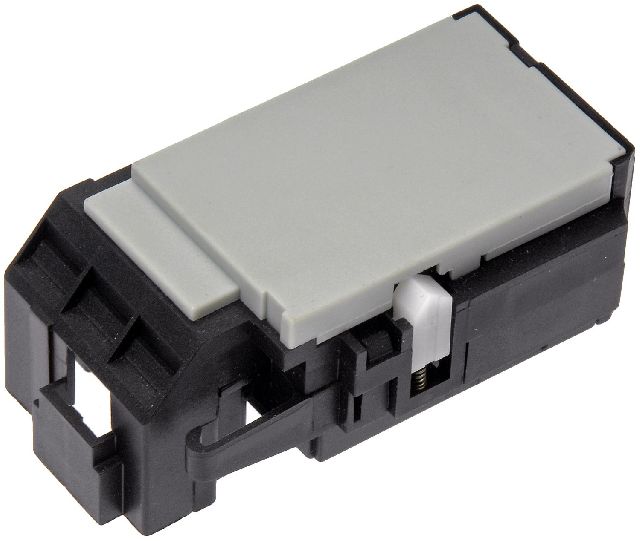
Typical fix: Replace the ignition lock cylinder housing and perform the security relearn procedure. Common aftermarket parts include Dorman 924-713.
Est. part cost: $100-$250
Rare But Worth Checking
- Failing Body Control Module (BCM): While rare, the BCM is the central computer for the security system. It can fail internally or suffer from software corruption. This should only be considered after all other more common causes have been exhaustively ruled out by a professional. A BCM failure may be accompanied by other seemingly unrelated electrical issues.
- Poor BCM Ground Connection: GM vehicles of this era can have issues with main ground connections. On the GMT360 platform, the BCM grounds are critical. A poor ground for the BCM (often located on the frame or firewall) can cause a wide range of unpredictable electrical problems, including false security codes. Technicians often check grounds like G104 (back of cylinder head) and others in the engine bay.
Diagnosis Steps
- Check for an illuminated or flashing security light on the dashboard.
- Check the vehicle's battery to ensure it has a full charge (at least 12.4 volts), as low voltage can cause module communication errors and prevent the relearn from working.
- Isolate the ignition key. Remove all other keys, fobs, and RFID cards from the keychain. Unplug any aftermarket chargers or dash cams. Attempt to start the vehicle.
- If the vehicle still won't start, try a known-good spare key. If the spare works, the original key is defective.
- If neither key works, attempt the 30-minute security relearn procedure.
- If the problem persists, use a professional scan tool to confirm code B3935 and check for other related codes like B3055 or B3060.
- Inspect wiring and connectors at the ignition lock cylinder and the Body Control Module (BCM) for any signs of damage or corrosion.
- If a hardware fault is suspected, diagnosis should proceed to testing the ignition lock cylinder/sensor circuit and BCM grounds, which is best left to a professional technician.
Parts You'll Likely Need
- Ignition Key — The transponder chip inside the key is a common failure point. If a spare key works, the original key is bad.
Trusted brands: ACDelco, Strattec
OEM price range: $100-$180
Aftermarket price range: $50-$90 - Ignition Lock Cylinder Housing
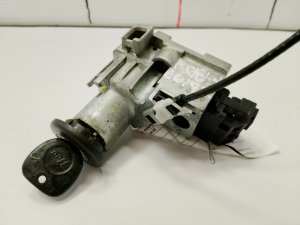
(OEM #15794826)— This part contains the Passlock sensor/antenna that reads the key. It can fail electrically, preventing the key from being authenticated. Note that this is different from the lock cylinder where the key inserts.
Trusted brands: ACDelco, Dorman (e.g., 924-713, 924-796)
OEM price range: $150-$250
Aftermarket price range: $80-$150
Related Codes That Often Appear With This One
- B3055 — This code indicates the security module received no signal from the key transponder at all. It's often seen with B3935 because a weak or interfered signal can lead to both a 'no signal' and a 'failed authentication' error.
- B3060 — This code means an 'Unprogrammed Transponder' was detected. It can appear with B3935 if the key's signal is corrupted and not recognized as one of the vehicle's learned keys.
Technical Service Bulletins (TSBs) & Recalls
- PIC5650M: Mentions B3935 in relation to intermittent no-crank/no-start or stall with the security light on, and lists it with other security codes like B3055 and B3060.
Platform-Specific Known Issues
- The GM Passkey III+ system used in the Envoy is documented in TSBs #PIC5650L and #PIC5650M as being highly susceptible to Radio Frequency Interference, which can cause intermittent no-start conditions with code B3935.
- Owner forums for the GMT360 platform, such as Trailvoy.com and GMTNation.com, are filled with threads where owners solved a B3935 no-start simply by removing other car keys or office access cards from their keychain.
Hidden / Shadow Codes Worth Checking
- B2955: Indicates a security sensor data circuit malfunction. On some GM platforms, TSB PI1180A notes that when B2955 is set alongside B3935, it points to a specific BCM software logic error requiring a dealer reflash, not a hardware failure. (see via A professional scan tool capable of reading GM-specific Body Control Module (BCM) codes.)
Scan Tool Commands That Help
- Tech 2 / GDS2: BCM Data Display — To monitor the status of the Passkey III+ system in real-time. A technician can observe parameters like 'Key Status', 'Transponder Value', and 'Challenge/Response' data to see exactly where the authentication process is failing.
- Techline Connect (TIS2WEB): BCM Programming (SPS) — Used to update the Body Control Module's software. While not a common fix for this specific platform, on related GM vehicles, a software update is the specified repair for B3935 when accompanied by other codes like B2955, indicating a logic error.
Wiring & Ground Locations
- G201 — In the passenger side footwell area, behind the kick panel. It is a splice pack (SP201) with multiple black wires bolted to the chassis.. This is a critical ground for numerous interior components, including the Instrument Panel Cluster (IPC), the HVAC control module, and the Data Link Connector (DLC) used by scan tools. A poor connection at G201 can cause a loss of communication or erratic behavior in the BCM and security light, mimicking a module failure.
- G103 — Located on the cowl in the left rear of the engine compartment, often above the brake booster.. This ground point serves the Body Control Module (BCM), Instrument Panel Cluster (IPC), and the ignition key alarm switch. A corroded or loose G103 can directly impact the BCM's ability to function correctly and process security information.
- G302 — Located on the lower left side of the B-pillar (the pillar behind the driver's door).. This is a primary ground for the Body Control Module (BCM). A failure at this specific point can cause a host of BCM-related issues, including security system faults.
- BCM Connectors — Under the rear seat on the driver's side. The BCM is part of the rear fuse block assembly. Access requires removing the rear seat bottom.. Technicians may need to access these connectors to perform pin-out testing for power, ground, and data signals between the BCM and the ignition switch/transponder exciter coil. The connectors are typically color-coded (e.g., blue, green, gray) and use a lever-lock mechanism.
Real Owner Repair Stories
- TahoeYukonForum.com user (2009 Tahoe (GMT900 platform, similar security system)) — Intermittent no-start with codes B3055 and B3935.
❌ Tried (didn't work) Checking for Radio Frequency Interference (RFI)., Replacing the key.
✅ What actually fixed it The problem was ultimately resolved by replacing the ignition switch assembly (ACDelco D1432D), which contains the exciter coil that reads the key transponder.
OEM Part Supersession History
15919460, 19120038, 25756079→15794826— Part consolidation and potential minor revisions by the manufacturer.
Heads up: The replacement part 15794826 is the current OEM ignition lock cylinder/housing for this vehicle. It requires programming (such as the 30-minute relearn procedure) to sync with the vehicle's security system after installation.
Helpful Videos
Used OEM Parts in Stock
New Aftermarket Parts Available


The information in this article is provided for general reference and educational purposes only. Vehicle specifications, procedures, and part compatibility can vary by production date, trim level, and region. Always consult your vehicle's factory service manual and verify part numbers before purchasing or performing repairs. Safety-critical components such as airbags, seat belts, and braking systems should be installed by a qualified professional.
- Gmc ENVOY:
- 🎬 Helpful Videos
- 🛍️ Shop This Part
- What's Unique About the 2007-2009 Gmc ENVOY
- Diagnostic Flowchart
- Symptoms You May Notice
- Most Likely Causes
- Rare But Worth Checking
- Diagnosis Steps
- Parts You'll Likely Need
- Related Codes That Often Appear With This One
- Technical Service Bulletins (TSBs) & Recalls
- Platform-Specific Known Issues
- Hidden / Shadow Codes Worth Checking
- Scan Tool Commands That Help
- Wiring & Ground Locations
- Real Owner Repair Stories
- OEM Part Supersession History
- 🎟️ Get 5% Off