

B3935 on 2007-2009 Chevrolet Uplander: Security Light & No-Start Fixes
This code means the van's security system can't read the ignition key, often due to interference from other keys or RFID cards on your keychain. Before replacing parts, try starting the van with only the ignition key. This is a free fix that frequently solves the problem.
- B3935 means your Uplander's anti-theft system has disabled the engine because it can't verify the ignition key.
- The most common cause is Radio Frequency (RF) interference. Before any repairs, try starting the van with the ignition key completely isolated from all other keys, fobs, or RFID cards.
- If isolating the key doesn't work, try your spare key to determine if your primary key has failed.
- Do not replace expensive parts like the starter, battery, or Body Control Module (BCM) until you have definitively ruled out RF interference and a faulty key, as advised by GM's own service bulletins.
What's Unique About the 2007-2009 Chevrolet UPLANDER
The Chevrolet Uplander and its platform mates (Buick Terraza, Pontiac Montana SV6, Saturn Relay) from this era are particularly sensitive to Radio Frequency (RF) interference near the ignition cylinder. GM issued Technical Service Bulletin #PIC5650L specifically warning technicians not to replace any parts for this code until investigating interference from other devices on the owner's keychain. This is a well-documented quirk where the most common cause isn't a failed component on the van, but rather an external factor that is free to fix.
Diagnostic Flowchart
Tap your situation to follow the diagnostic path that matches what you're seeing on this vehicle.
Symptoms You May Notice
- Engine will not crank or turn over
- Engine starts and immediately stalls
- Security light is illuminated or flashing on the dashboard
- "Service Theft System" message may appear on the driver information center.
- Replacing the starter motor
- Replacing the battery without diagnosing the security light
- Replacing the fuel pump
Most Likely Causes
- Radio Frequency (RF) Interference 🔴 High Probability As documented in GM Technical Service Bulletin #PIC5650M, the immobilizer system in these vehicles is highly sensitive to external electronic signals from other keys, key fobs, or RFID-enabled cards (like office access cards) on the same keychain. The system's 125 kHz operating frequency is easily disrupted.
How to confirm: Remove the Uplander ignition key from your keychain. Ensure no other keys, fobs, or cards are near the ignition. Attempt to start the vehicle with only the single, isolated key. If the vehicle starts, RF interference was the cause.
Typical fix: Keep the ignition key on its own ring or separate from other electronic devices. No parts replacement is necessary.
Est. part cost: $0 - Damaged or Faulty Ignition Key 🟡 Medium Probability The Passkey III+ (PK3+) transponder chip embedded within the plastic head of the key can be damaged from being dropped or from age, causing it to fail the authentication process.
How to confirm: After ruling out RF interference, try starting the vehicle with your spare key. If the spare key works reliably and the primary key does not, the primary key is faulty.
Typical fix: A new key must be purchased from a dealer or automotive locksmith and programmed to the vehicle using either the 'add key' procedure or the 30-minute relearn.
Est. part cost: $75-$200 - Faulty Ignition Lock Cylinder / Transponder Reader Coil ⚪ Low Probability The antenna coil (exciter coil) that surrounds the ignition lock cylinder is responsible for energizing and reading the key's transponder. This component can fail over time, preventing it from communicating with the key.
How to confirm: If neither the primary nor the spare key will start the vehicle (even when isolated), and the wiring appears intact, the reader coil is a likely suspect. This typically requires a professional scan tool to observe the BCM's data stream to see if it's receiving any signal from the key.
Typical fix: Replace the ignition lock cylinder assembly, which includes the transponder reader coil. A key relearn procedure will be required afterward.
Est. part cost: $100-$250
Rare But Worth Checking
- Body Control Module (BCM) Fault: A failure within the BCM itself is rare. This should only be considered after all other possibilities, including RF interference, key issues, and wiring, have been thoroughly ruled out. BCM replacement is expensive and requires programming by a professional. The BCM is located below the left side of the instrument panel, to the left of the steering column.
- Damaged Wiring: Chafed or broken wires between the ignition lock cylinder and the BCM can cause an intermittent or total loss of communication. This is more likely if previous dash or steering column work has been performed. Pay close attention to the harness as it runs down the steering column.
Diagnosis Steps
- Verify the security light is on or flashing when the no-start condition occurs.
- Remove the ignition key from the keychain. Isolate it from all other keys, fobs, and RFID cards.
- Attempt to start the engine with the single, isolated key. If it starts, the problem is RF interference.
- If the problem persists, try the vehicle's spare key. If the spare key works, the original key is faulty.
- If neither key works, perform the '30-minute key relearn procedure'. This can resolve communication glitches. The steps are: 1. Turn the key to ON (engine off). 2. Wait approximately 10-11 minutes for the Security light to turn off. 3. Turn the key OFF for 5-10 seconds. 4. Repeat steps 1-3 two more times for a total of 3 cycles (about 30 minutes). 5. After the third cycle, the key is relearned. Attempt to start the engine. 🎬 See a demonstration of the 30-minute security relearn procedure
- Inspect the wiring harness and connectors between the ignition lock cylinder and the BCM (under the driver's side dash) for any visible damage, chafing, or loose connections.
- If the issue is still not resolved, use a professional scan tool capable of reading GM body codes to check for other related DTCs and monitor the live data from the Theft Deterrent Module to confirm if the key is being read at all.
Parts You'll Likely Need
- Ignition Key with Transponder (PK3+) — If the spare key works and the primary does not, the transponder chip in the primary key has failed. This is the second most common fix after resolving RF interference.
Trusted brands: ACDelco
OEM price range: $100-$200
Aftermarket price range: $50-$120 - Ignition Lock Cylinder with Transponder Reader
(OEM #GM 15823720 (ACDelco D1493F))— If neither key works and RF interference is not the cause, the antenna that reads the key may have failed. It is typically replaced as part of the lock cylinder assembly.
Trusted brands: ACDelco, Dorman (924-719)
OEM price range: $150-$250
Aftermarket price range: $80-$150
Related Codes That Often Appear With This One
- B3055 — This code means 'No Transponder Modulation or No Transponder,' indicating the system received no signal at all. It is listed in TSBs #PIC5650M and #PIE0232 alongside B3935 as part of the same security fault.
- B3060 — This code means 'Unprogrammed Transponder' and can appear with B3935 if the key's programming has been corrupted or if an incorrect key is used. It is also mentioned in TSBs #PIC5650M and #PIE0232.
Technical Service Bulletins (TSBs) & Recalls
- PIC5650M: Addresses an intermittent no crank, no start, or start stall concern with the security light coming on, listing B3935, B3055, and B3060 as potential codes. It warns against replacing parts before checking for RF interference from a long list of devices, including other keys, toll passes, and even aftermarket LED lights.
- PIC5650L: The predecessor to PIC5650M, this TSB specifically warns technicians not to replace any parts for this concern and to first investigate if the customer uses any Radio Frequency Identification devices on their keychain.
- PIE0232: An earlier engineering information bulletin requesting field data on low-mileage vehicles with codes B3055, B3060, or B3935 to help find the root cause, again highlighting RF interference as a primary area of investigation.
Platform-Specific Known Issues
- As per GM Technical Service Bulletin #PIC5650L, these vehicles are highly susceptible to Radio Frequency (RF) interference that can prevent the immobilizer system from reading the key correctly, triggering a B3935 code even when no parts have failed. This issue is common across the entire GM U-Body minivan platform, including the Buick Terraza, Pontiac Montana SV6, and Saturn Relay.
Mechanic-Grade Diagnostic Values
- Ignition Lock Cylinder Transponder Exciter Coil Resistance — expected: 7-15 Ohms. Failure: A reading outside this range (open or shorted) indicates a faulty coil, requiring replacement of the ignition lock cylinder assembly.
Hidden / Shadow Codes Worth Checking
- B3935 57: The '57' is a GM-specific symptom byte that means 'Invalid Key'. This confirms the Body Control Module (BCM) read the key's transponder but rejected the security data, pointing directly to a faulty key chip or a failed cryptographic handshake. (see via A professional scan tool like the GM Tech 2 or a high-end aftermarket scanner capable of reading GM-specific symptom bytes.)
Scan Tool Commands That Help
- GM Tech 2: Theft Deterrent Data Display — When diagnosing a no-start with a security light, a technician can use this function to monitor the live data stream from the BCM. Key parameters to watch are 'Transponder Key State' and 'Challenge Calculation'. If the state shows 'Invalid Key' or the calculation shows 'Fail' when using a known-good key, it points towards a faulty ignition lock cylinder reader or BCM.
- GM Tech 2: Program Keys — This function is required after replacing an ignition key or the Body Control Module (BCM). It allows the technician to add new keys to the vehicle's memory or perform a system relearn to synchronize the components.
Wiring & Ground Locations
- BCM (Body Control Module) — Below the left side of the dashboard, to the left of the steering column.. The BCM is the brain of the Passkey III+ system. The wires from the ignition lock cylinder's transponder reader connect directly to it. A poor connection at the BCM connectors (C1, C2, C3) can cause this code.
- G201 — On the left side of the dash support beam, above the BCM.. This is a primary ground point for multiple instrument panel components, including the BCM. A loose or corroded G201 can cause intermittent and difficult-to-diagnose electrical issues, including false security system activation. GM issued bulletins about ensuring BCM grounds are secure before replacing the module.
- Ignition Switch Connector — At the ignition switch on the steering column.. The wiring from the transponder reader coil passes through this area. The key signal is carried on a Purple wire and a Yellow/Black wire to the BCM. Damage or chafing in this harness is a potential cause of the fault.
Real Owner Repair Stories
- Edmunds.com Car Forums (2005 Chevrolet Uplander) — "Service theft system" and "starting disabled" messages on the Driver Information Center. The engine would not start, even when trying all three available keys.
❌ Tried (didn't work) Using multiple different keys
✅ What actually fixed it The owner ultimately reported that replacing the faulty factory battery terminals resolved a host of electrical issues, including the theft system problem. This suggests that unstable system voltage was causing the BCM to malfunction and trigger the security code. - iATN (International Automotive Technicians Network) (2007 Chevrolet Uplander 3.9L) — Intermittent no-start with security light and B3935 code present.
❌ Tried (didn't work) Checking for RF interference, Attempting key relearn procedure
✅ What actually fixed it A technician reported that after ruling out keys and interference, the final repair was the replacement of the theft deterrent module/ignition lock cylinder assembly. This indicates a hardware failure in the transponder reader coil.
OEM Part Supersession History
GM 12458191→GM 15823720, then GM 25832354, then ACDelco D1493F— Standard part lifecycle updates and potential design revisions to improve reliability.
Heads up: The aftermarket Dorman 924-719 is listed as a direct cross-reference for ACDelco D1493F. While generally compatible, some technicians prefer using the OEM ACDelco part to ensure perfect fitment and avoid potential quality control issues sometimes associated with aftermarket brands.
Helpful Videos
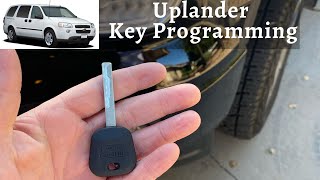
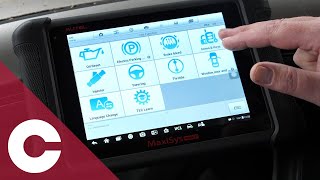

Used OEM Parts in Stock
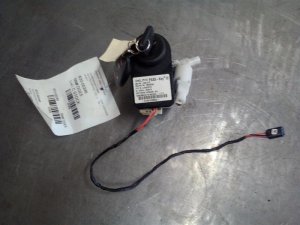
New Aftermarket Parts Available


The information in this article is provided for general reference and educational purposes only. Vehicle specifications, procedures, and part compatibility can vary by production date, trim level, and region. Always consult your vehicle's factory service manual and verify part numbers before purchasing or performing repairs. Safety-critical components such as airbags, seat belts, and braking systems should be installed by a qualified professional.
- Chevrolet UPLANDER:
- 🎬 Helpful Videos
- 🛍️ Shop This Part
- What's Unique About the 2007-2009 Chevrolet UPLANDER
- Diagnostic Flowchart
- Symptoms You May Notice
- Most Likely Causes
- Rare But Worth Checking
- Diagnosis Steps
- Parts You'll Likely Need
- Related Codes That Often Appear With This One
- Technical Service Bulletins (TSBs) & Recalls
- Platform-Specific Known Issues
- Mechanic-Grade Diagnostic Values
- Hidden / Shadow Codes Worth Checking
- Scan Tool Commands That Help
- Wiring & Ground Locations
- Real Owner Repair Stories
- OEM Part Supersession History
- 🎟️ Get 5% Off