

B3935 on 2013-2020 Chevrolet Trax: Understanding the No-Start Condition and Fixes
This code means your Trax's anti-theft system is preventing it from starting. Before replacing any parts, remove all other electronic devices from your keychain, as radio frequency (RF) interference is the most common cause. This is a known issue confirmed by GM Technical Service Bulletins.
- B3935 on a Chevy Trax means there's a key authentication error, usually causing a no-start.
- The most likely cause is interference from other electronic fobs or cards on your keychain. Separate your car key before paying for any repairs.
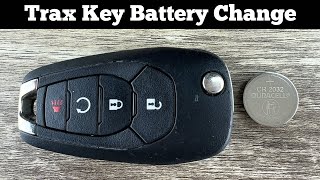
- The second most likely cause is a dead battery in your key fob (CR2032). Try the spare key to confirm.
- Do not let a mechanic replace expensive parts like the BCM or starter until these simple, free/cheap steps have been taken, as per GM's own service bulletins.
What's Unique About the 2013-2020 Chevrolet TRAX

For this generation of Chevrolet Trax and its platform-mates (Buick Encore, Chevy Sonic), the B3935 code is strongly associated with external factors rather than component failure. General Motors has issued multiple Technical Service Bulletins (TSBs) advising technicians that the primary cause is often Radio Frequency (RF) interference from other devices on the owner's keychain. The official advice is to investigate and eliminate these external sources before considering part replacement.
Diagnostic Flowchart

Tap your situation to follow the diagnostic path that matches what you're seeing on this vehicle.
Symptoms You May Notice

- Intermittent no-crank, no-start condition.
- Engine starts and then immediately stalls.
- Security indicator light (often a car with a lock symbol) is illuminated solid or flashing on the dashboard.
- Alarm may sound when trying to open the door or start the vehicle.
- Message on the Driver Information Center (DIC) such as 'Service Theft Deterrent System'.
- A single, slow wipe of the windshield wipers when attempting to start (reported by some owners of platform-mates).
- Replacing the starter motor
- Replacing the 12V battery (unless it has failed for other reasons)
- Replacing the ignition switch without proper diagnosis
- Replacing the Body Control Module (BCM) without first ruling out RF interference, key issues, and available software updates.
Most Likely Causes

- Radio Frequency (RF) Interference 🔴 High Probability The vehicle's Passkey/immobilizer system operates at a frequency (125 kHz) that can be easily disrupted by other common RFID devices. GM TSBs #PIC5650M and #PIC5650L directly address this, listing sources like office key cards, gas station fobs, other vehicle keys, and even aftermarket LED lights or decorative metal rings around the ignition cylinder as primary causes to investigate before any repairs.
How to confirm: Remove all other keys, fobs, and cards from the keychain. Try starting the vehicle with only the single Chevrolet key present. If the vehicle starts consistently, interference was the cause. Ensure no aftermarket phone chargers or USB devices are plugged in, as these can also generate RFI.
Typical fix: Keep other RFID-emitting devices separate from the car key. Do not use a large, cluttered keychain.
Est. part cost: $0 - Weak or Dead Key Fob Battery 🟡 Medium Probability While the key's transponder chip is passive and powered by the ignition coil, a weak main fob battery can sometimes cause communication issues with the vehicle's broader security system, leading to authentication failures.
How to confirm: Try using the spare key. If the spare key works reliably, the battery in the primary key is the likely suspect. You can also try placing the key directly in the designated fob pocket/slot in the center console or steering column, which can sometimes allow the car to start with a weak or dead fob battery.
Typical fix: Replace the CR2032 battery inside the key fob.
Est. part cost: $2-$10 - Damaged or Faulty Key ⚪ Low Probability Dropping the key or exposure to water can damage the internal transponder chip or its connection to the key's antenna.
How to confirm: If the spare key works perfectly and the primary key does not (even after a battery change and removing RF interference), the primary key is likely faulty.
Typical fix: The key needs to be replaced and programmed to the vehicle by a dealer or an automotive locksmith. A new key must be learned by the vehicle's BCM.
Est. part cost: $75-$250
Rare But Worth Checking
- Body Control Module (BCM) Software Glitch: In some cases, particularly when B3935 is seen with code B2955, GM has released software updates for the BCM to correct intermittent no-start conditions. TSB PI1180A specifies that a BCM reprogram with the latest calibration is the fix for a 'No Click, No Crank, No Start' condition where both codes are present. This requires a dealer or qualified shop with access to GM's Service Programming System (SPS).
- Faulty Theft Deterrent Module (TDM) or Ignition Lock Cylinder: If all keys fail to work and RF interference has been ruled out, the issue could be with the TDM itself or the exciter coil (transponder antenna) around the ignition cylinder that powers the key's transponder. This is a rare cause and should be diagnosed last, as per TSB guidance. Replacement of the ignition lock cylinder can cost between $143 and $190.
- Damaged Wiring to Ignition Lock Cylinder: Less common, but damage to the wiring harness leading to the ignition lock cylinder's exciter coil can cause an open or short circuit, preventing the key's transponder from being energized and read. This would typically set code B3060 along with B3935.
Diagnosis Steps
- Check the dashboard for the security light. Its behavior (on solid, flashing) can provide diagnostic clues. A flashing light typically indicates an active security event.
- Remove ALL other fobs, keys, and access cards from your Chevrolet key ring. Separate them by at least a few feet. Also unplug any aftermarket chargers or devices.
- Attempt to start the vehicle with the isolated key.
- If the vehicle still won't start, try using your spare key (also isolated from other fobs).
- If the spare key works, the problem is your primary key (likely the battery or the key itself). Replace the CR2032 battery in the non-working key.
- If neither key works and RF interference is ruled out, perform a '30-Minute Key Relearn Procedure'. Turn the ignition to 'ON' (without starting) for 10 minutes until the security light goes out. Turn the ignition OFF for 5 seconds. Repeat this process two more times for a total of three 10-minute cycles. After the third cycle, turn the key off and then attempt to start the vehicle.
- If the issue persists, the problem may be with the vehicle's BCM, ignition lock cylinder, or wiring, which requires professional diagnosis with a scan tool to check for other codes and live data.
Parts You'll Likely Need
- Key Fob Battery
(OEM #CR2032)— This is the most common and inexpensive part to fail that can contribute to this issue.
Trusted brands: Energizer, Duracell, Panasonic
OEM price range: $5-$10
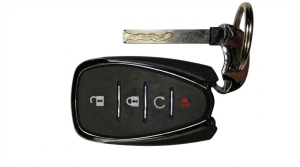
Aftermarket price range: $2-$8 - Transponder Key Fob (Flip Key)
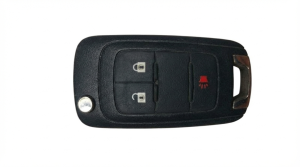
(OEM #13504235)— If the key's internal transponder chip is damaged, the entire key fob assembly must be replaced and programmed. Part number 13504235 is listed for the Trax's platform mates and has been superseded, but may still be found. Another compatible OEM part number is 13585209.
Trusted brands: ACDelco (OEM)
OEM price range: $150-$250
Aftermarket price range: $50-$120
Related Codes That Often Appear With This One
- B3055 — Relates to a problem with the key transponder itself, indicating no key or an incorrect key format was read. Often set together with B3935.
- B3060 — Indicates an issue with the transponder antenna circuit (the ring around the ignition). This points towards a hardware issue with the exciter coil or its wiring.
- B2955 — Relates to the security sensor data circuit within the BCM. TSB PI1180A specifically calls for a BCM reflash as a fix when B3935 and B2955 appear together for a no-crank condition.
Technical Service Bulletins (TSBs) & Recalls
- PIC5650M: Intermittent no crank/start with security light on, advises to check for RF interference from a long list of devices including other keys, toll passes, and aftermarket LED lights.
- PIC5650L: Superseded by PIC5650M, but carried the same strong advice against replacing parts and to check for RF interference first.
- PIE0232: An early engineering bulletin seeking information on this exact issue (No Start, Security Light, B3935) and also points to RF interference as a potential cause.
- PI1180A: Addresses a no-start with B3935 and B2955, for which a BCM software update is the prescribed fix. This applies to a 'No Click, No Crank, No Start' condition only.
Platform-Specific Known Issues
- GM TSB #PIC5650M: Strong Warning Against Part Replacement: This bulletin explicitly notes that for intermittent no-start conditions with code B3935, technicians should not replace any parts until they have questioned the customer about Radio Frequency Identification devices on their keychain or other aftermarket electronics in the vehicle.
- Real-World Owner Experience (Buick Encore): An owner of a 2017 Buick Encore, a platform-mate, reported a sudden no-start with an 'Anti Theft Deterrent system' message. Symptoms included a clicking sound as if the battery were dead and a single slow wipe from the windshield wipers upon trying to start. These are classic signs of the BCM disabling the start sequence due to an authentication failure.
Mechanic-Grade Diagnostic Values
- Ignition Pickup Coil (Exciter Coil) Resistance — expected: 500 to 1500 ohms. Failure: A reading outside this range, or a reading that is not steady when wiggling the connector wires, indicates a faulty coil.
Scan Tool Commands That Help
- GM GDS2 (Global Diagnostic System 2): Immobilizer Key Learn — This function is required after replacing a key or the Body Control Module (BCM) to program the new transponder values into the vehicle's memory.
- GM GDS2 (Global Diagnostic System 2): Body Control Module (BCM) Reprogramming — Used to apply software updates from GM's Service Programming System (SPS). This is specifically called for in TSB PI1180A when B3935 is present with B2955 to fix a software glitch.
- GM GDS2 (Global Diagnostic System 2): Exterior Lighting / Interior Lighting Bidirectional Controls — While not directly related to B3935, a technician can use these bidirectional controls to confirm that the BCM is online, communicating, and capable of activating other outputs, which helps rule out a complete BCM failure.
Wiring & Ground Locations
- Body Control Module (BCM) — Under the driver's side dash. Access requires removing the lower knee bolster panel held by three Phillips head screws.. The BCM is the central module for the theft deterrent system. All wiring from the ignition lock cylinder's transponder antenna routes to the BCM. Checking for secure connections at its 7 different colored connectors is a key diagnostic step if a wiring fault is suspected.
- Chassis Ground for Jump Starting — While the owner's manual may show a specific ground point or bracket, owners have successfully and safely used the negative battery terminal itself for jump starting when a dedicated, unpainted ground point is not obvious.. A no-start condition is the primary symptom of B3935. If the battery is also weak, ensuring a proper ground connection during a jump start attempt is critical to avoid introducing other electrical issues.
Real Owner Repair Stories
- Camaro5 Forum (2012 Chevrolet Camaro SS (similar Passkey III+ system)) — No crank, 'Service Theft Deterrent System' message on DIC. Remote start would work, but the engine would die when the key was inserted and turned to 'Run'.
❌ Tried (didn't work) Disconnecting and reconnecting the battery., A 30-minute key relearn procedure on the original, faulty key.
✅ What actually fixed it A locksmith cut a new, inexpensive standard key (without remote buttons). The owner then successfully performed the 30-minute (3x10 min) key relearn procedure with the new key, which allowed the car to start and run normally. This confirmed the original switchblade key's transponder had failed.
OEM Part Supersession History
13504235→Discontinued— This part number, a flip key assembly used on the Trax's platform-mate Chevy Cruze, is no longer produced by GM.
Heads up: While this part is discontinued, aftermarket replacements and other compatible OEM numbers like 13585209 are available.
Model Year Variations Within This Range
- 2017-2020: The 2017 model year introduced a significant facelift. While the underlying 1.4L turbo engine and immobilizer system logic remained the same, the interior was redesigned with a new instrument cluster and a standard 7-inch MyLink touchscreen featuring Apple CarPlay and Android Auto. Higher trims (LT and Premier) received new headlights with LED daytime running lights and LED taillights. These changes mean the dash disassembly and some electrical components around the driver information center differ from the 2013-2016 models.
Helpful Videos



Used OEM Parts in Stock


New Aftermarket Parts Available


The information in this article is provided for general reference and educational purposes only. Vehicle specifications, procedures, and part compatibility can vary by production date, trim level, and region. Always consult your vehicle's factory service manual and verify part numbers before purchasing or performing repairs. Safety-critical components such as airbags, seat belts, and braking systems should be installed by a qualified professional.
- Chevrolet TRAX:
- 🎬 Helpful Videos
- 🛍️ Shop This Part
- What's Unique About the 2013-2020 Chevrolet TRAX
- Diagnostic Flowchart
- Symptoms You May Notice
- Most Likely Causes
- Rare But Worth Checking
- Diagnosis Steps
- Parts You'll Likely Need
- Related Codes That Often Appear With This One
- Technical Service Bulletins (TSBs) & Recalls
- Platform-Specific Known Issues
- Mechanic-Grade Diagnostic Values
- Scan Tool Commands That Help
- Wiring & Ground Locations
- Real Owner Repair Stories
- OEM Part Supersession History
- Model Year Variations Within This Range
- 🎟️ Get 5% Off