

B3935 on 2007-2014 Chevrolet Suburban: Transponder Error, No-Start Causes & Fixes
Code B3935 means your Suburban's security system can't authenticate your key, causing a no-start. The most common cause is radio frequency (RF) interference from other keys or cards on your keychain. Remove all other items from your key ring and try again; this is often a zero-cost fix. If that fails, the next most likely culprit is a faulty ignition lock cylinder, which contains the antenna that reads the key.
- Before panicking, try this simple, free fix: remove everything else from your keychain and try starting the truck with the key by itself. This solves the problem more often than not.
- If interference isn't the cause, the next most likely failure is the ignition lock cylinder assembly, which acts as the antenna for the security system.
- Do not immediately replace the expensive Body Control Module (BCM); it is rarely the root cause unless specific TSB criteria are met.
- A spare key is your best diagnostic tool. If the spare works, the original key is bad. If neither work, the problem is with the vehicle (interference, lock cylinder, or module).
- Any repair involving the key or ignition lock cylinder will require a 30-minute key relearn procedure to be performed before the vehicle will start.
What's Unique About the 2007-2014 Chevrolet SUBURBAN
On the GMT900 platform, which includes the 2007-2014 Suburban, Tahoe, Yukon, and Escalade, the Passkey III immobilizer system is notoriously sensitive to radio frequency interference (RFI). General Motors has issued multiple, evolving Technical Service Bulletins (TSBs) under the number PIC5650, advising technicians to first check for other RFID devices on the owner's keychain before replacing any parts. These bulletins list everything from other car keys and building access cards to aftermarket LED lights and phone chargers as potential sources of interference.
Diagnostic Flowchart
Tap your situation to follow the diagnostic path that matches what you're seeing on this vehicle.
Symptoms You May Notice
- Engine will not crank (no-crank, no-start)
- Engine starts but immediately shuts off (start-stall)
- Security indicator light is illuminated or flashing on the dashboard.
- "Service Theft Deterrent System" message may appear on the Driver Information Center (DIC).
- Replacing the battery or starter. These are common no-start culprits, but they will not cause the security light to illuminate or set code B3935.
- Replacing the Body Control Module (BCM) or Theft Deterrent Module (TDM) without first ruling out RF interference, trying a spare key, and inspecting the ignition lock cylinder. GM TSBs specifically advise against immediate parts replacement for this reason.
Most Likely Causes
- Radio Frequency (RF) Interference 🔴 High Probability The vehicle's immobilizer system operates at 125 kHz and can be disrupted by other devices on the keychain, a known issue highlighted in numerous iterations of GM service bulletin PIC5650.
How to confirm: Remove all other keys (especially other car keys with chips), fobs, and RFID-enabled cards (like office access cards or gas station payment fobs) from the keychain. Try starting the vehicle with only the single Suburban key. If the vehicle starts, the issue is interference.
Typical fix: Keep the vehicle key isolated from other RF-emitting devices. This is a behavioral change, not a parts replacement.
Est. part cost: $0 - Faulty Ignition Lock Cylinder / Switch Assembly 🔴 High Probability The ignition lock cylinder housing contains the exciter coil (antenna) that reads the key's transponder chip. This component is a frequent failure point. Wear and tear or a break in the coil's wiring can prevent it from properly energizing or reading the key, leading to the authentication error.
How to confirm: After ruling out RF interference and a bad key (by trying a spare), this becomes the most likely culprit. Diagnosis involves checking for continuity and proper signal at the connector for the lock cylinder's antenna, which often requires a professional.
Typical fix: Replace the ignition lock cylinder and/or the attached electronic ignition switch. After replacement, a 30-minute key relearn procedure must be performed.
Est. part cost: $100-$250 - Defective Ignition Key 🟡 Medium Probability The Passkey III transponder chip embedded in the key head can be damaged from being dropped, from water exposure, or from normal wear and tear, preventing it from communicating correctly.
How to confirm: Attempt to start the vehicle with a known-good spare key. If the spare key works consistently, the original key is faulty.
Typical fix: Replace the faulty key. A new key must be cut and programmed to the vehicle by a dealer or an automotive locksmith with the proper equipment.
Est. part cost: $75-$200 - Body Control Module (BCM) Software Glitch ⚪ Low Probability A specific TSB (PI1180A) was issued for 2014 and some 2015 models where a software issue could cause B3935 along with B2955. This TSB specifically addresses a no-crank, no-start condition.
How to confirm: This requires a professional diagnosis. A technician would confirm both B3935 and B2955 are present and check if the BCM software calibration is outdated using a GM scan tool.
Typical fix: Reprogram the Body Control Module (BCM) with the latest software calibration using the GM Service Programming System (SPS).
Est. part cost: $0 (software only)
Rare But Worth Checking
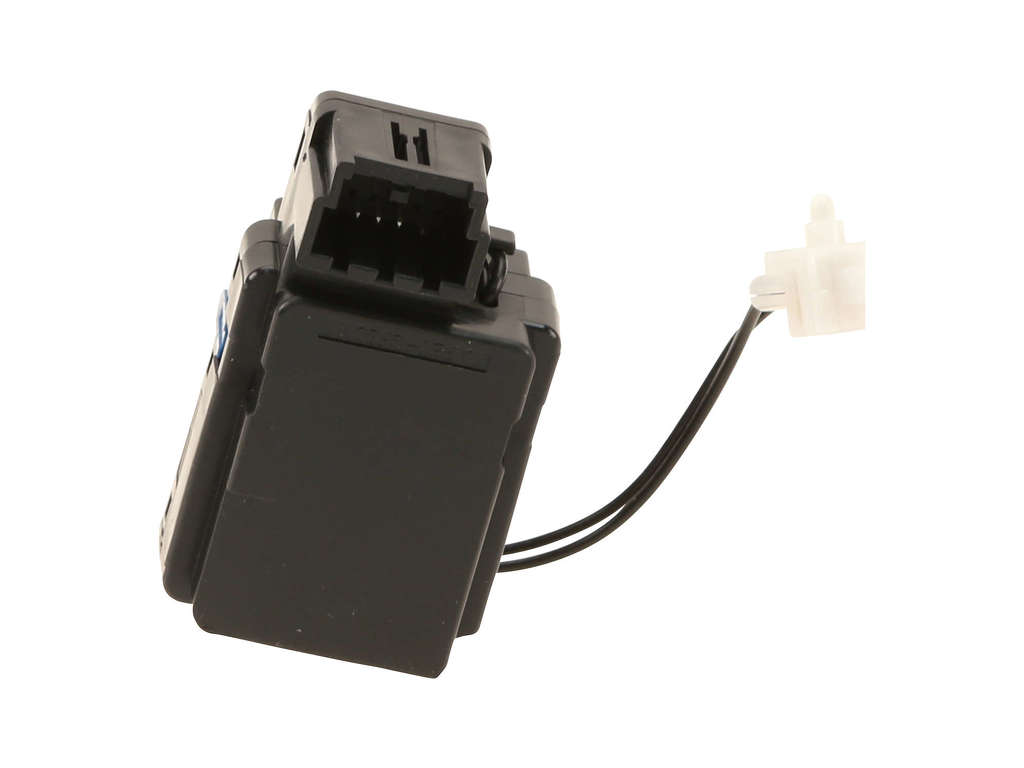
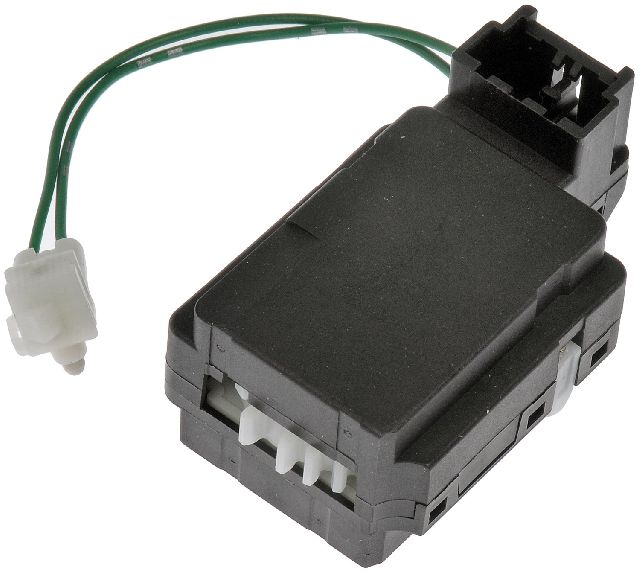
- Faulty Theft Deterrent Module (TDM) / Body Control Module (BCM): The TDM, often part of the BCM, is the brain of the system. If a new key and new ignition lock cylinder do not resolve the issue, the module itself may have failed internally. Service manuals list replacing the TDM as the final step. 🎬 Watch this guide on replacing the theft deterrent module. This is an expensive and uncommon failure.
- Corroded Wiring or Connectors: Water intrusion or physical damage to wiring between the ignition lock cylinder and the BCM can cause this code. A user on a Chevrolet forum traced a similar no-start to a corroded ground connection (G218) which affected BCM operation. TSB 23-NA-046 also describes water intrusion into body connectors causing various electrical issues.
Diagnosis Steps
- Verify the complaint: Confirm the no-start condition and the illuminated security light.
- Isolate the Key: Remove all other keys, fobs, and RFID cards from the keychain. This includes office badges, gas station speed passes, and even other vehicle keys. Attempt to start the vehicle with the key alone.
- Test the Spare Key: Try starting the vehicle with a second, known-good key. If it starts, the primary key is the issue.
- Scan for Codes: Use an OBD-II scanner capable of reading B-codes (Body codes) to confirm B3935 and check for related codes like B3055 or B3060.
- Inspect the Key: Visually inspect the key for any signs of physical damage to the head.
- Attempt Key Relearn Procedure: 🎬 Watch this walkthrough of the 30-minute security relearn procedure. Perform the 30-minute relearn procedure. Turn the key to 'ON' (do not start) and wait for the security light to go out (approx. 10 mins). Turn key 'OFF' for 5 seconds. Repeat this process two more times for a total of three 10-minute cycles. On the third cycle, after turning the key off, the vehicle should be relearned and start. If this works, it may be a temporary fix indicating a failing component.
- Check for TSBs: For 2014 models, check if TSB PI1180A applies (BCM reprogram for B3935/B2955).
- Professional Diagnosis: If the above steps fail, the issue is likely with the Ignition Lock Cylinder's antenna, the wiring, or the TDM/BCM. This requires professional diagnostics with a multimeter and service information to test component circuits.
Parts You'll Likely Need
- Ignition Lock Cylinder w/ Switch
(OEM #25832354 (ACDelco D1432D))— This assembly contains the antenna that reads the key. It is a very common failure point for this code after RF interference and a bad key are ruled out. Replacing this part often resolves the issue.
Trusted brands: ACDelco (OEM), Dorman, Standard Motor Products
OEM price range: $120-$180
Aftermarket price range: $80-$150 - Transponder Ignition Key
(OEM #20873620 (Circle Plus 'PK3' key))— If the transponder chip in the original key has failed, a new key is the only solution. This is a common part to fail after being dropped or damaged.
Trusted brands: ACDelco, Strattec
OEM price range: $100-$200
Aftermarket price range: $50-$120
Related Codes That Often Appear With This One
- B3055 — This code means 'No Transponder Modulation or No Transponder.' It often appears with B3935 when there is RF interference or a key problem, indicating the TDM didn't receive any signal from the key at all.
- B3060 — This code means 'Unprogrammed Transponder.' It can be set alongside B3935 if the key is new and not yet programmed, or if the system is malfunctioning during an authentication attempt.
Technical Service Bulletins (TSBs) & Recalls
- PIC5650M: Mentions B3935 in relation to intermittent no-crank/no-start and security light issues, pointing toward RFI as a primary cause.
- PIC5650L: An earlier version of the same bulletin, also highlighting B3935 and RFI.
- PI1180A: Specific to 2014 models, addresses a BCM software update for a no-crank condition with codes B3935 and B2955.
Platform-Specific Known Issues
- TSB #PIC5650M (and its many revisions) explicitly states that for intermittent no-start conditions with code B3935, technicians should not replace any parts initially. The primary suspect is interference from Radio Frequency Identification (RFID) devices on the customer's keychain.
- A thread on TahoeYukonForum.com titled '2009 Tahoe No Start - B3055 B3935' details a user's journey through diagnosing this code, which ultimately was solved by replacing the ignition switch assembly (ACDelco D1432D) after trying a new key and checking for interference.
- TSB #PI1180A is very specific to 2014 (and some 2015) models, requiring both B3935 and B2955 to be present for the BCM reprogram fix to be applicable.
Mechanic-Grade Diagnostic Values
- Passkey III Exciter Coil Resistance — expected: No specific resistance value is published in common service literature for the exciter coil (antenna).. Failure: Unlike older VATS/Passkey systems that used resistor pellets with defined values, the Passkey III system uses an RFID transponder. Diagnosis focuses on signal presence and communication data rather than a simple resistance check of the key or coil. A diagnostic failure is determined by a lack of signal or incorrect data exchange visible on a capable scan tool.
Scan Tool Commands That Help
- GM GDS2 / Tech2Win: Immobilizer Data / Theft Deterrent Module Data List — Use this function to view the live status of the immobilizer system. A technician can see parameters like 'Transponder Key State,' 'Key In Ignition Switch Status,' and whether the TDM/BCM is receiving a valid signal from the key. This helps differentiate between a no-signal condition (B3055) and a failed authentication (B3935).
- GM GDS2 / SPS: Add/Replace Key Fobs or Immobilizer Learn — This service function is required after replacing a key or the Body Control Module (BCM). It guides the technician through the process of programming new keys to the vehicle's immobilizer module, which is necessary for the vehicle to recognize the new components and start.
Wiring & Ground Locations
- Ignition Cylinder to BCM/TDM Harness — Runs from the ignition lock cylinder assembly within the steering column to the Body Control Module (BCM), which is typically located behind the driver's or passenger's side of the dashboard.. This harness carries the low-frequency signal from the exciter coil and the transponder's response. Any damage, corrosion, or loose connection in this wiring or its connectors can prevent the BCM/TDM from communicating with the key, directly causing codes B3935 or B3055. Technicians often check continuity on these wires after ruling out the key and RFI.
Real Owner Repair Stories
- Forum discussions and technician reports (Various GM Trucks/SUVs (2007-2014) with Passkey III) — Intermittent no-crank, no-start with security light on and codes B3935 and B3055 stored.
❌ Tried (didn't work) Replacing the ignition key, Performing the 30-minute key relearn procedure multiple times, Replacing the vehicle's battery
✅ What actually fixed it The final fix was the replacement of the ignition lock cylinder assembly (ACDelco D1432D). The exciter coil (antenna) within the original cylinder had failed or developed an intermittent open circuit, preventing it from reliably powering and reading the key's transponder chip.
When the Usual Fixes Don't Work
- In several documented cases, owners replaced both the key and the ignition lock cylinder assembly—the two most common hardware failure points—but the B3935 code and no-start condition persisted. The ultimate cause was often traced back to external factors, most notably a faulty aftermarket remote start bypass module that was interfering with the theft deterrent system's data bus, or significant RFI from another aftermarket electronic device that was not on the keychain, such as a dashcam power adapter or a phone charger.
Model Year Variations Within This Range
- 2010-2014: While the Passkey III system remained consistent, the dealership diagnostic software transitioned from the Tech2 handheld scanner to the PC-based GDS2 (Global Diagnostic System 2) platform around 2010, becoming the standard by 2014. While both tools can diagnose B3935, the user interface and some specific data parameters or service functions may differ.
Helpful Videos
Used OEM Parts in Stock



New Aftermarket Parts Available


The information in this article is provided for general reference and educational purposes only. Vehicle specifications, procedures, and part compatibility can vary by production date, trim level, and region. Always consult your vehicle's factory service manual and verify part numbers before purchasing or performing repairs. Safety-critical components such as airbags, seat belts, and braking systems should be installed by a qualified professional.
- Chevrolet SUBURBAN:
- 🎬 Helpful Videos
- 🛍️ Shop This Part
- What's Unique About the 2007-2014 Chevrolet SUBURBAN
- Diagnostic Flowchart
- Symptoms You May Notice
- Most Likely Causes
- Rare But Worth Checking
- Diagnosis Steps
- Parts You'll Likely Need
- Related Codes That Often Appear With This One
- Technical Service Bulletins (TSBs) & Recalls
- Platform-Specific Known Issues
- Mechanic-Grade Diagnostic Values
- Scan Tool Commands That Help
- Wiring & Ground Locations
- Real Owner Repair Stories
- When the Usual Fixes Don't Work
- Model Year Variations Within This Range
- 🎟️ Get 5% Off