

B3935 on 2016-2022 Chevrolet Spark: Understanding the Transponder Authentication Error
Code B3935 on a Chevy Spark almost always indicates a security system problem where the car cannot authenticate the key. This is frequently caused by Radio Frequency (RF) interference from other fobs on your keychain. Before replacing parts, try starting the car with only the ignition key present; this fix is often free.
- B3935 means your car's security system is preventing it from starting.
- The most common cause is interference from other electronic items on your keychain. Always try starting the car with just the single car key first.
- If isolating the key doesn't work, try your spare key to determine if the primary key is faulty.
- Do not replace expensive components like the Body Control Module (BCM) until these simple, free steps have been taken, as even GM warns against it in service bulletins.
What's Unique About the 2016-2022 Chevrolet SPARK
On the Chevrolet Spark and many other modern GM vehicles, the immobilizer system is notably sensitive to Radio Frequency Interference (RFI). Manufacturer Technical Service Bulletins (TSBs) PIC5650M and PIC5650L specifically address this, noting that intermittent no-start conditions 🎬 Watch: Troubleshooting a Chevrolet Spark no-start condition with code B3935 are common. The bulletins explicitly advise technicians to investigate RFI sources—such as other key fobs, building access cards, and even aftermarket phone chargers or LED lights—before replacing any components, as this is the most frequent cause of the issue.
Diagnostic Flowchart
Tap your situation to follow the diagnostic path that matches what you're seeing on this vehicle.
Symptoms You May Notice
- Intermittent no-crank, no-start condition.
- Engine starts and then immediately stalls.
- The security indicator light (a car with a lock symbol) is illuminated or flashing on the dashboard.
- A 'Service Theft Deterrent System' message may appear on the driver information center.
- Replacing the Body Control Module (BCM) without ruling out RFI or a bad key.
- Replacing the ignition switch or key reader antenna coil without proper diagnosis.
Most Likely Causes
- Radio Frequency Interference (RFI) near the ignition key 🔴 High Probability As documented in GM TSBs PIC5650M and PIC5650L, the immobilizer system is sensitive to external radio frequencies. Devices like other key fobs, office access cards, toll passes, or even some aftermarket phone chargers and LED lights can disrupt the 125 kHz signal between the key and the car.
How to confirm: Remove all other keys, fobs, and electronic devices from the keychain. Hold only the Chevrolet key next to the ignition and attempt to start the vehicle. If it starts reliably, RFI was the cause. GM service procedures explicitly state to check for these external devices first.
Typical fix: Keep the vehicle key isolated from other RFID-emitting devices. No parts are required.
Est. part cost: $0 - Damaged or faulty ignition key transponder 🟡 Medium Probability The transponder chip (e.g., Philips ID 46 / PCF7937EA) embedded in the key head can fail over time due to being dropped or from internal electronic failure.
How to confirm: Try starting the vehicle with your spare key. If the spare key works consistently and the primary key does not, the primary key is faulty. A forum user with a 2012 Camaro experiencing a B3935 confirmed a bad key was the cause, which was resolved by programming a new one.
Typical fix: The faulty key must be replaced and the new key programmed to the vehicle by a dealer or an automotive locksmith. A key relearn procedure (often involving three 10-minute ignition cycles) may be required.
Est. part cost: $75-$200 - Weak vehicle battery ⚪ Low Probability Low system voltage during startup can cause various electronic modules, including the Body Control Module (BCM), to malfunction and set erroneous codes. A Reddit user with a 2017 Spark confirmed their no-start issue was resolved by replacing the original, weak battery.
How to confirm: Test the battery voltage with a multimeter. A healthy, fully charged battery should read approximately 12.6 volts with the engine off. If it's below 12.2 volts, it may not have enough power to operate all modules correctly during a crank attempt. The BCM requires a minimum of 9.0 volts to operate correctly.
Typical fix: Recharge or replace the vehicle's 12V battery. The Spark uses an uncommon battery size that may need to be sourced from a dealer.
Est. part cost: $150-$250
Rare But Worth Checking
- Faulty Body Control Module (BCM): While rare, the BCM itself can fail. This should only be considered after all other possibilities, especially RFI and key issues, have been exhaustively ruled out. The TSBs specifically warn against replacing parts prematurely. In some other GM vehicles, a specific BCM software update was released to address B3935, but this has not been documented for the Spark.
- Poor ground connection for the ECM/BCM: A corroded or loose ground wire can cause intermittent electrical issues, including no-start problems. A wiring diagram for the 2018 Spark identifies ground point G201 near the shift lever as relevant to the BCM. A video of a Spark with a no-start issue showed a corroded main ground point under the battery tray was the ultimate cause.
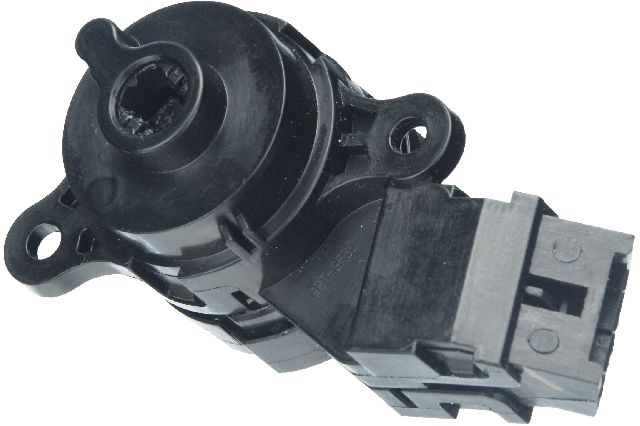
- Faulty Immobilizer Antenna/Coil: The antenna coil that surrounds the ignition cylinder powers the key's transponder and reads its signal. Though uncommon, this component can fail, preventing the BCM from communicating with the key. A YouTube video on a 2017 Spark with an immobilizer problem pointed to this module (located on the ignition switch) as the part that required repair.
Diagnosis Steps
- Verify that the security light is on or flashing when the no-start condition occurs.
- Remove all other keys, access cards, toll passes, and electronic devices from your keychain and from the area around the ignition cylinder. Attempt to start the car with only the Spark key.
- If the issue persists, try using your spare key. If the spare key works, the original key is defective.
- Inspect the vehicle's 12V battery. Ensure it is fully charged and the terminals are clean and tight. A weak battery is a known cause of various electronic issues.
- Check for any aftermarket electronic accessories (phone chargers, dash cams, LED lighting) plugged in and unplug them to test for interference.
- If a spare key is not available, a locksmith or dealer can test the transponder chip in the key.
- If none of the above steps resolve the issue, the problem may be with the immobilizer antenna, BCM, or its wiring, which requires professional diagnosis with a compatible scan tool. A technician may need to check for voltage and ground at the BCM connector pins for the immobilizer system.
Parts You'll Likely Need
- Transponder Ignition Key
(OEM #95233522)— This is the most likely part to have failed if the spare key works and RFI has been ruled out. The internal chip (Philips ID 46) can be damaged.
Trusted brands: ACDelco, GM Genuine Parts
OEM price range: $100-$200
Aftermarket price range: $50-$100
Related Codes That Often Appear With This One
- B3055 — This code means 'No Transponder Modulation or No Transponder', indicating the BCM couldn't detect a key at all. It often appears with B3935 when RFI is present or the key is failing.
- B3060 — This code means 'Unprogrammed Transponder'. It indicates the BCM read a key, but its ID isn't learned by the vehicle. This can happen if using a new, unprogrammed key or if interference corrupts the signal.
Technical Service Bulletins (TSBs) & Recalls
- PIC5650M: Mentions B3935 in relation to intermittent no-crank/no-start or stall with the security light on. Warns against replacing parts before checking for RFI from aftermarket devices.
- PIC5650L: An earlier version of the same TSB, explicitly warning not to replace any parts for this concern and to ask the customer about Radio Frequency Identification devices on their keychain.
- PIE0232 / PIC5650B: Older TSBs showing a long history of GM investigating this exact issue (no-start, security light, codes B3055, B3060, B3935) across many models and pointing toward RFI as a primary cause.
Platform-Specific Known Issues
- High sensitivity to Radio Frequency Interference (RFI) is a well-documented characteristic of the immobilizer system, as noted in multiple versions of GM Technical Service Bulletin PIC5650.
- A Carly forum user with a 2016 Spark reported a start-and-stall issue that was resolved by having the keys reprogrammed at a workshop for 45€.
Hidden / Shadow Codes Worth Checking
- B2955: Security Sensor Data Incorrect but Valid. This code was noted alongside B3935 in a TSB for other GM models (Silverado/Tahoe), indicating a potential related fault where the BCM does not correctly read immobilizer information. (see via Standard professional scan tool. While not specific to the Spark TSB, it's a known related GM code.)
Scan Tool Commands That Help
- GDS2 (GM Dealer Software): Module Diagnostics -> Remote Control Door Lock Receiver -> Configuration/Reset Functions -> Add or Replace Key Fobs — This is the dealer-level procedure for programming new or replacement key fobs to the vehicle's BCM after a key has been replaced.
- N/A (Manual Procedure): 30-Minute Relearn Procedure (All Keys Lost) — Used to program a new key when no currently recognized keys are available. Involves turning the new key to ON for 10 minutes, OFF, then ON for 10 minutes, OFF, and a final ON for 10 minutes, until the security light turns off. This erases all previously known keys.
- SPS (Service Programming System): BCM Reprogramming — On some GM models, a BCM software update was the specified fix for B3935. This function is used to flash the BCM with the latest calibration from GM's TIS2WEB service. This should only be performed if a specific TSB directs it for the vehicle in question.
Wiring & Ground Locations
- Body Control Module (BCM) — Located at the left end of the dashboard.. The BCM is the central module for the anti-theft system and is where the key authentication decision is made. All relevant wiring terminates here.
- BCM Connector X2, Pin 1 — At the BCM. Wire is typically Green/Gray (Circuit 3277).. This is the 'Immobilizer Return' wire. It carries the signal from the immobilizer coil/antenna back to the BCM for analysis. A break or short on this wire would prevent the BCM from receiving the key's signal.
- BCM Connector X2, Pin 3 — At the BCM. Wire is typically Gray/Black (Circuit 3276).. This is the 'Immobilizer Supply Voltage' wire. It provides power from the BCM to the immobilizer coil/antenna around the ignition switch. Loss of voltage here would prevent the coil from energizing the key's transponder.
- G201 — A main ground point located on the right side of the shift lever assembly.. This is a chassis ground point referenced in the BCM wiring diagram. A poor connection at this ground could cause intermittent BCM faults, including erroneous security codes.
Real Owner Repair Stories
- Camaro5 Forums user 'RedTexasSS' (2012 Chevrolet Camaro SS) — No crank, 'Service Theft Deterrent System' message on DIC, DTC B3935 stored. Remote start would work, but the engine would die as soon as the key was turned to the run position.
❌ Tried (didn't work) Disconnecting and reconnecting the battery., An initial attempt at a key relearn procedure that failed.
✅ What actually fixed it The transponder in the original key was confirmed to be bad. A new, inexpensive key was cut by a locksmith, and the owner successfully performed the 30-minute (3x10 minute cycles) key relearn procedure themselves. This allowed the car to start and run normally, confirming the faulty key was the sole issue.
When the Usual Fixes Don't Work
- While the primary advice for the Spark is to suspect Radio Frequency Interference or a faulty key and to avoid replacing the BCM, evidence from other GM platforms provides a counterpoint. TSB PI1180A for 2014-2015 GM trucks and SUVs with code B3935 (and B2955) explicitly identifies the fix as a BCM software update. This demonstrates that in the wider GM ecosystem, a logic flaw within the BCM itself can be the true root cause, and the fix is not a hardware replacement but a re-flash of the module. This possibility, while not documented for the Spark, should be considered a rare but plausible edge case after all other diagnostics have failed.
OEM Part Supersession History
95233522→N/A— This is the commonly cited OEM part number for the transponder key.
Heads up: Fitment data is inconsistent. Some vendors list this part for 2013-2015 Spark models, while others show it fitting up to 2022. Always verify the correct key part number with a dealer using the vehicle's VIN before purchasing.
Helpful Videos

We Have This Part in Stock

The information in this article is provided for general reference and educational purposes only. Vehicle specifications, procedures, and part compatibility can vary by production date, trim level, and region. Always consult your vehicle's factory service manual and verify part numbers before purchasing or performing repairs. Safety-critical components such as airbags, seat belts, and braking systems should be installed by a qualified professional.
- Chevrolet SPARK:
- 🎬 Helpful Videos
- 🛍️ Shop This Part
- What's Unique About the 2016-2022 Chevrolet SPARK
- Diagnostic Flowchart
- Symptoms You May Notice
- Most Likely Causes
- Rare But Worth Checking
- Diagnosis Steps
- Parts You'll Likely Need
- Related Codes That Often Appear With This One
- Technical Service Bulletins (TSBs) & Recalls
- Platform-Specific Known Issues
- Hidden / Shadow Codes Worth Checking
- Scan Tool Commands That Help
- Wiring & Ground Locations
- Real Owner Repair Stories
- When the Usual Fixes Don't Work
- OEM Part Supersession History
- 🎟️ Get 5% Off