

B3935 on 2007-2014 Chevrolet Silverado 1500: No Start Causes & Fixes
Code B3935 on a Silverado means the truck's security system can't verify your key. The most common cause is radio frequency interference from other items on your keychain, like other fobs, access cards, or even some USB chargers. Before replacing parts, try starting the truck with the ignition key isolated from all other electronic devices.
- B3935 means your truck's security system has disabled the engine because it cannot authenticate your key.
- The most common cause is not a broken part, but radio interference. Always try starting with the key isolated from other fobs first.
- If you have a 2014 model, a known software glitch is a likely cause and may require a trip to the dealer for a BCM update.
- If a spare key also fails to start the truck, the problem may be with the vehicle's Theft Deterrent Module, which requires professional diagnosis.
- Do not replace the battery, starter, or ignition switch for this code without confirming the security system is functioning correctly.
What's Unique About the 2007-2014 Chevrolet SILVERADO 1500

On this generation of Silverado, the immobilizer system is known to be sensitive. General Motors issued multiple Technical Service Bulletins (TSBs) acknowledging that intermittent no-start conditions with a B3935 code are frequently caused by simple radio frequency (RF) interference, not a failed part. For the 2014 model year specifically, which introduced the K2XX platform, a known software glitch in the Body Control Module (BCM) can cause this code, requiring a dealer-installed update to fix.
Diagnostic Flowchart

Tap your situation to follow the diagnostic path that matches what you're seeing on this vehicle.
Generation note: This year range covers two Silverado generations: the GMT900 (2007-2013) and the K2XX (2014). While the causes are similar, the 2014 K2XX model is subject to a specific BCM software issue covered by TSB PI1180A that does not affect the earlier models.
Symptoms You May Notice

- Engine will not crank or start (no-click, no-crank).
- Engine starts briefly and then stalls immediately.
- Security warning light (often a car with a lock symbol) is illuminated or flashing on the dashboard.
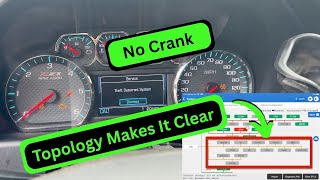
- "Service Theft Deterrent System" message may a 🎬 Watch: Diagnosing a Silverado no-crank with a service theft message.ppear on the Driver Information Center (DIC).
- Replacing the starter or battery. While these can cause a no-start, they will not typically set a B3935 code or illuminate the security light.
- Replacing the ignition lock cylinder. The issue is almost always electronic (key, TDM, RFI, antenna) rather than the mechanical lock cylinder itself.
Most Likely Causes

- Radio Frequency Interference (RFI) 🔴 High Probability The GM immobilizer system of this era operates at 125 kHz and is highly sensitive to interference from other electronic devices. TSBs PIC5650L and PIC5650M were issued to address this specific issue, noting that aftermarket devices like cell phone chargers, USB power banks, and even non-OEM LED interior lights can cause RFI.
How to confirm: Remove all other keys, key fobs, and electronic access cards from the keychain. Unplug any aftermarket chargers or devices from the power outlets. Try to start the vehicle using only the single ignition key. If it starts, RFI was the cause.
Typical fix: Keep the ignition key on a separate ring from other electronic fobs or cards. Avoid using cheap, unshielded aftermarket chargers.
Est. part cost: $0 - Body Control Module (BCM) Software Glitch 🔴 High Probability Specific to 2014 models (and some 2015 platform mates). TSB PI1180A identifies a software issue where the BCM fails to correctly read the immobilizer information, causing a no-start condition.
How to confirm: This issue is specific to 2014 models and is almost always accompanied by code B2955. A GM dealer can use the vehicle's VIN to check if the software update from TSB PI1180A has been applied.
Typical fix: The Body Control Module must be reprogrammed by a dealer or qualified shop with the updated software calibration. The labor time is estimated at 0.5 hours under warranty.
Est. part cost: $0 (if under warranty), otherwise $100-$200 for labor. - Defective Ignition Key Transponder 🟡 Medium Probability The electronic PassKey III+ (PK3+) chip embedded in the key head can be damaged by drops, water, or simply fail over time.
How to confirm: Attempt to start the vehicle with a spare, known-good key. If the vehicle starts and runs normally with the spare key, the original key is faulty.
Typical fix: Replace the faulty key. A new key must be cut and programmed to the vehicle by a locksmith or dealer with the proper tools.
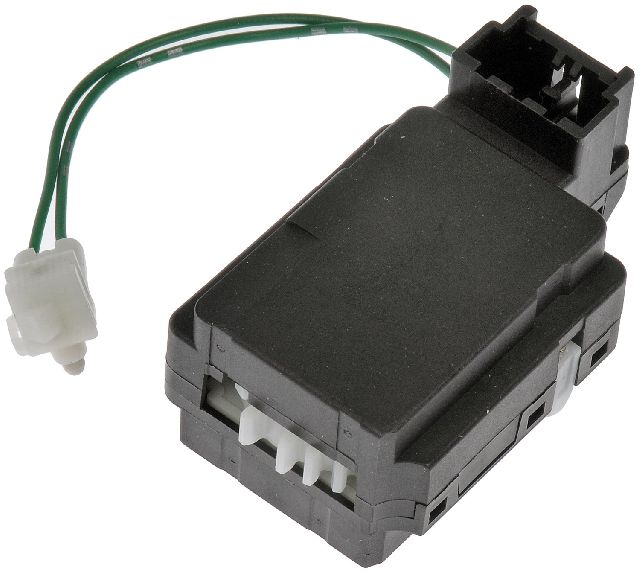
Est. part cost: $50-$150 - Faulty Theft Deterrent Module (TDM) ⚪ Low Probability While less common, the module that reads the key and communicates with the ECM can fail. It is located under the steering column, behind the lower dash panel.
How to confirm: If RFI is ruled out and a known-good key does not solve the problem, the TDM is the next component to test. This requires a diagnostic scan tool capable of reading GM body codes and monitoring TDM data. If a replacement key cannot be programmed or the issue persists, the TDM is likely the culprit.
Typical fix: Replace the Theft Deterrent Module. The new module must be programmed to the vehicle. A DIYer can physically replace the part, but programming requires a trip to a shop with the correct software.
Est. part cost: $100-$250
Rare But Worth Checking
- Faulty Ignition Lock Cylinder Antenna/Transceiver:
Diagnosis Steps
- Check for the security light on the dashboard. If it's on or flashing, it confirms a security system issue.
- Isolate the ignition key. Remove ALL other keys, fobs, access cards, and especially aftermarket USB chargers from the vehicle. Try to start the vehicle again.
- Try a spare key. If the vehicle starts with a different key, the original key is faulty and needs replacement.
- For 2014 models, check with a dealer if TSB PI1180A (BCM reprogram) applies and has been performed, especially if code B2955 is also present.
- Scan for other DTCs. Codes like B3055, B3060, or B2955 can provide more specific clues to the fault area (key, antenna, or BCM).
- If the problem persists, inspect the wiring and connectors for the Theft Deterrent Module (under the steering column) and the ignition cylinder antenna.
- If a known-good key doesn't work and RFI is ruled out, the next logical parts to suspect are the ignition cylinder antenna (transceiver) and then the Theft Deterrent Module itself, which require professional diagnosis and likely programming upon replacement.
Parts You'll Likely Need
- Ignition Key with Transponder (PassKey III+) — The transponder chip in the original key may have failed or been damaged. The key will have a small '+' in a circle symbol on the blade.
Trusted brands: ACDelco, Strattec
OEM price range: $70-$120
Aftermarket price range: $40-$80 - Theft Deterrent Module (TDM)
(OEM #25832193 (check specific application))— If the key and RFI are ruled out, the module itself may have failed and is unable to read or authenticate the key. Requires programming after installation.
Trusted brands: ACDelco
OEM price range: $100-$250
Aftermarket price range: $80-$180 - Ignition Immobilizer Antenna Transceiver
(OEM #22738087)— The antenna that reads the key chip can fail, preventing communication with the TDM. This is a rare but possible cause.
Trusted brands: GM Genuine Parts, ACDelco
OEM price range: $35-$70
Aftermarket price range: $25-$50
Related Codes That Often Appear With This One
- B3055 — This is another GM-specific code for a problem with the key transponder data. It often appears with B3935 due to RFI or a faulty key. TSBs often list these codes together.
- B3060 — This code indicates an issue with the transponder antenna circuit (the ring around the ignition cylinder). It can be set along with B3935 if there is an interference or circuit problem.
- B2955 — On 2014 models, this code is commonly seen with B3935 and points directly to the BCM software issue described in TSB PI1180A.
Technical Service Bulletins (TSBs) & Recalls
- PIC5650M / PIC5650L: Addresses intermittent no-crank/no-start with security light on and DTCs B3055, B3060, B3935. Explicitly names Radio Frequency Interference from aftermarket devices as the likely cause and advises against replacing parts.
- PI1180A: For 2014 Silverado/Sierra and 2015 full-size SUVs, this TSB addresses a no-start condition with DTCs B3935 and B2955 caused by a BCM software issue, requiring a reprogram with an updated calibration.
- PIE0232: An early engineering information request from 2012 asking for data on low-mileage 2013 trucks with B3935, B3055, or B3060 to investigate the root cause, again pointing to a focus on RFI.
Platform-Specific Known Issues
- Radio Frequency Interference Sensitivity: As documented in TSBs PIC5650L/M, these trucks are highly susceptible to RFI causing intermittent no-start conditions. Owners are advised to check for this first before seeking repairs. One owner on a forum noted, 'My truck wouldn't start at the gas station. Freaked out. Then I realized my work access card was on the keychain. Took it off, and it fired right up.' This is the most common and cheapest fix.
- 2014 Model BCM Software Update: TSB PI1180A specifically calls out a software problem in the 2014 Silverado 1500 that causes B3935 and B2955, fixed only by a dealer reprogramming of the BCM. An owner
Hidden / Shadow Codes Worth Checking
- B3935 57: The '57' is a symptom byte indicating 'Transponder Authentication Error'. This specifies that the key's transponder value was read and matched the stored value, but the subsequent cryptographic challenge/response calculation between the transponder and the TDM failed. (see via A professional scan tool like the GM Tech2 or GDS2 is required to view symptom bytes.)
Scan Tool Commands That Help
- GDS2/Tech2: Immobilizer Learn — This function is used after replacing the Theft Deterrent Module (TDM), Body Control Module (BCM), or ignition key. It initiates the process for the vehicle to learn the new component's security information.
- GDS2/Tech2: Add/Replace Keys — This is a specific function within the TDM/BCM menu to program new or additional keys to the vehicle's immobilizer system.
- Manual Procedure (No Scan Tool): 30-Minute Relearn Procedure — Used after replacing a TDM or BCM when a dealer scan tool is not available. Turn the key to ON for 10-11 minutes until the security light goes out, turn OFF for 30 seconds, and repeat for a total of 3 cycles. This allows the modules to relearn the key's password.
Wiring & Ground Locations
- TDM Power Fuse — In the under-hood fuse block, fuse #35, a 2-amp fuse, provides power to the anti-theft module on many GMT900 models.. A blown fuse will cut power to the Theft Deterrent Module, preventing it from reading the key and authorizing the start, which can log security codes.
- Engine Block to Firewall Ground Strap — A braided ground strap runs from a bolt on the back of the passenger-side cylinder head/engine block to a stud on the firewall.. This is a primary ground path for the engine and its sensors. A corroded or broken strap can cause numerous electrical issues, including voltage fluctuations that may affect the sensitive theft deterrent system modules.
- TDM Connector — A 5-pin connector that plugs directly into the Theft Deterrent Module, which is located on the steering column behind the lower dash panels.. Poor contact at this connector due to loose pins or corrosion can interrupt the signal from the ignition antenna or power/ground to the module, directly causing authentication failure codes like B3935.
Real Owner Repair Stories
- YouTube user comment on 'GM Truck Electrical & Ground Issues FIX!!!' (GM Truck (Silverado/Sierra platform)) — Multiple electrical issues, ABS light, check engine light, battery light, and low voltage readings, similar to issues that can affect the theft deterrent system.
❌ Tried (didn't work) Not specified, but the user was chasing multiple electrical gremlins.
✅ What actually fixed it The user found the ground strap from the chassis to the back of the engine block was bad. Replacing this single ground strap resolved all the intermittent electrical problems, including voltage drops.
OEM Part Supersession History
15806498, 15845229, 25841840, 25861815, 25992280→22738087— Part consolidation and design updates by GM over the model years.
Heads up: Part 22738087 is listed as the final replacement for the earlier numbers and is specified for 2008-2009 models, but vendor sites suggest broader 2007-2015 compatibility. Always verify with VIN.
Model Year Variations Within This Range
- 2007-2008: These early GMT900 models were typically equipped with the 4-speed 4L60-E automatic transmission. While not directly related to the B3935 code, the electrical architecture is from the earliest part of the generation.
- 2009-2013: Starting in 2009, the 6-speed 6L80 automatic transmission became more common, replacing the 4-speed. This change was part of a mid-cycle update that may include minor wiring and module differences from the initial 2007-2008 models.
- 2014: This is the first year of the new K2XX platform. The electrical system is significantly different, with the BCM playing a more integrated role in the theft deterrent system. This model year is uniquely susceptible to the software glitch addressed by TSB PI1180A, which is not applicable to any 2007-2013 GMT900 trucks.
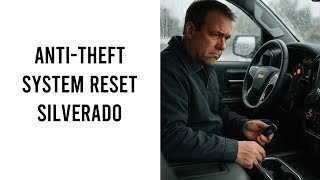
Helpful Videos
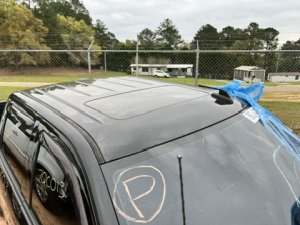
Used OEM Parts in Stock
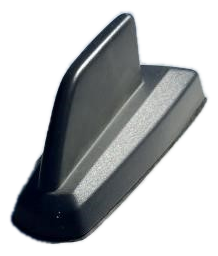




New Aftermarket Parts Available


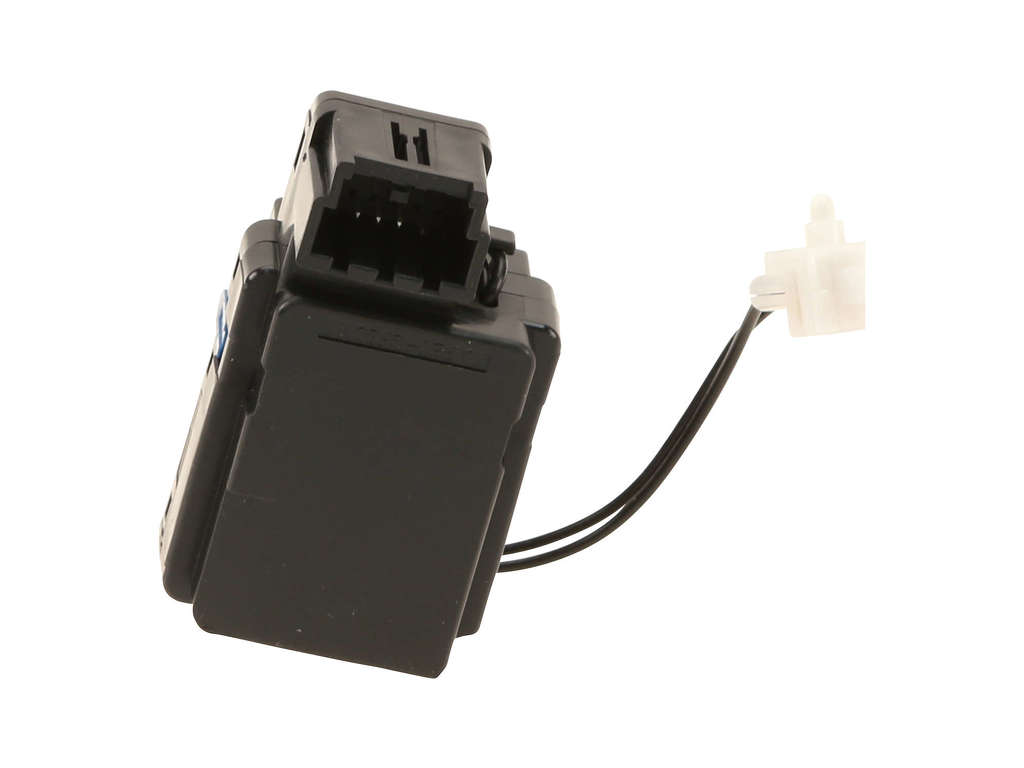


The information in this article is provided for general reference and educational purposes only. Vehicle specifications, procedures, and part compatibility can vary by production date, trim level, and region. Always consult your vehicle's factory service manual and verify part numbers before purchasing or performing repairs. Safety-critical components such as airbags, seat belts, and braking systems should be installed by a qualified professional.
- Chevrolet SILVERADO 1500:
- 🎬 Helpful Videos
- 🛍️ Shop This Part
- What's Unique About the 2007-2014 Chevrolet SILVERADO 1500
- Diagnostic Flowchart
- Symptoms You May Notice
- Most Likely Causes
- Rare But Worth Checking
- Diagnosis Steps
- Parts You'll Likely Need
- Related Codes That Often Appear With This One
- Technical Service Bulletins (TSBs) & Recalls
- Platform-Specific Known Issues
- Hidden / Shadow Codes Worth Checking
- Scan Tool Commands That Help
- Wiring & Ground Locations
- Real Owner Repair Stories
- OEM Part Supersession History
- Model Year Variations Within This Range
- 🎟️ Get 5% Off