

B3935 on 2007-2011 Chevrolet Express: Transponder Error, Causes, and Fixes
Code B3935 on a Chevy Express almost always means a security system issue causing a no-start. The most common cause is radio frequency interference from other keys or fobs on your keychain. Remove all other items from the key ring and try again before replacing any parts.
- B3935 means your van's security system is preventing it from starting.
- Before spending any money, remove your Express key from your keychain and try starting it with the key by itself. This often solves the problem.
- If isolating the key doesn't work, try a spare key. If the spare works, your original key has failed.
- Do not replace expensive components like the BCM or ECM until you have ruled out RFI and a bad key.
- The 30-minute key relearn procedure is a free DIY step that can sometimes resolve the issue after a battery change.
What's Unique About the 2007-2011 Chevrolet EXPRESS
On this generation of Chevrolet Express (GMT610), the Passkey III+ immobilizer system is highly susceptible to radio frequency interference (RFI). General Motors issued multiple versions of Preliminary Information Bulletin PIC5650, warning technicians that this code is often caused by external devices and not a faulty vehicle component. The TSBs specifically advise against replacing parts until RFI from items like other car keys, toll passes, or even aftermarket phone chargers and LED lights has been ruled out. The immobilizer system operates at 125 kHz, and any nearby device operating in or near that frequency can jam the signal.
Diagnostic Flowchart
Tap your situation to follow the diagnostic path that matches what you're seeing on this vehicle.
Symptoms You May Notice
- Engine will not crank or cranks but does not start
- Engine starts for a second and then immediately stalls
- Security light is illuminated or flashing on the instrument cluster.
- "Service Theft Deterrent System" message may appear on the Driver Information Center (DIC).
- Replacing the Body Control Module (BCM)
- Replacing the Engine Control Module (ECM)
- Replacing the ignition switch without proper diagnosis
- Replacing the starter motor for a no-crank condition without checking for security system activation first.
Most Likely Causes
- Radio Frequency Interference (RFI) 🔴 High Probability As documented in TSBs PIC5650L and subsequent versions, the vehicle's security system is sensitive to external radio signals that can 'jam' the key's transponder signal. Common sources include other vehicle keys, keyless entry fobs, building access cards, and even aftermarket USB chargers or LED lights.
How to confirm: Remove all other keys, fobs, access cards, toll passes, and aftermarket electronic devices (like phone chargers) from the keychain and the vehicle's interior. Try starting the vehicle with only the single Express key. If the vehicle starts, the interference has been found.
Typical fix: Isolate the vehicle key from other RFID-emitting devices. Keep the Express key on its own ring or ensure no other fobs are near the ignition when starting.
Est. part cost: $0 - Defective Ignition Key Transponder 🟡 Medium Probability The Philips ID 46 transponder chip embedded in the key head can fail over time due to age, being dropped, or internal damage.
How to confirm: Attempt to start the vehicle with a known-good spare key. If the vehicle starts and runs correctly with the spare, the original key is faulty.
Typical fix: Replace the defective key. A new key will need to be cut and programmed to the vehicle by a locksmith or dealership.
Est. part cost: $75-$200 - Needs Security System Relearn ⚪ Low Probability This can occur after a dead battery, battery replacement, or replacement of certain electrical components (like the TDM or ECM), causing the key and module to lose synchronization.
How to confirm: Perform the GM 30-minute relearn procedure. If the procedure completes successfully and the vehicle starts, this was the cause.
Typical fix: Perform the 30-minute relearn procedure (see Diagnosis Steps).
Est. part cost: $0
Rare But Worth Checking
- Faulty Theft Deterrent Module (TDM) or Exciter Coil: The TDM, which includes the exciter coil ring around the ignition lock cylinder, can fail. This is an uncommon failure and should only be considered after ruling out RFI and a bad key. Diagnosis requires checking the module's power, ground, and data lines. If a known-good key and a replacement key both fail to start the vehicle, the TDM is the next logical suspect.
- Damaged Wiring: A break or short in the wiring between the TDM and the BCM/ECM can cause communication to fail. This is rare but possible, especially if other work has been performed under the dash or in the steering column. 🎬 Watch this professional diagnosis of a security-related no-crank condition. A visual inspection of the harness around the steering column is a good first step.
- Worn or Faulty Ignition Lock Cylinder: While the transponder system (Passkey III+) is separate from the older Passlock system, a severely worn ignition lock cylinder can sometimes contribute to erratic electrical behavior. If the key is very difficult to turn or feels loose, the cylinder itself may be a contributing factor, though less likely to be the direct cause of B3935 compared to the key or RFI.
Diagnosis Steps
- Verify the complaint: Confirm the no-start/start-stall symptom and the security light being active.
- Scan for all DTCs: Check for B3935 and any accompanying codes like B3055 or B3060 to get a full picture of the security event.
- Isolate the Key (CRITICAL STEP): Remove the ignition key from the keychain. Ensure no other keys, fobs, garage door openers, or access cards are nearby. This is the most critical step, as advised by GM TSB PIC5650. Also remove any aftermarket phone chargers or USB devices from the vehicle's power outlets.
- Retest with Isolated Key: Attempt to start the vehicle with only the single Chevrolet key. If it starts, you have found the source of the RFI. Instruct the owner to keep the key separate.
- Test with Spare Key: If isolating the key does not work, try starting the vehicle with a known-good spare key. If the spare key works, the primary key is faulty and must be replaced.
- Perform the 30-Minute Relearn Procedure: If a spare key isn't available or doesn't work, try this procedure. It is essential to use a battery charger during this process to prevent the battery from dying mid-procedure. a) Turn the key to 'ON' (run position) and attempt to start the engine (it will stall). b) Leave the key in the 'ON' position. The security light should be flashing or on solid. c) Wait for approximately 10 minutes, or until the security light turns off. d) Turn the key to 'OFF' for 5-10 seconds. e) Repeat steps a-d two more times for a total of three 10-minute cycles. f) After the third cycle, turn the key off, remove it, re-insert it, and attempt to start the vehicle.
- Professional Diagnosis: If the above steps fail, the issue is likely with the Theft Deterrent Module, its wiring, or the BCM. This requires professional diagnosis with a scan tool that can read live security data to see if the key is being recognized.
Parts You'll Likely Need
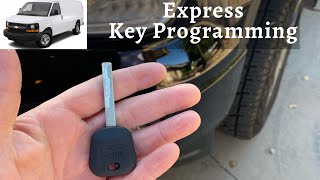
- Transponder Ignition Key
(OEM #23372322 (Supersedes: 15824471, 15871576, 20871094))— The transponder chip inside the key is a common failure point. If a spare key works, the original key is bad.
Trusted brands: ACDelco, Strattec
OEM price range: $100-$200
Aftermarket price range: $50-$120 - Theft Deterrent Module (TDM)
(OEM #22738087 (Supersedes: 15806498, 25992280))— A much less common failure, but this module controls the key reading process. It is replaced only after all other possibilities are exhausted.
Trusted brands: ACDelco
OEM price range: $150-$250
Aftermarket price range: $100-$180
Related Codes That Often Appear With This One
- B3055 — Relates to a problem with the key transponder itself, specifically 'No Transponder Modulation or No Transponder'. Often set alongside B3935 as part of the same security event.
- B3060 — Indicates an issue with the transponder antenna circuit (the exciter coil), specifically 'Un-programmed Transponder'. It's part of the same system and can be triggered during a failed authentication attempt.
Technical Service Bulletins (TSBs) & Recalls
- PIC5650M: Mentions B3935 in relation to intermittent no-crank/no-start conditions with the security light on.
- PIC5650L: Explicitly warns technicians not to replace parts for this concern and to first investigate Radio Frequency Identification devices near the key as the likely cause.
- PIC5650K: A later version of the bulletin that provides an extensive list of potential RFI sources, including aftermarket LED lights, phone chargers, and toll passes.
- PIE0232: Engineering Information request from GM to gather data on low-mileage vehicles with B3935, B3055, or B3060, reinforcing the focus on RFI as a primary diagnostic step before repairs.
Platform-Specific Known Issues
- This platform is highly susceptible to Radio Frequency Interference, as documented by multiple versions of GM Preliminary Information Bulletin PIC5650.
- Owner forums contain numerous threads where a no-start was resolved simply by removing other keys from the ring, confirming the prevalence of the RFI issue.
Wiring & Ground Locations
- Theft Deterrent Module (TDM) — Located in the steering column, near the ignition key cylinder housing.. This module is the brain of the Passkey III+ system. It reads the key transponder, performs the security calculation, and communicates with the ECM. All wiring for the system originates or terminates here.
- Body Control Module (BCM) — Located behind the lower right side of the dash.. The BCM communicates with the TDM and controls the security indicator light on the instrument cluster. On some GM platforms, a BCM software issue can cause a B3935 code, although this is documented for newer models.
- G302 — Located behind the left kick panel.. This is a primary ground point for several instrument panel and data line systems. A poor ground here could cause intermittent communication issues with the TDM or BCM.
- BCM Connector X1, Pin 21 (BRN wire) — At the Body Control Module behind the lower right dash.. This is a specific wire connection point identified by aftermarket bypass module instructions, indicating its role in the security system data lines.
- BCM Connector X1, Pin 14 (PINK wire) — At the Body Control Module behind the lower right dash.. This is an ignition voltage input to the BCM, critical for the security system's operation during the key-on sequence.
Real Owner Repair Stories
- ChevroletForum.com user (Express van 3500 4.8L (year not specified, but behavior is consistent with 2007-2011)) — After replacing the battery, the van would not crank or start, and power locks would not work.
❌ Tried (didn't work) Replacing the battery., Replacing the BCM with a cloned BCM.
✅ What actually fixed it The owner disconnected the battery and connected the positive and negative battery cables together to completely drain all residual power from the modules. After reconnecting the battery, the vehicle started and all systems functioned normally, suggesting the modules needed a hard reset. - YouTube channel Crowbirdvideos (2000 Chevrolet Express 2500 (older model, but Passlock/Passkey system has similar failure modes)) — Intermittent crank/no start, security light on. Wiggling the ignition switch sometimes helped initially.
❌ Tried (didn't work) Replacing the ignition switch., Replacing the lock cylinder housing.
✅ What actually fixed it The ultimate fix was replacing the Theft Deterrent Module (TDM), which was a discontinued part and had to be sourced from a rebuilder on eBay. After physical replacement, a relearn procedure was required. In a later video, the owner states they permanently solved recurring issues by installing a re-flashed ECM with the security program deleted entirely.
Helpful Videos

Used OEM Parts in Stock


New Aftermarket Parts Available


The information in this article is provided for general reference and educational purposes only. Vehicle specifications, procedures, and part compatibility can vary by production date, trim level, and region. Always consult your vehicle's factory service manual and verify part numbers before purchasing or performing repairs. Safety-critical components such as airbags, seat belts, and braking systems should be installed by a qualified professional.
- Chevrolet EXPRESS:
- 🎬 Helpful Videos
- 🛍️ Shop This Part
- What's Unique About the 2007-2011 Chevrolet EXPRESS
- Diagnostic Flowchart
- Symptoms You May Notice
- Most Likely Causes
- Rare But Worth Checking
- Diagnosis Steps
- Parts You'll Likely Need
- Related Codes That Often Appear With This One
- Technical Service Bulletins (TSBs) & Recalls
- Platform-Specific Known Issues
- Wiring & Ground Locations
- Real Owner Repair Stories
- 🎟️ Get 5% Off