

B3935 on 2013-2020 Chevrolet Corvette: No Start, Security Light Causes & Fixes
Code B3935 on a Corvette usually means the car's security system can't detect the key fob, often due to radio frequency (RF) interference. Before replacing any parts, remove other fobs or access cards from your keychain and try starting the car again. A weak key fob battery is the next most likely cause. If those fail, placing the fob in the steering column's transmitter pocket is a key diagnostic step.
- B3935 means your Corvette's security system isn't recognizing your key fob.
- The most likely cause is not a broken part, but radio frequency interference from other items on your keychain. Separate your fob and try again.
- The second most likely cause is a weak key fob battery (CR2032). Replace it before seeking professional repair.
- Use the built-in transmitter pocket (in the steering column or cupholder) as a reliable way to start the car if the battery is weak or there is interference.
- Do not replace expensive modules like the BCM unless all simpler causes have been definitively ruled out.
What's Unique About the 2013-2020 Chevrolet CORVETTE
The keyless entry and start systems in the C7 (2014-2019) and early C8 (2020) Corvette are known to be sensitive. General Motors has issued multiple, evolving Technical Service Bulletins (TSBs) like PIC5650M, warning technicians that this code is frequently caused by external Radio Frequency (RF) interference. The official advice is to rule out interference from other devices on the keychain—like other car fobs, office access cards, toll passes, and even aftermarket phone chargers or LED lights—before attempting any parts replacement. This is a critical distinction, as many owners and shops might otherwise jump to replacing expensive control modules.
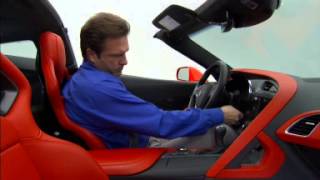
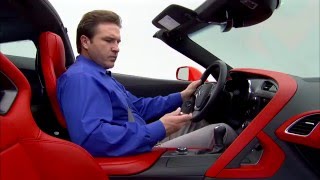
🎬 Watch: How to enter and start your C7 with a dead fob.Diagnostic Flowchart
Tap your situation to follow the diagnostic path that matches what you're seeing on this vehicle.
Generation note: This year range covers the final year of the C6 (2013), the entire C7 generation (2014-2019), and the first year of the C8 (2020). The underlying issue of key fob authentication and RF interference is documented in TSBs that apply across these generations, notably in the push-button start C7 and C8 models. The C7's specific transmitter pocket is on the steering column, while the C8's is in the cupholder.
Symptoms You May Notice
- Intermittent no-crank, no-start condition.
- Engine stalls immediately after starting.
- Security indicator light is illuminated or flashing on the dashboard.
- "No Remote Detected" or "Service Theft Deterrent System" message on the Driver Information Center (DIC).
- Remote Keyless Entry (RKE) functions (lock/unlock/trunk) do not work.
- Passive entry (door unlock on approach) fails.
- TPMS warning light may appear simultaneously, as it uses a similar RF receiver.
- Replacing the vehicle's main 12V battery without testing it first.
- Replacing the starter motor.
- Replacing the Body Control Module (BCM) or Remote Control Door Lock Receiver (RCDLR) before ruling out RF interference and key fob battery issues.
- Assuming a new fob battery is good. One owner on CorvetteForum was about to authorize an expensive RCDLR replacement before trying a different brand of new fob battery, which solved the problem.
Most Likely Causes
- Radio Frequency (RF) Interference 🔴 High Probability As noted in multiple GM service bulletins (PIC5650 series), the vehicle's immobilizer system is highly sensitive to other electronic devices operating in the 125 kHz, 315 MHz, or 433 MHz frequency ranges. This is the most common and overlooked cause. Sources include other car fobs, toll passes, building access cards, aftermarket LED lights, and even some phone chargers.
How to confirm: Remove all other key fobs, building access cards, and electronic devices from the keychain and from inside the car (especially near the center console). If the car starts, interference was the issue.
Typical fix: Keep the Corvette key fob separate from other RF-emitting devices. Turn off or unplug aftermarket accessories.
Est. part cost: $0 - Weak or Dead Key Fob Battery 🟡 Medium Probability Key fobs require battery power to respond to the car's challenge signal, and batteries typically last about 2-3 years. A weak battery may not have the strength to communicate with the car's receiver. Be aware of potentially bad 'new' batteries from retailers.
How to confirm: Try the vehicle's second key fob. If it works, the first fob's battery is the likely culprit. You can also test the battery with a voltmeter; it should be above 3.0 volts. One owner on CorvetteForum resolved their issue by trying a second new battery after the first 'new' one failed.
Typical fix: Replace the CR2032 coin cell battery inside the key fob. Purchase from a reputable source to avoid duds.
Est. part cost: $2-$10 - Fob Not in Correct Location (during low battery/interference event) ⚪ Low Probability
How to confirm: If you see the 'No Remote Detected' message, place the fob in the designated transmitter pocket. On C7 models, this is a slot on the right side of the steering column. On C8 models, it's in the front cupholder. This pocket has a low-power antenna that can read the fob's transponder even if the battery is too weak for long-range transmission. If the car starts, it confirms a communication issue (weak battery or interference) that the direct-contact antenna can overcome.
Typical fix: This is a workaround, not a fix. The underlying cause (battery or interference) must be addressed.
Est. part cost: $0
Rare But Worth Checking
- Body Control Module (BCM) Software Glitch: A known issue on some GM vehicles, including the 2014-2015 model years, could cause B3935 to set along with B2955. TSB PI1180A addresses this specific condition, which requires a dealer to reprogram the BCM with an updated calibration.
- Faulty Remote Control Door Lock Receiver (RCDLR): This module receives the signal from the key fob. While not common, a failure here would prevent the signal from ever reaching the BCM. A diagnostic tip for older models suggests listening for a single click from the RCDLR when attempting to start, which can indicate a failed internal transistor. Replacement requires professional diagnosis and programming.
- Faulty Key Fob: The internal electronics or transponder chip of the key fob itself can fail. If a new battery doesn't solve the issue and the second fob works perfectly, the first fob may need to be replaced. A Camaro owner with code B3935 resolved the issue by getting a new key cut and programmed, as the transponder in the original had failed. This requires programming by a dealer or qualified locksmith.
Diagnosis Steps
- Check the Driver Information Center for messages like 'No Remote Detected' or 'Service Theft Deterrent System'.
- Remove ALL other devices from your keychain and from inside the car. This includes other car fobs, office access cards, toll passes, aftermarket phone chargers, and USB power banks.
- Attempt to start the vehicle. If it starts, you have found the source of RF interference.
- If it still fails, try using the vehicle's second key fob. If the second fob works, the first fob's battery is likely dead or the fob itself is faulty.
- Replace the CR2032 battery in the non-working key fob. Consider buying a reputable brand or even trying a second new battery if the first one doesn't work.
- If a new battery does not work, attempt to start the car by placing the fob in the transmitter pocket (on the right side of the steering column on C7, in the cupholder on C8).
- If the vehicle starts using the pocket, it confirms the fob is programmed correctly but the long-range signal is weak (battery) or blocked (interference).
- If none of the above steps work, the vehicle requires professional diagnosis with a scan tool (like a GM MDI/GDS2) to check for faults in the Remote Control Door Lock Receiver (RCDLR) and Body Control Module (BCM) and to check for any available software updates.
Parts You'll Likely Need
- Key Fob Battery
(OEM #CR2032)— This is the most common part to fail and the easiest and cheapest to replace. A weak battery is a primary cause of fob detection issues.
Trusted brands: Energizer, Duracell, Panasonic
OEM price range: $5-$10
Aftermarket price range: $2-$5 - Key Fob (Transmitter)
(OEM #C7 5-Button: 22779880 (replaces 23465951); C7 4-Button: 25926480)— If the fob's internal electronics have failed, it will need to be replaced. This requires programming to the vehicle by a dealer or locksmith.
Trusted brands: ACDelco
OEM price range: $150-$300
Aftermarket price range: $50-$150 - Remote Control Door Lock Receiver (RCDLR) — A rare but possible failure point. If the module that receives the fob signal is broken, no amount of battery changes will help. This part is difficult to source and requires dealer programming.
Trusted brands: ACDelco
OEM price range: $100-$250 (part only, if available)
Aftermarket price range: Varies (often used/salvage)
Related Codes That Often Appear With This One
- B3055 — Relates to a problem with the key transponder. Often set alongside B3935 due to the same communication failure, as noted in TSB PIC5650M.
- B3060 — Indicates an issue with the transponder antenna circuit, which is part of the same key authentication process and is also listed in TSB PIC5650M.
- B2955 — Specifically linked in TSB PI1180A with B3935 for a no-start condition on some GM models that required a BCM software update.
- C0750, C0755, C0760, C0765 — These are TPMS (Tire Pressure Monitoring System) codes. They are often seen with B3935 because the TPMS and the keyless entry system share the same receiver (RCDLR) and are susceptible to the same RF interference.
Technical Service Bulletins (TSBs) & Recalls
- PIC5650M: The most recent version, which consolidates previous versions (L, K, C, etc.). Warns against replacing parts for B3935 and points to a wide range of RF interference sources as the likely cause.
- PIC5650L: An earlier version of the bulletin with the same core message: investigate RF interference first. [NHTSA Record]
- PI1180A: Addresses a specific no-start condition where B3935 and B2955 are set together, fixed by a BCM software update for certain 2014-2015 models.
- PIC5650C: An older version of the TSB that provides an extensive list of potential RFI sources, including toll passes, access cards, and aftermarket LED lighting.
Platform-Specific Known Issues
- Technical Service Bulletin PIC5650M explicitly warns technicians not to replace any parts for this concern until asking the customer about Radio Frequency Identification (RFID) devices on their keychain or aftermarket electronics (like LED lights or chargers) in the car.
- A real-world repair story on CorvetteForum highlighted a 6-month ordeal to fix an RCDLR, involving multiple used parts that failed to program before a working one was found, emphasizing the difficulty of this repair.
- Owners on forums frequently resolve the 'No Remote Detected' issue by either replacing the fob battery or using the steering column transmitter slot, confirming the sensitivity of the system.
- A diagnostic tip for older Corvettes, also applicable in principle, suggests listening for a single click from the RCDLR upon a start attempt as a sign of internal failure, versus the normal series of clicks.
Scan Tool Commands That Help
- GM GDS2 (Global Diagnostic System 2): Add or Replace Key Fobs — Used to program additional key fobs when at least one working fob is present. The path is: Module Diagnostics -> Remote Control Door Lock Receiver -> Configure/Reset Functions -> Add or Replace Key Fobs. The tool places the module in learn mode, prompting the user to press and hold the lock and unlock buttons on the new fob.
- GM SPS2 (Service Programming System 2) with MDI/MDI2 interface: Immobilizer Learn / Vehicle Theft Deterrent Learn — Required when all key fobs are lost or when replacing certain control modules. This is an online procedure requiring a subscription. It involves a mandatory security wait time of 10-15 minutes before programming can be completed.
Wiring & Ground Locations
- Remote Control Door Lock Receiver (RCDLR) — In the rear cargo compartment, located behind the trim panel near the driver's side (left) courtesy light.. This module is the primary receiver for the key fob's signal. A fault in the module, its wiring, or its antenna connection is a root cause for B3935.
- Body Control Module (BCM) — In the passenger footwell, under the carpet, attached to a metal plate.. The BCM is the master controller for the keyless entry system. It receives data from the RCDLR to authenticate the key. A bad ground or internal BCM fault can trigger this code.
- BCM Ground Pin — On one of the BCM's multi-pin connectors (Connector C7/G), Pin 11 is a ground circuit with a Black/Yellow wire.. A poor connection at this specific ground pin can cause intermittent BCM issues, leading to various DTCs including B3935.
- RCDLR Antenna System — The system consists of the RCDLR module, a coax cable running from it to an antenna amplifier module, and the antenna itself which is integrated into the right rear glass.. A loose connection at the RCDLR module, the amplifier, or the antenna can cause poor signal reception, leading to 'No Remote Detected' messages and TPMS errors.
OEM Part Supersession History
13594348 (BCM)→13594692 (BCM)— Part number update/revision.
Heads up: A C7 owner on CorvetteForum reported that after installing the supposedly superseding part number 13594692, the vehicle was completely dead and would not start, suggesting a potential incompatibility or an incorrect part being provided by the dealer for their specific vehicle.
Model Year Variations Within This Range
- 2017-2019: According to forum discussions, the procedure to add a new key fob may differ. On 2017 and newer models, you may need two already-recognized fobs to add a third. If you only have one recognized fob, you must perform the long-form programming procedure to re-learn the existing fob and the new one, effectively erasing all fobs and starting over.
Helpful Videos


We Have This Part in Stock



The information in this article is provided for general reference and educational purposes only. Vehicle specifications, procedures, and part compatibility can vary by production date, trim level, and region. Always consult your vehicle's factory service manual and verify part numbers before purchasing or performing repairs. Safety-critical components such as airbags, seat belts, and braking systems should be installed by a qualified professional.
- Chevrolet CORVETTE:
- 🎬 Helpful Videos
- 🛍️ Shop This Part
- What's Unique About the 2013-2020 Chevrolet CORVETTE
- Diagnostic Flowchart
- Symptoms You May Notice
- Most Likely Causes
- Rare But Worth Checking
- Diagnosis Steps
- Parts You'll Likely Need
- Related Codes That Often Appear With This One
- Technical Service Bulletins (TSBs) & Recalls
- Platform-Specific Known Issues
- Scan Tool Commands That Help
- Wiring & Ground Locations
- OEM Part Supersession History
- Model Year Variations Within This Range
- 🎟️ Get 5% Off