

B3935 on 2008-2012 Cadillac Escalade Hybrid: No-Start Causes and Fixes
Code B3935 on a 2008-2012 Escalade Hybrid almost always means the engine won't start due to a security system error. The most common cause is Radio Frequency Interference (RFI) from other keys or fobs on your keychain. The fix is usually free: remove all other items from your key ring and try starting again.
- B3935 means your Escalade's anti-theft system is preventing the engine from starting due to a key authentication error.
- DO NOT replace any parts first. The most common cause is Radio Frequency Interference (RFI) from other keys or fobs on your keychain.
- Your first and most important diagnostic step is to remove the Escalade key from the keychain and try to start the engine with the key by itself. This is a free fix that often works.
- If isolating the key doesn't work, try your spare key. If the spare works, you need a new primary key, which requires professional programming.
- Only after ruling out RFI and a bad key should you consider more complex issues like the ignition lock cylinder or BCM.
What's Unique About the 2008-2012 Cadillac ESCALADE HYBRID
The GMT900 platform, on which this generation of Escalade is built, uses a Passkey III+ immobilizer system that is notoriously sensitive to Radio Frequency Interference (RFI). General Motors issued multiple Technical Service Bulletins, including the PIC5650 series (J, K, L, M), warning technicians that intermittent no-start conditions with code B3935 are very frequently caused by external RFI, not a failed part. The immobilizer system operates at 125 kHz, and any nearby device operating in or near that frequency range can jam the signal. Owners can often solve this problem for free by simply isolating the ignition key, a crucial first step before considering any expensive repairs.
Diagnostic Flowchart
Tap your situation to follow the diagnostic path that matches what you're seeing on this vehicle.
Symptoms You May Notice
- Intermittent no-crank or no-start condition.
- Engine starts briefly and then immediately stalls.
- Security indicator light (often a car with a lock symbol) is illuminated or flashing on the dashboard.
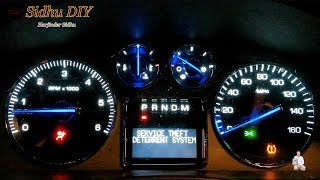
- A 'Service Theft Deterrent System' message may appear on the driver information center.
- Starter Motor
- Battery
- Fuel Pump
Most Likely Causes
- Radio Frequency Interference (RFI) 🔴 High Probability The GM Passkey III+ system's 125 kHz signal is easily disrupted by other RFID-enabled devices like other vehicle key fobs, office access cards, or even some aftermarket phone chargers and LED lights. GM TSBs PIC5650L and PIC5650M specifically cite this as the primary cause to investigate before replacing any parts.
How to confirm: Remove the Escalade ignition key from your keychain. Isolate it from all other keys, fobs, and electronic devices. Unplug any aftermarket chargers or accessories from the vehicle's power outlets. Attempt to start the engine with only the single key. If it starts reliably, RFI was the cause.
Typical fix: Keep other RFID devices separate from the vehicle key while driving. No parts are required.
Est. part cost: $0 - Defective or Damaged Ignition Key Transponder 🟡 Medium Probability The transponder chip (e.g., Philips ID 46) embedded in the key head can be damaged from being dropped, exposure to moisture, or simply fail over time, preventing it from completing the security handshake.
How to confirm: After ruling out RFI, try starting the vehicle with a known-good spare key. If the spare key works consistently, the primary key is defective.
Typical fix: The faulty key must be replaced. A new key will need to be cut and can often be programmed to the vehicle by the owner using a 30-minute relearn procedure, avoiding a dealer visit.
Est. part cost: $50-$180 - Faulty Ignition Lock Cylinder / Exciter Coil ⚪ Low Probability The exciter coil is an antenna that wraps around the ignition lock cylinder to power and communicate with the key's transponder. A break in its internal wiring or a poor connection at its harness will prevent it from reading the key correctly. On this platform, the exciter coil is part of the Theft Deterrent Module (TDM) itself, which is mounted on the ignition switch assembly.
How to confirm: A technician can use a GM-specific scan tool to check for communication with the key. If there is no signal and both keys fail, the TDM/exciter coil assembly is suspect. The diagnostic procedure in the service manual suggests replacing the key first, and if the code returns, replacing the TDM.
Typical fix: Replace the Theft Deterrent Module (TDM), which includes the exciter coil and is located on the steering column. A security relearn procedure is required after replacement.
Est. part cost: $70-$250
Rare But Worth Checking
- Failing Body Control Module (BCM) or Software Glitch: While less common for this specific code, a failing BCM or a software issue can cause a variety of security system problems. This is more likely if code B2955 is also present, which on some GM platforms may indicate a software update is needed per TSB PI1180A.
- Poor BCM Ground Connection: The BCM relies on a solid ground connection (like G201, located at the upper left end of the dash near the A-pillar) to function correctly. A loose or corroded ground can cause intermittent and hard-to-diagnose electrical issues, including security faults. GM issued bulletin 07-08-47-004D warning technicians to always disconnect the negative battery cable before servicing BCM grounds to prevent module damage. 🎬 Watch: How to inspect your BCM and fuse block for issues
Diagnosis Steps
- Confirm the symptom: Note if the security light is on or flashing and if a 'Service Theft Deterrent System' message is displayed when the no-start occurs.
- Isolate the Key (Most Critical Step): Remove the Escalade key from your keychain, separating it from all other keys, fobs, and access cards as per GM TSB PIC5650.
- Unplug Aftermarket Devices: Temporarily unplug any aftermarket phone chargers, dash cams, or LED lights, as they are known sources of RFI.
- Test the Isolated Key: Attempt to start the engine. If it starts, the issue is RFI. Keep interfering items away from the key.
- Test the Spare Key: If the isolated key still fails, try your spare key. If the spare works, the original key is faulty and needs replacement.
- Perform Security Relearn Procedure: This 30-minute procedure can resolve system glitches and program new keys. Turn the key to 'ON' (do not start) and wait about 10 minutes for the security light to turn off. Turn the key 'OFF' for 10-30 seconds. Repeat this cycle two more times for a total of three cycles. After the 🎬 Watch: How to reset the anti-theft system and clear messages third cycle, the key should be learned, and the vehicle should start.
- Professional Diagnosis: If none of the above steps work, the vehicle needs to be diagnosed by a professional with a GM-specific scan tool (Tech 2/GDS2) to check the BCM, TDM, and exciter coil circuits for faults.
Parts You'll Likely Need
- Transponder Ignition Key
(OEM #13504100)— If a spare key works, the transponder chip in the primary key has failed. This is the most common part that needs replacement for this issue after RFI is ruled out.
Trusted brands: ACDelco, GM Genuine Parts
OEM price range: $100-$180
Aftermarket price range: $50-$90 - Ignition Lock Cylinder with Exciter Coil
(OEM #15825343)— If both keys fail and RFI is ruled out, the antenna that reads the key (exciter coil/TDM) may have failed. It is typically replaced as part of the lock cylinder assembly. The Dorman 924-719 is a common aftermarket cross-reference for similar GM lock cylinders, but fitment for this specific Escalade part number should be verified.
Trusted brands: ACDelco, Dorman
OEM price range: $150-$250
Aftermarket price range: $70-$150
Related Codes That Often Appear With This One
- B3055 — Means 'No Transponder Modulation'. It often appears with B3935 because heavy RFI or a completely dead key can prevent the module from receiving any signal at all.
- B3060 — Means 'Unprogrammed Transponder'. It can be triggered alongside B3935 if signal corruption makes the system think the key is unknown or unprogrammed.
Technical Service Bulletins (TSBs) & Recalls
- PIC5650M: Warns that intermittent no-crank/no-start/stall issues with codes like B3935 are often caused by Radio Frequency Interference and parts should not be replaced until RFI is ruled out.
- PIC5650L/K/J: Earlier versions of the same bulletin, progressively adding more examples of RFI sources like aftermarket LED lights, USB chargers, and toll passes.
- 07-08-47-004D: Informs technicians that the BCM can be damaged if its ground path is removed while the battery is connected. This is relevant when diagnosing poor ground connections like G201.
Platform-Specific Known Issues
- Per TSB PIC5650M, this vehicle is susceptible to intermittent no-start or start/stall conditions caused by RFI from aftermarket equipment or other devices on the keychain, which can set codes B3935, B3055, and B3060.
- The 2-mode hybrid system in this vehicle adds significant electrical complexity. While not directly linked to B3935, ensuring the 12V auxiliary battery is fully charged is critical, as low voltage can cause unpredictable behavior in the BCM and TDM.
Mechanic-Grade Diagnostic Values
- Passkey III+ System Operating Frequency — expected: 125 kHz. Failure: Not a value to be measured directly, but knowing this helps identify potential sources of Radio Frequency Interference (RFI) that operate in or near this range (120-135 kHz).
Hidden / Shadow Codes Worth Checking
- B3935 57: This is a GM-specific 'symptom byte' for 'Transponder Authentication Error'. It confirms the Theft Deterrent Module (TDM) recognized a learned key, but the cryptographic challenge/response calculation failed. This strongly points to a faulty transponder chip inside the key or RFI corrupting the data exchange, rather than an unprogrammed key. (see via A professional scan tool capable of reading GM-specific body codes and symptom bytes, such as a GM Tech 2 or GDS2.)
- B3935 3A: This symptom byte means 'Incorrect Transponder Key'. It indicates the key's transponder ID was not found in the BCM's list of learned keys, which could happen if signal corruption is severe or a truly unprogrammed key is used. (see via A professional scan tool capable of reading GM-specific body codes and symptom bytes, such as a GM Tech 2 or GDS2.)
Scan Tool Commands That Help
- GDS2/Tech 2: TDM Data Display — Use this function to monitor live data from the Theft Deterrent Module. Parameters like 'Transponder Key' (should show 'Present') and 'Valid Key' help a technician determine if the module is seeing the key at all, which differentiates between RFI, a bad key, or a failed exciter coil.
- GDS2/Tech 2: Vehicle Theft Deterrent (VTD) Learn — This function is used to initiate the programming sequence for new keys or to relearn existing keys after a module replacement or system glitch. It is the scan tool equivalent of the 30-minute manual relearn procedure.
- GDS2: Data Bus Diagnostic Tool — If the TDM or BCM is suspected of being offline, this tool can verify which modules are communicating on the vehicle's CAN bus. If the TDM is not responding, it points to a power, ground, or communication wiring issue rather than a key-related problem.
Wiring & Ground Locations
- G201 — Located in the upper left corner of the instrument panel, near the driver-side A-pillar. The dash panel typically needs to be disassembled to access it.. This is a critical ground point for the Body Control Module (BCM). A loose or corroded connection at G201 can cause intermittent and difficult-to-diagnose electrical problems, including security system faults like B3935.
- Theft Deterrent Module (TDM) — For this platform, the TDM is integrated with the exciter coil and mounted on the ignition switch assembly, behind the steering column shrouds.. This module contains the antenna (exciter coil) that powers and reads the key's transponder chip. All communication for the Passkey III+ system originates here.
Real Owner Repair Stories
- Reddit user, r/MechanicAdvice (2009 Cadillac Escalade) — Multiple electrical issues, including warning lights on the dash that appeared when the weather was hot.
❌ Tried (didn't work) The user had another mechanic look at it who could not find the cause.
✅ What actually fixed it The problem was traced to a poor ground connection at G201, located at the left end of the dash. Cleaning and securing this ground resolved the electrical issues. - YouTube video by 'CarMANyoutube' (Cadillac Escalade (year not specified, but GMT900 body style)) — 'Service Theft Deterrent System' message on the dash.
✅ What actually fixed it A hard reset of the system resolved the message. This was done by disconnecting the positive battery cable, leaving the key in the 'ON' position for 10 minutes to drain residual power from modules, and then reconnecting the battery.
Model Year Variations Within This Range
- 2008-2013: For these model years, the primary dealer diagnostic tool was the Tech 2 scan tool. While GDS2 can be used on some later models in this range, the Tech 2 is the native tool for deep diagnostics.
- 2014+ (Post-range): Starting in 2014, GM fully transitioned to the GDS2 (Global Diagnostic System 2) software platform for all vehicles. This is relevant as many online guides may refer to GDS2 functions that are not available or are located in different menus on a Tech 2 used for the 2008-2012 Escalade.
Helpful Videos
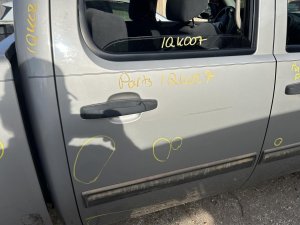
Used OEM Parts in Stock



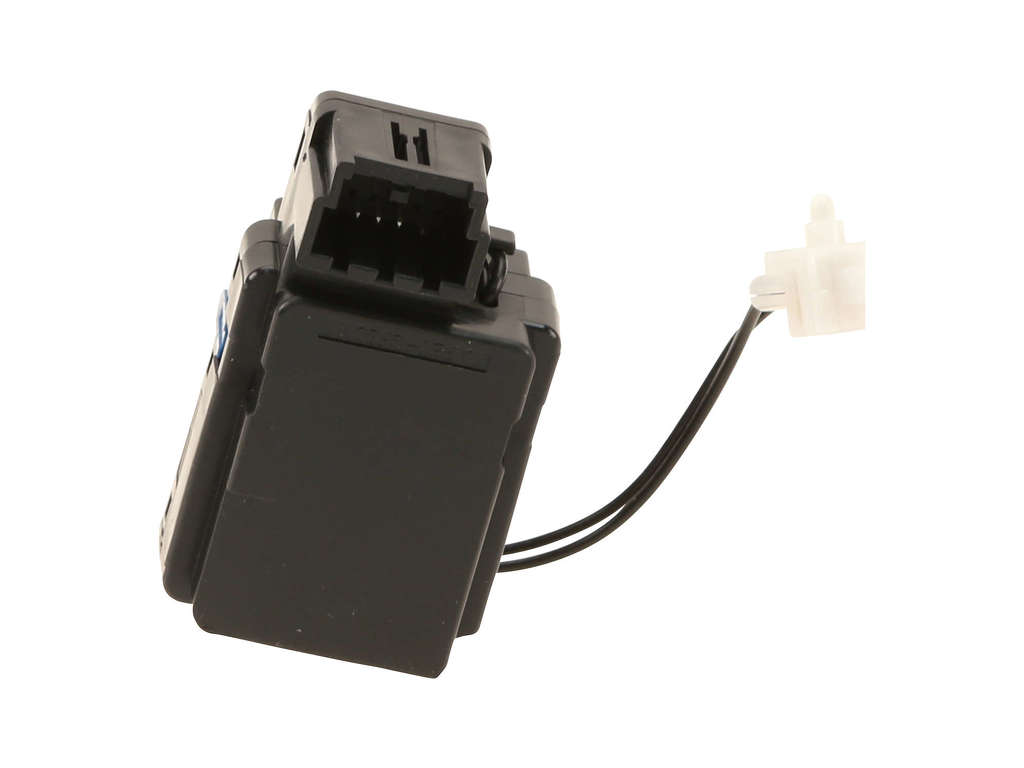
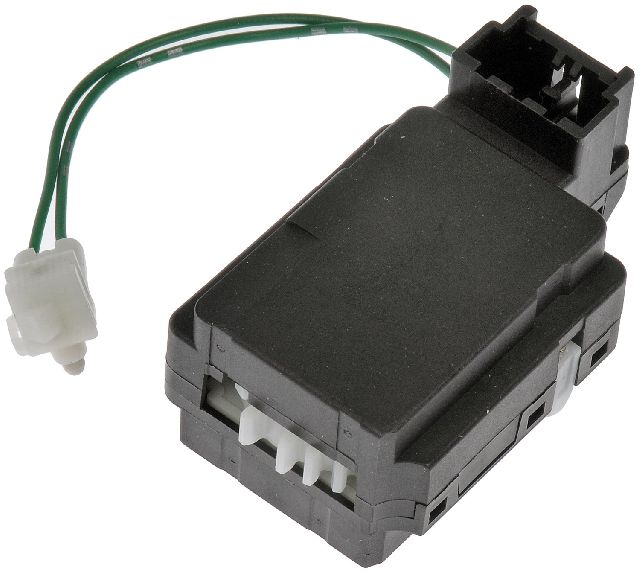
New Aftermarket Parts Available


The information in this article is provided for general reference and educational purposes only. Vehicle specifications, procedures, and part compatibility can vary by production date, trim level, and region. Always consult your vehicle's factory service manual and verify part numbers before purchasing or performing repairs. Safety-critical components such as airbags, seat belts, and braking systems should be installed by a qualified professional.
- Cadillac ESCALADE HYBRID:
- 🎬 Helpful Videos
- 🛍️ Shop This Part
- What's Unique About the 2008-2012 Cadillac ESCALADE HYBRID
- Diagnostic Flowchart
- Symptoms You May Notice
- Most Likely Causes
- Rare But Worth Checking
- Diagnosis Steps
- Parts You'll Likely Need
- Related Codes That Often Appear With This One
- Technical Service Bulletins (TSBs) & Recalls
- Platform-Specific Known Issues
- Mechanic-Grade Diagnostic Values
- Hidden / Shadow Codes Worth Checking
- Scan Tool Commands That Help
- Wiring & Ground Locations
- Real Owner Repair Stories
- Model Year Variations Within This Range
- 🎟️ Get 5% Off