

B3935 on 2007-2011 Cadillac Escalade EXT: No-Start Causes and Fixes
On a 2007-2011 Escalade EXT, code B3935 means the anti-theft system can't verify your key, causing a no-start. The most common cause is radio frequency (RF) interference from other keys or fobs on your keychain. The fix is often free: remove all other items from your keychain and try starting with the Escalade key alone. This is heavily documented in GM service bulletins.
- B3935 means your Escalade's anti-theft system is preventing it from starting due to a key authentication failure.
- Before any repairs, perform the free and simple test of isolating the ignition key from all other keys, fobs, and cards to rule out Radio Frequency Interference (RFI), the most common cause.
- If RFI is not the issue, try a spare key to determine if the primary key's transponder has failed.
- Do not replace the BCM or other expensive modules unless all other, more common and simpler, causes have been definitively ruled out.
What's Unique About the 2007-2011 Cadillac ESCALADE EXT 1500
On this generation of Escalade (GMT900 platform), a B3935 code is very frequently caused by external factors rather than a failed part. The Passkey III+ immobilizer system operates at 125 kHz, which is easily disrupted. General Motors issued multiple versions of Technical Service Bulletins (like PIC5650J, K, L, and M) warning technicians that Radio Frequency Interference (RFI) from other fobs, access cards, or even aftermarket phone chargers can disrupt the key's signal. Owners can often solve this problem for free by simply isolating the ignition key, which is a crucial first step before considering expensive repairs.
Diagnostic Flowchart
Tap your situation to follow the diagnostic path that matches what you're seeing on this vehicle.
Symptoms You May Notice
- Engine will not crank or start
- Engine starts and immediately stalls
- Flashing or solid security light on the instrument cluster (often a car icon with a lock)
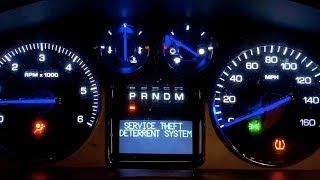
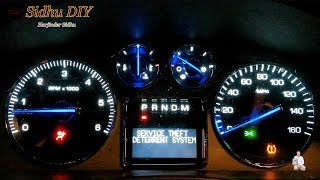
- "Service Theft Deterrent System" message on the driver information center.
- Starter Motor
- Battery
- Ignition Switch
Most Likely Causes
- Radio Frequency Interference (RFI) 🔴 High Probability As documented in numerous GM TSBs (PIC5650 series), the Passkey III+ immobilizer system in these trucks is highly sensitive to external radio signals operating near its 125 kHz frequency. Other keys with transponders (even for other brands), office key cards, gas station payment fobs, or aftermarket phone chargers on the same keychain can disrupt the signal between the ignition key and the vehicle.
How to confirm: Remove the Escalade ignition key from your keychain. Ensure no other keys, fobs, or RFID cards are near the ignition switch. Attempt to start the vehicle with only the single, isolated key. If it starts, RFI was the cause.
Typical fix: Keep the ignition key separate from other electronic items. No parts are required.
Est. part cost: $0 - Faulty or Damaged Ignition Key 🟡 Medium Probability The Passkey III+ (PK3+) transponder chip embedded in the key can be damaged from being dropped or can fail electronically over time, preventing it from responding correctly to the vehicle's security challenge.
How to confirm: After ruling out RFI, try starting the vehicle with a known-good spare key. If the spare key works reliably while the primary key fails, the primary key is faulty.
Typical fix: The faulty key must be replaced. A new key needs to be cut and then programmed to the vehicle's immobilizer system using a specific procedure, which may require a locksmith or dealership.
Est. part cost: $70-$200 - Wiring or Connection Issue ⚪ Low Probability The wiring harness around the steering column can become chafed or damaged over time, leading to an intermittent connection for the immobilizer antenna (exciter coil). The TSB PIC5650M notes the intermittent nature of this fault, which often points to a wiring problem. Poor ground connections, a known issue on GMT900 trucks, can also cause intermittent module behavior.
How to confirm: With a scan tool, monitor the immobilizer data while wiggling the wiring harness near the ignition lock cylinder and BCM. A visual inspection may also reveal chafed or broken wires. Check critical grounds like G218 at the driver's side kick panel.
Typical fix: Repair the damaged section of the wiring harness and secure it to prevent future damage. Clean and tighten any corroded or loose ground connections.
Est. part cost: $5-$50
Rare But Worth Checking
- Faulty Body Control Module (BCM): This is a rare cause for this specific code. GM bulletins advise against replacing the BCM until all other possibilities, especially RFI and key issues, have been exhausted. In some cases on related platforms, a software glitch can be the cause, requiring a dealer to reprogram the BCM rather than replace it, particularly if seen with code B2955. 🎬 Watch this before you attempt BCM replacement and programming. Poor BCM ground connections (G218) are another possibility.
- Faulty Immobilizer Antenna / Exciter Coil: The antenna ring around the ignition lock cylinder that powers the key's transponder can fail, but this is uncommon. It would typically set a code like B3060 ('Unprogrammed Key Transponder') along with B3935. Resistance for the Passkey III+ coil should be between 5 and 20 Ohms.
Diagnosis Steps
- Check for the security light on the dashboard. A flashing or solid light confirms an anti-theft event.
- CRITICAL FIRST STEP: Isolate the ignition key. Remove it from your keychain, away from all other keys, fobs, and access cards, and try to start the engine.
- Unplug any aftermarket accessories like phone chargers, dash cams, or GPS units, as they are known sources of RFI.
- If the vehicle still doesn't start, try a known-good spare key. If the spare works, the original key is defective.
- Check the main vehicle battery. Ensure it is fully charged (12.4V+) as low voltage can cause various module errors.
- Scan the BCM for other related trouble codes like B3055 or B3060, which can provide more diagnostic clues.
- If no key works and RFI is ruled out, you can attempt a 30-minute security relearn procedure. Turn the key to 'ON' (not start) for 10-11 minutes until the security light goes out. Turn key 'OFF' for 10 seconds. Repeat two more times for a total of three cycles. After the third cycle, the vehicle should start. 🎬 Watch: Step-by-step guide for the 30-minute security relearn procedure.
- If the issue persists, inspect the wiring and connectors at the ignition lock cylinder and the Body Control Module (BCM) for any visible damage or looseness. Check the BCM ground G218 near the driver's kick panel.
- If keys and wiring are confirmed to be good, the issue may be with the immobilizer antenna or BCM, which requires professional diagnosis with a dealer-level scan tool.
Parts You'll Likely Need
- Ignition Key with Transponder
(OEM #GM 23372322 (uncoded key blank with transponder))— If the original key's internal Passkey III+ (PK3+) transponder chip has failed, the key must be replaced and programmed to the vehicle.
Trusted brands: ACDelco, Strattec
OEM price range: $100-$250
Aftermarket price range: $50-$150 - Key Fob (Remote)
(OEM #ACDelco 22756465 (6-button remote))— While the remote functions are separate from the transponder chip in the key head, they are often replaced together. This part is for the remote lock/unlock and remote start functions, not the immobilizer.
Trusted brands: ACDelco
OEM price range: $80-$150
Aftermarket price range: $40-$80
Related Codes That Often Appear With This One
- B3055 — Stands for 'Key Not Present' or 'No Transponder Modulation'. It often appears with B3935 because RFI or a faulty key can make the system believe no valid key signal is being received at all.
- B3060 — Stands for 'Unprogrammed Key Transponder'. This can be triggered by the same interference or key communication failure that causes B3935, making the key appear unprogrammed.
- B2955 — Relates to the security system sensor data circuit. On some newer GM platforms (2014+), when B3935 and B2955 appear together, a BCM software update is the required fix per TSB PI1180A. While this TSB doesn't directly apply to the 2007-2011 Escalade, it shows a diagnostic pattern recognized by GM.
Technical Service Bulletins (TSBs) & Recalls
- PIC5650M: Mentions B3935 in the context of an intermittent no-crank/no-start or stall with the security light on. Advises to check for RFI before replacing parts.
- PIC5650J/K/L: Earlier versions of the same bulletin, showing a long history of GM acknowledging RFI as the primary cause for B3935 on this platform.
Platform-Specific Known Issues
- GM Technical Service Bulletin #PIC5650M directly addresses intermittent no-crank, no-start, or start/stall concerns with the security light on, listing B3935 as a primary code. It points towards investigating intermittent issues rather than immediate parts replacement.
- Multiple versions of TSB PIC5650 (including J, K, and L) specifically warn against replacing parts for B3935 and point to Radio Frequency Interference (RFI) as the most likely cause.
Mechanic-Grade Diagnostic Values
- Passkey III+ Immobilizer Antenna (Exciter Coil) Resistance — expected: 5 to 20 Ohms. Failure: A reading outside this range indicates a faulty coil.
- Vehicle Battery Voltage (at rest) — expected: 12.4V or higher. Failure: Voltage below 12.4V indicates a discharged battery that can cause module communication errors.
- Vehicle Battery Voltage (during crank) — expected: Should not drop below 10.0V. Failure: A drop below 10.0V indicates a weak battery unable to supply sufficient power to all modules during startup.
Hidden / Shadow Codes Worth Checking
- B3935 57: 'Transponder Authentication Error' or 'Invalid or Mismatched Key'. This symptom byte specifies that the BCM read a known key, but the cryptographic challenge/response calculation failed. It strongly points to a faulty key chip or RFI rather than an unprogrammed key. (see via GM GDS2 or other professional scan tool capable of reading manufacturer-specific symptom bytes.)
- B3935 3A: 'Incorrect Transponder Key'. This symptom byte indicates the key's transponder ID was not found in the BCM's list of learned keys. This would occur if using a new, unprogrammed key or if the key's signal was severely corrupted. (see via GM GDS2 or other professional scan tool capable of reading manufacturer-specific symptom bytes.)
Scan Tool Commands That Help
- GM Tech2 / GDS2: Module Diagnostics > Body Control Module > Immobilizer Data — Use this to monitor the live status of the immobilizer system. Look for parameters like 'Transponder Key State' to see if it changes from 'Authenticated' to 'Invalid' when the fault occurs, which helps confirm an intermittent problem with a key, wiring, or RFI.
- GM Tech2 / GDS2: Module Diagnostics > Body Control Module > Immobilizer Learn — This function is required to program new keys or to relearn existing keys after a BCM replacement or a system reset. It can resolve synchronization issues and is a necessary step after replacing security-related hardware.
Wiring & Ground Locations
- G218 — Behind the driver-side kick panel, near the A-pillar.. This is a primary body ground point for the BCM. A poor connection here is a known cause for various electrical issues on GMT900 trucks, including BCM malfunctions that can trigger security codes. TSB PIT5405C specifically calls out checking this ground for looseness or trapped insulation.
- BCM (Body Control Module) — Under the driver's side dashboard, located above the parking brake pedal area.. The BCM on the GMT900 platform integrates the Theft Deterrent Module (TDM) functions. All communication from the ignition cylinder's transponder reader flows to the BCM. A poor connection at the BCM connectors or an internal BCM fault can be the root cause.
- G102 / G103 — G102 is on the rear of the driver's side cylinder head. G103 is on the front of the passenger side cylinder head.. These are critical engine-to-chassis grounds. A corroded or loose ground strap at these locations can cause voltage discrepancies between modules, leading to unpredictable communication errors, including security faults.
- Immobilizer Exciter Coil Harness — Runs from the ignition lock cylinder inside the steering column down to the BCM.. This harness carries the low-frequency signal from the key. It is susceptible to chafing or damage where it passes through the steering column's tilt/telescope mechanism, which can cause an intermittent or total loss of signal and trigger B3935.
Real Owner Repair Stories
- YouTube video on channel 'GM Truck Electrical & Ground Issues FIX!!!' (Chevrolet Silverado (GMT900 platform mate)) — Unspecified electrical issues, which commonly include security system faults on this platform.
❌ Tried (didn't work) Not specified, but the video targets issues that persist after common fixes.
✅ What actually fixed it The final fix was replacing a visibly burnt and corroded engine ground strap that connects from the chassis to the back of the engine block (near G102). This restored a solid ground connection for the engine and related modules.
"I Checked Everything" — The Actual Cause
- For code B3935, the equivalent of a 'smoke test clean' scenario is when all component electrical tests (battery, starter, fuses) come back normal. The most common hidden cause in this situation is Radio Frequency Interference (RFI). Standard diagnostics won't detect an external signal jamming the key's authentication handshake. As per GM's own TSBs, the actual fix is often to simply remove other fobs, access cards, or aftermarket chargers from the vicinity of the key.
OEM Part Supersession History
15824471, 89024363, and others→23372322— GM regularly updates service parts to integrate new materials, technologies, or consolidate part numbers.
Heads up: Part 23372322 is an uncoded key blank with a PK3+ transponder. It must be cut to match the vehicle's locks and then programmed to the BCM using a specific relearn procedure. It is not functional out of the box.
Model Year Variations Within This Range
- 2007-2011: While the Passkey III+ system was used throughout this generation, there were no major functional changes affecting the diagnosis of B3935. However, the BCM, which contains the TDM logic, may have had internal hardware or software revisions over the years. Any replacement BCM must be programmed for the specific vehicle using a scan tool with SPS (Service Programming System) access.
Helpful Videos
Used OEM Parts in Stock




New Aftermarket Parts Available


The information in this article is provided for general reference and educational purposes only. Vehicle specifications, procedures, and part compatibility can vary by production date, trim level, and region. Always consult your vehicle's factory service manual and verify part numbers before purchasing or performing repairs. Safety-critical components such as airbags, seat belts, and braking systems should be installed by a qualified professional.
- Cadillac ESCALADE EXT 1500:
- 🎬 Helpful Videos
- 🛍️ Shop This Part
- What's Unique About the 2007-2011 Cadillac ESCALADE EXT 1500
- Diagnostic Flowchart
- Symptoms You May Notice
- Most Likely Causes
- Rare But Worth Checking
- Diagnosis Steps
- Parts You'll Likely Need
- Related Codes That Often Appear With This One
- Technical Service Bulletins (TSBs) & Recalls
- Platform-Specific Known Issues
- Mechanic-Grade Diagnostic Values
- Hidden / Shadow Codes Worth Checking
- Scan Tool Commands That Help
- Wiring & Ground Locations
- Real Owner Repair Stories
- "I Checked Everything" — The Actual Cause
- OEM Part Supersession History
- Model Year Variations Within This Range
- 🎟️ Get 5% Off