

B3935 on 2012-2017 Buick Verano: Immobilizer Fault, No Start Causes and Fixes
Code B3935 on a Buick Verano almost always means the car's anti-theft system can't recognize the key. Before replacing any parts, remove all other keys, fobs, and access cards from your keychain, as radio frequency (RF) interference is the most common cause and the fix is free.
- B3935 indicates a failure in the anti-theft key authentication process.
- The most likely cause is Radio Frequency Interference (RFI). Always try starting the car with the ignition key completely isolated from other keys and electronics before attempting any repairs.
- A faulty key or a dead key fob battery is the second most common cause. Trying a spare key is a critical diagnostic step.
- A security relearn procedure (the '30-minute relearn') can often resolve the issue after a battery replacement or if the system loses key memory.
- This issue is common across the GM Delta II platform, affecting vehicles like the Chevrolet Cruze as well.
What's Unique About the 2012-2017 Buick VERANO

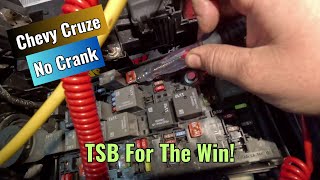
The 2012-2017 Buick Verano is built on the GM Delta II platform, which it shares with the Chevrolet Cruze and Cadillac ELR. The immobilizer system on this platform is notably sensitive to Radio Frequency Interference (RFI). GM has issued multiple Technical Service Bulletins (TSBs), such as PIC5650M, acknowledging that intermittent no-start conditions 🎬 Watch: How a TSB helps diagnose this no-crank issue. with code B3935 are often caused by external electronic devices and not by a faulty vehicle component. This makes it critical to rule out external factors before suspecting a part has failed.
Diagnostic Flowchart
Tap your situation to follow the diagnostic path that matches what you're seeing on this vehicle.
Symptoms You May Notice

- Vehicle will not crank (no-crank, no-start)
- Engine starts and immediately stalls
- Security indicator light is illuminated or flashing on the dashboard.
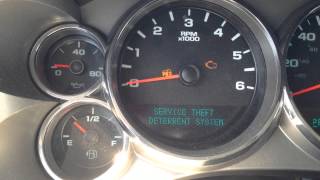
- "Service Anti-Theft System" message on the driver information center.
- A single key (e.g., a new aftermarket key) stops working while an original key still functions.
- Replacing the battery: While a weak battery can cause a no-start, it won't typically set the B3935 code and illuminate the security light unless the low voltage itself corrupts the handshake.
- Replacing the starter: A faulty starter will cause a no-crank condition, but it is not related to the vehicle's anti-theft system.
- Replacing the Body Control Module (BCM) prematurely: Per TSB PIC5650L, parts should not be replaced until RFI has been completely ruled out.
Most Likely Causes

- Radio Frequency Interference (RFI) 🔴 High Probability As documented in GM TSBs PIC5650L and PIC5650M, the immobilizer system is sensitive to external radio signals. The signal from the key's transponder is low power and can be easily overpowered by other devices on the keychain or in the car.
How to confirm: Remove all other items from the key ring, especially other car keys with transponders, office access cards, gas station speed passes, and any aftermarket electronic devices like phone chargers or dash cams. Try starting the car with only the Verano key present. If it starts, RFI was the cause.
Typical fix: Keep the ignition key isolated from other Radio Frequency Identification (RFID) devices. This fix costs nothing.
Est. part cost: $0 - Defective Ignition Key Transponder 🟡 Medium Probability The transponder chip in the key can fail from age, being dropped, or internal damage. The key's battery dying can also cause this issue.
How to confirm: Attempt to start the vehicle with a known-good spare key. If the spare key works consistently, the original key is faulty. You can also try replacing the battery in the key fob.
Typical fix: Purchase a new key and have it cut and programmed to the vehicle by a dealership or a qualified automotive locksmith.
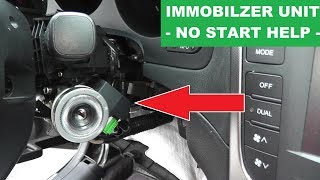
Est. part cost: $70-$150 - Faulty Immobilizer Antenna/Ignition Lock Cylinder ⚪ Low Probability The antenna coil (also called a transceiver or exciter ring) that energizes and reads the key's transponder chip can fail, though it's less common than key or interference issues. It's a sensitive electronic component subject to failure over time.
How to confirm: This requires professional diagnosis. A technician will use a scan tool to check for signals from the Theft Deterrent Module and may test the coil's resistance and wiring. A failure of this component is internal and not visible.
Typical fix: Replacement of the ignition lock cylinder's immobilizer antenna ring. The part is often sold as an 'Immobilizer Transceiver Antenna'.
Est. part cost: $30-$70 - Body Control Module (BCM) Software or Hardware Fault ⚪ Low Probability While not specific to the Verano, BCM failures can occur on any modern vehicle. Some GM vehicles have had software updates to address similar issues.
How to confirm: This is a last resort after all other causes are ruled out. A dealership must perform a full diagnostic scan and check for available software updates for the BCM.
Typical fix: Reprogramming the BCM with updated software or, if the module has failed internally, replacing and programming a new BCM.
Est. part cost: $400-$800
Rare But Worth Checking
- Weak or Dead Vehicle Battery:
Diagnosis Steps
- Check for the security light on the dashboard. If it's on or flashing, an anti-theft issue is present.
- Remove the ignition key and take everything else off the keychain. This includes other keys, fobs, store loyalty cards, and RFID access badges.
- Attempt to start the vehicle with the isolated Buick key. If it starts, the problem is RFI.
- If the car still doesn't start, try your spare key. If the spare key works, the primary key is faulty. Also consider replacing the battery inside the key fob.
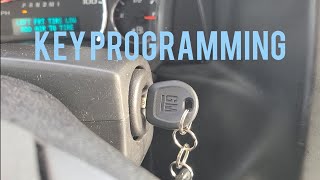
- If neither key works and RFI is ruled out, perform a vehicle security relearn procedure (All Keys Lost). Insert a new, cut key and turn the ignition to 'ON' for 10 minutes, or until the security light turns off. Turn the ignition 'OFF' for 5 seconds. Repeat this cycle two more times for a total of three 10-minute cycles. 🎬 See a walkthrough of the 30-minute key relearn process. On the fourth turn to 'ON', the key should be learned and the vehicle should start.
- If you have one working key and want to add another, there is a simpler procedure: Turn a working key to 'ON', then 'OFF'. Within 10 seconds, insert the new key and turn it to 'ON'. The security light should turn off, indicating the new key is programmed.
- If the issue persists, the vehicle requires professional diagnosis with a scan tool capable of reading GM body codes to test the immobilizer antenna and BCM.
Parts You'll Likely Need

- Transponder Ignition Key
(OEM #13504202)— If one key has failed, a new key is the only solution. It must be programmed to the vehicle. This part number is widely cross-compatible with other GM vehicles of the era.
Trusted brands: ACDelco, Strattec, Ilco
OEM price range: $50-$90
Aftermarket price range: $20-$40 - Immobilizer Transceiver Antenna
(OEM #13523275)— If both keys fail to work and RFI is ruled out, the antenna that reads the key chip may have failed. This part is the reader coil around the ignition cylinder. 🎬 Watch: How to test and replace the immobilizer antenna.
Trusted brands: ACDelco (GM Genuine)
OEM price range: $30-$60
Aftermarket price range: $20-$40
Related Codes That Often Appear With This One
- B3055 — This code relates to a 'No Transponder Key' or 'Key Problem'. It is often set alongside B3935 as part of the same anti-theft system fault, as noted in TSBs PIC5650M and PIC5650L.
- B3060 — This code indicates an 'Unprogrammed Transponder Key'. It is also part of the immobilizer system and can appear with B3935 during a key authentication failure, as cited in TSBs PIC5650M and PIC5650L.
Technical Service Bulletins (TSBs) & Recalls
- PIC5650M: Details intermittent no-crank concerns with security light on, listing B3935 and others. It provides an extensive list of potential RFI sources, including aftermarket LEDs and chargers.
- PIC5650L: Specifically advises technicians not to replace parts for this concern until investigating RFI from devices the customer may be using.
Platform-Specific Known Issues
- As per TSB PIC5650M, aftermarket LED lighting (dome lights, headlights, etc.) and certain phone chargers are known sources of RFI that can cause this code and a no-start condition.
- Parasitic battery drains are a somewhat common complaint on the Verano, which can lead to a dead battery and subsequently trigger the B3935 code upon jump-starting or replacement.
Hidden / Shadow Codes Worth Checking
- B3935 57: This is a symptom code for 'Transponder Authentication Error', indicating the key's challenge/response calculation did not match the module's calculation. (see via GM dealer-level scan tools like GDS2 or high-end professional scan tools.)
- B3935 00: This is a symptom code for 'Transponder Authentication Error' used on some models, indicating the key's challenge/response calculation did not match the BCM's calculation. (see via GM dealer-level scan tools like GDS2 or high-end professional scan tools.)
- B3935 + B2955: A specific combination of codes that points to a known BCM software glitch on some GM models, causing a no-start. The fix is a BCM software update, not hardware replacement. (see via Any scan tool capable of reading GM body codes.)
Scan Tool Commands That Help
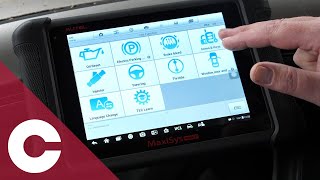
- GDS2/Tech2 or equivalent professional scan tool: Immobilizer Relearn / Key Programming — Used after replacing a key or immobilizer-related module (BCM/TDM). The scan tool can initiate the relearn procedure, which takes about 10 minutes, as a faster alternative to the 30-minute manual method.
- GM Service Programming System (SPS): Body Control Module (BCM) Reprogramming — Used to apply updated software calibrations to the BCM. This is the specific fix for the no-start condition caused by DTCs B3935 and B2955 setting together due to a software issue.
Wiring & Ground Locations
- Body Control Module (BCM) — Located in the front passenger side of the center console.. The BCM is the central module for the immobilizer system on this vehicle. A poor connection or water intrusion at this location can cause this fault.
- G103 (Likely) — On many GM platforms, this ground is located on the cowl in the engine compartment, above the brake booster.. This is a common ground point for the BCM, Instrument Panel Cluster (IPC), and Data Link Connector (DLC). A loose or corroded G103 ground can cause a wide range of electrical issues, including communication errors that could trigger an immobilizer fault.
- OBD-II Data Link Connector (DLC) — Under the driver's side dashboard, to the left of the steering column, near the hood release handle.. This is the port used to connect a scan tool to communicate with the BCM and other modules to retrieve codes and perform diagnostic functions.
Real Owner Repair Stories
- Camaro5 Chevy Camaro Forum (2012 Chevrolet Camaro SS (shared GM platform)) — No crank, no start, with 'Service Theft Deterrent System' message on the dash. Scan tool showed code B3935.
❌ Tried (didn't work) Disconnecting and reconnecting the battery.
✅ What actually fixed it A locksmith cut a new, standard (non-switchblade) transponder key. The owner then successfully performed the 30-minute (3x10 minute cycles) key relearn procedure themselves, which programmed the new key and allowed the car to start.
When the Usual Fixes Don't Work
- While TSB PIC5650L advises against replacing parts until RFI is ruled out, there is a specific counter-scenario documented in GM Preliminary Information bulletin PI1180A. For some vehicles experiencing a no-start with both DTC B3935 and B2955 set, the root cause is a BCM software glitch. In this specific instance, the problem is not RFI or a failed key, and the only correct fix is to reprogram the BCM with an updated software calibration using the GM Service Programming System (SPS).
OEM Part Supersession History
13502301, 13504286→13523275— Part consolidation and revision by the manufacturer.
Heads up: The new part number (13523275) is the correct service replacement for the older numbers. Using a used module with an old part number may not be compatible with the latest vehicle software. This part requires programming after installation.
Model Year Variations Within This Range
- 2012-2017 (Push-to-Start models): On models with a push-to-start ignition, there is no traditional key slot for the relearn procedure. Instead, a 'transmitter pocket' is used. For a 2013 Verano, this pocket is located inside the center console, under the removable cup holder. The key fob must be placed in this pocket to perform programming or to start the car if the fob battery is dead.
Helpful Videos
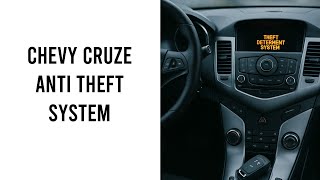

Used OEM Parts in Stock


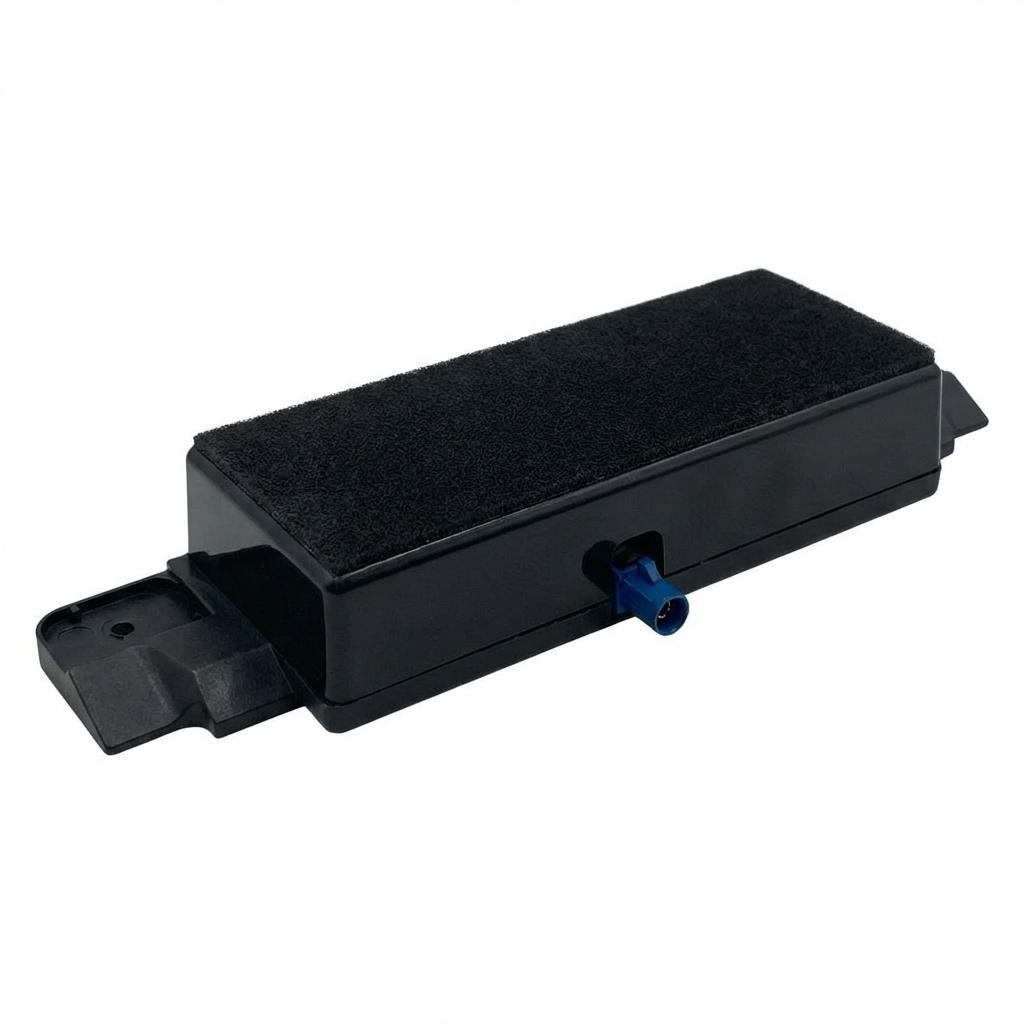



New Aftermarket Parts Available
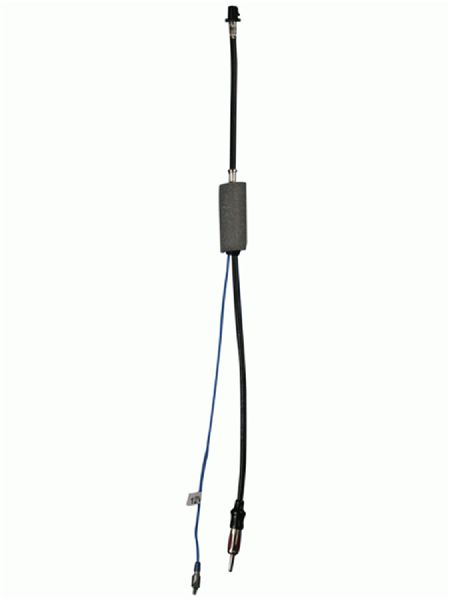
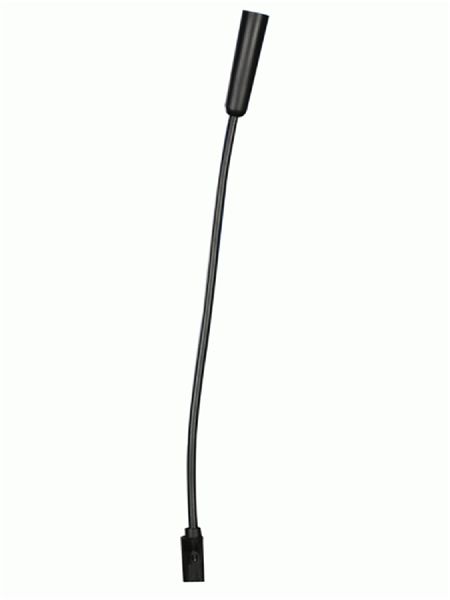


The information in this article is provided for general reference and educational purposes only. Vehicle specifications, procedures, and part compatibility can vary by production date, trim level, and region. Always consult your vehicle's factory service manual and verify part numbers before purchasing or performing repairs. Safety-critical components such as airbags, seat belts, and braking systems should be installed by a qualified professional.
- Buick VERANO:
- 🎬 Helpful Videos
- 🛍️ Shop This Part
- What's Unique About the 2012-2017 Buick VERANO
- Diagnostic Flowchart
- Symptoms You May Notice
- Most Likely Causes
- Rare But Worth Checking
- Diagnosis Steps
- Parts You'll Likely Need
- Related Codes That Often Appear With This One
- Technical Service Bulletins (TSBs) & Recalls
- Platform-Specific Known Issues
- Hidden / Shadow Codes Worth Checking
- Scan Tool Commands That Help
- Wiring & Ground Locations
- Real Owner Repair Stories
- When the Usual Fixes Don't Work
- OEM Part Supersession History
- Model Year Variations Within This Range
- 🎟️ Get 5% Off