

B3935 on 2007 Buick Rainier: Security System No-Start Causes and Fixes
On a 2007 Buick Rainier, code B3935 usually means the anti-theft system is preventing the engine from starting. The most likely cause is radio frequency interference (RFI) from other keys or electronics. Before replacing any parts, remove all other items from your keychain and try starting again; this fix is free and often works.
- B3935 on your Rainier means the anti-theft system has locked you out, causing a no-start or start-and-stall.
- Before spending any money, the most important step is to remove your ignition key from all other keys, fobs, and cards to rule out Radio Frequency Interference (RFI), the most common cause.
- If RFI isn't the issue, try a spare key to rule out a faulty key chip.
- The 30-minute security relearn procedure is a free step that can often resolve the problem after a battery disconnect or part replacement.
- If parts are needed, the most likely culprits are the key itself or the ignition lock cylinder housing (ACDelco D1462G), not more expensive components like the BCM.
What's Unique About the 2007-2007 Buick RAINIER
The 2007 Buick Rainier and its GMT360 platform mates (like the Chevy Trailblazer and GMC Envoy) use GM's Passkey III (PK3) transponder-based security system. While many vehicles with this code suffer from failed keys or modules, these GM platforms of this era are uniquely susceptible to Radio Frequency Interference (RFI). Manufacturer Technical Service Bulletins (TSBs) specifically warn technicians *not* to replace parts for this code until RFI from other keys, fobs, or aftermarket electronics has been ruled out, as it is the most common cause.
Diagnostic Flowchart
Tap your situation to follow the diagnostic path that matches what you're seeing on this vehicle.
Symptoms You May Notice
- Engine will not crank (no-crank, no-start)
- Engine starts but immediately stalls
- Security light is on or flashing on the dashboard.
- Message on driver information center like 'Service Theft Deterrent System'
- Replacing the starter motor. A starter will not fix a security-related no-start issue.
- Replacing the fuel pump. The fuel pump is disabled by the BCM as a result of the code, but the pump itself is not the root cause.
- Replacing the battery without addressing the underlying security fault. However, a very low battery can cause various electronic modules to malfunction, so ensuring the battery is fully charged is a prerequisite for accurate diagnosis.
Most Likely Causes
- Radio Frequency Interference (RFI) 🔴 High Probability As documented in GM TSBs PIC5650L and PIC5650M, the Passkey III system in this vehicle is sensitive to interference from other RFID-enabled cards (like office access cards), other vehicle key fobs on the same keychain, or aftermarket electronics plugged into the vehicle's power outlets (like phone chargers or dash cams).
How to confirm: Remove the Rainier ignition key from the keychain so it is isolated. Remove all aftermarket devices from power outlets. If the vehicle starts and runs normally, RFI was the cause.
Typical fix: Keep the vehicle key separate from other fobs and RFID cards. Avoid using low-quality aftermarket chargers.
Est. part cost: $0 - Faulty or Weak Ignition Key 🟡 Medium Probability The transponder chip embedded in the key head can fail over time, or the key itself can be damaged from being dropped. This is a common failure point for all transponder-based systems.
How to confirm: Attempt to start the vehicle with a known-good spare key. If the spare key works consistently, the primary key is faulty.
Typical fix: Replace the faulty key. A new key must be cut to match and then programmed to the vehicle by a dealer or qualified automotive locksmith. A security relearn procedure will be necessary.
Est. part cost: $50-$150 - Failing Ignition Switch or Lock Cylinder ⚪ Low Probability The exciter coil that powers the key's transponder is located around the ignition lock cylinder. Wear and tear in the ignition switch or damage to this coil's wiring can cause intermittent signal loss, leading to authentication errors. This is a well-known issue on many GM platforms of the era, frequently discussed in owner forums.
How to confirm: After ruling out RFI and the key itself, a technician can test the continuity and signal from the exciter coil and ignition switch wiring. Wiggling the key in the ignition may also reproduce the symptom. On GMTNation forums, users report that replacing the ignition switch (a separate part from the lock cylinder) often resolves various electrical gremlins, including no-starts.
Typical fix: Replace the ignition switch and/or the ignition lock cylinder housing. A security relearn procedure is required after replacement.
Est. part cost: $100-$300
Rare But Worth Checking
- Failing Body Control Module (BCM): The BCM is the computer that manages the theft deterrent system. While it can fail, it is uncommon and should only be considered after all other possibilities, including wiring, have been thoroughly exhausted. Misdiagnosing a BCM is a costly mistake.
- BCM Software Glitch: For some GM models, a software glitch in the BCM can cause B3935 to set along with B2955. TSB PI1180A was released for 2014-2015 trucks and SUVs to address this with a software update. While not specific to the Rainier, it shows a precedent for software-related fixes for this code. This would require a dealer or equipped shop to reprogram the BCM.
Diagnosis Steps
- Verify the symptoms: Confirm the no-start or start-stall condition and the illuminated security light.
- Question the driver about items on their keychain and any aftermarket electronics, per TSB PIC5650L.
- Isolate the ignition key: Remove the key from all other keys, fobs, and cards. Unplug any phone chargers or dash cams. Attempt to start the vehicle.
- Test the spare key: If the isolated primary key still fails, try the spare key. If the spare works, the primary key is faulty.
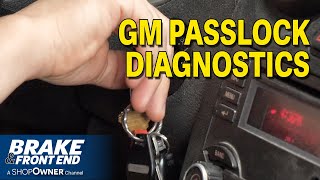
- Perform a Security Relearn Procedure: Ensure the vehicle battery is fully charged before starting. Turn the key to the 'ON' position (without starting) and wait for the security light to turn off (approx. 10-12 minutes). Turn the key off for 5-10 seconds. Repeat this process two more times for a total of three 10-minute cycles. 🎬 Watch: Step-by-step guide to the GM security relearn procedure After the third cycle, turn the key off and then try to start the vehicle. This procedure erases all previously learned keys and learns the current one.
- If the relearn fails or the issue persists, inspect the wiring and connector at the ignition lock cylinder for any signs of damage or looseness. This requires removing the steering column shrouds.
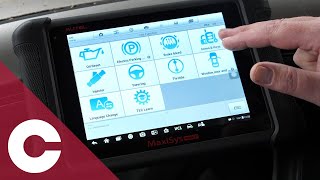
- If all other steps fail, a professional diagnosis using a scan tool that can read BCM data is necessary 🎬 See this video for advanced GM security system diagnostics to test the ignition switch, exciter coil, and BCM itself.
Parts You'll Likely Need
- Transponder Ignition Key
(OEM #ACDelco B111-P (PK3+ key blank, requires cutting and programming))— If one key has failed but the spare works, the transponder chip in the primary key is the issue.
Trusted brands: ACDelco, Strattec
OEM price range: $70-$120
Aftermarket price range: $30-$60 - Ignition Lock Cylinder Housing
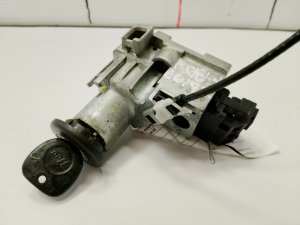
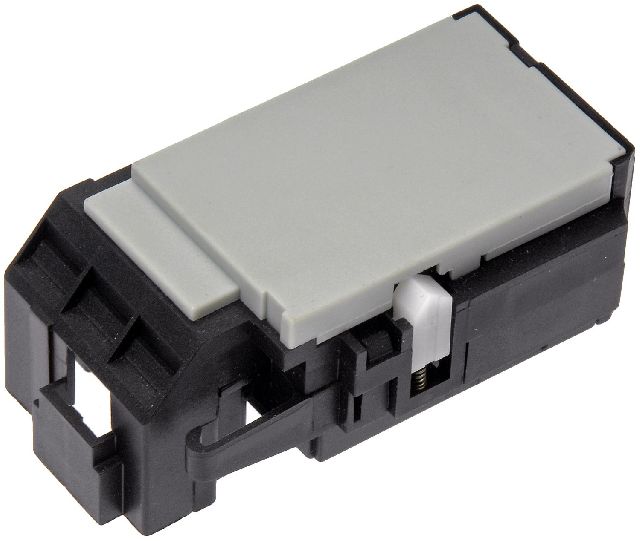
(OEM #ACDelco D1462G)— If RFI and the key are ruled out, the internal wiring or the transponder exciter coil within the lock cylinder housing is the next most likely point of failure. This part is the housing that contains the exciter ring, not the keyed lock cylinder itself.
Trusted brands: ACDelco, Dorman, Standard Motor Products
OEM price range: $80-$150
Aftermarket price range: $50-$100
Related Codes That Often Appear With This One
- B3055 — Relates to 'No Transponder Modulation or No Transponder', meaning the system received no signal at all. It often appears with B3935 as part of the same security event, especially when RFI is the cause.
- B3060 — Indicates an 'Unprogrammed Transponder', frequently logged alongside B3935 if the key is new and not yet learned, or if communication is corrupted.
Technical Service Bulletins (TSBs) & Recalls
- PIC5650M: Mentions B3935 in the context of an intermittent no-crank/no-start with the security light on, and lists it with other related security codes like B3055 and B3060.
- PIC5650L: Explicitly warns against replacing parts for B3935 and points to Radio Frequency Identification as a likely cause.
Platform-Specific Known Issues
- TSB #PIC5650M and #PIC5650L directly address this code on the 2007 Buick Rainier. They highlight an intermittent no-crank, no-start, or stall condition with the security light on. Crucially, TSB #PIC5650L states, 'Technician should not replace any parts for this concern. If unable to duplicate the concern ask if the customer uses any Radio Frequency Identification...', strongly pointing to RFI as a primary, non-part-failure cause.
- Ignition Switch Failure: Beyond the security system, the separate electrical ignition switch (the component the lock cylinder turns) is a notoriously common failure item on the GMT360 platform, causing a wide range of electrical issues including no-start conditions. Owners on GMTNation.com often replace this as preventative maintenance or to solve mysterious electrical problems.
Mechanic-Grade Diagnostic Values
- Ignition Switch Voltage Drop — expected: Should be at least 90% of battery voltage (e.g., >11.34V on a 12.6V battery).. Failure: Voltage significantly less than 90% of battery voltage indicates high resistance in the switch or its connections.
Hidden / Shadow Codes Worth Checking
- B2955: Security Sensor Data Incorrect but Valid. This code can appear alongside B3935 on some GM platforms and may indicate a BCM software issue requiring a dealer reflash, as noted in TSB PI1180A for other GM models. (see via Professional scan tool with access to GM-specific Body Control Module codes (e.g., Tech2, GDS2).)
Scan Tool Commands That Help
- GM Tech2 / GDS2: Live Data Display (TDM/BCM) — Use this to view parameters like 'Immobilizer Key Status' and 'Transponder Key Present' to see what the module is seeing (or not seeing) from the key in real-time. This helps differentiate between a key not being seen at all (B3055) versus a key that is seen but fails authentication (B3935).
- GM Tech2 / GDS2: VTD Re-Learn / Theft Module Re-Learn — This is a scan tool-guided version of the 30-minute manual relearn procedure. It is used after replacing a key or the Theft Deterrent Module to program the new components to the vehicle.
- GM SPS (Service Programming System): BCM Programming/Setup — This function is required when the Body Control Module (BCM) itself is replaced. It flashes the new module with the correct software and vehicle configuration.
Wiring & Ground Locations
- Body Control Module (BCM) — Beneath the left rear seat, mounted on the rear fuse block assembly.. The BCM is the central computer for the Passkey III security system. A poor connection or corrosion at the module itself can cause B3935. The location under a seat makes it susceptible to moisture or physical damage.
- BCM Connectors — At the BCM under the left rear seat. There is a 24-way gray connector, a 32-way tan connector, and a 40-way body wiring extension.. When diagnosing, these connectors must be disconnected in a specific order (40-way first, then 32-way, then 24-way) and only after the negative battery cable is disconnected to prevent module damage.
- G302 / G401 — G302 is located on the lower left 'B' pillar. G401 is on the lower left 'D' pillar.. These are key ground points for various body components. While not explicitly listed as the primary BCM ground, a poor ground at these locations can introduce electrical noise and intermittent issues with modules on the data bus, potentially triggering security faults.
Real Owner Repair Stories
- Chevrolet Forum user (2007 Chevrolet Silverado (similar GM electrical architecture)) — Vehicle would not start and displayed a 'Service Theft Deterrent System' message after the battery had been replaced.
❌ Tried (didn't work) Unhooking the battery again.
✅ What actually fixed it A 'hard reset' was performed by disconnecting both battery cables and holding the positive and negative cable terminals together for 45-60 seconds. This drains all residual power from the vehicle's modules, forcing a complete reset. After reconnecting the battery, the vehicle started normally.
When the Usual Fixes Don't Work
- While most B3935 fixes involve RFI or keys, a confirmed fix on other GM platforms for this exact code was a BCM software update (per TSB PI1180A). This shows that a logic error within the BCM, not a hardware failure, can be the root cause, requiring a dealer reflash instead of part replacement. Additionally, in cases where the security system seems 'stuck' after a battery change or jump-start, a full module reset by shorting the disconnected battery cables has been reported to resolve the issue when standard relearn procedures fail.
OEM Part Supersession History
15795321→ACDelco D1462G— Standard part number update from GM internal number to ACDelco service part number.
Heads up: While this part fits many GMT360-related platforms (Colorado, H3), always verify fitment for the Rainier specifically, as some parts databases do not list it. The part itself is the housing containing the transponder exciter coil.
Helpful Videos
Used OEM Parts in Stock
New Aftermarket Parts Available


The information in this article is provided for general reference and educational purposes only. Vehicle specifications, procedures, and part compatibility can vary by production date, trim level, and region. Always consult your vehicle's factory service manual and verify part numbers before purchasing or performing repairs. Safety-critical components such as airbags, seat belts, and braking systems should be installed by a qualified professional.
- Buick RAINIER:
- 🎬 Helpful Videos
- 🛍️ Shop This Part
- What's Unique About the 2007-2007 Buick RAINIER
- Diagnostic Flowchart
- Symptoms You May Notice
- Most Likely Causes
- Rare But Worth Checking
- Diagnosis Steps
- Parts You'll Likely Need
- Related Codes That Often Appear With This One
- Technical Service Bulletins (TSBs) & Recalls
- Platform-Specific Known Issues
- Mechanic-Grade Diagnostic Values
- Hidden / Shadow Codes Worth Checking
- Scan Tool Commands That Help
- Wiring & Ground Locations
- Real Owner Repair Stories
- When the Usual Fixes Don't Work
- OEM Part Supersession History
- 🎟️ Get 5% Off