

B3925 on 2018-2024 Chevrolet Equinox: No Start, FOB Not Detected Causes & Fixes
On a 2018-2024 Equinox, code B3925 almost always indicates a Body Control Module (BCM) memory corruption, often triggered by a low voltage event like a weak battery or jump start. The fix is not a part replacement but a specific BCM reprogramming procedure performed by a dealer or a qualified shop with GM's SPS software, as detailed in TSB #23-NA-163.
- B3925 on a 2018-2024 Equinox means the vehicle's security system is locked due to a software glitch in the Body Control Module (BCM).
- The most common trigger is a weak battery, a jump-start, or battery replacement.
- The fix is NOT replacing the BCM. It is a specific software reprogramming procedure that must be done by a GM dealer or a shop with GM's SPS software, as per TSB 23-NA-163.
- Before any repair, ensure the 12V battery is fully charged and healthy, as low voltage is the root cause.
- This issue also affects platform mates like the GMC Terrain, Buick Enclave, and GMC Acadia.
What's Unique About the 2018-2024 Chevrolet EQUINOX
On this generation of Equinox and other similar GM platforms (GMC Terrain, Buick Enclave), the specific 'GEN3R' Body Control Module (BCM) is highly sensitive to low voltage situations. Events like a dying battery, a jump start, or even briefly disconnecting the battery can cause a memory corruption event within the BCM. This leads to a cascade of communication failures and sets the B3925 code, disabling the vehicle. GM has issued specific service bulletins (TSBs) to address this known software vulnerability, providing a reprogramming fix rather than a hardware replacement.
Diagnostic Flowchart
Tap your situation to follow the diagnostic path that matches what you're seeing on this vehicle.
Symptoms You May Notice
- No Crank, No Start.
- Vehicle starts but immediately stalls.
- "No FOB Detected" or "No Remote Detected" message on the dash.
- Key fobs are inoperative (cannot lock or unlock doors).
- Security light may be flashing on the instrument cluster.
- Multiple, seemingly unrelated warning lights on the dashboard.
- Complete loss of power to interior electronics (radio, windows, etc.).
- Replacing the Body Control Module (BCM)
- Replacing the Key Fob
- Replacing the Starter
- Replacing the Keyless Entry Antennas
- Replacing the Battery without reprogramming the BCM
Most Likely Causes
- Body Control Module (BCM) Memory Corruption 🔴 High Probability The specific GEN3R BCM used in these vehicles is susceptible to memory corruption following a low voltage event. TSB #23-NA-163 explicitly identifies this as the root cause.
How to confirm: A professional scan tool will show B3925 along with other 'Incorrect Environmental Identifier' codes (B3924, B3926, B3927) and likely a B389A code in the BCM. The technician can verify the BCM is a 'GEN3R' type using GDS2, making it eligible for the TSB repair.
Typical fix: The BCM needs to be reprogrammed using a specific two-stage procedure outlined in GM Technical Service Bulletin #23-NA-163. This is a software fix, not a hardware replacement. The tech uses SPS to run 'Programming A' and if that fails, 'Programming B'.
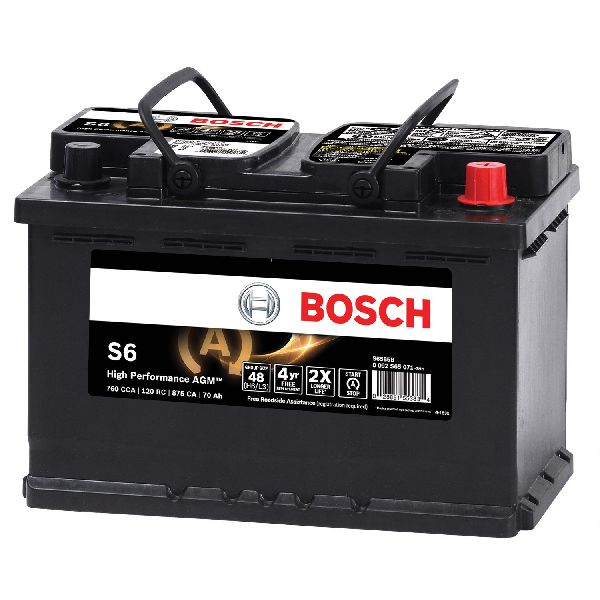
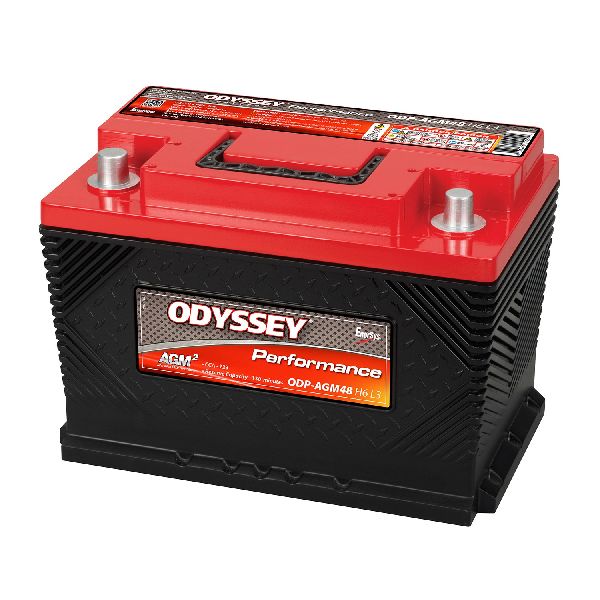
Est. part cost: $0 - Low Vehicle Battery Voltage or Recent Jump-Start 🟡 Medium Probability This is the primary trigger for BCM memory corruption. A weak or failing battery, or the voltage surge from a jump-start, can cause the issue. Vehicles with start/stop technology use AGM batteries which are more sensitive to deep discharge.
How to confirm: Test the main 12V battery with a multimeter or battery tester. A reading below 12.4V at rest indicates a weak battery. The issue will have appeared immediately after a battery replacement, jump-start, or period of non-use.
Typical fix: Replace the weak 12V battery (typically an AGM type, e.g., ACDelco 48AGM) and then have the BCM reprogramming procedure performed. Simply replacing the battery will not clear the B3925 fault once it is locked in.
Est. part cost: $180-$400
Rare But Worth Checking
- Wiring Harness Chafing or Short Circuit: Though less common for this specific code, a short circuit in a related system can damage the BCM, causing it to fail. One 2018 Equinox owner on Reddit reported a loose, shorting wire at the rear differential fried their BCM, leading to a no-start and total electrical failure. A visual inspection of harnesses is prudent if the software fix fails.
- Radio Frequency Interference: Aftermarket devices like phone chargers, dash cams, or even LED bulbs can sometimes emit radio frequency (RF) noise that interferes with the key fob signal. Before expensive diagnostics, unplug all aftermarket accessories and test again.
- Internal BCM Hardware Failure: While the common issue is software corruption, the BCM itself can fail internally due to cracked solder joints or other component failure. This is less likely than the software glitch but becomes a possibility if reprogramming doesn't work and wiring is confirmed to be intact.
Diagnosis Steps
- Attempt to start the vehicle by placing the key fob in the transmitter pocket, which is located in the front cupholder or center console storage area. 🎬 Watch: How to start your Equinox with a dead fob battery. This uses a direct inductive link and may bypass the remote antenna issue temporarily.
- Check the key fob battery. While unlikely to be the root cause, it's a simple first step.
- Test the main 12V vehicle battery. A voltage below 12.4V indicates a weak battery that needs charging or replacement. The underlying BCM issue will still need to be addressed.
- Scan the vehicle with a professional-grade scan tool (like GM's GDS2) capable of reading Body Control Module codes. Confirm the presence of B3925 and a group of other 'Environmental ID' codes.
- If codes are present, do NOT replace any modules. The vehicle must be taken to a dealer or qualified independent shop to perform the BCM reprogramming procedure outlined in TSB #23-NA-163.
- The technician will connect to GM's Service Programming System (SPS), select the K9 Body Control Module, and run the special function 'Programming A Per Bulletin 23-NA-163'.
- After Programming A, they will perform the 'Body Control Module IMMO Learn with Existing Transponder or Remote Key' procedure.
- If the vehicle still does not start, the TSB directs the technician to perform 'Programming B Per Bulletin 23-NA-163 Only', followed by the 'Engine Control Module and Body Control Module IMMO Learn' procedure.
- Confirm the vehicle starts and all key fob functions work correctly.
Parts You'll Likely Need
- 12V Vehicle Battery (AGM)
(OEM #ACDelco 48AGM (GM Part #88864541))— A weak or failing battery is the most common trigger for the BCM memory corruption that causes code B3925. The battery must be in good health before the software fix can be reliably applied. These vehicles typically use an Absorbent Glass Mat (AGM) battery.
Trusted brands: ACDelco, Duralast Platinum, Interstate
OEM price range: $250-$350
Aftermarket price range: $200-$300 - Body Control Module (BCM)
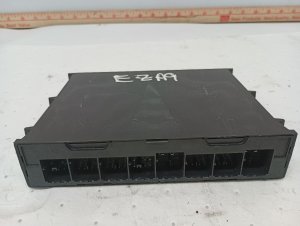
(OEM #13517057 (Example for 2018-2019))— Only needed in the rare case that the BCM is physically damaged (e.g., by a short circuit) and does not respond to the reprogramming procedure. 🎬 Watch this walkthrough on how to locate and remove the BCM. Replacement requires programming to the vehicle's VIN.
Trusted brands: ACDelco (OEM)
OEM price range: $300-$500
Aftermarket price range: N/A
Related Codes That Often Appear With This One
- B3924, B3926, B3927, B3928 — These are all 'Incorrect Environmental Identifier' codes for different modules (HVAC, Instrument Cluster, EBCM, etc.). They typically set as a group with B3925 when the BCM loses its configuration.
- B389A — This code for 'Environment Identification' is a key indicator that sets in the BCM alongside the B3925 group, confirming a system-wide configuration fault that requires the TSB procedure.
- P0513 — Incorrect Immobilizer Key. This powertrain code is often triggered as a direct result of the BCM security fault, as the ECM is not receiving the correct security handshake.
- B1325 — Control Module Power Circuit Low Voltage. This code often accompanies the B3925 group as it logs the root cause of the event - the low voltage condition that triggered the memory corruption in the first place.
Technical Service Bulletins (TSBs) & Recalls
- 23-NA-163: No Crank, No Start, Quick Start/Stall, No FOB Detected, Key FOBs Inoperative, B3924-B3928 Set. This is the primary document detailing the cause (memory corruption in GEN3R BCMs) and the specific multi-step SPS reprogramming procedure to fix it.
- 21-NA-277: No Crank, No Start, Quick Start/Stall, Key Fobs Inoperative with DTCs B2924, B3925, B3926, B3927, or P0513 set. An earlier bulletin describing the same BCM memory corruption issue, superseded by 23-NA-163.
- PIE0588A (MC-10183793-9999): An Engineering Information document where GM requested data from dealers on vehicles (including Equinox, Terrain, Enclave, Acadia) exhibiting these codes after low voltage events, confirming it's a known issue being investigated.
Platform-Specific Known Issues
- A known issue, documented in GM TSBs #23-NA-163 and #21-NA-277, describes how a low voltage event can cause memory corruption in the GEN3R Body Control Module.
- The official fix is a specific software reprogramming and immobilizer relearn procedure, not a BCM replacement. TSB #23-NA-163 explicitly warns: 'Do not attempt the immobilizer procedure or module replacements before following this bulletin.'
- Performing a standard immobilizer relearn before the special reprogramming can complicate the repair and may require the more advanced 'Programming B' step in the TSB.
Hidden / Shadow Codes Worth Checking
- B389A 00: Environment Identification. This code indicates a system-wide configuration fault within the BCM. Its presence, along with three or more B392x codes, is the primary trigger to perform the TSB #23-NA-163 procedure. (see via A professional scan tool like GM's GDS2. The TSB notes that if this code is not present, a technician should disconnect and reconnect the battery for at least 30 seconds and check again.)
Scan Tool Commands That Help
- GM Service Programming System (SPS): Programming A Per Bulletin 23-NA-163 and 23-NA-165 Only — This is the primary software routine to fix the BCM memory corruption. It must be performed before any immobilizer relearn is attempted.
- GM Service Programming System (SPS): Body Control Module IMMO Learn with Existing Transponder or Remote Key — This immobilizer relearn procedure is performed immediately after successfully completing 'Programming A'.
- GM Service Programming System (SPS): Programming B Per Bulletin 23-NA-163 Only — This is a secondary, more intensive routine used only if 'Programming A' fails to resolve the no-start condition, or if a standard immobilizer learn was incorrectly performed before starting the TSB procedure.
- GM Service Programming System (SPS): Engine Control Module and Body Control Module IMMO Learn — This immobilizer relearn procedure is performed immediately after successfully completing 'Programming B'.
Wiring & Ground Locations
- Body Control Module (BCM) — Located on the passenger side of the center console, behind the side trim panel.. This is the physical location of the module that needs reprogramming or, in very rare cases, replacement. Access is required to check connections or retrieve the part number from the label.
OEM Part Supersession History
Various (GEN3R BCM)→N/A (Software Fix)— The issue is resolved by a software update, not a hardware change. TSB #23-NA-163 applies to a specific list of BCMs, identified by their Base Model Part Number (BMPN).
Heads up: The TSB procedure is ONLY applicable to GEN3R BCMs. A technician must verify the BMPN using GDS2. Eligible BMPNs include: 13518569, 13518570, 13518602, 13518603, 13519619, 13519620, 13519648, 13527252, 13527260, 13527261, 13527297, 13527298, 13527827, 13529492, 13529493, 13533809, 13533813, 13533814, 13533817, 13533821. If the BCM is not on this list, the TSB does not apply.
Helpful Videos
Used OEM Parts in Stock


New Aftermarket Parts Available



The information in this article is provided for general reference and educational purposes only. Vehicle specifications, procedures, and part compatibility can vary by production date, trim level, and region. Always consult your vehicle's factory service manual and verify part numbers before purchasing or performing repairs. Safety-critical components such as airbags, seat belts, and braking systems should be installed by a qualified professional.
- Chevrolet EQUINOX:
- 🎬 Helpful Videos
- 🛍️ Shop This Part
- What's Unique About the 2018-2024 Chevrolet EQUINOX
- Diagnostic Flowchart
- Symptoms You May Notice
- Most Likely Causes
- Rare But Worth Checking
- Diagnosis Steps
- Parts You'll Likely Need
- Related Codes That Often Appear With This One
- Technical Service Bulletins (TSBs) & Recalls
- Platform-Specific Known Issues
- Hidden / Shadow Codes Worth Checking
- Scan Tool Commands That Help
- Wiring & Ground Locations
- OEM Part Supersession History
- 🎟️ Get 5% Off