

B3060 on 2007-2009 Saab 9-7X: Security Fault, No-Start Causes and Fixes
Code B3060 on a 2007-2009 Saab 9-7X means the anti-theft system doesn't recognize the key, causing a no-start or start-and-stall condition. The most common causes are a faulty transponder chip in the key itself or radio frequency interference (RFI) from aftermarket electronics. Trying a spare key is the first step in diagnosis. If keys are ruled out, the ignition lock cylinder containing the reader coil is the next most likely culprit.
- B3060 means your Saab's security system has locked the engine because it doesn't recognize the key.
- Before any repairs, try your spare key. If it works, the other key is faulty.
- Remove all aftermarket phone chargers, USB devices, and other key fobs from the car to rule out Radio Frequency Interference (RFI), a known issue cited in a TSB.
- Do not replace the starter or fuel pump; the problem is electronic and related to the anti-theft system.
- If a new key is needed, it must be a 'PK3' transponder key and will require professional programming.
What's Unique About the 2007-2009 Saab 9-7X
The Saab 9-7X is unique because it's built on the General Motors GMT360 platform, sharing its core electronics with the Chevrolet Trailblazer and GMC Envoy. However, unlike many of its GM siblings which used the simpler Passlock system (without a chipped key), the 9-7X uses the more advanced Passkey 3 (PK3) system, which requires a transponder chip embedded in the key itself. This makes key-related issues, such as a damaged chip or a poorly cloned key, a primary cause for this code, a fact corroborated by owner experiences on forums who confirm a generic, non-chipped key will trigger the security light.
Diagnostic Flowchart
Tap your situation to follow the diagnostic path that matches what you're seeing on this vehicle.
Symptoms You May Notice
- Intermittent no-crank or no-start condition.
- Engine starts and then immediately stalls.
- Security warning light is illuminated or flashing on the dashboard.
- Message on the driver information center related to the security system.
- Car acts as if it was stolen, with a solid security light on the dash.
- Replacing the starter motor. A no-crank condition caused by the security system is often mistaken for a bad starter. However, the security system actively prevents the starter from engaging.
- Replacing the fuel pump. A start-and-stall symptom is caused by the security system cutting fuel, not necessarily a faulty fuel pump.
- Replacing the battery without checking the security system status. While a low battery can cause many electrical issues, if the security light is on, the B3060 code must be addressed. A weak battery can sometimes cause the system to lose sync, but the code points to a key recognition failure.
Most Likely Causes
- Faulty or Unprogrammed Ignition Key 🔴 High Probability The transponder chip in the key head, often a small glass pill, can be damaged if the key is dropped or broken. Using a new, non-programmed or improperly cloned key will also trigger this code. One owner on GMTNation confirmed that after breaking their key and getting a generic replacement made, the car would not start and threw the security light until a proper PK3 key was used.
How to confirm: Try starting the vehicle with a known-good spare key. If the spare key works, the original key is the problem. If you have the broken original key, you can sometimes extract the transponder chip and hold it near the ignition cylinder while turning a newly cut (non-chipped) key to see if the vehicle starts.
Typical fix: Replace the faulty key and have the new key professionally programmed to the vehicle. A locksmith or dealer with a GM Tech 2 or equivalent tool is required. A GM part number for a compatible key is 19207518.
Est. part cost: $50-$150 - Radio Frequency Interference (RFI) 🟡 Medium Probability GM issued Technical Service Bulletin PIC5650 (in multiple revisions like PIC5650M and PIC5650K) warning that aftermarket electronics can interfere with the 125 kHz signal from the key's transponder. Sources include aftermarket LED lights, USB phone chargers, toll passes, and even other vehicle keys on the same keychain.
How to confirm: Remove all other keys, fobs, and aftermarket electronic devices (especially anything plugged into the 12V outlets) from the vehicle and from the keychain. Attempt to start the vehicle with only the single Saab key. If it starts, RFI was the cause.
Typical fix: Identify and remove the source of the interference. No parts are typically required.
Est. part cost: $0 - Faulty Ignition Switch/Lock Cylinder ⚪ Low Probability The exciter coil that reads the key's transponder chip is integrated into the ignition lock cylinder assembly. While less common than key issues on the 9-7X, this component can fail electrically, preventing it from reading the key signal. This is a very common failure on other GM platforms that use similar systems.
How to confirm: If multiple known-good keys fail to start the vehicle and RFI has been ruled out, the ignition switch assembly becomes the primary suspect. A technician can test the signal from the coil with an oscilloscope or a specialized tool. Wiggling the key in the ignition while trying to start may cause intermittent connection, pointing to a faulty switch.
Typical fix: Replace the ignition lock cylinder assembly and perform the security relearn procedure. The ACDelco part D1462G is a common replacement for the GMT360 platform, though the 9-7X's console-mounted ignition may have a specific part number.
Est. part cost: $100-$250
Rare But Worth Checking
- Failing Body Control Module (BCM): The BCM is the module that stores the key data and controls the anti-theft system. While uncommon, an internal failure of the BCM can cause it to lose key memory or fail to communicate, triggering B3060. This is usually a last resort after all other causes are eliminated and may be suspected if the 30-minute relearn procedure fails repeatedly with the security light never turning off.
- Wiring Harness Damage: A break or short in the wiring between the ignition lock cylinder and the BCM can prevent the key's signal from being received. This is rare but can happen if other dash/console work has been performed or from harness chafing over time. A visual inspection of the harness is recommended when replacing the ignition switch.
Diagnosis Steps
- Check the battery. Ensure the vehicle battery is fully charged and the connections are clean and tight. A battery charger is recommended during diagnostic procedures.
- Try a spare key. This is the fastest way to determine if the issue is with a single key.
- Eliminate Radio Frequency Interference (RFI). As per TSB PIC5650M, remove all other keys, fobs, aftermarket chargers, and toll passes from the vehicle and try again.
- Attempt the Security Relearn Procedure. Turn the key to the 'ON' position (without starting) and leave it for 10-11 minutes until the security light turns off. Turn the key off for 10 seconds, then repeat two more times for a total of about 30-35 minutes. Attempt to start the vehicle. Note: This procedure is for re-synchronizing existing, valid components (e.g., after a battery disconnect or BCM replacement). It will NOT program a brand new, never-before-seen key to the vehicle.
- Scan for codes. Use a professional scan tool capable of reading B-codes to confirm B3060 and look for related codes like B3055 and B3935.
- Inspect the key. If possible, have a locksmith inspect the transponder chip in the key for damage. A user on Reddit confirmed their no-start was caused by dropping the key and losing the internal chip.
- Diagnose the ignition switch. If keys and RFI are ruled out, a technician will need to test the wiring and signal from the ignition switch's reader coil.
- Diagnose the BCM. As a final step, the BCM and its connections should be inspected and tested.
Parts You'll Likely Need
- Transponder Ignition Key
(OEM #19207518 (GM), B111-PT (Ilco/Strattec blank))— The transponder chip (Philips 46 'Circle Plus') inside the key is the most common point of failure for this code on the 9-7X.
Trusted brands: ACDelco, Strattec, Ilco
OEM price range: $70-$120
Aftermarket price range: $40-$80 - Ignition Lock Cylinder
(OEM #ACDelco D1462G (Housing for platform mates))— Contains the reader coil that communicates with the key's transponder. It can fail electrically, preventing the key from being read. While the part number for the 9-7X specific console ignition may differ, the function and failure mode are the same as its platform mates.
Trusted brands: ACDelco, Standard Motor Products, Dorman
OEM price range: $150-$250
Aftermarket price range: $80-$160
Related Codes That Often Appear With This One
- B3055 — This code means 'No Transponder Signal Detected' and often appears with B3060, pointing directly to a problem with the key itself or the reader coil in the ignition switch.
- B3935 — This indicates a 'Transponder Authentication Error,' meaning a signal was received but the security handshake failed. It is part of the same family of security codes and is often logged with B3060, as cited in TSB PIC5650.
Technical Service Bulletins (TSBs) & Recalls
- PIC5650M (and later revisions like K): Addresses an intermittent no crank, no start, or start/stall concern with the security light on, potentially caused by DTCs B3055, B3060, and B3935. It highlights RFI as a primary diagnostic path before parts replacement, listing numerous potential sources like chargers, LED lights, and other fobs.
Platform-Specific Known Issues
- The provided NHTSA TSB PIC5650M specifically lists the 2007-2009 Saab 9-7X and code B3060 in relation to intermittent no-start or start-stall conditions with the security light on. The bulletin strongly advises investigating for sources of Radio Frequency Interference (RFI) from aftermarket accessories like phone chargers, LED lights, and building access cards before replacing any parts.
Mechanic-Grade Diagnostic Values
- Scan Tool 'TDM Valid Key' Parameter — expected: Yes. Failure: The parameter reads 'No' when a known-good key is turned in the ignition, indicating a fault with the reader coil or wiring.
Hidden / Shadow Codes Worth Checking
- B3060 00: The '00' is a standard GM symptom byte for 'No Sub Type Information'. It confirms that the base code B3060 contains the complete fault description and no further subtype is identified by the module. (see via A professional scan tool like the GM Tech 2 or a high-end aftermarket scanner capable of reading GM-specific body codes and symptom bytes.)
Scan Tool Commands That Help
- GM Tech 2: View TDM/BCM Data List — Used to monitor live data parameters like 'Valid Key' to see if the Theft Deterrent Module (TDM) is recognizing the key's transponder signal in real-time.
- GM Tech 2: 10-Minute Vehicle Key Relearn — This is the service function to initiate the security relearn procedure. It is used after replacing a BCM or to resynchronize existing components. It will not program a new, unlearned key from scratch.
- GM Tech 2 (or equivalent bidirectional scanner): Setup SDM Primary Key in BCM — This function is required after replacing the Body Control Module (BCM). It establishes a security handshake between the new BCM and the existing Sensing and Diagnostic Module (SDM, i.e., the airbag module). Failure to do this can result in an airbag warning light.
Wiring & Ground Locations
- Body Control Module (BCM) — Under the rear seat on the driver's side, often integrated with the under-seat fuse block.. The BCM stores the valid key transponder data and makes the final decision to enable or disable the engine. A bad connection or faulty ground at this location can cause B3060.
- Ignition Switch Harness — At the ignition switch, typically within the steering column or center console for the 9-7X.. This harness contains critical power and signal wires. On related GMT360 vehicles, key wires include Pink (Ignition 1), White (Ignition 2), Orange (Accessory), and Yellow (Starter). Verifying power on these wires during the key cycle is a key diagnostic step.
- G218 (General GM Ground) — On many GM platforms of this era, G218 is a primary instrument panel ground located behind the driver's side kick panel.. While not confirmed specifically for the 9-7X TDM circuit, a loose or corroded G218 is a known cause of widespread, difficult-to-diagnose electrical issues on GM vehicles and is a worthwhile check during an advanced diagnosis for any B-code.
Real Owner Repair Stories
- GMTNation Forum User 'Hobbyist4Life' (2006 GMC Envoy (GMT360 Platform Mate)) — No crank, solid security light that would not go away after performing the standard 30-minute relearn procedure.
❌ Tried (didn't work) Standard 30-minute, 3-cycle relearn procedure., Shorting the Passlock wires (Note: This applies to Passlock systems, not the 9-7X's Passkey 3, but was part of the user's journey)., Reconnecting the original ignition cylinder wiring.
✅ What actually fixed it The security light remained on solid even after fixing the wiring. The issue was only resolved after the vehicle's battery was drained completely multiple times while at a garage for other repairs. This deep power cycle apparently reset the 'latched' fault in the security module. After the battery was recharged, performing the relearn procedure one last time successfully turned the security light off permanently. - 2CarPros Forum User (Chevrolet Tahoe (Similar Passkey 3 system)) — Anti-theft system activated, vehicle would not start.
❌ Tried (didn't work) Owner spent 3 days inspecting parts and wires at home.
✅ What actually fixed it The vehicle was towed to a dealer. The final diagnosis was a failed Theft Deterrent Module (TDM), the component located on the ignition switch itself. The TDM was replaced to fix the problem.
OEM Part Supersession History
15135466, 15787809, 25802312→8258023120 (and others)— Part consolidation and revision over the platform's lifespan.
Heads up: These part numbers are for the Body Control Module (BCM). While a seller lists them as compatible, it is critical to match the part number from the original BCM or confirm with a dealer using the VIN, as internal hardware and software can differ based on vehicle options. A replacement BCM must be programmed to the vehicle's VIN.
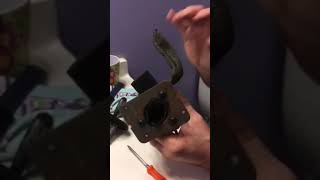
Helpful Videos
We Have This Part in Stock

The information in this article is provided for general reference and educational purposes only. Vehicle specifications, procedures, and part compatibility can vary by production date, trim level, and region. Always consult your vehicle's factory service manual and verify part numbers before purchasing or performing repairs. Safety-critical components such as airbags, seat belts, and braking systems should be installed by a qualified professional.
- Saab 9-7X:
- 🎬 Helpful Videos
- 🛍️ Shop This Part
- What's Unique About the 2007-2009 Saab 9-7X
- Diagnostic Flowchart
- Symptoms You May Notice
- Most Likely Causes
- Rare But Worth Checking
- Diagnosis Steps
- Parts You'll Likely Need
- Related Codes That Often Appear With This One
- Technical Service Bulletins (TSBs) & Recalls
- Platform-Specific Known Issues
- Mechanic-Grade Diagnostic Values
- Hidden / Shadow Codes Worth Checking
- Scan Tool Commands That Help
- Wiring & Ground Locations
- Real Owner Repair Stories
- OEM Part Supersession History
- 🎟️ Get 5% Off