

B3060 on 2012-2016 GMC Yukon Denali: Unprogrammed Key, No Start Causes and Fixes
Code B3060 on a GMC Yukon Denali means the anti-theft system doesn't recognize your key, causing a no-start. The most common fix is to remove any other RFID cards from your keychain that cause interference. If that fails, a key relearn procedure or replacing a faulty key is the next step. For 2015+ models, a low fob battery can also be a cause; placing the fob in the center console pocket may allow the vehicle to start.
- B3060 means your truck's security system doesn't recognize the key, preventing it from starting.
- Before spending any money, try starting the truck with the key completely isolated from any other key fobs or access cards to rule out radio interference.
- If you have a spare key, try it. If it works, your other key is faulty and needs replacement.
- A DIY 10-minute key relearn procedure can often resolve the issue after a battery change or if the system is in a fault state.
- If simple fixes don't work, the issue is likely a faulty key or a bad ignition lock cylinder reader, which may require professional service.
What's Unique About the 2012-2016 Gmc YUKON DENALI
This generation range of the Yukon Denali uses GM's Pass-Key III (PK3) transponder-based immobilizer system for keyed ignitions (2012-2014) and a newer Keyless Access system for push-button start models (2015-2016). A key issue, highlighted in multiple versions of GM Technical Service Bulletin PIC5650, is the system's susceptibility to Radio Frequency Interference (RFI). Many owners experience intermittent no-start issues caused not by a faulty part, but by other RFID-enabled cards (office key cards, gas station fobs) or even aftermarket electronics like USB chargers and LED lights that scramble the signal between the key and the vehicle's security antenna.
Diagnostic Flowchart
Tap your situation to follow the diagnostic path that matches what you're seeing on this vehicle.
Generation note: This range covers two distinct Yukon generations: the third (2012-2014, GMT900 platform) and the fourth (2015-2016, K2XX platform). While both use a transponder security system and can suffer from RFI, the systems are different. The 2012-2014 models use a traditional metal key with a PK3 chip. The 2015-2016 models introduced a new electrical architecture with keyless entry and push-button start. This means parts like the ignition switch, BCM, and key fobs are not interchangeable, and diagnostic procedures differ (e.g., 2015+ models have a 'transmitter pocket' in the center console to start the vehicle if the fob battery is dead).
Symptoms You May Notice
- Engine will not crank or start
- Engine starts briefly then immediately stalls
- Security indicator light is illuminated or flashing on the dashboard.
- "Service Theft Deterrent System" message may appear on the Driver Information Center (DIC).
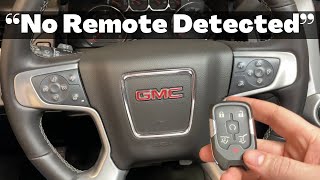
- On 2015+ models, a "No Remote Detected" message may appear.
- Replacing the starter motor without checking for security codes first.
- Replacing the battery when the no-start is caused by the immobilizer, not a lack of power (though a weak battery can trigger the immobilizer).
- Replacing the BCM or ECM before ruling out simple key, RFI, or programming issues.
Most Likely Causes
- Radio Frequency Interference (RFI) from other devices 🔴 High Probability The Pass-Key and Keyless Access systems are sensitive to interference. TSB PIC5650M explicitly lists items like other vehicle keys, toll passes, building access cards, aftermarket LED lights, and even certain USB phone chargers as potential sources of RFI that can trigger B3060.
How to confirm: Remove all other keys, fobs, and access cards from the vehicle's keychain. Unplug any aftermarket chargers or devices. Try starting the vehicle with only the single ignition key/fob present. If the vehicle starts consistently, RFI was the cause.
Typical fix: Keep the vehicle key on a separate ring from other RFID-enabled items and remove non-essential aftermarket electronics.
Est. part cost: $0 - Using an unprogrammed or cloned key 🟡 Medium Probability This occurs if a new key has been physically cut but not electronically programmed to the vehicle's immobilizer, or if a poorly cloned key's data is not recognized by the TDM.
How to confirm: Try starting the vehicle with a different, known-good original key. If the other key works, the first key is the problem. A scan tool can also show if the key's transponder value is being read as valid.
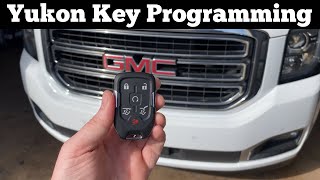
Typical fix: The unprogrammed key must be programmed to the vehicle. For 2012-2013 models, a DIY relearn is possible. For 2014+ models, a locksmith or dealer with diagnostic equipment is required.
Est. part cost: $0 if relearn works, $120-$250 for locksmith/dealer programming. - Damaged or faulty ignition key transponder/fob 🟡 Medium Probability
How to confirm: If the vehicle fails to start with one key but starts and runs with a spare key, the transponder chip in the first key is likely damaged. This can happen if the key is dropped, gets wet, or the internal battery dies (on 2015+ fobs).
Typical fix: The faulty key must be replaced with a new one, which then needs to be cut and programmed. For 2015+ models, try replacing the fob battery first.
Est. part cost: $70-$250 for a new key/fob and programming. - Faulty Ignition Switch / Lock Cylinder Reader Coil ⚪ Low Probability
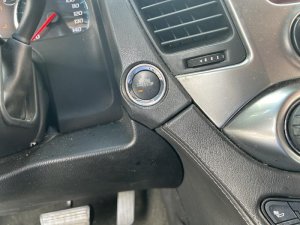
How to confirm: If the vehicle fails to start with all known-good keys and RFI has been ruled out, the problem may be the reader coil (exciter) around the ignition cylinder or its wiring. This is less common on 2015+ push-button start models but the start/stop button itself can fail.
Typical fix: For 2012-2014, the ignition lock cylinder, which houses the reader coil, needs to be replaced. For 2015+, the start/stop switch or keyless entry antenna may need replacement.
Est. part cost: $100-$300
Rare But Worth Checking
- Failing Body Control Module (BCM): While rare, the BCM is the brain of the security system. If it fails internally, it can lose its programming or be unable to communicate, causing this code. This is usually a last resort after all other causes are eliminated. Forum users have reported chasing electrical gremlins for months, sometimes leading to a BCM replacement.
- Low Battery Voltage: A weak or failing vehicle battery can cause unpredictable behavior in various electronic modules during startup, potentially triggering a false anti-theft code. Owners on forums frequently report a cluster of warnings, including "Service Theft Deterrent System," when the battery is failing. Always ensure the battery is fully charged and healthy before diagnosing complex electronic issues.
- Poor Ground Connections: Several owners on forums have traced intermittent no-start issues and random electrical problems, including security system faults, to corroded or loose ground straps, particularly the main ground from the battery to the chassis or engine block.
Diagnosis Steps
- Check for the security light on the dashboard. Note if it is solid or flashing.
- Remove all other fobs, keys, cards, and aftermarket chargers from the keychain and vehicle. Attempt to start the vehicle with only the ignition key/fob.
- If a spare key/fob is available, try starting the vehicle with it. If the spare works, the primary key/fob is the issue.
- For 2015+ push-button start models: If you see a "No Remote Detected" message, place the fob in the transmitter pocket located inside the center console and try starting the engine. If it starts, the fob battery is likely dead or there is an RFI issue.
- Ensure the vehicle battery has a full charge (above 12.4V). A weak battery is a common cause of various electrical faults on these vehicles.
- For 2012-2013 models, attempt the 30-minute key relearn procedure: Insert the new key and turn to 'ON'. Wait ~10 minutes for the security light to turn off. Turn key 'OFF' then back 'ON' within 45 seconds. Repeat this process two more times for a total of three 10-minute cycles. The key should be learned after the third cycle.
- If the relearn fails or is not applicable (2014+ models), use a professional scan tool to read the immobilizer data and confirm if the BCM is seeing the key and why it's being rejected.
- Inspect the wiring and connector at the ignition lock cylinder (2012-14) or keyless entry antennas (2015+) for any visible damage. Check major ground connections for corrosion.
- If all else fails, suspect a faulty ignition lock cylinder reader coil, start/stop switch, or a failing Body Control Module.
Parts You'll Likely Need
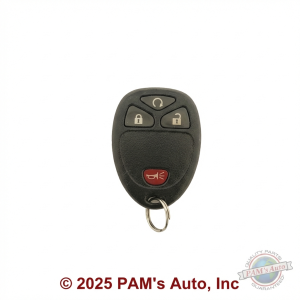
- Transponder Ignition Key / Key Fob — The transponder chip inside the key can fail, the fob battery can die, or the key may lose its programming, which is a direct cause of code B3060.
Trusted brands: ACDelco, Strattec
OEM price range: $80-$150
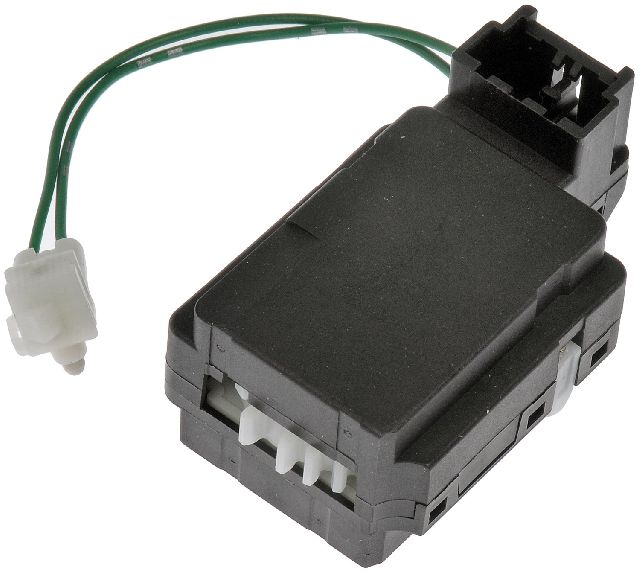
Aftermarket price range: $30-$80 - Ignition Lock Cylinder with Passkey
(OEM #Note: Part D1462G is often listed but fits other GM vehicles, NOT the 2012-16 Yukon. Verify correct part by VIN.)— For 2012-2014 models, if the reader coil that surrounds the lock cylinder fails, it cannot energize and read the key's transponder. The coil is typically serviced as part of the lock cylinder assembly.
Related Codes That Often Appear With This One
- B3055 — This code means 'No Transponder Modulation or No Transponder'. B3060 indicates the key was read but not recognized, while B3055 can mean the key wasn't read at all. They often appear together when there are key, RFI, or reader coil issues.
- B3935 — Transponder Authentication Failed. This is another closely related security code that can be set along with B3060, pointing to a failure in the key validation process.
Technical Service Bulletins (TSBs) & Recalls
- PIC5650M / PIC5650K: Diagnostic tip for intermittent no-crank/no-start with security light on, pointing to RFI from devices on the key ring (toll passes, other fobs) and in the vehicle (aftermarket LEDs, chargers) as a primary cause for codes B3055, B3060, and B3935.
- PIE0232: A GM Engineering Information request from 2012 for 2013 models to gather data on the root cause of no-start conditions with codes B3055, B3060, or B3935, also mentioning RFI as a possible cause.
Platform-Specific Known Issues
- As documented in multiple versions of TSB PIC5650, these vehicles are known to be sensitive to Radio Frequency Interference, which can cause intermittent no-start conditions with code B3060 without any parts being faulty.
- On 2015+ models, owners report a cluster of seemingly unrelated error messages ('Service Theft Deterrent', 'Side Detection System Unavailable') appearing simultaneously when the main vehicle battery begins to fail, which can be misdiagnosed as a module failure.
Mechanic-Grade Diagnostic Values
- Keyless Entry Antenna Continuity — expected: Under 10 ohms. Failure: An open circuit (infinite resistance) or very high resistance indicates a broken antenna or wiring.
Hidden / Shadow Codes Worth Checking
- B3060 00: The '00' is a symptom byte indicating 'Unprogrammed Transponder Identification Code Received' without additional subtype information. This is the most common variant of the code and points directly to a key-to-vehicle mismatch. (see via GM GDS2 or other professional-grade scan tools that can read manufacturer-specific codes and their symptom bytes.)
Scan Tool Commands That Help
- GDS2 (GM Global Diagnostic System 2): BCM Programming/Replacement — This function is required when a new or used Body Control Module is installed. The tool connects to GM's Service Programming System (SPS) to download the correct vehicle calibration, VIN, and RPO codes to the module.
- GDS2 (GM Global Diagnostic System 2): Immobilizer Learn — Used after replacing a BCM or when programming new keys. This includes the 'Vehicle Theft Deterrent Relearn' which can take around 12 minutes, and 'Setup SDM Primary Key in BCM' to sync the security modules.
- GDS2 (GM Global Diagnostic System 2): Module Setup > BCM > Set SDM Primary Key in BCM — After reprogramming or replacing the BCM, the Supplemental Inflatable Restraint Module (SDM) key must be synchronized with the BCM to prevent an airbag light and ensure all security systems are correctly linked.
Wiring & Ground Locations
- BCM Ground (K2XX) — Inside the cab, beside the front left speaker, near the driver's A-pillar. Access requires pulling pillar covers and the front dash trim.. A poor ground connection for the Body Control Module can cause a multitude of intermittent electrical issues, including false theft deterrent activation and communication errors that can set B3060.
- BCM Location (GMT900 & K2XX) — On both the 2012-2014 (GMT900) and 2015-2016 (K2XX) platforms, the BCM is located on the driver's side, behind the lower dash panel below the steering column, often near or integrated with the interior fuse block.. Physical access is required for checking connections, performing voltage tests, or replacing the module, which is a potential cause of B3060.
- Keyless Entry Antenna (K2XX) — For 2015-2016 models, there are multiple antennas. One is located at the back of the OEM AC control panel. Others can be in the rear window, mirrors, or liftgate.. These antennas receive the signal from the key fob. A damaged or disconnected antenna can prevent the BCM from receiving the key's signal, leading to a no-start and codes like B3055 or B3060.
- BCM Connector X4 (K2XX) — This is one of the main multi-pin connectors on the K2XX BCM. Pin 15 (GN/VT wire) is for 'Run/Crank Relay Coil Control'.. A poor connection at this specific pin could interrupt the signal from the BCM to the run/crank relay, causing a no-crank condition even if the key is recognized, directly relating to the symptoms of B3060.
Real Owner Repair Stories
- TahoeYukonForum.com user (2015+ model with intermittent no-start) — Intermittent no-start, gauges going haywire for the first two minutes after startup, multiple codes appearing then clearing.
❌ Tried (didn't work) New battery, New battery cables, New Body Control Module (BCM), New instrument cluster, Cleaning firewall, engine block, and chassis grounds
✅ What actually fixed it The user did not post a final resolution, but another user with identical symptoms traced their issue to a faulty aftermarket remote start system that was interfering with the BCM and CAN bus network, even when not in use. Disconnecting the aftermarket remote start resolved the electrical issues. - DuramaxDiesels.com forum user (GM Truck with persistent electrical faults) — Intermittent no-crank, no-start, gear selector indicator not working correctly.
❌ Tried (didn't work) New batteries, New ignition switch, New NSBU (Neutral Safety Back-Up) switch, New BCM, TCM, and ECM (all reprogrammed)
✅ What actually fixed it A loose power wire connection in the white connector located under the main under-hood fuse box. Tightening this connection resolved the gear selector and other electrical problems.
Model Year Variations Within This Range
- 2012-2014 (GMT900): Uses a Theft Deterrent Module (TDM) and a traditional ignition lock cylinder with an exciter coil to read the PK3 transponder chip in the metal key. Diagnostics focus on the key, the lock cylinder coil, and its wiring to the TDM/BCM. Custom BCM programming for features like remote start is available from third-party specialists.
- 2015-2016 (K2XX): Uses a more complex Keyless Entry system integrated directly into the BCM. It relies on multiple antennas throughout the vehicle to detect the key fob's presence for push-button start. Diagnostics involve checking fob battery, using the transmitter pocket, and potentially testing multiple antennas for continuity. BCM replacement requires online SPS programming and additional setup steps like syncing the SDM.
Helpful Videos

Used OEM Parts in Stock


New Aftermarket Parts Available


The information in this article is provided for general reference and educational purposes only. Vehicle specifications, procedures, and part compatibility can vary by production date, trim level, and region. Always consult your vehicle's factory service manual and verify part numbers before purchasing or performing repairs. Safety-critical components such as airbags, seat belts, and braking systems should be installed by a qualified professional.
- Gmc YUKON DENALI:
- 🎬 Helpful Videos
- 🛍️ Shop This Part
- What's Unique About the 2012-2016 Gmc YUKON DENALI
- Diagnostic Flowchart
- Symptoms You May Notice
- Most Likely Causes
- Rare But Worth Checking
- Diagnosis Steps
- Parts You'll Likely Need
- Related Codes That Often Appear With This One
- Technical Service Bulletins (TSBs) & Recalls
- Platform-Specific Known Issues
- Mechanic-Grade Diagnostic Values
- Hidden / Shadow Codes Worth Checking
- Scan Tool Commands That Help
- Wiring & Ground Locations
- Real Owner Repair Stories
- Model Year Variations Within This Range
- 🎟️ Get 5% Off