

B3060 on 2017-2020 GMC Sierra Denali: Unprogrammed Key, No-Start Causes & Fixes
Code B3060 on a 2017-2020 Sierra Denali means the truck's anti-theft system doesn't recognize the key, causing a no-start. The most likely cause is radio frequency interference (RFI) from other fobs on your keychain. Try starting with the key isolated; if that fails, a key relearn procedure or a new key may be needed.
- B3060 means your truck's security system has locked you out because it doesn't recognize the key.
- Before any repairs, the first and most important step is to remove ALL other keys, fobs, and cards from your keychain to rule out Radio Frequency Interference (RFI).
- Do not immediately suspect a bad starter or battery; the security light is the key symptom pointing to an immobilizer issue.
- If you need a new key or module, it MUST be professionally programmed to your specific vehicle to function.
What's Unique About the 2017-2020 Gmc SIERRA DENALI
The GM Passkey III+ (PK3+) immobilizer system used in this era of Sierra is notoriously sensitive. GM has issued multiple Technical Service Bulletins (the PIC5650 series) specifically warning technicians that radio frequency interference (RFI) from devices like other key fobs, office access cards, or even aftermarket phone chargers is a primary cause for this code. The system operates at 125 kHz, which can be easily jammed by other RFID devices. This means a perfectly good key and truck can experience an intermittent no-start simply because of other items on the keychain.
Diagnostic Flowchart
Tap your situation to follow the diagnostic path that matches what you're seeing on this vehicle.
Generation note: This year range covers two generations: the third-gen K2XX platform (2017-2018) and the fourth-gen T1XX platform (2019-2020). While body styles and interiors differ, the underlying Passkey III+ security system and its sensitivity to interference and voltage issues remain a consistent problem across both generations, as documented in TSBs that cover both. The electrical architecture, including BCM location and some ground points, differs between the K2XX and T1XX platforms.
Symptoms You May Notice
- Engine will not crank or start
- Engine starts and immediately stalls (typically within 2 seconds)
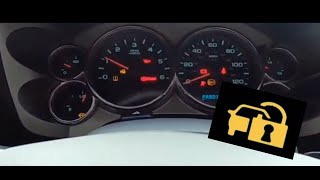
- Security light is illuminated or flashing on the instrument cluster
- "Theft Deterrent" or "Service Theft Deterrent System" message on the driver information center (DIC).
- With push-button start, a "No Remote Detected" message may appear; placing the fob in the center console transmitter pocket may allow a start if the fob battery is weak.
- Replacing the starter: The security system prevents the starter from engaging, but the starter itself is usually not the problem.
- Replacing the battery: While low voltage can be a trigger, a no-start from B3060 is often mistaken for a simple dead battery when the security system is the true cause.
- Replacing the fuel pump: The BCM disables the fuel system, which can mimic the symptoms of a failed fuel pump. Always check for security codes first if you have a crank/no-start situation.
Most Likely Causes
- Radio Frequency Interference (RFI) 🔴 High Probability As documented extensively in GM TSBs (PIC5650 series), the Passkey III+ system is highly sensitive to interference from other RFID-enabled devices on the keychain or aftermarket electronics inside the cab. Common culprits include other vehicle fobs, building access cards, toll passes, aftermarket LED lights, and phone chargers.
How to confirm: Remove all other keys, fobs, and access cards from the keychain. Unplug any aftermarket phone chargers or dash cams. Attempt to start the engine with the bare, isolated key. If it starts, RFI was the cause.
Typical fix: Isolate the ignition key from other electronic devices. No parts are replaced.
Est. part cost: $0 - Unprogrammed or Faulty Ignition Key 🟡 Medium Probability The transponder chip inside the key can fail internally, or a newly cut replacement key may not have been properly programmed to the vehicle. The chip can be damaged from drops or moisture.
How to confirm: Attempt to start the vehicle with a known-good spare key. If the spare key works consistently, the original key is faulty. A locksmith or dealer can also test the transponder chip directly.
Typical fix: The faulty key must be replaced and the new key programmed to the vehicle using a specific relearn procedure, often requiring a scan tool.
Est. part cost: $50-$150 - Poor Body Control Module (BCM) Ground ⚪ Low Probability TSB #PIT5405C addresses no-start conditions on 2015-2017 models caused by a poor BCM ground at location G218, where insulation can get trapped under the ground nut from the factory. This causes a host of electrical issues, including false security codes.
How to confirm: Inspect the BCM ground connection (G218, under the driver's side dash, often near the A-pillar) for looseness, corrosion, or trapped material. It may be difficult to see and may require feeling for it blindly.
Typical fix: Clean the grounding point and terminal, cut away any trapped insulation, and securely tighten the ground nut.
Est. part cost: $0-$5 - Faulty Ignition Lock Cylinder / Reader Coil ⚪ Low Probability The exciter coil that powers and reads the key's transponder is part of the ignition lock cylinder assembly. This component can fail, preventing any key from being read.
How to confirm: If multiple known-good, programmed keys fail to start the vehicle and RFI has been ruled out, the reader coil is the next likely suspect. This requires testing the circuit, often with a multimeter or oscilloscope, or by checking the live data stream on a professional scan tool.
Typical fix: Replace the ignition lock cylinder assembly (also called ignition lock housing). The new assembly will require a key relearn procedure.
Est. part cost: $80-$250
Rare But Worth Checking
- Weak or Failing Vehicle Battery: While a low battery won't directly set B3060, it can cause erratic behavior in electronic modules like the BCM. If the problem started after a jump-start or with a known weak battery, the voltage drop may have caused the BCM to lose its key memory, requiring a relearn procedure.
- Faulty Body Control Module (BCM): This is the least likely cause. The BCM is the brain of the security system, but it should only be considered for replacement after all other possibilities (keys, wiring, grounds, reader coil) have been exhaustively ruled out.
- Damaged Wiring: The wiring between the ignition lock cylinder and the BCM can become chafed or damaged, particularly around the tilt-steering column, leading to an intermittent signal loss.
Diagnosis Steps
- Scan for codes with a tool capable of reading Body (B) codes to confirm B3060 and check for B3055 or B3935.
- Note the status of the security light on the dash (flashing or solid).
- Remove all other keys, fobs, access cards, and aftermarket electronics (chargers, etc.) from the keychain and vehicle interior.
- Attempt to start the engine with the bare, isolated key.
- If it fails, try the vehicle's spare key, also isolated. If the spare works, the original key is bad.
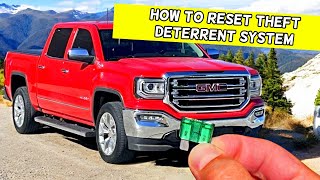
- If neither key works, attempt the 30-minute key relearn procedure. Ensure the battery is fully charged or connected to a charger first. Turn the key to 'ON' (do not start) for 10-11 minutes until the security light goes out, turn 'OFF' for 5-30 seconds, and repeat this cycle two more times for a total of three cycles. 🎬 Watch: A quick walkthrough of the theft deterrent reset procedure. The key should be learned after the third cycle.
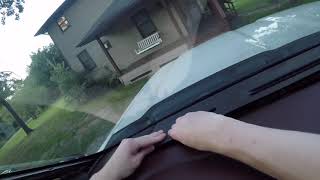
- If the relearn fails, inspect the BCM ground connection (G218 on K2XX models) under the driver's side dash for tightness and corrosion, ensuring no insulation is trapped under the terminal. 🎬 See how to find and fix the G218 ground connection.
- If grounds are good and keys/relearn fail, the issue likely lies with the ignition lock cylinder's reader coil or wiring, which requires professional diagnosis with a scan tool to check live data.
Parts You'll Likely Need
- Transponder Ignition Key
(OEM #13580082)— The internal transponder chip can fail, or a new key may be the reason for the code. This is a common failure point. Part number 13580082 is a common key for 2014-2019 Sierra models.
Trusted brands: ACDelco, Strattec
OEM price range: $100-$150
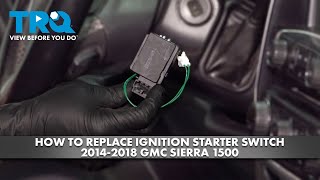
Aftermarket price range: $50-$100 - Ignition Lock Cylinder with Transponder Reader — If multiple known-good keys don't work and RFI is ruled out, the reader coil that surrounds the lock cylinder is the next most likely part to have failed. It is often sold as an assembly with the lock housing. 🎬 Watch: How to replace the ignition starter switch and housing.
Trusted brands: ACDelco, Standard Motor Products, Dorman (e.g., 926-066)
OEM price range: $150-$250
Aftermarket price range: $80-$150
Related Codes That Often Appear With This One
- B3055 — Means 'No Transponder Signal Received'. It often appears with B3060 because the system may first fail to hear the key at all (B3055) and then get a partial, unrecognized read (B3060), pointing to the same root causes like a bad key or faulty reader coil.
- B3935 — Means 'Transponder Authentication Failed'. This is another general security handshake failure code that is cited in the same service bulletins and points to an issue with the key, interference, or the reader.
Technical Service Bulletins (TSBs) & Recalls
- PIC5650M: Addresses intermittent no-crank, no-start, or start-stall concerns with the security light on, potentially setting codes B3055, B3060, and B3935. Primary recommendation is to check for Radio Frequency Interference (RFI).
- PIT5405C: For 2015-2017 models, addresses various electrical problems including no-starts and stalls caused by a poor BCM ground at G218. The fix is to inspect and clean the ground connection.
- 18-NA-161: Another TSB mentioned in forums that relates to concerns caused by the G218 ground point.
Platform-Specific Known Issues
- A known issue, documented in TSB #PIC5650M, involves intermittent no-crank or start-stall conditions with the security light on, which can set codes B3060, B3055, and B3935. The bulletin advises checking for RF interference as a primary diagnostic step.
- TSB #PIT5405C addresses a range of electrical issues on 2015-2017 models, including no-starts, caused by a poor BCM ground at location G218 under the driver's dash.
Mechanic-Grade Diagnostic Values
- Ignition Lock Cylinder Exciter Coil Resistance — expected: 800 - 3500 Ohms (Ω). Failure: A reading of infinity (Open Loop) or near-zero Ohms indicates a failed coil.
- System Voltage at BCM/TDM during key-on — expected: Above 9.0 Volts. Failure: Voltage dropping below 9.0V during the key-on cycle can cause the module to malfunction and lose communication.
- GDS2 Scan Tool Parameter: 'TDM Valid Key' or 'Immobilizer Key Status' — expected: 'Yes' or 'Valid'. Failure: Parameter reads 'No' or 'Invalid' when a supposedly programmed key is in the ignition and turned to ON.
Scan Tool Commands That Help
- GDS2 (Global Diagnostic System 2): Module Diagnostics > BCM > Immobilizer Data — To view live data parameters like 'Immobilizer Key Status' to see if the BCM is recognizing the key as valid, invalid, or not present at all.
- GDS2 (via TIS2Web/SPS): Service Programming System (SPS) > Immobilizer Learn — This is the dealer-level function required to add new keys, replace a BCM, or reprogram the immobilizer system when the 30-minute manual relearn fails.
- GDS2: Module Diagnostics > Airbag (SDM) > Setup SDM Primary Key in BCM — After replacing the BCM, an airbag light with code B1001 is common. This function re-establishes the security handshake between the new BCM and the existing SDM (airbag module) to clear the light.
Wiring & Ground Locations
- G218 — On K2XX (2017-2018) models, located under the driver's side of the dash, near the A-pillar kick panel.. This is a primary ground point for the Body Control Module (BCM). TSB #PIT5405C notes that insulation can get trapped under the ground nut from the factory, causing a poor connection and leading to various electrical issues, including false theft deterrent codes like B3060.
- G103 — Located at the left rear of the engine compartment on the cowl, above the brake booster.. This is another ground point that serves the BCM, Instrument Panel Cluster (IPC), and the Data Link Connector (DLC). A fault here can cause communication issues across the security system.
- BCM Connectors (X1-X7) — The BCM is located behind the driver's side of the dash. The connectors face the rear of the vehicle.. The wiring harness between the ignition lock cylinder's reader coil and the BCM can chafe, especially around the tilt steering column. A visual inspection of the harness and testing for continuity at the BCM connector pins is a necessary step if keys and grounds are good.
OEM Part Supersession History
22859392→13580082— Standard part number consolidation and revision by GM.
Heads up: Part number 13580082 is the correct service replacement for keys with FCC ID M3N-32337100 used on these trucks. Both are functionally identical for programming.
Model Year Variations Within This Range
- 2017-2018 (K2XX Platform): These models are specifically cited in TSB #PIT5405C regarding the poor BCM ground at G218. While later models can have ground issues, this specific factory defect is well-documented for this range.
- 2019-2020 (T1XX Platform): These trucks use the newer T1XX platform, which has a different electrical architecture than the K2XX. While the Passkey III+ system functions similarly, BCM location, ground points, and connector pinouts may differ, requiring a model-year-specific service manual for wiring diagnostics.
Helpful Videos

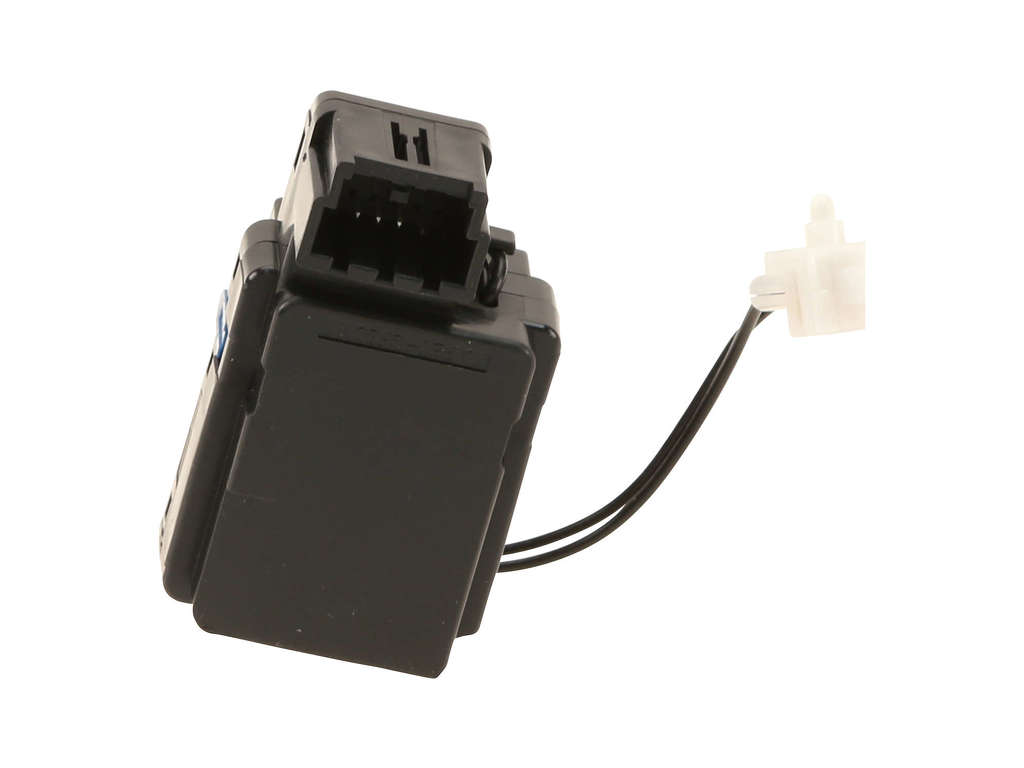
We Have This Part in Stock


The information in this article is provided for general reference and educational purposes only. Vehicle specifications, procedures, and part compatibility can vary by production date, trim level, and region. Always consult your vehicle's factory service manual and verify part numbers before purchasing or performing repairs. Safety-critical components such as airbags, seat belts, and braking systems should be installed by a qualified professional.
- Gmc SIERRA DENALI:
- 🎬 Helpful Videos
- 🛍️ Shop This Part
- What's Unique About the 2017-2020 Gmc SIERRA DENALI
- Diagnostic Flowchart
- Symptoms You May Notice
- Most Likely Causes
- Rare But Worth Checking
- Diagnosis Steps
- Parts You'll Likely Need
- Related Codes That Often Appear With This One
- Technical Service Bulletins (TSBs) & Recalls
- Platform-Specific Known Issues
- Mechanic-Grade Diagnostic Values
- Scan Tool Commands That Help
- Wiring & Ground Locations
- OEM Part Supersession History
- Model Year Variations Within This Range
- 🎟️ Get 5% Off