

B3060 on 2012-2016 GMC Sierra Denali: Unprogrammed Key Fixes & Causes
Code B3060 on a 2012-2016 GMC Sierra Denali means the truck's security system doesn't recognize the key. This is often caused by using a new, unprogrammed key, a faulty chip in the existing key, or radio frequency interference from other devices on your keychain. Trying a spare key and removing other fobs from the keyring is the first step.
- B3060 means your truck's security system doesn't recognize your key, preventing it from starting.
- Before spending any money, try your spare key and remove ALL other fobs or cards from your keychain to rule out a bad key or RF interference.
- If a new key is needed, it must be programmed to the truck using a specific 'key relearn' procedure.
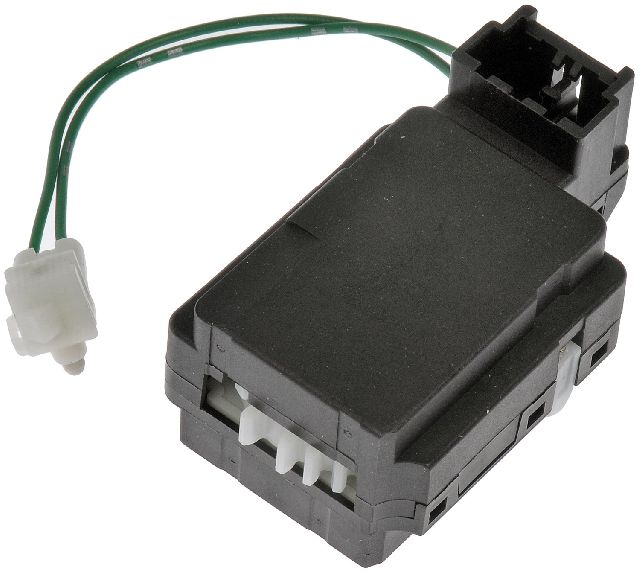
- If no keys work, the problem is likely the Theft Deterrent Module/antenna around the ignition switch, which is a replaceable part.
What's Unique About the 2012-2016 Gmc SIERRA DENALI
On this generation of Sierra, the Passkey III+ immobilizer system is sensitive to outside interference. GM has issued multiple service bulletins (most notably the PIC5650 series) warning that Radio Frequency (RF) devices can block the signal from the ignition key. Common sources of interference include other vehicle fobs, building access cards, toll passes, aftermarket LED lighting, and even certain phone chargers kept on the same keychain or inside the vehicle. This can cause an intermittent no-start condition with a B3060 code, even when using a perfectly good, programmed key, a situation that can be difficult for technicians to duplicate.
Diagnostic Flowchart
Tap your situation to follow the diagnostic path that matches what you're seeing on this vehicle.
Generation note: This range covers the end of the GMT900 generation (2012-2013) and the beginning of the K2XX generation (2014-2016). While the body style and interior are different, the Passkey III+ immobilizer system function and the common causes for code B3060 are consistent across both generations. GM engineering was investigating this issue on low-mileage 2013 models specifically, as noted in bulletin PIE0232.
Symptoms You May Notice
- Engine will not crank or start
- Engine starts briefly then immediately stalls
- Security indicator light is illuminated or flashing on the dashboard.
- Replacing the battery
- Replacing the starter
- Replacing the Body Control Module (BCM) before confirming the key and TDM are functioning correctly.
Most Likely Causes
- Radio Frequency (RF) Interference 🔴 High Probability The immobilizer system operates at 125 kHz, which can be easily disrupted by other RFID devices. GM TSBs PIC5650B/C/K/M specifically list items like other vehicle keys, toll passes, gate access cards, fuel station speed passes, aftermarket LED lights, and phone chargers as potential sources of interference.
How to confirm: Remove all other keys, fobs, and cards from the ignition key ring. Also remove any aftermarket chargers or devices from the vehicle's power outlets. Try starting the vehicle with the bare key. If it starts, interference was the cause.
Typical fix: Keep the ignition key on its own ring or separate from other RFID-emitting devices. Advise customers to avoid using certain aftermarket accessories if they are found to be the cause.
Est. part cost: $0 - Using a New or Unprogrammed Key 🔴 High Probability
How to confirm: This code will appear immediately when trying to start the vehicle with a newly cut key that has not been through the key learning procedure.
Typical fix: The new key must be programmed to the vehicle. This can be done with a capable diagnostic scan tool or by using the 30-minute relearn procedure. All previously learned keys will be erased when performing this procedure.
Est. part cost: $0 (if performing DIY relearn) - Defective Ignition Key Transponder 🟡 Medium Probability The transponder chip embedded in the plastic head of the key can fail from age, damage from being dropped, or internal defects.
How to confirm: Try starting the vehicle with a known-good spare key. If the spare key works and the primary key does not (with no RF interference present), the primary key's transponder is faulty. Diagnostic manuals stress the importance of having a second key for this test.
Typical fix: Replace the defective key and program the new key to the vehicle.
Est. part cost: $40-$150 - Faulty Theft Deterrent Module (TDM) / Exciter Coil ⚪ Low Probability
How to confirm: If multiple known-good, programmed keys fail to start the vehicle and RF interference is ruled out, the issue may be with the hardware. The TDM is often integrated with the exciter coil (antenna ring) around the ignition lock cylinder. A mechanic can test the circuit for continuity and proper function using a scan tool to monitor key status.
Typical fix: Replace the Theft Deterrent Module/antenna assembly and perform a key relearn procedure.
Est. part cost: $70-$200
Rare But Worth Checking
- Wiring Harness Damage: Damage to the wiring between the exciter coil/TDM and the Body Control Module (BCM) can cause an intermittent signal loss, leading to this code. This is uncommon but worth checking if other causes are ruled out, especially if other recent work has been done under the dash.
- Poor BCM Ground (G218): On K2XX platform trucks (2014-2016), a poor ground at location G218 has been identified as a cause for numerous, seemingly unrelated electrical issues. This ground is for the Body Control Module (BCM), which communicates with the TDM. A TSB notes that sound deadening material can get trapped under the ground lug from the factory, causing a poor connection. This can lead to intermittent communication failures that could manifest as a B3060 code.
Diagnosis Steps
- Check for a flashing or solid 'Security' light on the instrument cluster.
- Remove all other fobs, keys, and RFID cards from the keychain. Remove any aftermarket phone chargers or accessories. Attempt to start the engine with the bare key.
- If the vehicle still doesn't start, try a second, known-good programmed key. This is a critical diagnostic step.
- If a second key works, the first key is faulty and needs to be replaced.
- If no keys work, attempt the 30-minute key relearn procedure. This involves turning the key to the 'ON' position for approximately 10-11 minutes until the security light turns off, then turning the key 'OFF' for 30 seconds. This cycle must be repeated a total of three times. Ensure the battery is fully charged or connected to a charger during this process.
- If the relearn procedure fails, inspect the wiring and connector at the ignition lock cylinder for any visible damage or looseness.
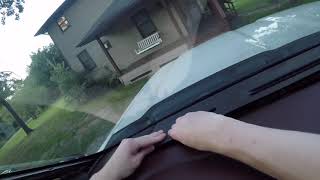
- For 2014-2016 models, inspect ground G218. It is located under the driver's side dash, near the speaker. Ensure the nut is tight and that no sound insulation material is caught between the ground eyelet and the body. 🎬 Watch: How to find and fix the G218 ground issue.
- If all else fails, the Theft Deterrent Module (exciter coil) around the ignition cylinder is the likely point of failure and requires testing and probable replacement.
Parts You'll Likely Need
- Transponder Ignition Key — The chip inside the original key is the most common electronic failure point. A new key is needed if the transponder fails or the key is lost.
Trusted brands: ACDelco
OEM price range: $70-$120
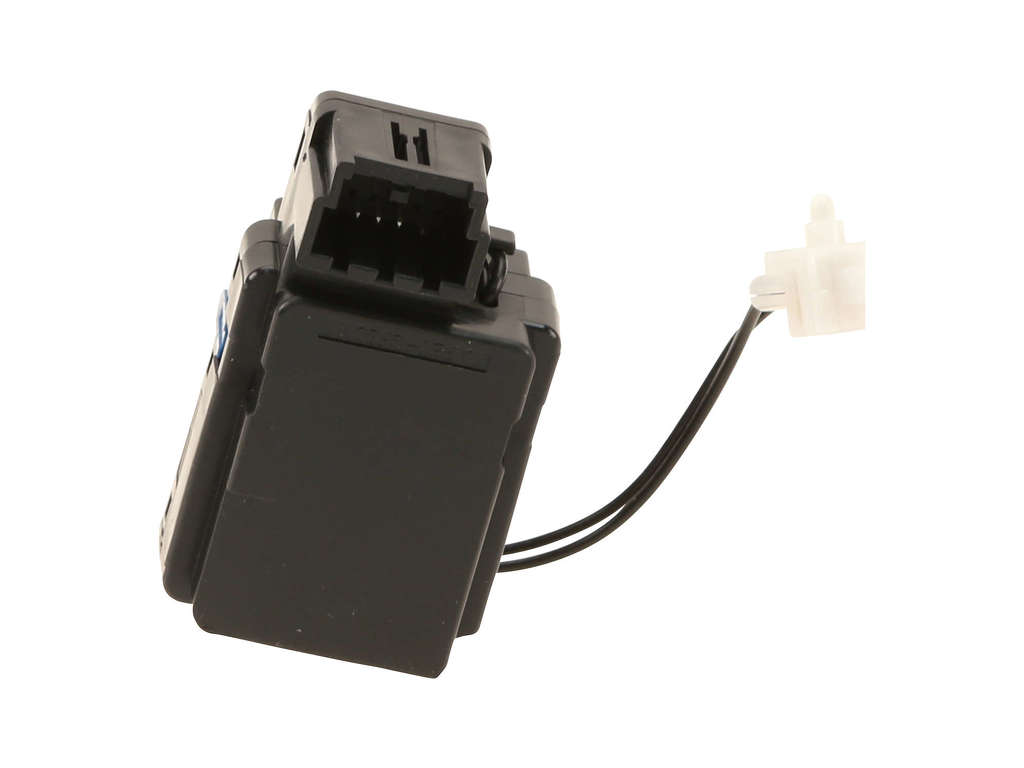
Aftermarket price range: $40-$80 - Theft Deterrent Module / Immobilizer Antenna / Exciter Coil — This module, which includes the ring around the ignition cylinder, reads the key. It can fail, preventing it from reading any key correctly. It is also referred to as the immobilizer antenna or exciter coil.
Trusted brands: ACDelco
OEM price range: $120-$200
Aftermarket price range: $70-$150
Related Codes That Often Appear With This One
- B3055 — Often means 'No Transponder Modulation or No Transponder Signal Received'. It frequently appears with B3060 because the TDM either can't hear the key at all (B3055) or hears it but doesn't recognize the code (B3060). The root causes are nearly identical and they are often listed together in service bulletins.
- B3935 — Relates to 'Transponder Authentication Failed'. This code can also set alongside B3060 during a failed key-reading event and is also cited in the same service bulletins.
Technical Service Bulletins (TSBs) & Recalls
- PIC5650M: Mentions B3060 in relation to intermittent no-crank, no-start, or start-stall concerns with the security light on.
- PIC5650B: A revised bulletin that highlights RF interference from devices on the key ring as a primary cause for intermittent security system issues and codes like B3060. It lists many specific examples of interfering devices.
- PIE0232: An engineering information request to gather data on low-mileage 2013 Sierra and Yukon models experiencing no-start conditions with code B3060, indicating a known issue from the factory.
- PIT5405C: Addresses various electrical issues on 2014+ trucks caused by a poor BCM ground at G218, which can include security system faults.
Platform-Specific Known Issues
- As noted in GM Technical Service Bulletin PIC5650M, an intermittent no-crank or start-stall condition with security light on is a known issue that can be caused by this code.
- GM Preliminary Information bulletin PIE0232 was created specifically to investigate the root cause of no-start conditions with codes B3055, B3060, or B3935 on low-mileage 2013 model year trucks, indicating this was a known issue from the factory.
- The PIC5650 bulletin has been revised many times (e.g., PIC5650B, C, K, M), consistently emphasizing that RF interference is a primary cause that is difficult to duplicate in a shop environment and that parts should not be replaced until RFI is ruled out.
- For the K2XX platform (2014-2016), a poor BCM ground at G218 is a known cause of various electrical gremlins and can contribute to intermittent security system faults. TSB PIT5405C addresses this issue, noting that dash insulation can get trapped under the ground connection from the factory.
Scan Tool Commands That Help
- Tech 2 / GDS2: Immobilizer Data Display — To view live data parameters related to the theft deterrent system. A key parameter to watch is 'TDM Valid Key', which should change to 'Yes' when a known good, programmed key is turned to the ON position.
- Tech 2 / GDS2: Special Functions > Immobilizer > Key Relearn — To initiate the key programming sequence after replacing a key or module. This is the dealer/professional method, which is faster than the 30-minute manual procedure.
Wiring & Ground Locations
- G218 — For 2014-2016 (K2XX) models, this ground is located on the driver's side, under the dash, near the A-pillar and just under the dash speaker.. This is a primary ground for the Body Control Module (BCM). A GM service bulletin (PIT5405C) notes that sound deadening material can get trapped under this ground from the factory, causing a poor connection and a host of intermittent electrical problems, including potential communication issues with the theft deterrent system.
- Theft Deterrent Module (TDM) — The TDM is integrated with the exciter coil, which is the plastic ring assembly located directly around the ignition lock cylinder where you insert the key.. This is the component that directly reads the transponder chip in the key. All wiring for the key signal originates here, making its connector a critical point for inspection.
- F26DA (2014-2016 models) — In the driver-side instrument panel fuse block.. This 7.5A fuse, labeled 'THEFT DETERRENT', powers the Theft Deterrent Module on the K2XX platform trucks. A loss of power here will prevent the system from operating.
- Fuse #35 (2012-2013 models) — In the underhood fuse block.. This 2A fuse is listed for the immobilizer system on the GMT900 platform trucks.
Real Owner Repair Stories
- Reddit user on r/Silverado (2014 Chevrolet Silverado) — Intermittent no-start with 'theft deterrent' message on the screen. It would sometimes start on the second try with the security light on, which would then go away on the next startup cycle. The issue occurred with both keys.
❌ Tried (didn't work) Using a spare key
✅ What actually fixed it The user was advised by another contributor that the symptoms pointed towards a possible issue with the electrical portion of the ignition switch or a poor electrical connection, and that an advanced scan tool could monitor the switch status to confirm.
OEM Part Supersession History
15845229, 25841840, 25861815, 25992280→22738087— Part revision and consolidation for the Theft Deterrent Module (exciter coil).
Heads up: These parts are for the GMT900 platform and are not compatible with the 2014+ K2XX platform.13523275→13523300— Part revision for the Theft Deterrent Module (exciter coil).
Heads up: These parts are for the K2XX platform and are not compatible with the pre-2014 GMT900 platform.
Model Year Variations Within This Range
- 2012-2013 (GMT900) vs 2014-2016 (K2XX): The 2014 model year marked a complete platform change. The Theft Deterrent Module (exciter coil) part number is different, and the location of the fuse for the system changed from the underhood block (GMT900) to the instrument panel fuse block (K2XX). Additionally, the BCM ground issue at G218 is a documented problem specific to the K2XX platform (2014+).
Helpful Videos

Used OEM Parts in Stock

New Aftermarket Parts Available



The information in this article is provided for general reference and educational purposes only. Vehicle specifications, procedures, and part compatibility can vary by production date, trim level, and region. Always consult your vehicle's factory service manual and verify part numbers before purchasing or performing repairs. Safety-critical components such as airbags, seat belts, and braking systems should be installed by a qualified professional.
- Gmc SIERRA DENALI:
- 🎬 Helpful Videos
- 🛍️ Shop This Part
- What's Unique About the 2012-2016 Gmc SIERRA DENALI
- Diagnostic Flowchart
- Symptoms You May Notice
- Most Likely Causes
- Rare But Worth Checking
- Diagnosis Steps
- Parts You'll Likely Need
- Related Codes That Often Appear With This One
- Technical Service Bulletins (TSBs) & Recalls
- Platform-Specific Known Issues
- Scan Tool Commands That Help
- Wiring & Ground Locations
- Real Owner Repair Stories
- OEM Part Supersession History
- Model Year Variations Within This Range
- 🎟️ Get 5% Off