

B3060 on 2007-2010 GMC Sierra 3500: Security System Fault, No-Start Causes and Fixes
On a 2007-2010 GMC Sierra 3500, code B3060 almost always indicates a problem with the Passkey III+ anti-theft system, causing a no-start. The most likely cause is a faulty ignition lock cylinder, which contains the key reader. Replacing the lock cylinder (e.g., ACDelco D1432D) and performing a 30-minute key relearn is the common fix. Interference from other fobs on the keychain is another frequent cause.
- B3060 means your truck's anti-theft system doesn't recognize the key and has disabled the engine.
- Before buying parts, try a spare key and remove all other electronic fobs from your keychain to rule out simple issues.
- The 30-minute security relearn procedure is a free diagnostic step that can often resolve the problem, especially after a battery change.
- The most common failed part is the ignition lock cylinder assembly (ACDelco D1432D), not the key or an expensive computer.
- Professional programming is often required after replacing security components like the lock cylinder or BCM, though the 30-minute relearn often suffices for the lock cylinder.
What's Unique About the 2007-2010 Gmc SIERRA 3500
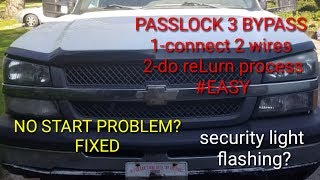
The 2007-2010 GMC Sierra 3500, part of the GMT900 platform, uses the Passkey III+ (PK3+) immobilizer system. This system is known for intermittent no-start issues. 🎬 Watch a mechanic diagnose a no-crank theft light issue. A common point of failure is not the key itself, but the ignition lock cylinder housing which contains the exciter coil (reader) that reads the key's transponder chip. This can lead to misdiagnosis, where owners replace the key or battery when the actual fault lies within the steering column's reader assembly. TSB PIC5650M also highlights that this platform is sensitive to Radio Frequency Interference (RFI) from aftermarket devices or even other keys on the same keyring.
Diagnostic Flowchart
Tap your situation to follow the diagnostic path that matches what you're seeing on this vehicle.
Generation note: The 2007 model year was a transition. This guide applies to the 'new body style' GMT900 platform (2007.5-2010). It does not apply to the 'Classic' GMT800 models sold in early 2007, which used a different security system.
Symptoms You May Notice
- Vehicle will not crank or start.
- Engine starts and immediately stalls.
- Security light is on or flashing on the instrument cluster (often an icon of a car with a lock).
- Intermittent no-start condition that may seem random.
- A single 'click' sound when turning the key to 'START', but the engine does not turn over.
- Replacing the battery
- Replacing the starter
- Replacing the fuel pump
Most Likely Causes
- Faulty Ignition Lock Cylinder 🔴 High Probability The internal exciter coil (reader) within the lock cylinder housing is a known weak point on the GMT900 platform. Wear, tear, and heat cycles can cause it to fail intermittently or completely, preventing it from reading the key's transponder.
How to confirm: If multiple known-good keys fail to start the vehicle and a key relearn procedure doesn't work, the lock cylinder is the prime suspect. A professional scan tool can monitor the key data stream to see if the BCM is receiving a valid signal. A resistance test of the exciter coil should yield a reading between 800 and 3500 Ohms; an open or shorted reading confirms failure.
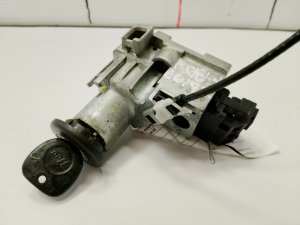
Typical fix: Replace the ignition lock cylinder housing and perform the 30-minute security relearn procedure. A popular replacement part is the ACDelco D1432D (GM Part #22670487).
Est. part cost: $75-$250 - Faulty or Worn Ignition Key 🟡 Medium Probability The PK3+ transponder chip embedded in the key head can be damaged from being dropped, exposed to moisture, or can fail electronically over time.
How to confirm: Try starting the vehicle with a spare key. If the spare key works consistently, the original key is faulty.
Typical fix: Replace the faulty key and have the new key cut and programmed to the vehicle by a locksmith or dealer. The key blank is often a B111-PT.
Est. part cost: $40-$150 - Radio Frequency Interference (RFI) ⚪ Low Probability The Passkey III+ system can be sensitive to other electronic devices. TSB PIC5650M specifically calls this out. Sources can include other vehicle key fobs, building access cards, aftermarket phone chargers, and even decorative metal rings around the ignition.
How to confirm: Remove all other keys, fobs, and RFID cards from the keychain. Try to start the truck with the GMC key by itself. If it starts, RFI was the issue.
Typical fix: Keep other electronic devices separate from the ignition key when starting the vehicle.
Est. part cost: $0 - Security System Lost Synchronization ⚪ Low Probability A low battery voltage event during cranking or a recent battery replacement can sometimes cause the TDM/BCM to lose sync with the key.
How to confirm: The vehicle fails to start after a battery issue. Performing the security relearn procedure is both a confirmation and a fix.
Typical fix: Perform the 30-minute security relearn procedure. This involves turning the key to 'ON' for 10 minutes, off for 10 seconds, and repeating this two more times.
Est. part cost: $0
Rare But Worth Checking
- Faulty Body Control Module (BCM): While less common than the lock cylinder, the BCM is the module that stores the key data and houses the TDM function. A failure here can prevent key recognition. This is an expensive last resort after all other possibilities are exhausted.
- Damaged Wiring: The wiring between the ignition lock cylinder and the BCM can become chafed or damaged, especially around the tilt-steering column, leading to an intermittent signal loss. A visual inspection of the harness under the column covers is a valid diagnostic step if the lock cylinder has been replaced without success.
- Poor BCM Ground (G218): Related TSB PIT5405C (for slightly later models but relevant) points to electrical issues caused by a poor BCM ground at location G218, typically under the driver's side dash. Trapped insulation can cause a poor connection, leading to various communication errors that could mimic a security fault.
Diagnosis Steps
- Check for a flashing or solid security light on the dashboard. This confirms an anti-theft issue.
- Try a spare key. If the spare key works, the primary key is the problem.
- Remove all other keys, fobs, and cards from your keychain to eliminate Radio Frequency Interference (RFI), as noted in TSB PIC5650M.
- Attempt the 30-minute security relearn procedure: 1. Turn the key to the 'ON' position (do not start). 2. Wait for approximately 10 minutes, or until the security light stops flashing and turns off. 3. Turn the key off for 10 seconds. 4. Repeat steps 1-3 two more times (for a total of three 10-minute cycles). 5. After the third cycle, the key should be learned, and the vehicle should start.
- If the relearn fails, inspect the wiring harness at the base of the steering column for any visible damage after removing the plastic shrouds.
- If all the above steps fail, the most likely cause is a faulty ignition lock cylinder. Replacement is recommended.
- If a new lock cylinder does not solve the issue, the Body Control Module (BCM), its connectors, and its grounds may need to be diagnosed by a professional.
Parts You'll Likely Need
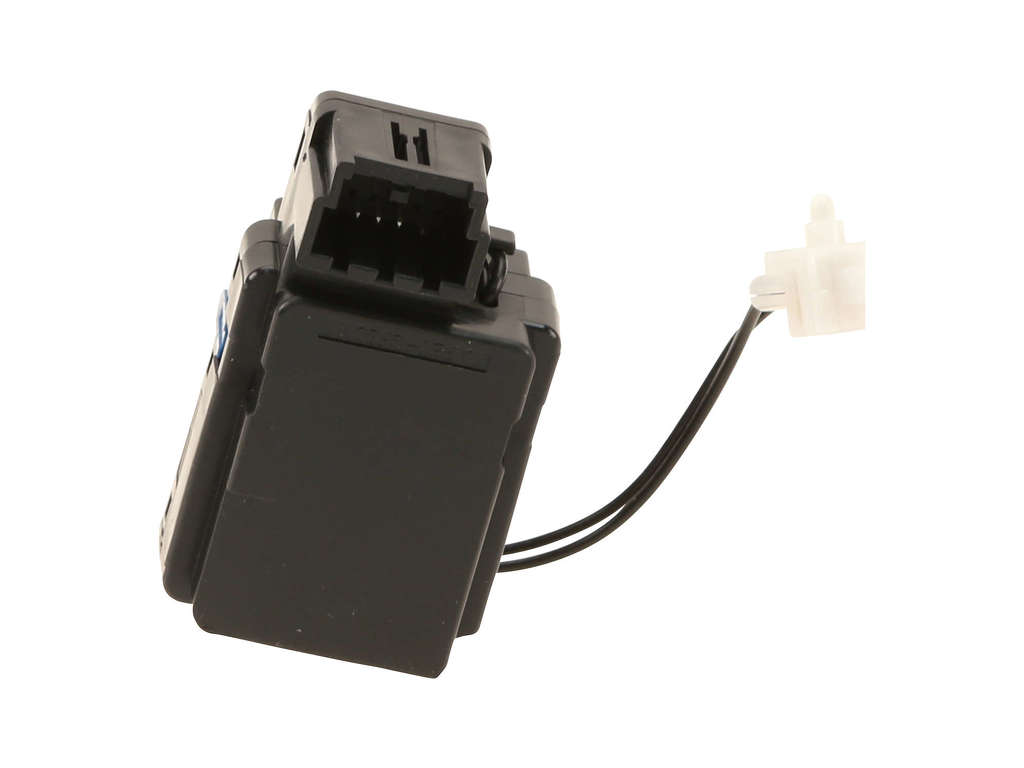
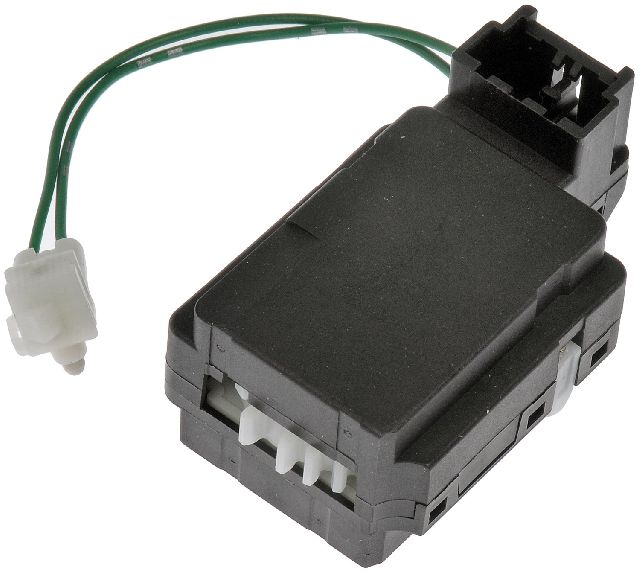
- Ignition Lock Cylinder with Passkey Sensor
(OEM #22670487)— This is the most common failure point for code B3060 on this platform, as it contains the reader coil for the key's transponder chip.
Trusted brands: ACDelco (D1432D), Dorman (924-719), Standard Motor Products
OEM price range: $150-$250
Aftermarket price range: $75-$150 - Transponder Ignition Key
(OEM #B111-PT (Key Blank))— If a spare key works, the original key's internal transponder has failed and the key must be replaced and programmed.
Trusted brands: ACDelco, Strattec
OEM price range: $70-$120
Aftermarket price range: $40-$80
Related Codes That Often Appear With This One
- B3055 — This code means 'No Transponder Modulation,' indicating the security module received no signal from the key at all. It often appears with B3060 and points to the same set of causes, like a bad key or faulty reader coil.
- B3935 — This code means 'Transponder Authentication Failed' and is another security code that is frequently logged alongside B3060 during a key recognition failure.
Technical Service Bulletins (TSBs) & Recalls
- PIC5650M: Addresses intermittent no crank, no start, or start stall concern with the security light coming on and DTCs B3055, B3060, B3935 set. Advises checking for RFI.
Platform-Specific Known Issues
- GM Technical Service Bulletin PIC5650M addresses an intermittent no crank, no start, or start/stall condition with the security light on, specifically mentioning DTC B3060 among others. It advises checking for RFI from aftermarket devices as a primary step.
- Owner experiences on forums like gmtruckclub.com and YouTube frequently document this exact failure. A common repair story involves the truck failing to start, displaying the security icon, and being fixed by either the 30-minute relearn procedure or by replacing the ignition lock cylinder.
- One owner on a forum reported chasing a similar no-start issue that was ultimately caused by a large, corroded main electrical connector on the driver's side frame rail, which prevented the BCM from communicating properly for the security handshake. Cleaning the connector resolved the issue.
Mechanic-Grade Diagnostic Values
- Ignition Lock Cylinder Exciter Coil Resistance — expected: 800 - 3500 Ohms (Ω). Failure: A reading of infinity (Open Loop) or near-zero Ohms (short circuit) indicates a failed coil.
Hidden / Shadow Codes Worth Checking
- B3060 00: The '00' is a 2-digit symptom byte meaning 'No Sub Type Information'. It signifies that the base code B3060 contains the full description of the fault. Its presence confirms the code is being read by a GM-specific tool. (see via A professional scan tool like the GM Tech 2 or an equivalent that can read GM-specific symptom bytes.)
Scan Tool Commands That Help
- GM Tech2 / GDS2: Immobilizer Data / TDM Data Display — Use this to monitor the 'TDM Valid Key' or 'Immobilizer Key Status' parameter in the BCM/TDM data list. It should change from 'No' to 'Yes' when a recognized key is turned in the ignition. This is the definitive way to confirm if the module is successfully reading and authenticating the key transponder.
- GM Tech2 / GDS2: Body > Immobilizer > Special Functions > Program Transponder Keys — This function is required to add new keys or reprogram all keys after replacing the BCM or ignition lock cylinder if the 30-minute manual relearn procedure fails or is not applicable.
Wiring & Ground Locations
- G218 — Under the driver's side of the dashboard, behind the kick panel and dash-end panel, near the A-pillar. It is a ground stud on the metal body structure where a nut secures one or more ground wire eyelets.. This is a primary ground point for the Body Control Module (BCM). TSB PIT5405C notes that trapped dash insulation under the eyelet can cause a poor connection, leading to a host of electrical issues including communication DTCs and no-start conditions that can mimic a security fault.
- Theft Deterrent Module (TDM) — On the GMT900 platform, the TDM function is integrated into the Body Control Module (BCM). The BCM is located under the driver's side of the dash, to the left of the steering column.. This is the control unit that receives the key's transponder signal from the ignition cylinder's exciter coil and determines if it is a valid key. All related wiring for the Passkey III+ system terminates here.
- Ignition Lock Cylinder Wiring — The wiring runs from the ignition lock cylinder housing down the steering column to a connector at the base of the column before routing to the BCM.. This wiring is susceptible to damage from the tilt/telescope function of the steering wheel. Repeated movement can cause wires to chafe or break, leading to an intermittent loss of signal from the exciter coil and setting B3055 or B3060.
Real Owner Repair Stories
- Reddit user on r/MechanicAdvice (2008 Chevy Silverado 2500HD 6.0L) — No-start with 'Theft Deterrent Service' message on the dash.
❌ Tried (didn't work) Replacing the ignition switch and cylinder., Performing the 30-minute manual relearn procedure (three 10-minute cycles). This made the security light go away, but the truck would die immediately upon starting.
✅ What actually fixed it The owner towed the truck to a Chevrolet dealership. The dealer used their scan tool (likely a Tech2 or GDS2) to successfully reset the security system and program the new components, which resolved the issue. - YouTube video from 'Car Lab' (2014 GMC Savana (platform mate with similar system)) — Crank no-start with flashing security light.
❌ Tried (didn't work) Replacing the ignition switch/lock cylinder., Performing the 30-minute relearn procedure multiple times.
✅ What actually fixed it The Body Control Module (BCM) was faulty. Replacing the BCM and programming it with GM's SPS2 software resolved the no-start condition and cleared the B3060 code.
When the Usual Fixes Don't Work
- In some documented cases, replacing the ignition lock cylinder and performing the 30-minute manual relearn is not sufficient to resolve the code. One owner of a 2008 Silverado replaced the parts but the truck would only start and immediately stall. The final fix required a trip to the dealer to have the security system reset and programmed using their proprietary scan tool, suggesting that some BCMs require a tool-based reset after component replacement. In another case with a platform mate, after replacing the lock cylinder failed to fix the issue, the ultimate cause was a faulty Body Control Module (BCM) itself, which required replacement and programming.
OEM Part Supersession History
12458191, 25832354→22670487 (ACDelco D1432D)— Part consolidation and potential design updates over the vehicle's lifecycle.
Heads up: While Dorman 924-719 is listed as a cross-reference, owner and mechanic forums occasionally report fitment or longevity issues compared to the ACDelco OE part. Always verify fitment with VIN before purchasing.
Helpful Videos
Used OEM Parts in Stock



New Aftermarket Parts Available


The information in this article is provided for general reference and educational purposes only. Vehicle specifications, procedures, and part compatibility can vary by production date, trim level, and region. Always consult your vehicle's factory service manual and verify part numbers before purchasing or performing repairs. Safety-critical components such as airbags, seat belts, and braking systems should be installed by a qualified professional.
- Gmc SIERRA 3500:
- 🎬 Helpful Videos
- 🛍️ Shop This Part
- What's Unique About the 2007-2010 Gmc SIERRA 3500
- Diagnostic Flowchart
- Symptoms You May Notice
- Most Likely Causes
- Rare But Worth Checking
- Diagnosis Steps
- Parts You'll Likely Need
- Related Codes That Often Appear With This One
- Technical Service Bulletins (TSBs) & Recalls
- Platform-Specific Known Issues
- Mechanic-Grade Diagnostic Values
- Hidden / Shadow Codes Worth Checking
- Scan Tool Commands That Help
- Wiring & Ground Locations
- Real Owner Repair Stories
- When the Usual Fixes Don't Work
- OEM Part Supersession History
- 🎟️ Get 5% Off