

B3060 on 2007-2014 GMC Sierra 1500: No Start, Security Light Causes & Fixes
Code B3060 on a 2007-2014 GMC Sierra means the truck's security system doesn't recognize the key, causing a no-start. The most common fixes are trying a different key, removing RFID interference from your keychain, or performing a 10-minute key relearn procedure. A new key or ignition lock cylinder may be needed.
- B3060 means your truck's security system doesn't recognize your key, preventing it from starting.
- Before attempting costly repairs, try the simple fixes: use a spare key and remove all other RFID devices from your keychain.
- The 10-minute key relearn procedure can often resolve the issue temporarily or after a part replacement, and does not require tools.
- If a new key or ignition lock cylinder is needed, programming by a professional with a proper scan tool is almost always required.
- This is a security system fault, not a problem with your starter, battery, or fuel pump.
What's Unique About the 2007-2014 Gmc SIERRA 1500
The GM Passkey III+ immobilizer system used in this generation of Sierra (GMT900/K2XX) is sensitive to interference and key wear. Unlike simpler systems, it doesn't just look for a mechanical key cut, but for a valid electronic transponder signal from a chip inside the key head. A common point of failure is not just the key itself, but also interference from modern RFID-blocking wallets, office key cards, or even other car keys on the same keychain. GM has specifically addressed this in service bulletins, noting that devices operating in the 120-135 kHz range are most likely to cause interference.
Diagnostic Flowchart
Tap your situation to follow the diagnostic path that matches what you're seeing on this vehicle.
Generation note: The 2007-2014 range covers the end of the GMT900 generation (2007-2013) and the first year of the K2XX generation (2014). While the underlying Passkey III+ immobilizer technology is similar, part numbers for ignition components and modules may differ. The symptoms and causes described are common to both generations within this year range.
Symptoms You May Notice
- Engine will not crank or start
- Engine starts briefly then immediately stalls
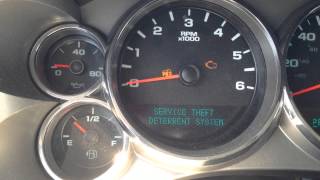
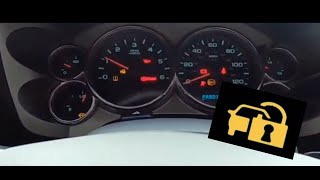
- Security indicator light is solid or flashing on the instrument cluster.
- A 'No Fob Detected' message may appear on the Driver Information Center (DIC) for vehicles with keyless access.
- Key is difficult to turn in the ignition or feels 'gritty', which can be a precursor to ignition cylinder failure.
- Replacing the battery (without checking its voltage first)
- Replacing the starter motor
- Replacing the fuel pump
- Replacing the Engine Control Module (ECM)
Most Likely Causes
- Radio Frequency (RF) Interference 🔴 High Probability The Passkey system's exciter coil operates at 125 kHz and can be overpowered by other RFID devices like building access cards, gas station payment fobs (Speedpass), or even other vehicle keys on the same ring.
How to confirm: Remove all other keys, fobs, and RFID-enabled cards from the keychain. Try starting the vehicle with the ignition key completely isolated. If it starts, RF interference was the cause.
Typical fix: Keep other RFID devices separate from the vehicle key during operation. This is a no-cost fix. GM TSB PIC5650B directly addresses this issue.
Est. part cost: $0 - Using an Unprogrammed or Incorrect Key 🔴 High Probability
How to confirm: Attempt to start the vehicle with a different, known-good key that is programmed to the truck. If the other key works, the first key is the problem. A scan tool can also be used to view the 'TDM Valid Key' parameter, which should read 'Yes' for a programmed key.
Typical fix: The problematic key needs to be programmed to the vehicle using the 10-minute (30-minute total) relearn procedure or by a professional with a scan tool.
Est. part cost: $0 - Defective or Worn-Out Key Transponder 🟡 Medium Probability The transponder chip (e.g., PCF7936 ID46) embedded in the key head can be damaged from drops, water, or simply fail electronically over time.
How to confirm: If a spare key works and the problematic key doesn't (even after a relearn attempt), the transponder in the key is likely bad. A locksmith can also test the key's transponder signal.
Typical fix: Replace the key. A new key must be cut and then programmed to the vehicle.
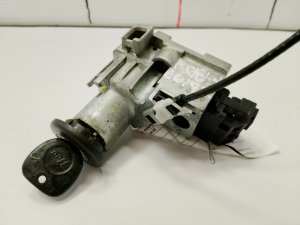
Est. part cost: $50-$150 - Faulty Ignition Lock Cylinder / Exciter Coil 🟡 Medium Probability The exciter coil, which energizes the key's transponder, is part of the ignition lock cylinder assembly. The fine wires in the coil can break or the internal contacts can wear out, preventing it from reading any key, even known-good ones.
How to confirm: After ruling out keys and interference, this is the next logical step. If multiple known-good keys fail to start the vehicle and the relearn procedure does not work, the lock cylinder is the prime suspect. Diagnosis involves testing for continuity and power at the connector for the cylinder.
Typical fix: Replace the ignition lock cylinder and perform the key relearn procedure.
Est. part cost: $70-$200
Rare But Worth Checking
- Faulty Theft Deterrent Module (TDM) or Body Control Module (BCM): This is rare. The module itself can fail, but all other possibilities, especially keys and the ignition lock cylinder, should be exhausted first. Replacement requires professional programming specific to the vehicle's VIN with a tool like a GM Tech2.
- Damaged Wiring: Wires between the ignition lock cylinder and the TDM/BCM can become chafed or broken, especially within the steering column from tilt-wheel adjustments over time. This can cause an intermittent no-start condition.
- Low Battery Voltage: While not a direct cause of B3060, very low vehicle battery voltage can cause various electronic modules, including the TDM/BCM, to behave erratically and fail to communicate properly during startup, potentially logging this code as a symptom of the larger power issue.
Diagnosis Steps
- Verify the complaint: Confirm the no-start condition and the illuminated security light.
- Check for Interference: Remove all other fobs, keys, and RFID cards (office badges, gas station fobs) from the keychain and try again.
- Try a Spare Key: Attempt to start the vehicle with a second, known-good key. If it works, the first key is the issue.
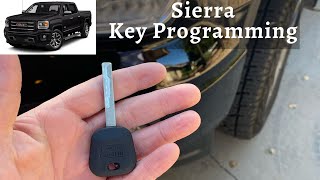
- Perform the 30-Minute Key Relearn Procedure: 1. Insert an unlearned key and turn to 'ON' (run position). The security light will be on. 2. Wait approximately 10 minutes until the light turns off. 3. Turn the ignition off for 5 seconds. 4. Repeat steps 1-3 two more times for a total of 3 cycles / 30 minutes. 5. After the third cycle, the key is learned. Turn the key off, then attempt to start the vehicle. 🎬 Watch: Step-by-step guide for the 30-minute key relearn procedure.
- Scan for Codes: Use a scan tool capable of reading Body/Chassis codes (not just a basic engine code reader) to confirm B3060 and any other related DTCs like B3055 or B3935.
- Check Scan Tool Data: A professional scan tool (like a GM Tech2) can view the TDM/BCM data stream. Look for a parameter like 'TDM Valid Key'. Test this with all available keys to see if the module recognizes them.
- Inspect Ignition Cylinder Wiring: If no key is ever seen as valid, visually inspect the wiring and connector at the base of the ignition lock cylinder and at the TDM/BCM for damage, chafing, or loose connections.
- Test Ignition Lock Cylinder: If wiring appears good, test the exciter coil for continuity using a multimeter. If the circuit is open, the lock cylinder assembly is faulty.
- Replace Ignition Lock Cylinder: If the exciter coil is confirmed to be faulty, replace the ignition lock cylinder assembly.
- Replace TDM/BCM: This is the final step if all other components have been verified as good. This requires professional programming.
Parts You'll Likely Need
- Transponder Ignition Key
(OEM #GM B111-PT)— The transponder chip (e.g., Philips ID46 / PCF7936) in the original key may have failed or the key is a non-programmed copy.
Trusted brands: ACDelco, Strattec, ilco
OEM price range: $70-$120
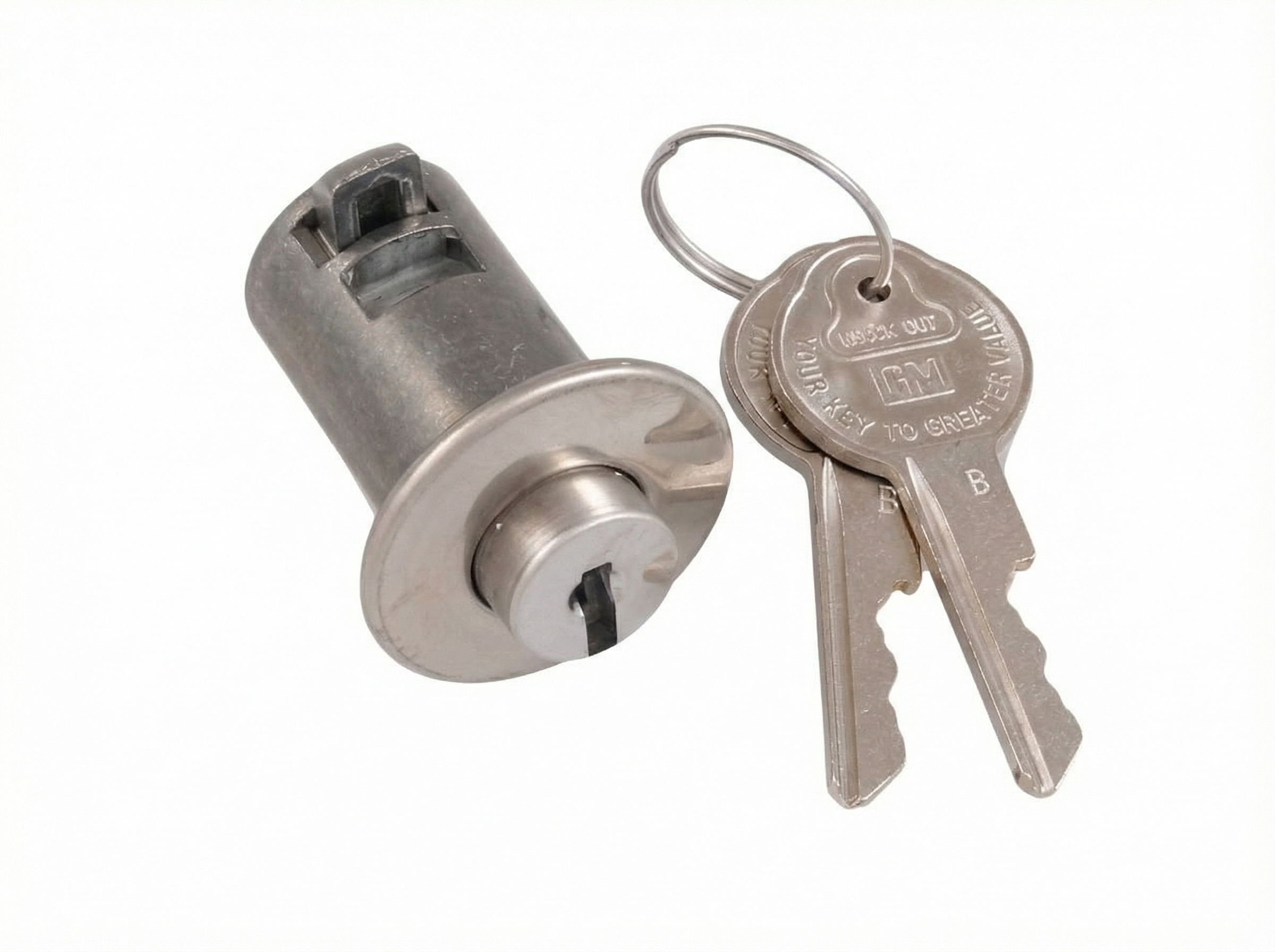
Aftermarket price range: $30-$60 - Ignition Lock Cylinder with Passkey
(OEM #ACDelco D1462G (GM 15795321))— The exciter coil that reads the key's transponder is part of this assembly and is a common failure point. This part is often sold as the 'Ignition Lock Housing'.
Trusted brands: ACDelco (GM Genuine Parts), Dorman, Standard Motor Products (US971)
OEM price range: $120-$200
Aftermarket price range: $70-$150
Related Codes That Often Appear With This One
- B3055 — Stands for 'No Transponder Modulation or No Transponder'. This code is often set alongside B3060 and indicates the TDM did not receive any signal from the key, which could be due to a bad key, RF interference, or a faulty exciter coil.
- B3935 — Transponder Authentication Failed. Another security code that can appear with B3060, indicating an issue in the immobilizer system communication, often pointed out in TSBs related to this fault.
Technical Service Bulletins (TSBs) & Recalls
- PIC5650M: Mentions B3060 in relation to intermittent no crank/no start and security light issues, often accompanied by other codes like B3055 and B3935.
- PIC5650B: Supersedes previous versions and highlights RF interference from devices on the key ring as a primary cause for intermittent security issues, including DTC B3060. It lists a wide range of GM vehicles from 2007-2015 that are affected.
- PIE0232: An engineering information bulletin specifically requesting data on low-mileage (under 1,000 miles) 2013 Sierra and Silverado models that set B3060, B3055, or B3935, indicating a known issue from the factory.
Platform-Specific Known Issues
- As noted in GM TSB PIC5650B, these vehicles are particularly susceptible to RF interference from devices on the keychain, which can intermittently trigger security codes and a no-start condition.
- GM Engineering Information bulletin PIE0232 was created specifically to investigate the cause of B3060 on low-mileage 2013 Sierra and Silverado models, indicating a known issue from the factory for that model year.
- A user on SilveradoSierra.com with a 2010 Sierra reported a B3060 code that was resolved by replacing the ignition lock cylin
Mechanic-Grade Diagnostic Values
- Ignition Lock Cylinder Exciter Coil Resistance — expected: 800 - 3500 Ohms (Ω). Failure: A reading of infinity (Open Loop) or zero indicates a failed coil.
Scan Tool Commands That Help
- GM Tech2 / GDS2: Immobilizer Data / TDM Data Display — Use this to monitor the 'TDM Valid Key' or 'Immobilizer Key Status' parameter. It should change from 'No' to 'Yes' when a correctly programmed key is used. This confirms if the BCM is recognizing the key's transponder signal.
- GM Tech2 / GDS2: BCM > Program Keys — This is the professional-level function to add new keys to the vehicle's immobilizer memory. It is much faster than the manual 30-minute relearn procedure and is required when replacing the BCM itself.
Wiring & Ground Locations
- Body Control Module (BCM) — Located on the driver's side, behind the instrument panel and to the left of the steering column.. For this vehicle generation, the BCM integrates the functions of the Theft Deterrent Module (TDM). It receives the key transponder signal from the ignition lock cylinder and decides whether to allow the engine to start.
- G201 — A primary interior ground point located behind the instrument panel, typically on the left-hand side near the A-pillar.. A poor ground at G201 can cause erratic behavior in multiple interior electronic modules, including the Body Control Module, potentially leading to false security codes like B3060.
- Ignition Cylinder Connector — At the base of the ignition lock cylinder housing inside the steering column.. The wires in this connector (often purple and yellow/black) carry the signal from the exciter coil to the BCM. These wires can chafe or break from repeated use of the tilt-steering function, causing an intermittent loss of signal and a no-start condition.
Real Owner Repair Stories
- Forum user on SilveradoSierra.com (2010 GMC Sierra) — Intermittent no-start with security light on, codes B3060 and B3055.
❌ Tried (didn't work) Multiple attempts of the 30-minute key relearn procedure.
✅ What actually fixed it The final fix was replacing the entire ignition lock cylinder housing, which contains the passkey sensor (exciter coil). - Forum user report (2011 GMC Sierra) — Intermittent no-start, particularly when the tilt steering wheel was adjusted.
❌ Tried (didn't work) Key relearn procedure, Trying a spare key
✅ What actually fixed it A broken wire was found inside the steering column harness that connects to the ignition switch assembly. The wire would make and break contact when the steering wheel was tilted, causing the intermittent fault. Repairing the broken wire resolved the issue.
OEM Part Supersession History
GM 15795321→GM 25832354— Part has been updated or consolidated by the manufacturer.
Heads up: While these part numbers are often associated with the ignition lock housing, they may apply to different vehicle lines or have specific application notes. The part number 25832354 is listed for many earlier GM cars and may not be a direct fit for all 2007-2014 Sierra models. Always verify the correct part number with a VIN before ordering.
Model Year Variations Within This Range
- 2007-2013 (GMT900 Platform): These models use the established Passkey III+ system where the TDM function is integrated into the BCM. The ignition lock cylinder and key designs are specific to this generation.
- 2014 (K2XX Platform): The 2014 model year marked a complete platform change to the K2XX chassis. It features a more advanced immobilizer system that is more deeply integrated with the BCM and other modules via CAN bus. While the B3060 code can still occur, the keys, ignition switch design, BCM, and diagnostic procedures are different from the previous GMT900 trucks.
Helpful Videos
Used OEM Parts in Stock



New Aftermarket Parts Available


The information in this article is provided for general reference and educational purposes only. Vehicle specifications, procedures, and part compatibility can vary by production date, trim level, and region. Always consult your vehicle's factory service manual and verify part numbers before purchasing or performing repairs. Safety-critical components such as airbags, seat belts, and braking systems should be installed by a qualified professional.
- Gmc SIERRA 1500:
- 🎬 Helpful Videos
- 🛍️ Shop This Part
- What's Unique About the 2007-2014 Gmc SIERRA 1500
- Diagnostic Flowchart
- Symptoms You May Notice
- Most Likely Causes
- Rare But Worth Checking
- Diagnosis Steps
- Parts You'll Likely Need
- Related Codes That Often Appear With This One
- Technical Service Bulletins (TSBs) & Recalls
- Platform-Specific Known Issues
- Mechanic-Grade Diagnostic Values
- Scan Tool Commands That Help
- Wiring & Ground Locations
- Real Owner Repair Stories
- OEM Part Supersession History
- Model Year Variations Within This Range
- 🎟️ Get 5% Off