

B3060 on 2017-2021 GMC Savana: Understanding and Fixing the Security System Fault
Code B3060 on a GMC Savana means the van's security system doesn't recognize the ignition key, causing a no-start or start-and-stall condition. The most common fixes are trying a spare key, performing a 30-minute key relearn procedure, or replacing a faulty key. RF interference from other devices on the keychain is also a frequent cause.
- B3060 means your van's security system has locked you out due to an unrecognized key.
- Before calling a mechanic, try using your spare key and remove any other electronic fobs from your keychain.
- The 30-minute key relearn procedure is a common DIY fix that costs nothing but time and can resolve the issue if the key has simply lost its programming.
- Do not replace the starter or battery for a no-crank condition until you have ruled out a security system fault.
- If you need a new key, a locksmith is often cheaper than the dealership for cutting and programming.
What's Unique About the 2017-2021 Gmc SAVANA
On this generation of GMC Savana and its platform-mate, the Chevrolet Express, the Passkey immobilizer system is a frequent source of no-start complaints. The issue is often not a major component failure but a loss of communication or programming. As noted in multiple versions of GM Technical Service Bulletin PIC5650, the problem can be intermittent and is very often caused by simple radio frequency (RF) interference from other devices on the keychain, such as other car keys, gate access cards, or even aftermarket LED lights and USB chargers. Before suspecting expensive module failures, it's crucial to rule out key, programming, and interference issues.
Diagnostic Flowchart
Tap your situation to follow the diagnostic path that matches what you're seeing on this vehicle.
Symptoms You May Notice
- Engine will not crank or start
- Engine starts briefly and then immediately shuts off
- Security indicator light is illuminated or flashing on the dashboard
- "Service Theft Deterrent System" message may appear on the driver information center
- Replacing the starter motor when the engine won't crank.
- Replacing the battery without first checking for security system trouble codes.
- Replacing the Engine Control Module (ECM), which does not control the anti-theft system on these vehicles.
Most Likely Causes
- Unprogrammed or Faulty Ignition Key 🔴 High Probability This can happen when using a newly cut key that hasn't been programmed, or when the internal transponder chip (often a Philips ID46) in an existing key fails or becomes damaged.
How to confirm: Try starting the vehicle with a known-good spare key. If the spare key works without issue, the original key is the problem.
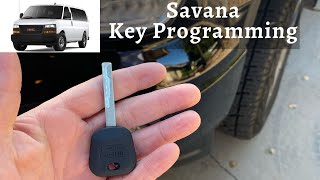
Typical fix: Replace the faulty key and have the new key programmed to the vehicle. A locksmith or dealership can perform this service. In some cases, a DIY relearn is possible if one working key is available. 🎬 Watch: Step-by-step DIY transponder key programming tutorial
Est. part cost: $50-$150 - Key Has Lost Programming 🔴 High Probability A low vehicle battery, voltage spikes, jump-starting the vehicle, or intermittent electrical faults can sometimes cause the key's programming to be lost from the vehicle's memory.
How to confirm: The vehicle fails to start with a key that was previously working, and the security light is active.
Typical fix: Perform the 30-minute manual key relearn procedure. This involves cycling the ignition to 'ON' for three consecutive 10-minute intervals until the security light turns off each time.
Est. part cost: $0 - Radio Frequency (RF) Interference 🟡 Medium Probability As cited in GM TSB PIC5650M, other electronic devices on the keychain can disrupt the low-frequency (125 kHz) signal between the key and the ignition's reader coil. Common culprits include other vehicle keys, toll passes, access cards, and even aftermarket USB chargers or LED lights inside the van.
How to confirm: Remove all other keys, key fobs, and RFID-enabled cards (like office access cards) from the key ring. Attempt to start the vehicle with the ignition key isolated from all other electronics.
Typical fix: Keep the ignition key on a separate ring or ensure no other electronic devices are near the ignition cylinder when starting. Remove any aftermarket chargers or lighting that may be causing interference.
Est. part cost: $0 - Faulty Ignition Lock Cylinder / Reader Coil ⚪ Low Probability The exciter coil that surrounds the ignition cylinder energizes the key's transponder. This coil or its wiring can fail over time, preventing it from reading the key. Physical wear from heavy keychains can also contribute to failure.
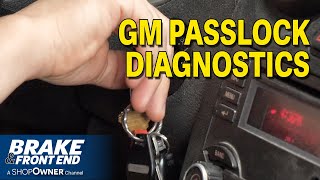
How to confirm: If a key relearn fails and multiple known-good keys do not work, the reader coil is suspect. This requires testing the circuit with a multimeter or diagnosis with an advanced scan tool that can monitor immobilizer data 🎬 See this guide on diagnosing GM Passlock system issues.
Typical fix: Replace the ignition lock cylinder assembly, which includes the reader coil. A key relearn procedure will be required after replacement.
Est. part cost: $100-$250
Rare But Worth Checking
- Faulty Body Control Module (BCM): The BCM is the module that manages the theft deterrent system. While it can fail, it is much less common than key or wiring issues. Symptoms of a failing BCM often include multiple, unrelated electrical problems, such as erratic lights, locks, and wipers, in addition to the no-start. All other causes should be ruled out before condemning the BCM.
- Low Vehicle Battery Voltage: A weak or failing battery can cause various electronic modules, including the TDM/BCM, to malfunction and incorrectly set security codes. Ensure the battery is fully charged and holds a load before diagnosing other components.
- Damaged Wiring: In some cases, the wiring between the ignition lock cylinder and the BCM can become damaged or corroded, especially in the driver-side footwell area. A YouTube video by Global Commerce CA on a Chevy Express showed a broken red/white power wire under the dash causing a no-crank with security light on.
Diagnosis Steps
- Check for a flashing or illuminated security light on the instrument cluster.
- Scan the Body Control Module (BCM) for codes. Note B3060 and any others like B3055 or B3935.
- Remove all other keys, fobs, and RFID cards from the keychain and try starting again.
- Attempt to start the vehicle with a known-good spare key. If it starts, the primary key is faulty.
- Check vehicle battery voltage. Ensure it is above 12.4V. A low battery can cause various module errors.
- If no spare key is available or if it also fails, attempt the 30-minute manual key relearn procedure.
- Inspect the wiring and connector at the ignition lock cylinder for any visible damage or loose connections. Check for power at the theft deterrent module; a broken wire under the dash has been documented as a cause.
- If the relearn fails, use a scan tool to monitor the immobilizer data (e.g., 'VTD Fuel Disable' or 'Crank Request Signal' PIDs) to see if the key is being recognized at all.
- If no key is ever recognized, test the ignition reader coil circuit. If the circuit is good, replace the ignition lock cylinder assembly.
- If all other components test correctly and multiple unrelated electrical issues are present, the Body Control Module (BCM) may be faulty.
Parts You'll Likely Need
- Ignition Key with Transponder
(OEM #13520340 (Supersedes 23300334))— The transponder chip (Philips 46) inside the key is the most common failure point, or a new key simply needs to be programmed.
Trusted brands: ACDelco (GM Genuine), Strattec, Ilco
OEM price range: $70-$120
Aftermarket price range: $20-$50 - Ignition Lock Cylinder with Passkey Sensor
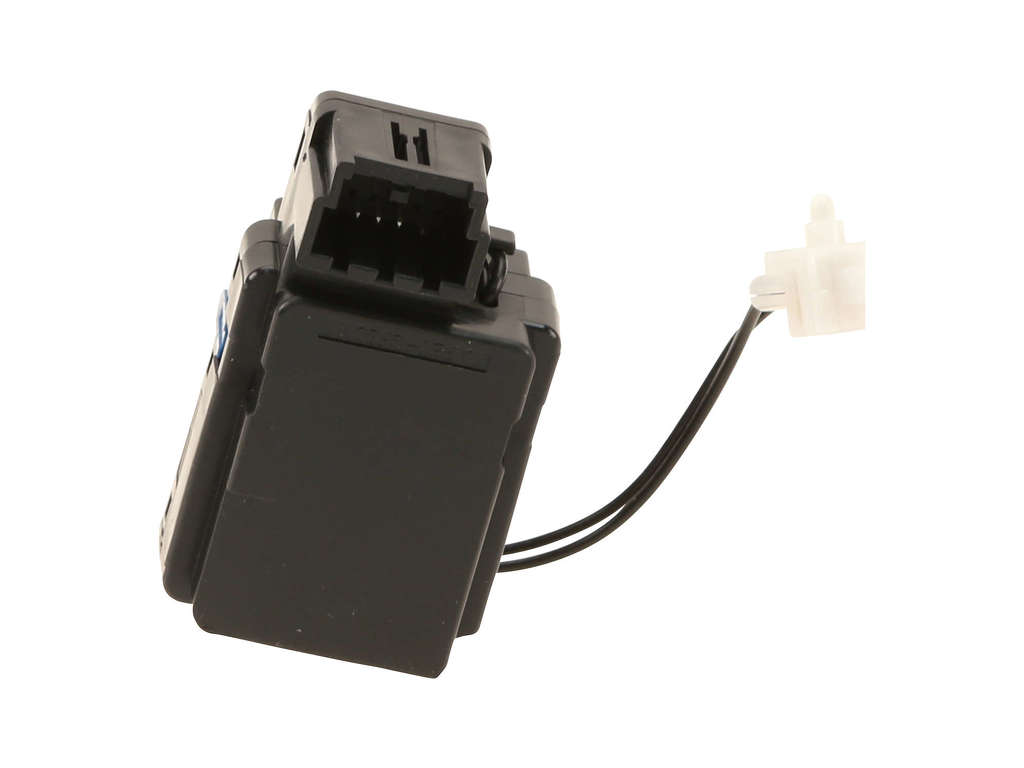
(OEM #84668679)— If the reader coil (sensor) that reads the key fails, the entire lock cylinder assembly must be replaced. This part often includes the housing and must be coded to the existing keys or come with new keys.
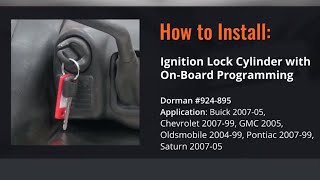
Trusted brands: ACDelco (GM Genuine), Dorman, Standard Motor Products (SMP) 🎬 Watch: How to replace the ignition lock cylinder assembly
OEM price range: $150-$250
Aftermarket price range: $80-$160
Related Codes That Often Appear With This One
- B3055 — This code means 'No Transponder Modulation or No Transponder,' indicating the system received no signal from the key at all. It often appears with B3060 and points to the same set of problems: a bad key, severe RF interference, or a faulty reader coil.
- B3935 — This code, 'Transponder Authentication Failed,' can also set alongside B3060. It indicates that a signal was received from the key, but the data was incorrect or did not match what the BCM expected. This reinforces a key programming or faulty key issue.
Technical Service Bulletins (TSBs) & Recalls
- PIC5650M: Addresses intermittent no crank, no start, or start stall concern with the security light coming on and DTCs B3055, B3060, B3935 set. Explicitly calls out RFI from aftermarket devices.
- PIC5650C / PIC5650K: Previous versions of the TSB that also highlight intermittent no-start conditions and point to Radio Frequency (RFID) device interference as a primary diagnostic step.
- PIE0232: An earlier engineering information bulletin where GM requested field data on low-mileage vehicles with these codes to determine the root cause, showing this has been a long-standing issue being investigated.
Platform-Specific Known Issues
- As documented in TSB PIC5650M, this vehicle can experience intermittent no-crank, no-start, or stall conditions with the security light on, directly linked to code B3060. The TSB strongly emphasizes checking for Radio Frequency Interference (RFI) from aftermarket devices like LED lights, USB chargers, and even non-GM keys on the same keychain before replacing any parts.
Hidden / Shadow Codes Worth Checking
- B3060 00: A YouTube video description mentions a '00' suffix for B3060, defining it as 'Chassis System Dedicated Bus Sensor 1 Malfunction'. However, this definition seems to conflict with the widely understood meaning of an invalid key signal for B3060. The '00' typically means no subtype information is available, and the base DTC provides the full description. This may be a misinterpretation by the video creator, as B3060 is firmly related to the immobilizer system. (see via Dealer-level scan tool like GM GDS2.)
Scan Tool Commands That Help
- GM GDS2: Module Diagnostics > Body Control Module (BCM) > Immobilizer — To view live data PIDs related to the theft deterrent system, such as key status, number of programmed keys, and the reason for the last fuel disable event. This is critical for determining if the BCM is seeing the key at all.
- GM GDS2 / SPS: Immobilizer Learn / Add or Replace Keys — This function is required to program new keys or a new Body Control Module (BCM) to the vehicle. It requires an online connection to GM's Service Programming System (SPS) for security access.
- High-End Bidirectional Scanner: Active Test: Starter Relay Command — To bypass the BCM's security logic and directly command the starter relay to engage. If the engine cranks during this test, it confirms the starter, battery, and related wiring are good, pointing the diagnosis back to the anti-theft system or BCM.
Wiring & Ground Locations
- BCM (Body Control Module) — Located behind the driver's side of the dash, sometimes described as being just under the steering column. The connectors typically face the rear of the vehicle.. The BCM is the central module for the Passkey III+ anti-theft system. All signals from the ignition key's transponder reader are processed here. Poor connections or a faulty BCM will directly cause code B3060.
- G103 — Located at the left rear of the engine compartment on the cowl, above the brake booster.. This is a major ground point that serves multiple critical modules, including the Body Control Module (BCM), Instrument Panel Cluster (IPC), and the Data Link Connector (DLC). A loose or corroded G103 can cause intermittent communication issues and various electrical faults, including setting false theft deterrent codes.
- Red/White Wire to BCM — Runs from the underhood fuse block through the firewall to the BCM. A common chafe/break point is under the dash in the driver's footwell area, near the brake pedal.. This wire provides power to the theft deterrent module/BCM. A break in this wire will cause a loss of power, resulting in a no-crank condition with the security light on, and can set codes like B3060.
Real Owner Repair Stories
- YouTube channel 'Global Commerce CA' (2008 Chevrolet Express 1500 (similar platform and system)) — No crank, security light stays on. Codes B1380 and B1370 were also present, indicating device power circuit issues.
❌ Tried (didn't work) Replacing the key, Replacing the fuse box
✅ What actually fixed it Found a broken Red/White power wire under the dash near the brake pedal. The wire had chafed and broken, cutting power to the theft deterrent module. Repairing the broken wire restored power and resolved the no-start condition.
OEM Part Supersession History
23300334, 5928275→13520340, which is then superseded by 13531098— Standard part number consolidation and updates by the manufacturer.
Heads up: These are GM high-security laser-cut keys with a transponder. They are generally compatible across the 2015-2024 Savana/Express platform, but always require cutting and programming.22855177, 23476975, 84553528→84668679— Part design updates and manufacturer changes.
Heads up: This is the ignition lock cylinder which includes the Passkey reader coil. It is sold uncoded, meaning a locksmith or dealer must assemble the tumblers to match the existing key or provide new keys. After installation, a security relearn procedure is always required.
Model Year Variations Within This Range
- 2017+: According to an eBay seller specializing in GM keys, 2017 and newer models may require two existing, working keys to perform the onboard/DIY key addition procedure. If only one or zero keys are working, a diagnostic tool is required for programming.
Helpful Videos
Used OEM Parts in Stock


New Aftermarket Parts Available

The information in this article is provided for general reference and educational purposes only. Vehicle specifications, procedures, and part compatibility can vary by production date, trim level, and region. Always consult your vehicle's factory service manual and verify part numbers before purchasing or performing repairs. Safety-critical components such as airbags, seat belts, and braking systems should be installed by a qualified professional.
- Gmc SAVANA:
- 🎬 Helpful Videos
- 🛍️ Shop This Part
- What's Unique About the 2017-2021 Gmc SAVANA
- Diagnostic Flowchart
- Symptoms You May Notice
- Most Likely Causes
- Rare But Worth Checking
- Diagnosis Steps
- Parts You'll Likely Need
- Related Codes That Often Appear With This One
- Technical Service Bulletins (TSBs) & Recalls
- Platform-Specific Known Issues
- Hidden / Shadow Codes Worth Checking
- Scan Tool Commands That Help
- Wiring & Ground Locations
- Real Owner Repair Stories
- OEM Part Supersession History
- Model Year Variations Within This Range
- 🎟️ Get 5% Off