

B3060 on 2012-2016 GMC Savana: Security System Fault, Causes, and Fixes
Code B3060 on a 2012-2016 GMC Savana means the vehicle's anti-theft system has detected an unprogrammed or incorrect ignition key. This typically causes a no-start or start-and-stall condition with the security light on. The most common cause is a faulty ignition lock cylinder or a problem with the key's internal transponder chip.
- B3060 means your van's security system doesn't recognize your key, preventing the engine from starting.
- Before attempting costly repairs, try using a spare key and remove all other electronic devices from your keychain to rule out simple causes.
- A common fix is the '30-minute relearn procedure', which can reset the security system after a component replacement or glitch.
- The most frequent culprits are the key itself or the ignition lock cylinder, which are common wear items on these work vans.
What's Unique About the 2012-2016 Gmc SAVANA
The GMC Savana and its Chevrolet Express sibling use the GM Passkey III (PK3) or Passkey III+ (PK3+) immobilizer system, which is known for intermittent security issues that can be frustrating to diagnose. GM has issued multiple Technical Service Bulletins (TSBs) for a wide range of vehicles, including the Savana, that mention code B3060 in relation to no-start or start-and-stall problems. These issues are often intermittent and can be caused by radio frequency interference from devices on the owner's keychain, a worn-out ignition lock cylinder, or failing wiring, highlighting the system's sensitivity.
Diagnostic Flowchart
Tap your situation to follow the diagnostic path that matches what you're seeing on this vehicle.
Symptoms You May Notice
- Vehicle will not crank or start.
- Engine starts and immediately stalls.
- The 'Security' light on the dashboard is illuminated or flashing.
- Intermittent starting problems that cannot be easily duplicated.
- Replacing the starter without checking for security codes.
- Replacing the battery when the issue is a no-crank command from the security system.
- Replacing the Engine Control Module (ECM) when the fault lies within the BCM or immobilizer system.
Most Likely Causes
- Faulty or Worn Ignition Key 🔴 High Probability The transponder chip in the key can be damaged from being dropped, or the key itself can wear out, causing an inconsistent signal. Over time, the brass key wears down and no longer properly aligns the tumblers in the lock cylinder.
How to confirm: Try starting the vehicle with a spare key. If the spare key works consistently, the original key is the problem. Sometimes, simply jiggling the worn key or pulling it out slightly can make a connection and allow a start, pointing to a worn key.
Typical fix: Replace the faulty key and perform a key relearn procedure. A temporary fix for a worn key involves applying a small amount of solder to the worn surfaces to build them back up.
Est. part cost: $50-$150 - Faulty Ignition Lock Cylinder / Switch 🟡 Medium Probability The exciter coils that energize the key's transponder are located in the ignition lock cylinder housing. This component is subject to high usage and mechanical wear, leading to intermittent signal loss or a complete failure to read the key.
How to confirm: A technician can use a scan tool to monitor the key signal data. Wiggling the key in the ignition may cause the signal to drop out, confirming a bad cylinder or switch. Physical symptoms include a key that is hard to turn or gets stuck.
Typical fix: Replace the ignition lock cylinder and perform a security relearn procedure. This is a common repair discussed in owner forums.
Est. part cost: $100-$250 - Radio Frequency (RF) Interference ⚪ Low Probability As noted in GM TSBs PIE0232 and PIC5650B, other electronic devices on the keychain (like building access fobs or other car keys with transponders) can interfere with the 125kHz signal between the key and the vehicle.
How to confirm: Remove all other keys and electronic devices from the ignition key ring and try to start the vehicle. If the problem disappears, RF interference was the cause.
Typical fix: Keep other RFID devices and keys separate from the vehicle's ignition key.
Est. part cost: $0
Rare But Worth Checking
- Faulty Body Control Module (BCM) or Theft Deterrent Module (TDM): While less common, the module responsible for reading the key can fail. This is usually a last resort after keys, wiring, and the ignition cylinder have been checked. A failed module will often prevent the security relearn procedure from completing successfully. A common failure mode is cracked solder joints on the main connector pins inside the BCM.
- Wiring Harness Damage: Damage to the wires connecting the ignition lock cylinder to the BCM/TDM can cause an open or short circuit, leading to this code. In one documented case for a Chevy Express, a broken red and white wire under the dash near the brake pedal caused a no-crank with security light, which was resolved by repairing the wire. TSB 10043829-6448 also notes potential for chafed wiring harnesses near the transmission.
Diagnosis Steps
- Scan all vehicle modules for any stored trouble codes. Note any other security-related codes like B3055 or B3935.
- Check the status of the security light on the instrument cluster (on, off, or flashing). A solid or flashing light during a no-start condition points to the anti-theft system.
- If available, try starting the vehicle with a known-good spare key.
- Remove all other electronic fobs and keys from the key ring to eliminate potential RF interference.
- Inspect the ignition key for any visible damage or significant wear on the brass.
- Attempt a manual security relearn procedure (often called the '30-minute relearn'). This involves turning the key to the 'ON' position (without starting) and waiting about 10-11 minutes for the security light to turn off. Then, turn the key 'OFF' for 5 seconds. Repeat this cycle two more times for a total of three cycles (approx. 30 minutes). On the next attempt, the vehicle should start. Ensure the battery is fully charged or connected to a charger during this process.
- If the relearn fails, use a professional scan tool to monitor the 'TDM Valid Key' parameter. It should read 'Yes' with a known good key.
- Inspect the wiring and connector at the ignition lock cylinder and under the driver's side dash for any signs of damage or looseness.
- Check BCM-related fuses. On a similar Chevy Express, a blown 10A fuse in the body fuse box under the right front seat caused issues after a BCM replacement.
- If all other components check out, suspect a faulty BCM or TDM. Inspect for poor ground connections or internal BCM failure.
Parts You'll Likely Need
- Ignition Key — The transponder chip inside the key is often the point of failure, or the key blade itself is worn. A new key must be cut and programmed to the vehicle.
Trusted brands: ACDelco, Strattec
OEM price range: $70-$150
Aftermarket price range: $40-$80 - Ignition Lock Cylinder
(OEM #ACDelco D1414B or D1457C (verify by VIN))— The internal components, including the exciter ring that reads the key, can wear out, causing intermittent signal loss. This is a very common failure point. This part requires a security relearn procedure after installation.
Trusted brands: ACDelco, Dorman (924-716), Standard Motor Products
OEM price range: $150-$250
Aftermarket price range: $80-$160
Related Codes That Often Appear With This One
- B3055 — This code also relates to a problem with the key transponder signal and is frequently cited alongside B3060 in GM service bulletins like PIC5650M and PIE0232.
- B3935 — Another transponder-related code that can be set with B3060, indicating a security system fault, as mentioned in TSB PIE0232.
Technical Service Bulletins (TSBs) & Recalls
- PIC5650M: Addresses intermittent no crank, no start, or start stall concern with the security light coming on, specifically mentioning DTC B3060.
- PIC5650B: Diagnostic tip for intermittent security light/no-start, suggesting checking for Radio Frequency (RF) interference from devices on the key ring.
- PIE0232: An engineering information bulletin requesting data on low-mileage vehicles with no-start conditions and codes B3055, B3060, or B3935 to find the root cause, confirming this is a known issue.
- SB-10043829-6448: Details procedures for inspecting and repairing chafed wiring harnesses, which can be a root cause of various electrical issues including communication codes.
- 07-08-47-004D: Informs technicians that the BCM can be damaged if its ground path is removed while battery power is connected, and identifies the BCM ground path on 2008-2012 Savana models.
Platform-Specific Known Issues
- GM Technical Service Bulletin PIC5650M specifically mentions code B3060 on Savana models as part of an intermittent no-crank/no-start condition with the security light on.
- Other bulletins like PIC5650B and PIE0232 also document this issue across a wide range of GM trucks and SUVs, pointing to a common design sensitivity in the Passkey III immobilizer system.
- Owners on forums frequently report that the 30-minute relearn procedure successfully resolves the issue after replacing a key or ignition cylinder, but sometimes the problem reoccurs, pointing to an underlying wiring or module issue.
Hidden / Shadow Codes Worth Checking
- B3060 00: The '00' is a two-digit symptom byte. For this DTC, '00' indicates that no additional subtype information is available and the base code description contains all the necessary information for the failure. (see via A professional GM-specific scan tool like a Tech2 or GDS2 can display symptom bytes.)
Scan Tool Commands That Help
- GDS2 / Tech2: TDM Data Display: 'Valid Key' parameter — Use this to confirm if the Theft Deterrent Module (TDM) is successfully reading and validating the transponder key. The parameter should read 'Yes' with a known good key and 'No' with an unprogrammed or faulty key. This helps isolate the problem to the key/cylinder vs. a module issue.
- GDS2 / Tech2: Immobilizer Relearn / Key Programming — This is a scan-tool-driven procedure that is faster than the manual 30-minute relearn. It is used after replacing a key, ignition lock cylinder, or BCM to program the components to the vehicle.
- GDS2 / Tech2: Setup SDM Primary Key in BCM — This procedure is required after replacing the Body Control Module (BCM). It establishes communication between the new BCM and the airbag system's Sensing and Diagnostic Module (SDM) to clear the airbag warning light.
Wiring & Ground Locations
- BCM Location — Behind the dashboard in the center dash area, often accessible by removing the glove box or center trim panels.. The BCM houses the theft deterrent logic. Access is required for inspection of connectors, replacement, or diagnosing related wiring.
- BCM Ground Path — For 2008-2012 models, the BCM ground path runs through the Instrument Panel (I/P) splice pack. GM bulletin 07-08-47-004D warns against removing this ground while the battery is connected.. A poor ground connection at this splice pack can cause intermittent BCM operation, leading to various electrical issues including security system faults. The BCM can be permanently damaged if this ground is disconnected while powered.
- Engine/Chassis Grounds — Key grounds are located from the battery negative terminal to the passenger side front of the engine block, and from the driver's side rear of the cylinder head to the firewall/body.. Poor main ground connections can cause low voltage or voltage drops to critical modules like the BCM and ECM, leading to a wide range of communication and operational faults, including security system errors.
Real Owner Repair Stories
- YouTube channel 'Nick's Electronic Repair' (GM Vehicle with a common BCM design) — Intermittent failure of BCM-controlled functions (door locks).
❌ Tried (didn't work) Customer attempted to re-solder some connector pins without success.
✅ What actually fixed it The BCM was opened and inspected under a microscope. Cracked solder joints were found on the main connector pins where they attach to the circuit board. The fix was to professionally remove the old solder, clean the pads, and re-flow new solder onto all the main connector pins to create solid connections. - YouTube channel 'gopowerautogroup' (2014 Chevrolet Express Van) — Turn signal not working after a new BCM was programmed and installed.
❌ Tried (didn't work) Installing and programming the new BCM.
✅ What actually fixed it Following a wiring diagram, the technician found a secondary 'body fuse box' located under the right front seat. Fuse #7, a 10A fuse for the affected circuit, was found to be blown. Replacing the blown fuse restored function.
OEM Part Supersession History
ACDelco D1414B→N/A— This part number has a very long history of use across many GM platforms, dating back decades before the 2012-2016 Savana.
Heads up: While the part number is consistent, it is critical to note that this part is not plug-and-play. It requires a security relearn procedure (either manual 30-minute or scan tool) to be programmed to the vehicle's BCM/TDM. Failure to perform the relearn will result in a no-start condition and likely set code B3060.
Model Year Variations Within This Range
- 2008-2012: GM Service Bulletin 07-08-47-004D specifically calls out the BCM ground path for these years, which includes the Savana. It warns that the BCM can be damaged if its ground (running through the I/P splice pack) is removed while the battery is connected. This is a critical service procedure note for the earlier models in the 2012-2016 range.
Helpful Videos
Used OEM Parts in Stock

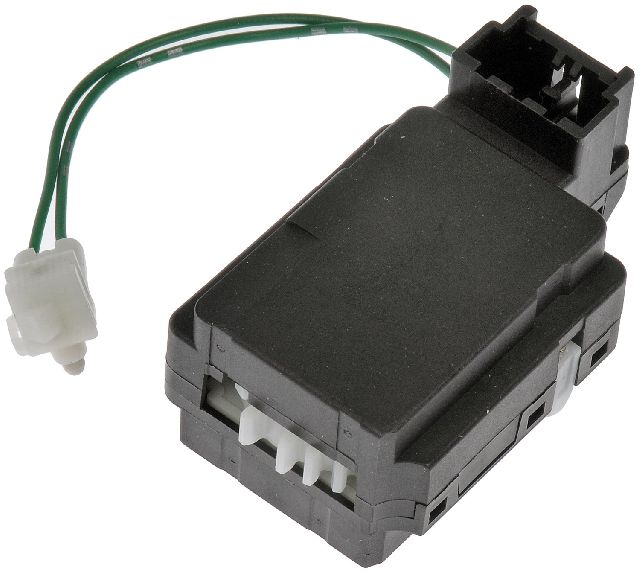
New Aftermarket Parts Available


The information in this article is provided for general reference and educational purposes only. Vehicle specifications, procedures, and part compatibility can vary by production date, trim level, and region. Always consult your vehicle's factory service manual and verify part numbers before purchasing or performing repairs. Safety-critical components such as airbags, seat belts, and braking systems should be installed by a qualified professional.
- Gmc SAVANA:
- 🎬 Helpful Videos
- 🛍️ Shop This Part
- What's Unique About the 2012-2016 Gmc SAVANA
- Diagnostic Flowchart
- Symptoms You May Notice
- Most Likely Causes
- Rare But Worth Checking
- Diagnosis Steps
- Parts You'll Likely Need
- Related Codes That Often Appear With This One
- Technical Service Bulletins (TSBs) & Recalls
- Platform-Specific Known Issues
- Hidden / Shadow Codes Worth Checking
- Scan Tool Commands That Help
- Wiring & Ground Locations
- Real Owner Repair Stories
- OEM Part Supersession History
- Model Year Variations Within This Range
- 🎟️ Get 5% Off