

B3060 on 2015-2022 GMC Canyon: Uncoded Key & No-Start Fixes
Code B3060 on a 2015-2022 GMC Canyon means the vehicle's security system detected an unprogrammed key, causing a no-start or start-and-stall condition. The fix often involves trying a spare key, performing a 30-minute key relearn procedure, or replacing a faulty key. Professional diagnosis may be needed if the issue is with the immobilizer module or wiring.
- B3060 means your Canyon's security system doesn't recognize the key, and it will not allow the engine to run.
- Before attempting costly repairs, try the simple fixes: use a spare key and remove any other electronic fobs from your keychain to rule out interference.
- The 10-minute key relearn procedure is a valid DIY step that can resolve programming glitches without a trip to the shop.
- Do not mistake this security issue for a bad starter or battery. The presence of the security light is the key indicator.
- If a new key or a relearn doesn't work, professional service is likely required to diagnose the immobilizer antenna or Body Control Module.
What's Unique About the 2015-2022 Gmc CANYON
The second-generation GMC Canyon (2015-2022) and its sibling, the Chevy Colorado, utilize GM's modern Pass-Key III+ transponder-based immobilizer system. Unlike older Passlock systems that used resistors in the ignition switch, this system relies on a radio-frequency (RF) chip in the key that is energized by an exciter coil (antenna ring) around the ignition cylinder. As noted in GM technical service bulletin PIC5650M, these systems can be sensitive to RF interference from other devices on the keychain or even aftermarket electronics inside the cabin (like LED lights or USB chargers), which can cause intermittent no-start conditions and set codes like B3060.
Diagnostic Flowchart
Tap your situation to follow the diagnostic path that matches what you're seeing on this vehicle.
Symptoms You May Notice
- Engine will not crank or start.
- Engine starts and then immediately stalls.
- Security indicator light on the instrument cluster is illuminated or flashing.
- A "No Remote/Fob Detected" message may appear on the driver information center (for vehicles with keyless access).
- A single click sound from the engine bay when turning the key, but the starter does not engage.
- Replacing the battery without checking for security codes first. While a very low battery can cause various electrical issues, it's not the primary cause for a specific code like B3060, but can be a contributing factor.
- Replacing the starter motor. A no-crank condition caused by the security system is often mistaken for a bad starter, but the immobilizer is electronically preventing the starter from engaging.
Most Likely Causes
- Using a New or Unprogrammed Key 🔴 High Probability This is the direct trigger for the code by design. It commonly occurs after getting a new key cut that has not been electronically programmed to the vehicle.
How to confirm: Try starting the vehicle with a different, known-good key. If the vehicle starts, the unprogrammed key is the issue.
Typical fix: The new key must be programmed to the vehicle using the 30-minute key relearn procedure or a scan tool.
Est. part cost: $0-$50 for DIY relearn; $100-$250 for locksmith or dealer programming. - Faulty Ignition Key Transponder 🟡 Medium Probability The electronic chip inside the key head can be damaged from being dropped, exposure to moisture, or internal failure. This is a common point of failure for many vehicles with a transponder key system.
How to confirm: If a spare key works perfectly and the problematic key fails consistently even after a relearn attempt, the key itself is faulty.
Typical fix: Replace the faulty key and program the new one to the vehicle.
Est. part cost: $70-$250 for a new key and programming. - Radio Frequency Interference (RFI) 🟡 Medium Probability As detailed in GM TSB PIC5650M, the 125 kHz frequency of the immobilizer system is susceptible to interference. Sources include other RFID devices on the keychain (office key cards, gas station fobs), aftermarket LED lighting, and even certain USB phone chargers plugged into the vehicle's outlets.
How to confirm: Remove all other keys and electronic devices from the ignition key ring. Unplug any aftermarket chargers or accessories. Try to start the vehicle with the ignition key alone. If it starts, RFI was the cause.
Typical fix: Keep other RFID-enabled cards and fobs separate from the ignition key when starting the vehicle. Remove or replace low-quality aftermarket electronic accessories.
Est. part cost: $0 - Faulty Immobilizer Antenna/Exciter Ring ⚪ Low Probability The antenna ring around the ignition lock cylinder energizes the key's transponder. A break in its wiring or an internal failure can prevent it from reading the key, often setting code B3055 along with B3060. Forum users report this part failing and causing an intermittent no-start.
How to confirm: This requires checking the wiring and connector at the ignition cylinder. A scan tool can monitor data from the Theft Deterrent Module to see if any key signal is being received. Often diagnosed when multiple known-good keys fail to start the vehicle.
Typical fix: Replace the immobilizer antenna ring (exciter coil) and perform a key relearn.
Est. part cost: $40-$100 for the part.
Rare But Worth Checking
- Failing Body Control Module (BCM): While rare, the BCM is the central component of this system. If all keys, wiring, and the antenna ring are confirmed to be good, the BCM itself may be the source of the problem. This is an expensive last resort that requires programming to the vehicle's VIN.
- Low Battery Voltage: A weak or failing vehicle battery can cause a multitude of seemingly unrelated electronic issues. If the BCM does not receive stable voltage, it can fail to properly read the key transponder or communicate with other modules, potentially logging a B3060 code as a symptom of the larger power issue. This is often seen with other low-voltage codes.
Diagnosis Steps
- Scan all vehicle modules for DTCs. Note B3060 and any other related codes like B3055 or B3935.
- Observe the security light on the dashboard. A solid or flashing light confirms an active anti-theft issue.
- Rule out RFI: Remove all other keys, fobs, and RFID cards from the keychain. Unplug any phone chargers or aftermarket electronics. Try starting with the ignition key alone.
- Attempt to start the vehicle with a known-good spare key. If it starts, the primary key is the issue (faulty or unprogrammed).
- If only one key is available or a new key needs programming, attempt the 30-Minute Relearn Procedure: 1) Turn the key to 'ON' (run position). 2) Wait for the security light to turn off (approx. 10-11 minutes). 3) Turn the key 'OFF' for 5-10 seconds. 4) Repeat steps 1-3 two more times for a total of three 10-minute cycles. 5) After the third cycle, turn the key off, then try to start the engine. The key should now be learned.
- If the relearn fails with multiple keys, inspect the wiring and connector at the ignition lock cylinder for the immobilizer antenna ring. Check for damage or loose connections.
- If all else fails, the issue likely lies with a faulty immobilizer antenna, a faulty key that needs replacement, or a more complex BCM/wiring problem requiring professional diagnosis with a high-end scan tool.
Parts You'll Likely Need
- Ignition Key with Transponder
(OEM #22984996 (Flip Key Blank))— The most common cause is a faulty or unprogrammed key. The chip inside can fail or require programming.
Trusted brands: ACDelco, Strattec
OEM price range: $100-$180
Aftermarket price range: $40-$90 - Immobilizer Antenna Ring
(OEM #23474343 (ACDelco D14A1A))— This part, also called an exciter coil or Theft Deterrent System Exciter, reads the key's transponder chip. If it fails, no key will be recognized. It's often replaced when code B3055 is also present.
Trusted brands: ACDelco, GM Genuine Parts
OEM price range: $60-$100
Aftermarket price range: $40-$70
Related Codes That Often Appear With This One
- B3055 — This code means 'No Transponder Modulation or No Transponder,' often indicating a problem with the immobilizer antenna (exciter ring) or a completely dead key transponder. It points to a failure in reading *any* key, whereas B3060 means a key was read but not recognized. They frequently appear together in forum reports.
- B3935 — This is another transponder-related code that can appear alongside B3055 and B3060 during intermittent no-start events, as documented in TSB PIC5650M.
Technical Service Bulletins (TSBs) & Recalls
- PIC5650M: A Preliminary Information Communication from GM that addresses intermittent no-crank, no-start, or start-stall concerns with the security light on. It lists potential DTCs B3060, B3055, and B3935 and focuses heavily on diagnosing RFI from aftermarket accessories as a primary cause before part replacement.
Platform-Specific Known Issues
- TSB #PIC5650M notes that these vehicles can experience intermittent no-crank, no-start, or start-and-stall conditions with the security light on, which may set DTCs B3060, B3055, and/or B3935. The bulletin strongly advises checking for Radio Frequency Interference (RFI) from aftermarket devices like LED lights, phone chargers, and other fobs on the keychain before replacing any parts.
Hidden / Shadow Codes Worth Checking
- B3060 00: The '00' is a symptom byte in GM's diagnostic system. For B3060, it specifies 'Unprogrammed Transponder Identification Code Received Malfunction' without additional sub-type information, meaning the base code description is the complete fault. (see via A professional scan tool like GM GDS2 or a high-end aftermarket scanner capable of reading manufacturer-specific codes and symptom bytes.)
Scan Tool Commands That Help
- GDS2 (GM Global Diagnostic System 2): Immobilizer Learn — This function is used to program new or additional keys to the vehicle. It's a required step after replacing a key, the BCM, or the Theft Deterrent Module.
- GDS2 (GM Global Diagnostic System 2): BCM Data Display > Key Part Number / Valid Key — While diagnosing, a technician can use this to see if the BCM is recognizing the key being used as valid ('Yes'/'No') or to see the part number it is reading from the key's transponder. This helps differentiate a bad key from a bad antenna or BCM.
- GDS2 (GM Global Diagnostic System 2): Module Diagnostics > Body Control Module > Control Functions — This menu allows access to various subsystems controlled by the BCM. For the immobilizer, it's the gateway to performing learn procedures and viewing security data.
Wiring & Ground Locations
- Body Control Module (BCM) — Located on the passenger side, behind the kick panel and a lower dash panel. The panel is typically held in with 7mm screws.. The BCM is the central module for the immobilizer system on this platform. It receives the key data from the antenna, validates it, and sends the 'start enable' or 'start disable' command to the ECM. A poor connection or internal BCM fault can cause B3060.
- SP-105 / SP-106 (Ground Splice Packs) — These are ground splice packs located under the hood. SP-105 is on the driver's side near the battery, and SP-106 is on the passenger side behind the engine airbox.. While related to the first-generation Colorado/Canyon, poor grounds are a common GM issue. The BCM and other critical modules rely on clean grounds. A corroded or loose ground at these splice packs can cause intermittent voltage drops and communication errors, potentially leading to spurious security codes like B3060.
- X304 — A connector related to the HVAC Control Module, as shown in wiring diagrams for the 2016 model year.. While not directly the immobilizer connector, identifying major connectors like X304 is part of tracing wiring harnesses. The immobilizer antenna wiring runs from the ignition cylinder to the BCM, and any damage to the harness in this area could cause issues.
Model Year Variations Within This Range
- 2021-2022: For the 2021 model year refresh, GM adjusted the trim lineup for the Canyon. The SLE and SLT trims were discontinued, with the 'Elevation' name being used more broadly across the lineup. The base model was also eliminated, leading to a higher starting price. While the core immobilizer system function remained the same, these packaging changes affect how used parts or module swaps are approached.
Helpful Videos
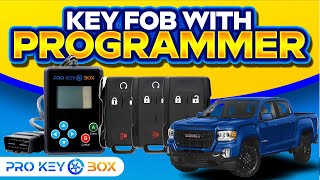
Used OEM Parts in Stock
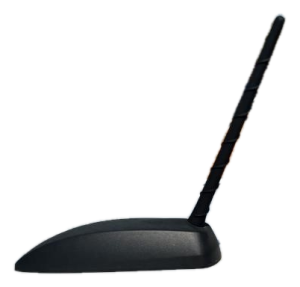



New Aftermarket Parts Available


The information in this article is provided for general reference and educational purposes only. Vehicle specifications, procedures, and part compatibility can vary by production date, trim level, and region. Always consult your vehicle's factory service manual and verify part numbers before purchasing or performing repairs. Safety-critical components such as airbags, seat belts, and braking systems should be installed by a qualified professional.
- Gmc CANYON:
- 🎬 Helpful Videos
- 🛍️ Shop This Part
- What's Unique About the 2015-2022 Gmc CANYON
- Diagnostic Flowchart
- Symptoms You May Notice
- Most Likely Causes
- Rare But Worth Checking
- Diagnosis Steps
- Parts You'll Likely Need
- Related Codes That Often Appear With This One
- Technical Service Bulletins (TSBs) & Recalls
- Platform-Specific Known Issues
- Hidden / Shadow Codes Worth Checking
- Scan Tool Commands That Help
- Wiring & Ground Locations
- Model Year Variations Within This Range
- 🎟️ Get 5% Off