

B3060 on 2011-2018 Chevrolet Volt: Security System Fault, Causes and Fixes
Code B3060 on a Chevy Volt means the car's anti-theft system doesn't recognize the key. This results in a no-start or intermittent start condition with the security light on. The most common causes are a faulty key fob, interference from other electronic devices on the keychain, or an issue with the immobilizer system itself.
- B3060 means your Volt doesn't recognize the key, preventing it from starting.
- Before panicking, try your spare key and remove all other items from your keychain to rule out simple causes like a bad key or RF interference.
- Use the key slot in the center console as a backup way to start the car.
- Fixing this code almost always requires professional key programming, even if you buy the parts yourself.
- This is a common issue across many GM vehicles, not just the Volt.
What's Unique About the 2011-2018 Chevrolet VOLT
The Chevrolet Volt, being a sophisticated plug-in hybrid, has complex electronic systems. A security-related fault like B3060 can be particularly frustrating as it completely immobilizes the vehicle. The issue is common enough across many GM vehicles that a Technical Service Bulletin (TSB), PIC5650M, was issued which includes the Volt. This TSB highlights that intermittent no-start conditions with this code can often be caused by radio frequency (RF) interference from other devices on the owner's keychain, such as other car fobs, building access cards, or even aftermarket USB chargers and LED lights. Unlike cars with a traditional ignition cylinder, the Volt has a key slot in the center console storage area for starting when the fob battery is dead or for programming, which is a key part of the diagnostic process.
Diagnostic Flowchart
Tap your situation to follow the diagnostic path that matches what you're seeing on this vehicle.
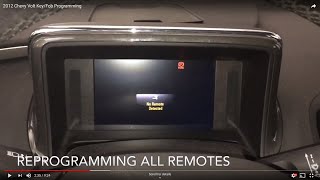
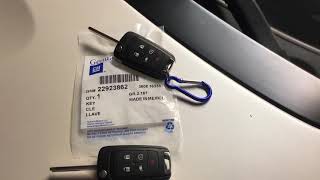
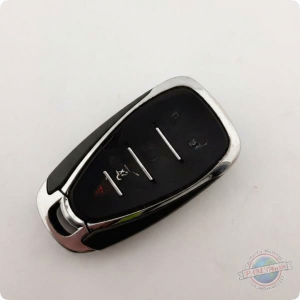
Generation note: The 2011-2018 range covers both the first generation (2011-2015) and the second generation (2016-2019) of the Chevrolet Volt. The immobilizer system principles are similar, and both generations are included in TSBs related to this issue. However, specific part numbers for keys and modules differ between generations. For example, Gen 1 uses a 5-button flip key (e.g., P/N 22923862), while Gen 2 uses a 4-button smart key 🎬 Watch: How to program a new key fob for your Volt (e.g., P/N 13529664).
Symptoms You May Notice
- Vehicle will not crank or start.
- Engine starts and immediately stalls.
- Security indicator light is on or flashing on the dashboard.
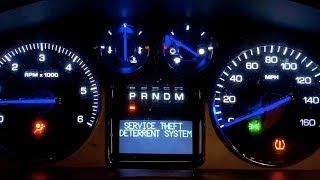
- "No Fob Detected" or "Service Theft Deterrent System" me 🎬 See this guide on troubleshooting the Service Theft Deterrent Systemssage on the driver information center (DIC).
- Remote Keyless Entry (RKE) functions (lock/unlock) may not work.
- Vehicle may start only when the key fob is placed in the transmitter slot in the center console.
- Replacing the 12V battery. While a low 12V battery can cause many strange electronic issues in a Volt, it's not the direct cause of a B3060 code, which is specific to key recognition. However, voltage fluctuations during a failed start attempt can sometimes trigger other unrelated codes.
- Replacing the starter motor. A no-crank condition might lead one to suspect the starter, but the presence of the B3060 code and the security light points directly to the anti-theft system being the reason the starter is not being engaged.
Most Likely Causes
- Unprogrammed or Faulty Key 🔴 High Probability Keys can be damaged, their internal batteries can die (CR2032), or a new key may have been cut but not electronically programmed to the car. The internal transponder chip can fail, rendering the key useless for starting the car even if the buttons work.
How to confirm: Try starting the vehicle with a known-good spare key. If the spare key works, the original key is the problem. If the fob battery is suspect, try placing the fob in the transmitter slot in the center console to start the car; this works even with a dead battery and confirms the transponder chip itself is likely okay.
Typical fix: Replace the faulty key and have the new key professionally programmed to the vehicle. Sometimes just replacing the CR2032 battery can resolve the issue if the voltage was low but the key hadn't fully lost its programming.
Est. part cost: $150-$400 for a new key and programming. - Radio Frequency (RF) Interference 🟡 Medium Probability As noted in GM TSB PIC5650M, other electronic devices on a keychain (like other car fobs, office access cards, toll passes, or RFID tags) can interfere with the 125 kHz signal used by the immobilizer system. The TSB also lists aftermarket LED lights and USB phone chargers as potential sources of RFI that can 'jam' the signal.
How to confirm: Remove all other keys and electronic devices from the keychain, leaving only the single Volt key. Unplug any aftermarket chargers or accessories. Attempt to start the vehicle. If it starts, RFI was the cause.
Typical fix: Keep the vehicle key separate from other RF-emitting devices to prevent future interference. Remove low-quality aftermarket electronic accessories.
Est. part cost: $0 - Faulty Theft Deterrent Module (TDM) or Antenna ⚪ Low Probability The exciter ring antenna (part of the TDM assembly in the Volt) or the TDM itself can fail over time, preventing it from reading the key's transponder chip. The TDM for the Gen 2 Volt is located in the center console.
How to confirm: This requires a professional scan tool (GM GDS2) to check for communication with the K61 TDM and monitor its data stream to see if it's receiving a valid signal from the key.
Typical fix: Replacement of the TDM, followed by a key relearn procedure using a diagnostic tool. The Gen 2 Volt TDM part number is 13523277, which is superseded by 13540633.
Est. part cost: $200-$600
Rare But Worth Checking
- Body Control Module (BCM) Failure: While less common, the BCM is the central computer for this system. A failure here can cause a variety of issues, including B3060. This is typically a last resort after all other causes have been ruled out, as it is an expensive component to replace and program.
- Wiring Harness Damage: Damage to the wiring between the immobilizer antenna, the TDM, and the BCM can cause a loss of communication and trigger this code. This is rare but possible, especially if other work has been done under the dash or in the center console area.
Diagnosis Steps
- Verify the complaint: Confirm the no-start condition and check if the security light is illuminated or flashing.
- Scan for DTCs: Use an OBD-II scanner capable of reading Body codes to confirm B3060 is present, and check for other related codes like B3055 or B3935.
- Test with Spare Key: Attempt to start the vehicle with all available keys. If one key works and another doesn't, the non-working key is the issue.
- Isolate the Key: Remove all other fobs, access cards, and electronic devices from the keychain and try again to rule out RF interference. Unplug any aftermarket USB chargers or LED lights.
- Test the Fob Pocket: Place the non-working key fob into the transmitter slot located inside the center console storage area and attempt to start the vehicle. If it starts, this confirms the transponder chip is likely good and the issue may be a weak fob battery or RFI.
- Attempt Key Relearn Procedure (All Keys Lost): This is a 30-minute procedure for programming keys when no working key is available. It involves turning the physical key in the driver's door lock 5 times, then pressing the power button and waiting 10 minutes, repeated three times. This procedure erases all existing keys and should be done with caution. 🎬 Watch: How to perform a manual anti-theft system reset It is not available in Canada.
- Professional Diagnosis: If the above steps fail, the vehicle needs to be diagnosed by a professional with a GM-specific scan tool (GDS2). They can monitor the immobilizer system data, test the TDM and antenna, and determine if the TDM or BCM is at fault before replacing expensive parts.
Parts You'll Likely Need
- Transponder Key Fob
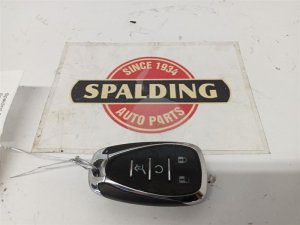
(OEM #Gen 1 (2011-15): 22923862, 22755321 (FCC ID: OHT05918179). Gen 2 (2016-18): 13529664, 13585728 (FCC ID: HYQ4EA or HYQ4AA).)— This is the most common failure point. The internal chip can fail or the key can be damaged, preventing the car from recognizing it. Note that for Gen 2, there are two different fobs with different frequencies; check the FCC ID on your existing fob.
Trusted brands: ACDelco, Strattec
OEM price range: $150-$300
Aftermarket price range: $70-$150 - Theft Deterrent Module (TDM) / Immobilizer Module
(OEM #Gen 2 (2016-2019): 13523277, superseded by 13540633.)— If the module that reads the key and communicates with the BCM fails, no key will be recognized. This is a less common but necessary replacement if diagnosed. It is located in the center console area.
Trusted brands: ACDelco
OEM price range: $200-$400
Aftermarket price range: $150-$300
Related Codes That Often Appear With This One
- B3055 — This code often relates to a problem with the key transponder itself (No Transponder Key Identification Received). It frequently appears with B3060 as part of the same security system fault, as documented in TSB PIC5650M.
- B3935 — Another code related to the transponder system (Transponder Authentication Failed), often indicating an incorrect identifier has been received, which is closely related to the B3060 fault. Also mentioned in TSB PIC5650M.
Technical Service Bulletins (TSBs) & Recalls
- PIC5650M: (Multiple revisions, e.g., B, C, M) Addresses intermittent no crank/no start with security light on and DTCs B3055, B3060, B3935. Crucially, it details numerous sources of Radio Frequency Interference (RFI) as a primary cause, from other keys to aftermarket electronics.
- PIE0232: An earlier engineering information bulletin for other GM models with the same codes and symptoms, seeking to find the root cause of the no-start condition, which helped inform later TSBs.
Platform-Specific Known Issues
- The NHTSA references TSB #PIC5650M, which directly addresses an intermittent no crank, no start, or start/stall concern with the security
Hidden / Shadow Codes Worth Checking
- B3060 00: Unprogrammed Transponder Identification Code Received. The '00' is a symptom byte that indicates no additional failure information, meaning the primary fault is simply that the key's ID is not in the module's memory. This is the most common variant. (see via GM GDS2 or other professional scan tools that can read manufacturer-specific symptom bytes.)
Scan Tool Commands That Help
- GDS2: Module Diagnostics > K61 Theft Deterrent Module > Data Display > TDM Valid Key — Use this function to verify if the TDM recognizes any of the vehicle's keys as valid. The parameter should display 'Yes' when a programmed key is used. If it reads 'No' for all keys, it points towards a module, antenna, or widespread key data corruption issue rather than a single faulty key.
- GDS2: Module Diagnostics > K61 Theft Deterrent Module > Configuration/Reset Functions > Immobilizer Learn — This function is required after replacing the Theft Deterrent Module (TDM), Body Control Module (BCM), or when adding new keys. It initiates the vehicle's key relearn procedure, which programs the modules to accept the new components or keys.
Wiring & Ground Locations
- Immobilizer Control Module — For the 2011 (Gen 1) Volt, the Immobilizer Control Module is located behind the center of the dash.. This is the central processing unit for the anti-theft system. Physical access may be needed to check its connector and wiring for damage or corrosion if communication codes are also present.
- Immobilizer Antenna — For the 2011 (Gen 1) Volt, the antenna is located behind the center of the dash, near the immobilizer module.. This antenna energizes the key's transponder and reads its signal. A loose connection or damaged wiring to this component will cause a B3055 or B3060 code.
- G202 — For the 2011 (Gen 1) Volt, this ground point is located behind the right side of the dash.. This is a key ground connection for the Body Control Module (BCM), which works with the immobilizer system. A poor ground at G202 can cause a wide range of electrical issues, including intermittent anti-theft problems.
- K61 Theft Deterrent Module (TDM) — For the Gen 2 (2016-2018) Volt, the TDM is located in the center console.. This is the location for the main anti-theft module in the second generation. Knowing its location is critical for replacement or for checking the integrity of its wiring harness connections.
Real Owner Repair Stories
- VXdiagshop.com user story (Chevrolet Volt (year not specified, but likely Gen 1 based on context)) — Vehicle would not start, multiple codes stored after a water intrusion event.
❌ Tried (didn't work) Clearing codes initially worked but the problem was expected to return without a physical fix.
✅ What actually fixed it The owner found nicked insulation on 5 wires and broken retaining posts on the X1 ECM socket. The final fix was replacing the ECM, re-wiring the damaged connectors, and patching the nicked wires. The new ECM then had to be programmed, and the immobilizer and body modules were reprogrammed using a VXDiag VCX Nano and a GM SPS subscription.
OEM Part Supersession History
13523277→13540633— Standard part revision by the manufacturer.
Heads up: The new part number 13540633 also replaces 13507599. When replacing this module, it will require programming to the vehicle using a tool like the GM GDS2 and an SPS subscription.
Model Year Variations Within This Range
- 2011-2015 (Gen 1): The Gen 1 Volt uses a 4-seat configuration and the immobilizer system components (module and antenna) are located behind the center of the dashboard. It also has a different center stack design with touch-sensitive buttons, which is unrelated to the B3060 code but a key model identifier.
- 2016-2018 (Gen 2): The Gen 2 Volt features a 5-seat configuration (though the middle rear seat is very small), a larger battery for more electric range (approx. 53 miles vs 38), and requires regular gasoline instead of premium. The Theft Deterrent Module (TDM) was relocated to the center console. The infotainment system was updated to support CarPlay/Android Auto.
Helpful Videos



We Have This Part in Stock



The information in this article is provided for general reference and educational purposes only. Vehicle specifications, procedures, and part compatibility can vary by production date, trim level, and region. Always consult your vehicle's factory service manual and verify part numbers before purchasing or performing repairs. Safety-critical components such as airbags, seat belts, and braking systems should be installed by a qualified professional.
- Chevrolet VOLT:
- 🎬 Helpful Videos
- 🛍️ Shop This Part
- What's Unique About the 2011-2018 Chevrolet VOLT
- Diagnostic Flowchart
- Symptoms You May Notice
- Most Likely Causes
- Rare But Worth Checking
- Diagnosis Steps
- Parts You'll Likely Need
- Related Codes That Often Appear With This One
- Technical Service Bulletins (TSBs) & Recalls
- Platform-Specific Known Issues
- Hidden / Shadow Codes Worth Checking
- Scan Tool Commands That Help
- Wiring & Ground Locations
- Real Owner Repair Stories
- OEM Part Supersession History
- Model Year Variations Within This Range
- 🎟️ Get 5% Off