

B3060 on 2013-2020 Chevrolet Trax: Unprogrammed Key and No-Start Fixes
Code B3060 on a Chevy Trax means the car's security system doesn't recognize the key, causing a no-start and a flashing security light. The most common causes are a faulty or damaged key, a dead key fob battery, or a problem with the ignition lock cylinder's reader coil. Trying a spare key is the first step. If that fails, a professional key reprogramming or component replacement is often needed. This issue is also common on its platform mates, the Buick Encore and Chevrolet Sonic.
- B3060 means your Trax doesn't recognize your key, triggering the anti-theft system and preventing the engine from starting.
- Always try your spare key first. This is the fastest way to determine if the problem is the key itself.
- Check for simple things like a dead key fob battery or other electronic fobs on your keychain causing interference.
- Fixing this code almost always requires key programming, which needs special tools. A DIY fix is unlikely unless it's just a dead fob battery or RF interference.
- Do not replace the starter or main battery until the immobilizer issue has been properly diagnosed.
What's Unique About the 2013-2020 Chevrolet TRAX
The first-generation Chevrolet Trax, and its GM Gamma II platform mates like the Buick Encore and Chevrolet Sonic, use a Pass-Key III+ (PK3+) immobilizer system. 🎬 Watch: How the Chevrolet immobilizer system works. This system is generally reliable but can be sensitive to key damage, low vehicle battery voltage, and especially radio frequency (RF) interference. The provided TSB (PIC5650M) confirms that intermittent no-start conditions linked to this system are a known issue across many GM models of this era, often accompanied by codes like B3055 (indicating a problem reading the key) and B3060.
Diagnostic Flowchart
Tap your situation to follow the diagnostic path that matches what you're seeing on this vehicle.
Symptoms You May Notice
- Engine will not crank or start.
- Engine starts briefly and then immediately stalls.
- Security indicator light (a car with a lock symbol) is on solid or flashing on the dashboard.
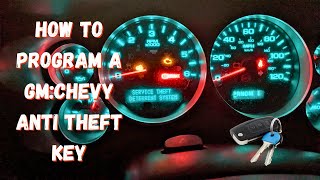
- A 'Service Theft Deterrent System' message may appear on the driver information center.
- Clicking sounds when trying to start, but the starter does not engage.
- Replacing the starter motor, as the symptom is a 'no crank'. The immobilizer prevents the BCM from sending the signal to engage the starter relay.
- Replacing the vehicle's main battery without confirming it's the cause. While a low battery can cause this issue, B3060 specifically points to a key recognition problem that won't be solved by a new battery if the key or reader coil is the root cause.
Most Likely Causes
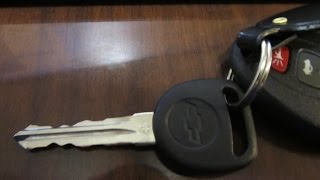
- Faulty or Damaged Ignition Key 🔴 High Probability The transponder chip inside the key head is passive (no battery) but can be damaged if the key is dropped, gets wet, or the casing breaks. The chip can also simply fail electronically over time.
How to confirm: Try starting the vehicle with a known-good spare key. If the spare key works consistently, the original key is faulty. This is the most definitive and simple test.
Typical fix: Replace the faulty key. A new key must be cut to match the ignition and then programmed to the vehicle by a dealership or automotive locksmith.
Est. part cost: $50-$150 - Radio Frequency (RF) Interference 🟡 Medium Probability The Pass-Key III+ system operates at 125 kHz. Other electronic devices on the keychain, such as other car keys, gate fobs, office access cards, or even some gas station payment tags, can operate on a similar frequency and interfere with the signal from the key's transponder. TSB PIC5650B specifically calls this out as a common cause of intermittent no-starts that dealers may struggle to replicate.
How to confirm: Remove all other fobs and devices from the keychain so only the single Trax key is present. Attempt to start the vehicle. If it starts, RF interference was the cause.
Typical fix: Keep other RF-emitting devices separate from the ignition key when starting the car. Instructing the customer to do this is a specific step in GM's diagnostic procedure.
Est. part cost: $0 - Faulty Immobilizer Exciter Coil (Reader Coil) 🟡 Medium Probability The coil is part of the ignition lock cylinder assembly. Over time, the fine wiring can fail or develop a break, preventing it from energizing the key's transponder chip. This will cause all programmed keys to fail.
How to confirm: This requires testing the circuit for continuity and proper resistance with a multimeter, as outlined in the factory service manual. A simple go/no-go test can be done with a cheap LED immobilizer coil tester; if it lights up when the key is turned, the coil is likely working.
Typical fix: Replace the ignition lock cylinder which contains the exciter coil. The new component will require a key relearn procedure to be performed.
Est. part cost: $100-$250 - Dead or Weak Key Fob Battery ⚪ Low Probability While the transponder chip itself is passive and doesn't use the fob battery, a very weak fob battery can sometimes cause general electronic communication issues with the vehicle's security system, especially on push-to-start models. It's an inexpensive and easy item to rule out.
How to confirm: Replace the battery in the key fob (typically a CR2032 coin cell). This is a simple and inexpensive troubleshooting step.
Typical fix: Replace the key fob battery.
Est. part cost: $2-$10
Rare But Worth Checking
- Faulty Body Control Module (BCM): While less common, the BCM is the brain of the security system. Internal failure, software corruption, or even a bad ground connection to the BCM can cause it to lose memory of programmed keys or fail to communicate. This is often a last resort after all other components have been checked.
- Wiring Harness Damage: Damage to the wiring between the ignition lock cylinder and the BCM can cause an intermittent or total loss of communication. This can be caused by previous dash work, chafing over time, or damage from a theft attempt.
- Low Vehicle Battery Voltage: The Pass-Key system is sensitive to voltage. If the main vehicle battery is below approximately 12.0 volts, the security modules may not function correctly, and the key relearn procedure will fail. This can lead to a B3060 code even if the key and reader are good.
Diagnosis Steps
- Scan for all DTCs in the Body Control Module (BCM) and Theft Deterrent Module (TDM). Note any other codes present, especially B3055 or B3935.
- Remove all other keys and electronic fobs from the keychain to eliminate radio frequency interference, as recommended by GM TSB PIC5650.
- Attempt to start the vehicle with a known-good spare key. If it starts, the primary key is the issue.
- If neither key works, try replacing the battery in the key fob as a low-cost elimination step.
- Check the main vehicle battery voltage. Ensure it is above 12.0 volts. A low battery can cause the relearn procedure to fail.
- Attempt the '30-Minute Relearn Procedure'. Turn the key to 'ON' (not 'START') and wait for the security light to turn off (approx. 10 minutes). Turn the key off for 5 seconds. Repeat this process two more times for a total of three 10-minute cycles. After the third cycle, turn the key off, then attempt to start the engine.
- If the relearn fails (security light never turns off after 10 mins), inspect the wiring and connector at the ignition lock cylinder for any visible damage or looseness.
- If wiring is okay, the next logical step is to test the immobilizer exciter coil. A simple method is to use an LED immobilizer coil tester tool held near the ignition switch while turning the key; if the LED flashes, the coil is being energized.
- If all other components test good, the issue may lie within the Body Control Module (BCM) itself, which requires professional diagnosis with a capable scan tool.
Parts You'll Likely Need
- Ignition Key (Flip Key)
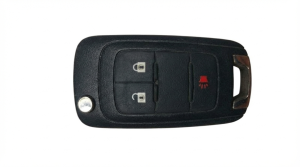
(OEM #ACDelco 23485122 (example, verify by VIN))— The transponder chip in the original key is the most common point of failure, either through damage or malfunction.
Trusted brands: ACDelco, Strattec
OEM price range: $70-$150
Aftermarket price range: $40-$90 - Ignition Lock Cylinder with Immobilizer Coil
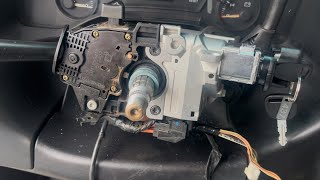
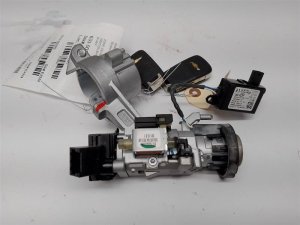
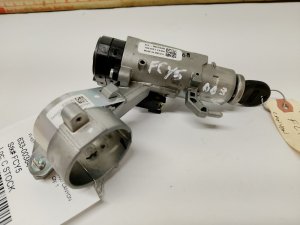
(OEM #ACDelco D14A1G (or GM 20766607, verify by VIN))— If both keys fail to work, the reader coil that energizes the key chip is the next most likely failure point. It is typically integrated with the lock cylinder.
Trusted brands: ACDelco, Standard Motor Products (SMP), Locksmart
OEM price range: $150-$250
Aftermarket price range: $50-$160
Related Codes That Often Appear With This One
- B3055 — This code means 'No Transponder Modulation or No Transponder'. It often appears with B3060 and indicates the security module received no signal from the key at all, often due to a bad key, a completely failed reader coil, or severe RF interference.
- B3935 — This code is 'Transponder Authentication Failed'. It can set alongside B3060 when there's a communication breakdown during the key's 'challenge-response' security check with the car, even if the key was initially detected.
Technical Service Bulletins (TSBs) & Recalls
- Bulletin #PIC5650M: Mentions intermittent no crank/no start or stall concerns with the security light on, and lists DTC B3060 as one of the potential codes. It strongly suggests checking for Radio Frequency (RF) interference from other devices on the keychain.
Platform-Specific Known Issues
- As noted in TSB #PIC5650M, the 2013-2020 Trax can experience intermittent no-crank or stall conditions with the security light on, specifically flagging codes like B3060. This indicates a known pattern of immobilizer system faults on this platform.
- Owners on forums for the Trax and its platform-mate, the Buick Encore, frequently report this exact issue: a sudden no-start with a security message, often resolved by a new key or ignition cylinder.
Mechanic-Grade Diagnostic Values
- Immobilizer Exciter Coil Function Test — expected: An LED on a simple induction tester tool will flash when held near the ignition cylinder and the key is turned to ON.. Failure: The LED does not flash, indicating the coil is not being energized by the BCM/TDM or the coil itself has failed.
- Scan Tool Live Data: 'Valid Key' Parameter — expected: The parameter should read 'Yes' when a known-good, programmed key is in the ignition and turned to ON.. Failure: The parameter reads 'No' or does not change, confirming the module is not validating the key's transponder code.
Hidden / Shadow Codes Worth Checking
- B3060 00: The '00' is a 2-digit symptom byte or 'failure type'. For this DTC, '00' is defined as 'No Sub Type Information', which means the base DTC text string provides the complete description of the failure. No further detail is provided by the sub-code. (see via A professional scan tool like the GM GDS2 will display the code with its symptom byte.)
Scan Tool Commands That Help
- GDS2 (Global Diagnostic System 2): Immobilizer Learn — This function is required after replacing a key, the Body Control Module (BCM), or the Theft Deterrent Module (TDM). It guides the technician through the process of programming new keys to the vehicle's immobilizer memory. This is typically found under the BCM or TDM module functions.
- GDS2 (Global Diagnostic System 2): Diagnostic Data Display > Immobilizer Data — Use this to view live data parameters related to the theft deterrent system. Key parameters to monitor include 'TDM Valid Key', 'Number of Programmed Keys', and the status of the key-in-ignition switch to confirm the system is seeing the key and attempting to read it.
Wiring & Ground Locations
- Body Control Module (BCM) — Located under the driver's side of the dashboard, accessible after removing the lower knee bolster panel. It is identifiable by its multiple (often 7) different-colored connectors.. The BCM is the central module that manages the Pass-Key III+ immobilizer system. All communication from the key's transponder, via the exciter coil, is processed here. A poor connection or a bad ground at the BCM can cause this code.
OEM Part Supersession History
20766607→20766607 (current)— This is the part number for a kit that includes the ignition lock cylinder, door lock cylinder, and keys.
Heads up: CRITICAL: Many parts vendor sites list this part as fitting a wide range of years (e.g., 2010-2022). However, official GM parts descriptions often specify this kit is for 'Years 2011-2013 Only'. A 2014 or newer Trax may require a different part, and using this kit could lead to incompatibility. Always verify by VIN.13507599→13523277— Part number update for the Antitheft Module.
Heads up: These modules are specific to vehicle options and software. They must be programmed with GDS2 after installation.
Model Year Variations Within This Range
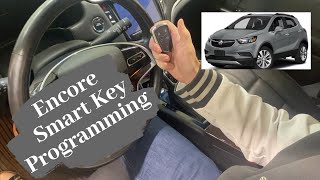
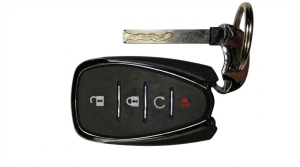
- 2017-2020: The 2017 model year refresh introduced an optional push-button start system ('Keyless Open and Start'). Vehicles with this option do not have a traditional ignition lock cylinder and exciter coil. They use a smart key fob (e.g., P/N 13585722) that communicates with the immobilizer module wirelessly. While a B3060 can still occur, diagnosis would focus on the smart key fob's battery, the vehicle's internal antennas, and the push-button start switch itself rather than the mechanical lock cylinder.
Helpful Videos
We Have This Part in Stock


The information in this article is provided for general reference and educational purposes only. Vehicle specifications, procedures, and part compatibility can vary by production date, trim level, and region. Always consult your vehicle's factory service manual and verify part numbers before purchasing or performing repairs. Safety-critical components such as airbags, seat belts, and braking systems should be installed by a qualified professional.
- Chevrolet TRAX:
- 🎬 Helpful Videos
- 🛍️ Shop This Part
- What's Unique About the 2013-2020 Chevrolet TRAX
- Diagnostic Flowchart
- Symptoms You May Notice
- Most Likely Causes
- Rare But Worth Checking
- Diagnosis Steps
- Parts You'll Likely Need
- Related Codes That Often Appear With This One
- Technical Service Bulletins (TSBs) & Recalls
- Platform-Specific Known Issues
- Mechanic-Grade Diagnostic Values
- Hidden / Shadow Codes Worth Checking
- Scan Tool Commands That Help
- Wiring & Ground Locations
- OEM Part Supersession History
- Model Year Variations Within This Range
- 🎟️ Get 5% Off