

B3060 on 2009-2016 Chevrolet Traverse: Security Fault, No Start Causes and Fixes
B3060 on a Chevy Traverse means the anti-theft system doesn't recognize the ignition key, causing a no-start and a security light. The most common fix is replacing the ignition lock cylinder, which contains the key reader. Expect to pay $270-$316 for a professional repair. In some cases, the issue can be as simple as radio frequency interference from other devices on your keychain.
- B3060 means your Traverse's anti-theft system has locked you out due to an unrecognized key.
- Before attempting costly repairs, try a spare key and remove any other electronic fobs from your keychain to rule out simple causes.
- The most probable cause is a failed ignition lock cylinder, which requires replacement and a key relearn procedure.
- A DIY fix is difficult due to the security programming required; professional service is recommended.
- Do not mistake this for a bad starter or battery without first addressing the security code.
What's Unique About the 2009-2016 Chevrolet TRAVERSE

The first-generation Traverse is built on the GM Lambda platform, which it shares with the Buick Enclave, GMC Acadia, and Saturn Outlook. These vehicles use a Pass-Key III+ (PK3) immobilizer system. This system is known for intermittent issues where the components responsible for reading the key, specifically the exciter coil inside the ignition lock cylinder 🎬 Watch: How the Traverse antitheft system works and fails., wear out or fail over time. This leads to the frustrating no-start condition described in technical service bulletins that span across this family of vehicles.
Diagnostic Flowchart
Tap your situation to follow the diagnostic path that matches what you're seeing on this vehicle.
Symptoms You May Notice
- Engine will not crank or start.
- Engine starts briefly and then immediately stalls.
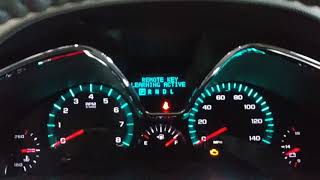
- Security indicator light is on solid or flashing on the dashboard.
- Message on the driver information center like "Service Theft Deterrent System".
- Replacing the battery without checking its voltage first. While a very low battery can cause electronic issues, it's often not the root cause for a specific B3060 code.
- Replacing the starter motor. A no-crank symptom can point to the starter, but with B3060 present, the anti-theft system is the one preventing the starter from engaging.
Most Likely Causes

- Faulty Ignition Lock Cylinder 🔴 High Probability The reader coil (exciter coil) inside the ignition lock cylinder assembly is a known failure point on these vehicles. It's responsible for energizing and reading the key's transponder chip, and when it fails, it cannot verify the key, often leading to companion code B3055.
How to confirm: A mechanic can use a scan tool to monitor the 'TDM Valid Key' parameter in the Theft Deterrent Module. If it reads 'No' despite using a known-good key and there is no RF interference, the lock cylinder's reader is the primary suspect.
Typical fix: Replace the ignition lock cylinder and perform a key relearn procedure.
Est. part cost: $80-$180 - Worn or Damaged Ignition Key 🟡 Medium Probability The transponder chip in the key can be damaged from drops or wear. Less commonly, an aftermarket or poorly cloned key may not have the correct transponder value or may fail intermittently.
How to confirm: The simplest test is to try starting the vehicle with a spare, known-good key. If the vehicle starts and runs with the spare key, the original key is faulty. If all keys fail, the problem is likely not the keys themselves.
Typical fix: Replace the faulty key and have the new key programmed to the vehicle. This can be done via a 30-minute relearn procedure if all keys are lost, or a quicker method if you have one working key.
Est. part cost: $50-$150 - Radio Frequency (RF) Interference ⚪ Low Probability As noted in GM Technical Service Bulletin #PIC5650M, other electronic devices on the keychain can interfere with the 125 kHz signal between the key and the reader. This includes other vehicle keys, keyless fobs, gas station speed passes, or office access cards.
How to confirm: Remove all other keys, fobs, and RFID cards from the keychain. Try starting the vehicle with only the single Traverse key. If it starts, interference was the issue.
Typical fix: Keep other RFID-emitting devices on a separate keychain from the ignition key. Advise the customer of this as per the TSB.
Est. part cost: $0
Rare But Worth Checking
- Wiring Harness Damage: The wires leading from the ignition lock cylinder to the Theft Deterrent Module (TDM) or Body Control Module (BCM) can chafe or break, especially within the steering column. This is more likely on high-mileage vehicles and can cause intermittent symptoms that mimic a failing lock cylinder.
- Faulty Theft Deterrent Module (TDM) or Body Control Module (BCM): While uncommon, the module that controls the security system can fail internally. This is usually diagnosed only after all other possibilities (key, lock cylinder, wiring) have been ruled out. A Reddit user described replacing the TDM on a 2014 Traverse, which then required programming.
- Loose Battery Ground Connection: A user on Reddit reported that a "Service Theft Deterrent System" message on their 2015 Traverse, while not causing a no-start, was ultimately traced to a loose ground connection on the battery. Securing the connection and clearing the code resolved the issue. This highlights the importance of checking basic connections first.
Diagnosis Steps

- Check for RF Interference: Remove all other keys and electronic fobs from your keychain. Try starting the vehicle with just the Traverse key.
- Try a Spare Key: Attempt to start the vehicle with a second, known-good key. If it starts, the first key is faulty. If it also fails, the issue is likely with the vehicle (reader coil, wiring, module).
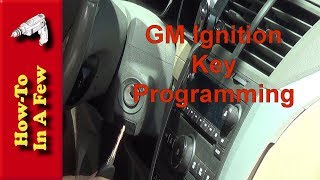
- Attempt a Key Relearn Procedure: Try the 30-minute relearn procedure. Turn the key to the 'ON' position (do not start), and leave it for 10-11 minutes until the security light stops flashing and turns off or goes solid. Turn the key off for 10 seconds. Repeat this cycle two more times for a total of three cycles (approx. 30-33 minutes). After the third cycle, turn the key off and then try to start the engine.
- Inspect the Ignition Lock Cylinder: If the relearn fails and a spare key doesn't work, the ignition lock cylinder is the most likely culprit. A professional will need to replace it.
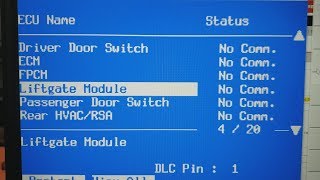
- Scan Tool Diagnosis: A professional will use a scan tool to check for communication with the Theft Deterrent Module and verify it is receiving a signal from the key by observing the 'Valid Key' parameter.
- Inspect Wiring: If the lock cylinder is confirmed to be good, inspect the wiring between the cylinder and the BCM/TDM for damage, paying close attention to the steering column area.
Parts You'll Likely Need

- Ignition Lock Cylinder
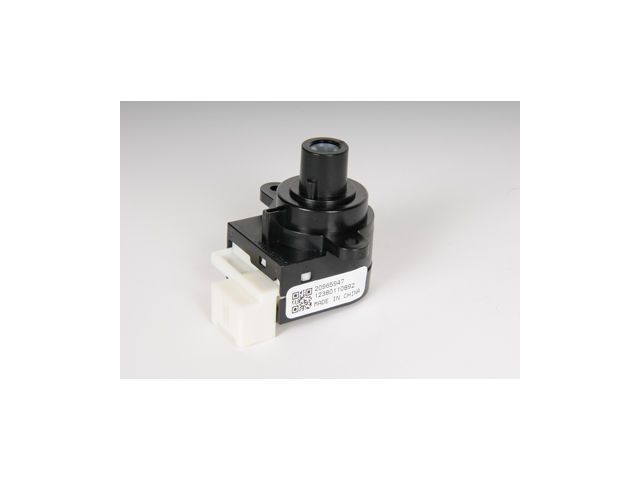
(OEM #20869121)— This assembly contains the transponder reader coil, which is the most common failure point for this code on the Traverse. Replacement requires programming.
Trusted brands: ACDelco (GM OE), Dorman (924-719)
OEM price range: $150-$180
Aftermarket price range: $75-$120 - Transponder Ignition Key
(OEM #23335586 (Strattec 5923255))— If the transponder chip inside the key has failed, the key must be replaced and programmed.
Trusted brands: ACDelco, Strattec
OEM price range: $70-$120
Aftermarket price range: $40-$80
Related Codes That Often Appear With This One
- B3055 — This code means 'No Transponder Modulation or No Transponder'. It often appears with B3060 and points directly to a problem with the key itself or the reader coil in the ignition cylinder failing to get a signal from the key's transponder.
- B3935 — This code, 'Transponder Authentication Failed', is another security system code that can be set alongside B3060 when there's an issue with key verification. It indicates the module received a signal but could not authenticate it.
Technical Service Bulletins (TSBs) & Recalls
- PIC5650M: Addresses intermittent no crank, no start, or start/stall with security light on and DTCs B3055, B3060, or B3935, often caused by RF interference from other items on the keychain.
- PIE0232: An engineering information bulletin where GM was actively investigating the root cause of B3055, B3060, and B3935 on low-mileage vehicles, indicating this was a known issue early on.
Platform-Specific Known Issues
- A GM Technical Service Bulletin (PIC5650M) directly addresses B3060 on the 2009-2016 Traverse, linking it to an intermittent no-crank/no-start with the security light on, and suggests checking for RF interference as a preliminary step.
- Owner Experience: A user on traverseforum.com with a 2011 Traverse experienced the classic B3060 symptoms (no crank, security light). After trying the relearn procedure multiple times without success, the ultimate fix was replacing the ignition lock cylinder. The owner noted the new part felt more robust than the original.
- Repair Story: On a Reddit thread, a 2012 Traverse owner dealt with an intermittent "Service Theft Deterrent System" message. The issue progressed to a no-start condition. The problem was resolved after replacing the ignition lock cylinder, which had a faulty internal reader coil.
Helpful Videos


Used OEM Parts in Stock


New Aftermarket Parts Available


The information in this article is provided for general reference and educational purposes only. Vehicle specifications, procedures, and part compatibility can vary by production date, trim level, and region. Always consult your vehicle's factory service manual and verify part numbers before purchasing or performing repairs. Safety-critical components such as airbags, seat belts, and braking systems should be installed by a qualified professional.
- Chevrolet TRAVERSE:
- 🎬 Helpful Videos
- 🛍️ Shop This Part
- What's Unique About the 2009-2016 Chevrolet TRAVERSE
- Diagnostic Flowchart
- Symptoms You May Notice
- Most Likely Causes
- Rare But Worth Checking
- Diagnosis Steps
- Parts You'll Likely Need
- Related Codes That Often Appear With This One
- Technical Service Bulletins (TSBs) & Recalls
- Platform-Specific Known Issues
- 🎟️ Get 5% Off