

B3060 on 2007-2014 Chevrolet Suburban: Unprogrammed Key and No-Start Fixes
Code B3060 on a 2007-2014 Suburban means the anti-theft system doesn't recognize the key, causing a no-start or start-and-stall condition. The most common fixes are trying a spare key, checking for keychain interference, or performing a 30-minute key relearn procedure. If that fails, you may need a new ignition key or a new ignition lock cylinder which contains the reader coil.
- B3060 means your Suburban's security system doesn't recognize your key, preventing the engine from starting.
- Before spending any money, try your spare key and remove all other electronic fobs or cards from your keychain to rule out simple causes.
- The '10-Minute Relearn Procedure' can often resolve the issue for free after a battery change or intermittent fault, but may need to be repeated three times.
- If simple fixes don't work, the most likely failed parts are the key itself or the ignition lock cylinder.
- Due to the need for special programming tools, final repair of this issue is best left to a professional locksmith or a dealership.
What's Unique About the 2007-2014 Chevrolet SUBURBAN

The 2007-2014 Suburban (GMT900 platform) uses GM's Pass-Key III+ (PK3+) immobilizer system. While effective, this system is known for its sensitivity. Intermittent no-start conditions related to this system are common enough that GM issued multiple technical service bulletins to address them. [PIC5650M] The issue is often not a hard failure but an intermittent communication breakdown between the key and the vehicle, sometimes caused by outside radio frequency interference (RFI) from other devices on the keychain or even aftermarket LED lighting. The GMT900 platform was also subject to other quality issues, including class-action lawsuits for cracked dashboards and oil consumption on certain V8 engines, reflecting a period of known reliability concerns for GM.
Diagnostic Flowchart
Tap your situation to follow the diagnostic path that matches what you're seeing on this vehicle.
Symptoms You May Notice

- Engine will not crank or start.
- Engine starts and immediately stalls. [PIC5650M]
- "Security" light is illuminated or flashing on the instrument cluster.
- Message on the Driver Information Center (DIC) like "Service Theft Deterrent System".
- Replacing the battery without diagnosing the starting issue. A new battery will not solve a security system lockout if the key or lock cylinder is the root cause.
- Replacing the starter motor. The security system prevents the engine from starting by disabling fuel, not by preventing the starter from cranking in all cases. A user on a forum diagnosed a no-crank issue as a bad starter only after confirming the starter relay was working and jumping it produced no result.
- Replacing the ignition switch without confirming it's the electrical source of the problem. The ignition switch is separate from the lock cylinder and its transponder reader coil.
Most Likely Causes

- Using a Non-Programmed or Worn/Damaged Key 🔴 High Probability Keys wear out over time, and the internal PK3+ transponder chip can be damaged if the key is dropped. Using a new, unprogrammed key will always trigger this code.
How to confirm: Try starting the vehicle with a different, known-good programmed key. If the vehicle starts and runs normally, the first key is the problem. A locksmith or dealer can also test the transponder chip in the key itself.
Typical fix: Replace the faulty key and perform the key relearn procedure. This often requires a locksmith or dealer for key cutting and programming.
Est. part cost: $50-$150 - Radio Frequency (RF) Interference 🟡 Medium Probability The Pass-Key system operates at 125 kHz and can be disrupted by other electronic devices. GM TSB #PIC5650M specifically calls this out, listing items like other vehicle keys, building access cards, and even aftermarket LED lights as potential sources of RFI that can cause intermittent no-starts. [PIC5650M, 4]
How to confirm: Remove all other keys, fobs, and any RFID-enabled cards (like office access cards) from the keychain. Try starting the vehicle with only the single ignition key. If the problem is intermittent, consider if any aftermarket electronics (like LED dome lights) were active when the fault occurred.
Typical fix: Keep other electronic devices and fobs separate from the ignition key when starting the vehicle. Remove any problematic aftermarket electronics.
Est. part cost: $0 - Faulty Ignition Lock Cylinder / Exciter Coil 🟡 Medium Probability The exciter coil is a fine wire winding around the ignition lock that energizes the key's transponder. This component, often integrated with the lock cylinder housing, can fail due to age or wear, leading to an inability to read the key's code. Heavy keychains can accelerate wear on the cylinder itself.
How to confirm: This requires testing the resistance and continuity of the exciter coil circuit with a multimeter, following the service manual procedure. A professional diagnosis is recommended as access requires removing the steering column covers.
Typical fix: Replacement of the ignition lock cylinder assembly, followed by a 30-minute key relearn procedure. This is a common repair documented in several DIY videos. 🎬 Watch this step-by-step guide on removing the ignition lock cylinder.
Est. part cost: $100-$250
Rare But Worth Checking
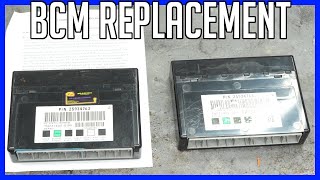
- Faulty Theft Deterrent Module (TDM) or Body Control Module (BCM): While it's the 'brain' of the system, the module itself is less likely to fail than the key or the reader coil. This should only be considered after all other possibilities have been exhausted. A failed BCM often presents with other seemingly unrelated electrical issues. Replacement requires programming with a specialized scan tool.
- Wiring Harness Damage: Damage to the wiring between the ignition lock cylinder and the BCM can cause an intermittent or total loss of communication. This can be difficult to trace and may result from previous repairs or chafing over time. A user on a Tahoe/Yukon forum noted that checking ground wires is a crucial step for unexplained electrical issues.
- Low Battery Voltage: While not a direct cause of B3060, a weak or failing battery can cause various electronic modules, including the BCM, to behave erratically and potentially lose their memory or fail to communicate properly, leading to a no-start and security-related codes. Some owners report that a no-start condition began after a battery change, which can sometimes trigger the anti-theft system.
Diagnosis Steps
- Scan all vehicle modules for other DTCs. Note any codes related to the BCM or immobilizer system, such as B3055 or B3935. [PIC5650M]
- Isolate the ignition key. Remove all other keys, fobs, and RFID cards from the keychain to eliminate Radio Frequency Interference (RFI) as a cause.
- Attempt to start the vehicle with a known-good spare key. If it works, the primary key is faulty.
- Inspect the security light on the dashboard. A solid or flashing light confirms the anti-theft system is active.
- Attempt the '30-Minute Relearn Procedure'. This can sync a new key or sometimes resolve communication glitches. The steps are: 1. Turn the key to 'ON' (or attempt to start and release to 'ON'). The security light will illuminate. 2. Wait for approximately 10 minutes until the security light turns off. 3. Turn the key 'OFF' for 5-10 seconds. 4. Repeat steps 1-3 two more times for a total of 3 cycles (about 30 minutes). 5. After the third cycle, the key should be learned, and the vehicle should start. 🎬 See a demonstration of the 30-minute key relearn process.
- If the relearn fails, inspect the ignition key for any visible damage or excessive wear.
- If component failure is suspected, use a multimeter to test the wiring and resistance of the ignition lock cylinder's exciter coil per the factory service manual. This is an advanced step.
- If all components and wiring test good, the final step is to diagnose the Body Control Module (BCM) itself, which typically requires a professional scan tool to monitor data and perform tests.
Parts You'll Likely Need

- Ignition Key with Transponder (PK3+) — The transponder chip inside the key is a common point of failure, either through physical damage, electronic failure, or simply being an unprogrammed copy. The metal blade may have 'PK3+' stamped on it.
Trusted brands: ACDelco, Strattec
OEM price range: $70-$120
Aftermarket price range: $40-$80 - Ignition Lock Cylinder with Passlock Sensor/Exciter Coil
(OEM #ACDelco D1493F (Note: Verify exact fitment))— This part contains the exciter coil that reads the key. If the coil or its internal wiring fails, it cannot communicate with the key's transponder. This part often comes with new keys, requiring the relearn procedure.
Trusted brands: ACDelco, Dorman (e.g., 924-796), Standard Motor Products
OEM price range: $150-$250
Aftermarket price range: $80-$150
Related Codes That Often Appear With This One
- B3055 — This code means 'No Transponder Modulation or No Transponder,' indicating the BCM received no signal at all. It often appears alongside B3060 when there's an intermittent connection, a dead key transponder, or a failed exciter coil. [PIC5650M, 4]
- B3935 — Related to 'Transponder Authentication Failed,' this is another code within the same family of security system faults and is mentioned in the same TSBs as B3060, pointing to a communication or data mismatch issue. [PIC5650M, 4]
Technical Service Bulletins (TSBs) & Recalls
- Bulletin #PIC5650M: Notes that intermittent no-crank/no-start conditions with DTCs B3055, B3060, and/or B3935 can be caused by RF interference from devices on the key ring or even aftermarket electronics like LED lights.
- Bulletin #PIE0232: An engineering information request from GM to gather data on low-mileage 2013 models exhibiting no-crank conditions with codes B3055, B3060, or B3935, indicating it was an active area of investigation.
Platform-Specific Known Issues
- As per TSB #PIC5650M, these vehicles can experience intermittent no-start conditions with code B3060 due to Radio Frequency Interference from devices on the owner's keychain, such as other car fobs, access cards, or even aftermarket electronics.
Mechanic-Grade Diagnostic Values
- Ignition Key Reader/Exciter Coil Resistance — expected: Typically between 15 and 30 ohms. For example, a VW technical service bulletin specifies a range of 18-24 ohms for a similar component. No specific GM value is published, but a reading far outside this range (e.g., open circuit or near zero) indicates a faulty coil.. Failure: An open-circuit (infinite resistance) or short-circuit (near 0 ohms) reading on a multimeter.
Scan Tool Commands That Help
- GM Tech2 / GDS2: Data Display > TDM (or BCM) > Valid Key — Use this to see in real-time if the Theft Deterrent Module (TDM) or Body Control Module (BCM) is successfully reading and validating the transponder key's signal. The parameter should read 'Yes' when a learned key is turned to ON.
- GM Tech2 / GDS2: Service Programming > VTD Re-Learn (Vehicle Theft Deterrent) — This function is used to initiate the security system relearn process after replacing a major component like the BCM or ECM. It guides the technician through the timed procedure required to sync the modules.
- GM Tech2 / GDS2: Snapshot / Capture Info — For intermittent no-start issues, this function can capture a snapshot of all module data at the moment the fault occurs, which can be analyzed later to find anomalies in the data stream that might not be apparent during a normal scan.
Wiring & Ground Locations

- BCM (Body Control Module) — Under the driver's side dashboard, typically mounted to a metal bracket near the steering column.. The BCM is the control center for the Pass-Key III+ anti-theft system on this platform. It reads the key data from the exciter coil and decides whether to authorize the engine start. All related wiring terminates here.
- Ground G218 — On the driver's side A-pillar frame, located under the dash and often behind or near the driver's side speaker.. This is a notorious ground point on GMT900 trucks. Factory-applied paint or sound-deadening insulation is often trapped under the ground lug, causing a poor connection that leads to intermittent and widespread electrical issues, including BCM communication faults and no-start conditions. Cleaning this ground to bare metal is a critical diagnostic step for any unexplained electrical fault.
- BCM Fuse — Fuse #15 in the interior fuse box, located on the driver's side of the dashboard, accessible when the door is open.. This fuse supplies power to the Body Control Module. Loss of power here will disable the entire theft-deterrent system along with many other body functions.
- Anti-Theft System Fuse — Fuse #35 (a 2-amp fuse) in the main under-hood fuse box.. This fuse is specifically designated for the anti-theft system and should be checked if there is no response from the security system at all.
- Engine Harness Chafe Points — Inspect the engine wiring harness where it runs near the ECM/TCM bracket, the driver's side upper control arm, and the shock tower.. While a related TSB applies to slightly newer trucks, the pattern of engine vibration causing the harness to chafe against sharp metal edges is a known issue. A short in the wiring between the BCM and ECM could mimic a security system failure, making this a valuable inspection point for hard-to-diagnose intermittent electrical problems.
Real Owner Repair Stories
- Reddit user in r/Silverado (2014 Silverado (related GMT K2XX platform, but same G218 issue)) — Multiple random error messages on the dash, electrical gremlins.
❌ Tried (didn't work) New battery, Checking and cleaning the G218 ground
✅ What actually fixed it The issue was finally resolved by replacing the Body Control Module (BCM). - YouTube user video (2014 Silverado) — Annoying electrical issues, flickering lights, intermittent power steering and park assist disabled messages, occasional engine stall when turning at low speeds.
❌ Tried (didn't work) Testing the battery and alternator (both tested good).
✅ What actually fixed it The problem was the G218 ground. Sound deadening material was trapped under the ground wire from the factory. The fix was to remove the dash trim, access the ground, cut away the interfering material, and re-secure the ground connection. The issues did not return after the fix. - YouTube user 'Dude We Can Fix It' (2007 Chevy Silverado (same GMT900 platform)) — Key was hard to turn past the first click, requiring jiggling to get it to the 'ON' position.
❌ Tried (didn't work) The first attempt at the 30-minute key relearn procedure failed after installing the new lock cylinder.
✅ What actually fixed it Replacing the ignition lock cylinder with a new one and successfully performing the 30-minute relearn procedure on the second attempt. The video confirms the truck started and ran normally afterward.
OEM Part Supersession History
Multiple (e.g., 15837419, 15921352, 20864767)→Varies by VIN, latest available GM part— Part consolidation and revisions over the vehicle's lifespan.
Heads up: When replacing the BCM, it must be programmed to the vehicle's VIN. A used BCM from another vehicle will not work correctly without being reprogrammed by a specialist service, as it contains the other vehicle's security and options data.ACDelco D1493F / Dorman 924-719→N/A - Incorrect Part for this Generation— These parts are for the older, pre-2007 GM platform (e.g., Impala, Malibu) and are not compatible with the 2007-2014 Suburban.
Heads up: Using these parts will result in a no-fit or no-function situation. The correct aftermarket part for this generation is Dorman 924-796.
Model Year Variations Within This Range
- 2011-2012: These model years were subject to GM recall #14696 (NHTSA 14V-827) for a defective ignition lock actuator. This could cause the key to get stuck in the 'Start' position or snap back to 'Accessory' while driving, causing the engine to shut off and disabling power steering, brakes, and airbags. Owners should check if their VIN is affected as the repair may be covered by the manufacturer.
Helpful Videos
Used OEM Parts in Stock



New Aftermarket Parts Available

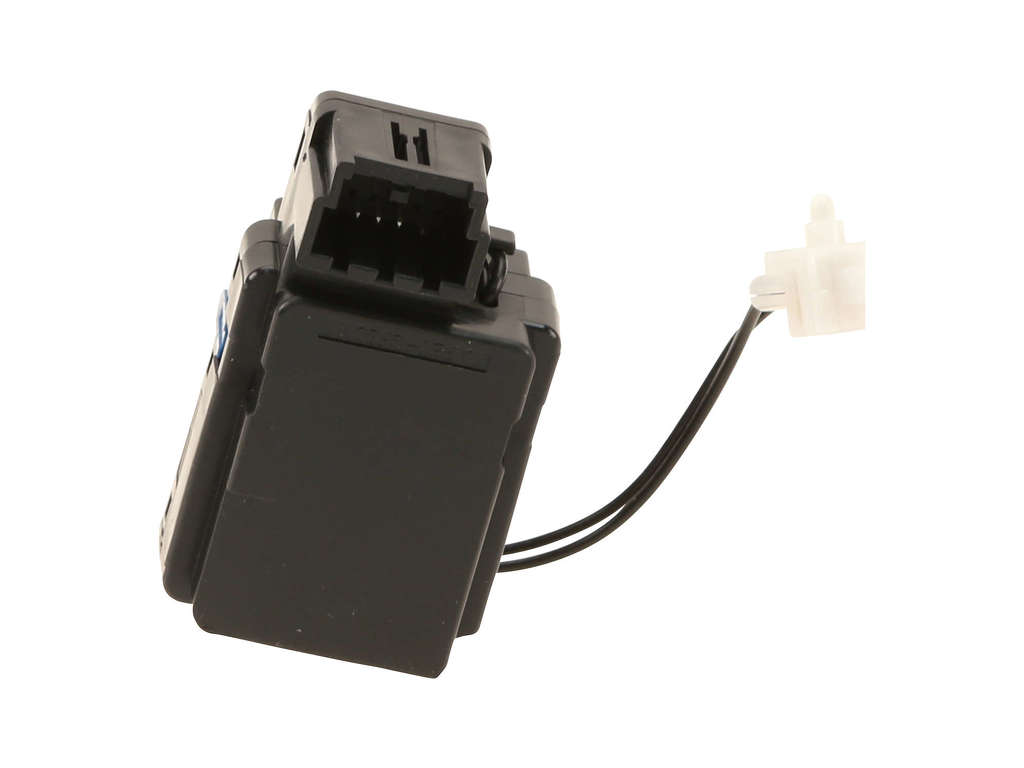
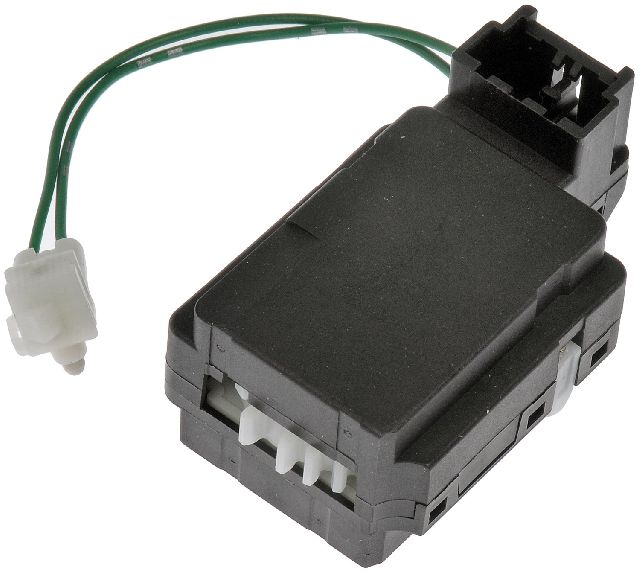

The information in this article is provided for general reference and educational purposes only. Vehicle specifications, procedures, and part compatibility can vary by production date, trim level, and region. Always consult your vehicle's factory service manual and verify part numbers before purchasing or performing repairs. Safety-critical components such as airbags, seat belts, and braking systems should be installed by a qualified professional.
- Chevrolet SUBURBAN:
- 🎬 Helpful Videos
- 🛍️ Shop This Part
- What's Unique About the 2007-2014 Chevrolet SUBURBAN
- Diagnostic Flowchart
- Symptoms You May Notice
- Most Likely Causes
- Rare But Worth Checking
- Diagnosis Steps
- Parts You'll Likely Need
- Related Codes That Often Appear With This One
- Technical Service Bulletins (TSBs) & Recalls
- Platform-Specific Known Issues
- Mechanic-Grade Diagnostic Values
- Scan Tool Commands That Help
- Wiring & Ground Locations
- Real Owner Repair Stories
- OEM Part Supersession History
- Model Year Variations Within This Range
- 🎟️ Get 5% Off