

B3060 on 2016-2022 Chevrolet Spark: Understanding the No-Start Security Fault
Code B3060 on a Chevy Spark means the car's security system doesn't recognize your key, preventing it from starting. The most common fixes are trying your spare key, replacing a faulty key, or addressing issues with the ignition's immobilizer antenna. This repair typically requires professional programming.
- B3060 means your car doesn't recognize your key and has activated the anti-theft system.
- The first and easiest diagnostic step is to try your spare key.
- Do not immediately assume a bad starter or battery; the security system is designed to prevent starting.
- Check for and remove sources of radio frequency interference (like phone chargers or other fobs) before attempting costly repairs, as recommended by GM.
- While some key relearn procedures can be done DIY, replacing components like the antenna or BCM requires professional programming.
What's Unique About the 2016-2022 Chevrolet SPARK

The Chevrolet Spark, like many modern GM vehicles including the Sonic and Trax, uses a sensitive immobilizer system. A known issue, documented in a series of GM Technical Service Bulletins (PIC5650), is an intermittent no-start or stall accompanied by the security light and code B3060. This intermittent nature can make diagnosis frustrating, as the problem may not appear consistently. The fault isn't necessarily a sign of a major component failure but often points to a communication breakdown between the key and the car, sometimes caused by external radio frequency interference.
🎬 Watch: How the Chevrolet immobilizer system worksDiagnostic Flowchart

Tap your situation to follow the diagnostic path that matches what you're seeing on this vehicle.
Symptoms You May Notice
- Engine does not crank or start.
- Engine starts and immediately stalls.
- Security indicator light is illuminated or flashing on the dashboard.
- "No Fob Detected" message on the driver information center (for vehicles with passive entry).
- Replacing the starter motor when the engine doesn't crank.
- Replacing the vehicle's main battery without confirming it's the cause of the no-start.
Most Likely Causes

- Faulty or Unprogrammed Ignition Key 🔴 High Probability The transponder chip embedded in the key can be damaged from drops or wear, or a new key may not have been correctly programmed to the vehicle.
How to confirm: Try starting the vehicle with a spare key. If the spare key works consistently, the original key is the problem.
Typical fix: Replace the faulty key and have the new key professionally programmed to the vehicle. A DIY 30-minute relearn procedure may work for adding a new key if you have no working keys.
Est. part cost: $75-$200 - Defective Immobilizer Antenna Ring 🟡 Medium Probability The antenna ring (also called an exciter coil or transceiver) is located around the ignition lock cylinder and can fail over time, preventing it from powering and reading the key's transponder chip.
How to confirm: A technician can use a specialized scan tool to check for a signal from the antenna or test the coil's resistance with a multimeter. The part is shared with the Chevy Trax. A normally functioning coil should have a low DC resistance, for example, around 6 Ohms.
Typical fix: Replace the immobilizer antenna ring. This part is typically less expensive than a control module, but will require a security relearn procedure upon installation.
Est. part cost: $50-$120 - Radio Frequency (RF) Interference ⚪ Low Probability The immobilizer system operates at a low frequency (125 kHz) that can be disrupted by other electronic devices. GM TSB PIC5650M specifically warns that aftermarket items like LED lights, USB phone chargers, and even toll passes on the keychain can cause this issue.
How to confirm: Remove all other keys, fobs, and electronic devices from the keychain and try starting the car with the ignition key alone. Also, remove any aftermarket chargers or lighting from the vehicle.
Typical fix: Keep other RF-emitting devices separate from the car key and remove problematic aftermarket electronics.
Est. part cost: $0 - Wiring or Connector Issue ⚪ Low Probability Vibrations and age can lead to loose or corroded connections in the wiring between the immobilizer antenna and the Body Control Module (BCM), particularly in the steering column.
How to confirm: Visually inspect the wiring harness and connectors around the steering column and BCM for any signs of damage, looseness, or corrosion.
Typical fix: Repair or clean the affected wiring and connectors.
Rare But Worth Checking
- Faulty Body Control Module (BCM): While less common, the BCM itself can fail. This is usually the last item to suspect after all other causes (key, antenna, wiring) have been ruled out due to its higher cost and the need for extensive programming upon replacement.
Diagnosis Steps
- Verify the complaint: Confirm the engine won't start and the security light is on or flashing.
- Try the spare key: This is the simplest and fastest way to rule out a single faulty key.
- Check for RF interference: Remove all other fobs, electronics, and even other car keys from the keychain. Unplug any aftermarket USB chargers or accessories inside the car and try again.
- Scan for DTCs: Use an OBD-II scanner capable of reading Body (B) codes to confirm B3060 and any other related codes like B3055 or B3935.
- Attempt a Security Relearn Procedure (All Keys Lost): Insert a new, cut key and turn the ignition to 'ON' (do not start). The security light will illuminate. Wait for approximately 10 minutes until the light turns off. Turn the ignition 'OFF' for 5 seconds. Repeat this process two more times for a total of three 10-minute cycles. After the third cycle, the key should be programmed.
- Inspect Wiring: Visually check the wiring and connectors at the ignition lock cylinder and the BCM for damage or looseness.
- Professional Diagnosis: If the above steps fail, a professional technician will be needed to test the immobilizer antenna and BCM, and to program any replacement components.
Parts You'll Likely Need

- Transponder Ignition Key
(OEM #13584825 (Flip Key Assembly), 95233522 (Key Blank), 94823321 (Chip Key). Note: Part numbers can vary by specific year and options.)— The original key's internal transponder chip is often the point of failure. A new key must be cut and programmed to the vehicle.
Trusted brands: ACDelco, Strattec
OEM price range: $100-$200
Aftermarket price range: $50-$120 - Immobilizer Antenna Coil
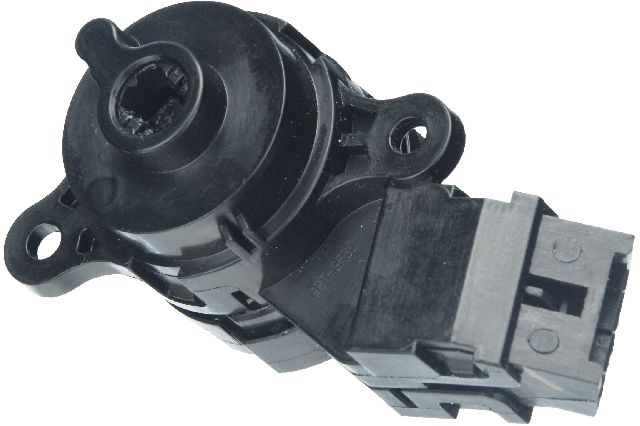
(OEM #13539917 (Also fits Chevy Trax). Other potential part numbers include 13580789.)— This coil reads the key chip. If it fails, no signal is sent to the BCM, triggering the B3060 code.
Trusted brands: ACDelco (GM Genuine)
OEM price range: $70-$150
Aftermarket price range: $40-$90
Related Codes That Often Appear With This One
- B3055 — Relates to a problem with the transponder key itself. Often set alongside B3060.
- B3935 — Another transponder-related code that can appear with immobilizer system faults.
Technical Service Bulletins (TSBs) & Recalls
- PIC5650 Series (A, B, C, K, M): Addresses an intermittent no crank, no start, or start stall concern with the security light coming on, potentially setting DTCs B3055, B3060, and others. A primary focus of this TSB series is diagnosing interference from aftermarket radio-frequency emitting devices.
Platform-Specific Known Issues
- A GM Technical Service Bulletin (PIC5650M) specifically acknowledges an intermittent no-crank, no-start, or start-and-stall condition with the security light on, which can be associated with code B3060. The bulletin strongly advises checking for Radio Frequency Interference (RFI) from aftermarket devices like USB chargers, LED lights, and even non-vehicle RFID cards on the keychain before replacing any parts.
Mechanic-Grade Diagnostic Values
- Immobilizer Antenna Coil DC Resistance — expected: ~6 Ω. Failure: Open circuit (infinite resistance) or a reading significantly different from the expected value.
- Immobilizer Antenna Signal Circuit Voltage (at BCM connector) — expected: < 1 V. Failure: Voltage of 1 V or greater indicates a short to voltage in the circuit.
Scan Tool Commands That Help
- GDS2 (GM Global Diagnostic System 2): Immobilizer Learn — This function is required after replacing the Body Control Module (BCM) or when adding new keys. It guides the technician through the security relearn process, which can take over 10 minutes.
- GDS2 (GM Global Diagnostic System 2): Add/Replace Key Fobs — Used for programming additional key fobs. The technician navigates to the 'Remote Control Door Lock Receiver' module, then 'Configure/Reset Functions' to access this command.
- GDS2 (GM Global Diagnostic System 2): BCM Data Display > Valid Key — When diagnosing a faulty key, a technician can monitor the 'Valid Key' parameter. It should read 'Yes' when a known good, programmed key is turned in the ignition. If it reads 'No', it confirms that specific key is the problem.
Wiring & Ground Locations
- G218 — Located on the driver's side, under the dash, often behind the kick panel or trim. On similar GM platforms, it's a common ground point for the BCM.. A loose or corroded G218 ground can cause a wide range of electrical issues, including erratic BCM behavior that could manifest as immobilizer faults. TSBs for other GM vehicles point to this ground as a source of intermittent electrical problems.
- BCM Connectors — The Body Control Module is typically located in the instrument panel on the driver's side, behind a cover. It has multiple large connectors (often labeled X1, X2, etc.) where the immobilizer antenna and other systems connect.. Technicians need to access these connectors to perform pin-out testing, such as checking for voltage, ground, and continuity on the wires running from the immobilizer antenna to the BCM.
Real Owner Repair Stories
- YouTube user 'diyrepair' (2020 Chevrolet Spark) — Vehicle would not start, immobilizer issue suspected.
❌ Tried (didn't work) An immobilizer antenna from a 2018 Spark did not fit correctly; the circumference was too small.
✅ What actually fixed it The user installed a used, but correct, immobilizer antenna for the 2020 model year. After installation, the car started immediately without requiring any programming with a scan tool.
OEM Part Supersession History
13518997, 13527798→13539917— Standard part updates and consolidation.
Heads up: Part 13539917 is listed for the Chevy Trax and Cruze as well as the Spark, indicating platform sharing. It is described as the 'Theft Deterrent Module'.
Model Year Variations Within This Range
- 2019-2022: A repair story indicated that the immobilizer antenna from a 2018 Spark was physically different and would not fit a 2020 model, suggesting a design change occurred around the 2019 model year refresh. Additionally, programming keys for 2019-2020 models may be more difficult due to stronger encryption.
Helpful Videos

We Have This Part in Stock

The information in this article is provided for general reference and educational purposes only. Vehicle specifications, procedures, and part compatibility can vary by production date, trim level, and region. Always consult your vehicle's factory service manual and verify part numbers before purchasing or performing repairs. Safety-critical components such as airbags, seat belts, and braking systems should be installed by a qualified professional.
- Chevrolet SPARK:
- 🎬 Helpful Videos
- 🛍️ Shop This Part
- What's Unique About the 2016-2022 Chevrolet SPARK
- Diagnostic Flowchart
- Symptoms You May Notice
- Most Likely Causes
- Rare But Worth Checking
- Diagnosis Steps
- Parts You'll Likely Need
- Related Codes That Often Appear With This One
- Technical Service Bulletins (TSBs) & Recalls
- Platform-Specific Known Issues
- Mechanic-Grade Diagnostic Values
- Scan Tool Commands That Help
- Wiring & Ground Locations
- Real Owner Repair Stories
- OEM Part Supersession History
- Model Year Variations Within This Range
- 🎟️ Get 5% Off