

B3060 on 2015-2019 Chevrolet Silverado 3500: Causes for No-Start & Security Light
Code B3060 on a Silverado 3500 means the truck's anti-theft system doesn't recognize the key, causing a no-start or start-and-stall. Before replacing parts, try a spare key, remove other fobs and aftermarket USB chargers from your keychain/vehicle, and attempt the 30-minute key relearn procedure. If that fails, the most likely cause is a faulty ignition lock cylinder, a common failure item.
- B3060 means your truck's security system has disabled the engine because it doesn't recognize the key.
- First, try the simple fixes: use a spare key and remove all other electronic items from your keychain to rule out interference.
- The 30-minute key relearn procedure is a free DIY step that often resolves the problem without replacing any parts.
- Do not immediately replace the starter or battery; this code points specifically to an anti-theft system fault.
- If simple fixes fail, the most common failed part is the ignition lock cylinder, which contains the key's sensor.
What's Unique About the 2015-2019 Chevrolet SILVERADO 3500
The K2XX platform, which includes the 2015-2019 Silverado 3500, uses a sensitive transponder-based security system (Pass-Key III+). This system is known to be susceptible to radio frequency interference (RFI) from aftermarket electronics, a fact highlighted in multiple revisions of GM Technical Service Bulletin PIC5650. The intermittent nature of this fault can be frustrating, as the RFI source (like a phone charger) is often removed by the owner before the vehicle reaches a service center, making the problem impossible for a technician to duplicate. This leads to 'no problem found' diagnoses while the root cause remains.
Diagnostic Flowchart
Tap your situation to follow the diagnostic path that matches what you're seeing on this vehicle.
Symptoms You May Notice
- Engine will not crank or start.
- Engine starts but immediately shuts off (start-and-stall).
- Security indicator light (a car with a lock symbol) is illuminated or flashing on the dashboard.
- "Service Theft Deterrent System" message may appear on the driver information center. 🎬 Watch: Troubleshooting a no-crank with the Service Theft Deterrent message.
- Replacing the battery. While low voltage can trigger this issue, a new battery will not fix a faulty key or ignition lock cylinder.
- Replacing the starter motor. The no-crank symptom is caused by the security system disabling the starter relay; the starter itself is usually not the problem.
Most Likely Causes
- Radio Frequency Interference (RFI) 🔴 High Probability GM TSBs specifically mention that aftermarket electronics (USB chargers, dash cams, LED lights) and other RFID cards or fobs on the keychain can disrupt the 125 kHz signal between the key and the ignition cylinder's reader.
How to confirm: Remove all other keys, fobs, and access cards from the keychain. Unplug all aftermarket devices from power outlets. If the truck starts with only its own key present, RFI was the cause.
Typical fix: Keep the truck key on its own ring or away from other electronic devices. Remove low-quality aftermarket chargers. A 2018 Silverado owner reported a recurring B3060 code that was solved by removing a company RFID access card from the keychain.
Est. part cost: $0 - Key Has Lost Synchronization / Corrupted Data 🟡 Medium Probability Voltage fluctuations, such as during a battery replacement or a failed jump-start, can sometimes cause the security module to lose its memory of the programmed keys.
How to confirm: This is confirmed if the '30-Minute Security Relearn Procedure' successfully resolves the no-start condition.
Typical fix: Perform the 30-minute key relearn procedure. This involves turning the key to 'ON' for 10 minutes (until the security light goes out), off for 10 seconds, and repeating this cycle three times. 🎬 See a walkthrough of the 30-minute security relearn procedure.
Est. part cost: $0 - Faulty or Unprogrammed Ignition Key 🟡 Medium Probability The transponder chip embedded in the key can be damaged if the key is dropped, or a newly cut key may not have been properly programmed to the vehicle. The key can also simply wear out.
How to confirm: Try starting the vehicle with a known-good spare key. If the spare key works without issue, the original key is faulty.
Typical fix: Replace the faulty key and have the new key professionally cut and programmed. A relearn procedure is required.
Est. part cost: $40-$150 - Faulty Ignition Lock Cylinder / Transponder Reader ⚪ Low Probability The exciter coil/antenna that reads the key's transponder is part of the ignition lock cylinder. This component is a known wear item and can fail, causing it to no longer read the key correctly.
How to confirm: If the relearn procedure fails and no keys will start the vehicle, this part is the next most likely suspect. Wiggling the key in the ignition may cause the fault to appear or disappear, pointing to a bad reader.
Typical fix: Replace the ignition lock cylinder and perform the security relearn procedure. A 2016 Silverado owner with over 100,000 miles resolved a persistent B3060 code by replacing this part.
Est. part cost: $60-$150
Rare But Worth Checking
- Faulty Body Control Module (BCM): While less common, the BCM is the brain of the security system. If all other components check out, the BCM itself may have an internal fault or a bad power/ground connection. This requires professional diagnosis and programming.
- Damaged Wiring: The wiring between the ignition lock cylinder and the BCM can become damaged or disconnected, leading to a loss of communication with the key reader. Also check ground points like G218 (under the driver's side dash) for tightness and corrosion.
Diagnosis Steps
- Scan the Body Control Module (BCM) for codes. Confirm B3060 is present and note any other codes like B3055 or B3935.
- Remove all other keys, fobs, and RFID cards from the keychain. Unplug any aftermarket chargers or electronics from the vehicle's power ports.
- Attempt to start the vehicle with only the primary key.
- If it fails, try a known-good spare key. If the spare works, the primary key is defective.
- If no keys work, ensure the vehicle's battery is fully charged. Connect a battery charger if possible.
- Perform the 30-Minute Security Relearn Procedure.
- If the relearn procedure fails, inspect the wiring and connector at the ignition lock cylinder for visible damage. Check chassis grounds, specifically G218 under the driver's side dash, for a tight, clean connection.
- With a professional scan tool (e.g., GM GDS2), monitor the BCM data for 'Immobilizer Key Status' or 'Valid Key'. This parameter should change when a valid key is turned in the ignition. If it does not change, it points to a faulty key or ignition lock cylinder reader.
- If all previous steps fail, the ignition lock cylinder/reader is the most likely failed component and should be tested or replaced.
Parts You'll Likely Need
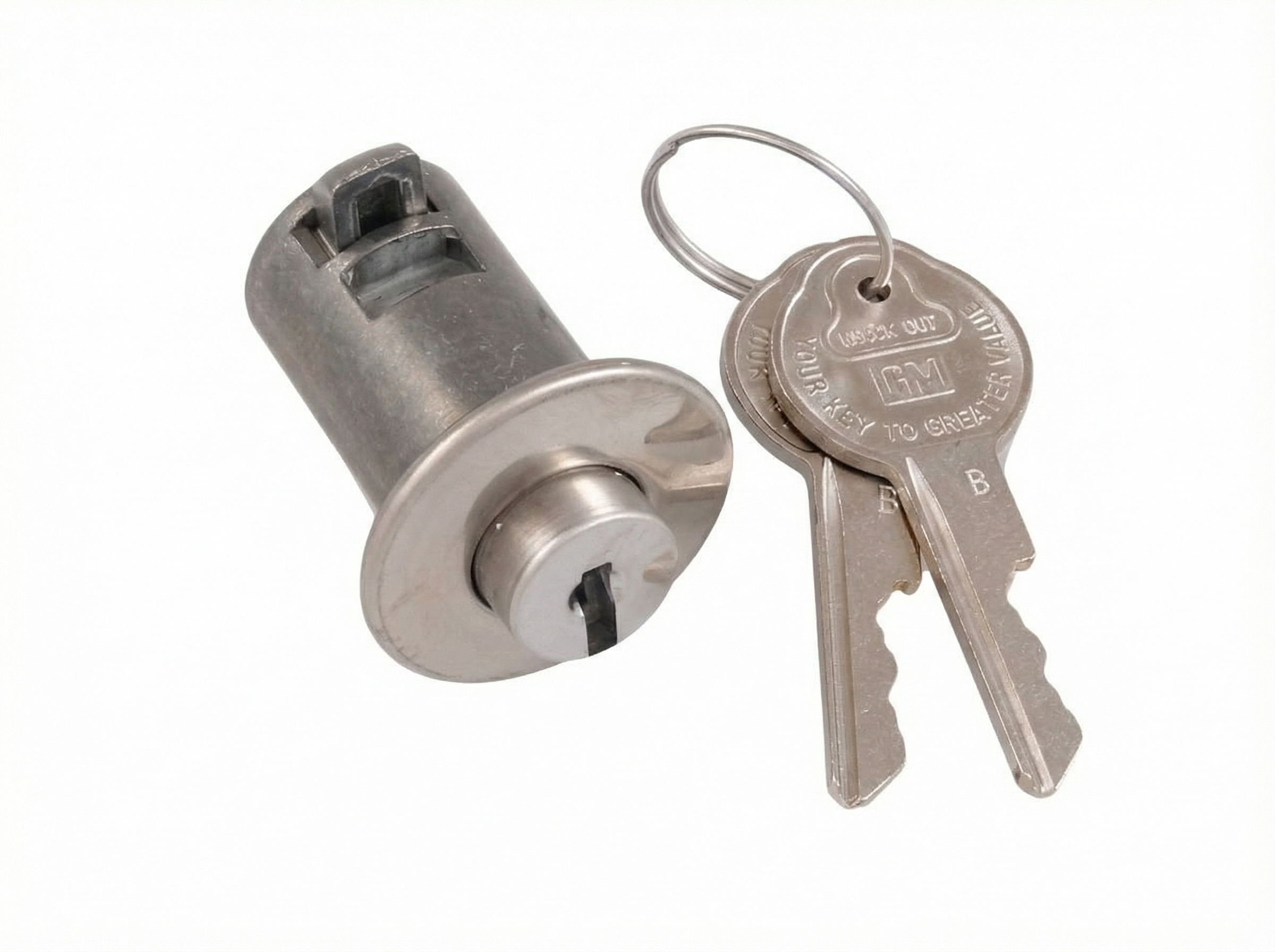
- Ignition Lock Cylinder
(OEM #23375464 (Verify with VIN))— This housing contains the transponder reader coil, which is a common failure point that prevents the key from being recognized. A 2016 Silverado owner successfully used ACDelco D1464G for this repair.
Trusted brands: ACDelco (GM Genuine), Dorman (e.g., 924-716), Standard Motor Products
OEM price range: $100-$180
Aftermarket price range: $60-$120 - Transponder Ignition Key — The internal chip in the key can fail, or a new key may be required if the original is lost or damaged.
Trusted brands: ACDelco, KeylessOption, Strattec
OEM price range: $70-$120
Aftermarket price range: $30-$60
Related Codes That Often Appear With This One
- B3055 — This code means 'No Transponder... Received' and often appears with B3060, indicating a complete failure to read any key signal, often pointing to the ignition lock cylinder's reader or severe RFI.
- B3935 — This code for 'Transponder Authentication Failed' suggests the key was read but the security handshake failed. It is part of the same family of security codes and is listed alongside B3060 in GM service bulletins.
Technical Service Bulletins (TSBs) & Recalls
- PIC5650M: Acknowledges an intermittent no crank, no start, or start stall concern with the security light coming on, potentially setting DTCs B3055, B3060, and others. It strongly points to Radio Frequency Interference (RFI) from aftermarket devices as a primary cause that is difficult to duplicate in a shop environment.
Platform-Specific Known Issues
- Known Intermittent No-Start (TSB PIC5650M): A GM Technical Service Bulletin (TSB #PIC5650M) exists for an intermittent no crank, no start, or start stall concern with the security light on, which lists B3060 as a potential code. This confirms it is a known issue for this platform, frequently caused by RFI.
- Real-World Repair: High-Mileage Ignition Cylinder Failure: A documented case for a 2016 Silverado with over 100,000 miles showed a B3060 code that started intermittently (requiring wiggling the key) and eventually led to a complete no-start. The problem was resolved by replacing the ignition lock cylinder (ACDelco P/N D1464G) and performing the 30-minute relearn procedure.
- Real-World Repair: Radio Frequency Interference (RFI): A forum member with a 2018 Silverado traced their recurring B3060 code to a company RFID access card kept on the same keychain as the ignition key. After separating the card from the key, the no-start problem was permanently resolved, confirming the advice in TSB PIC5650M.
Helpful Videos
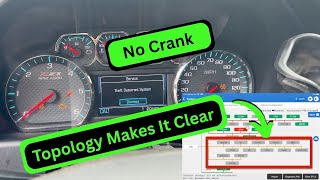
Used OEM Parts in Stock


New Aftermarket Parts Available

The information in this article is provided for general reference and educational purposes only. Vehicle specifications, procedures, and part compatibility can vary by production date, trim level, and region. Always consult your vehicle's factory service manual and verify part numbers before purchasing or performing repairs. Safety-critical components such as airbags, seat belts, and braking systems should be installed by a qualified professional.
- Chevrolet SILVERADO 3500:
- 🎬 Helpful Videos
- 🛍️ Shop This Part
- What's Unique About the 2015-2019 Chevrolet SILVERADO 3500
- Diagnostic Flowchart
- Symptoms You May Notice
- Most Likely Causes
- Rare But Worth Checking
- Diagnosis Steps
- Parts You'll Likely Need
- Related Codes That Often Appear With This One
- Technical Service Bulletins (TSBs) & Recalls
- Platform-Specific Known Issues
- 🎟️ Get 5% Off