

B3060 on 2007-2010 Chevrolet Silverado 2500: Security Light, No-Start Causes and Fixes
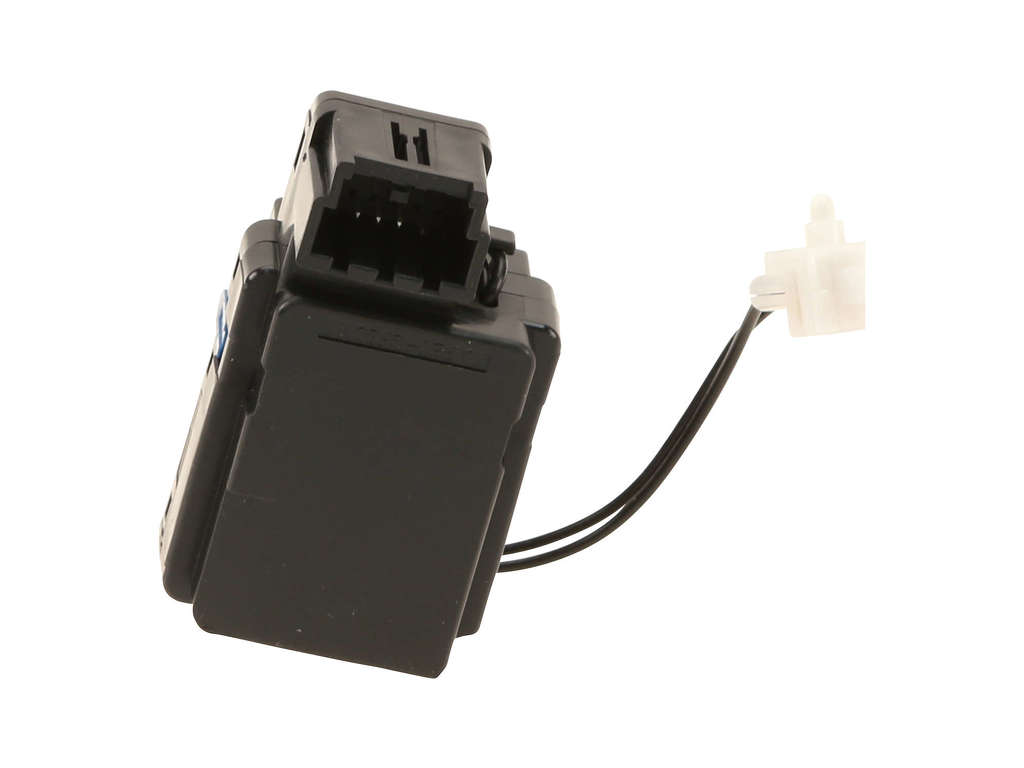
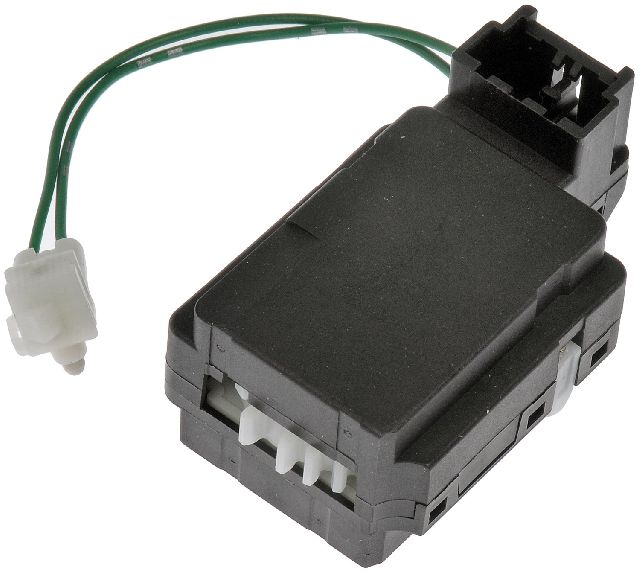
Code B3060 on a 2007-2010 Silverado 2500 means the anti-theft system doesn't recognize your key, causing a no-start and security light. The most common fix is a simple 30-minute 'key relearn' procedure. If that fails, the ignition lock cylinder assembly, which contains the key reader (exciter coil), is the next likely culprit. A replacement part like the ACDelco D1462G or Dorman 924-719 is a common repair, costing around $75-$180.
- B3060 means your truck's security system has locked you out due to a key recognition failure, causing a no-start condition.
- Before spending any money, try your spare key and perform the 30-minute 'Security Relearn Procedure', as this free DIY step resolves the issue in many cases.
- Remove aftermarket phone chargers and other RFID fobs from your keychain to eliminate Radio Frequency Interference (RFI) as a possible cause.
- If a relearn doesn't work, the most likely failed part is the ignition lock cylinder assembly, which contains the key's transponder reader.
What's Unique About the 2007-2010 Chevrolet SILVERADO 2500
The 2007-2010 Silverado (GMT900 platform) uses GM's Passkey III+ (PK3+) immobilizer system, which is an advancement over older Passlock systems because it uses a rolling code RFID transponder in the key itself. A well-documented weakness on these trucks is the ignition lock cylinder assembly, which houses the transponder reader coil (also called the exciter coil). The fine wires within this assembly can fatigue and break from the repetitive stress of turning the key, leading to intermittent signal loss and triggering the B3060 code. This makes the lock cylinder a more common failure point than the key itself or the BCM on this specific platform.
Diagnostic Flowchart
Tap your situation to follow the diagnostic path that matches what you're seeing on this vehicle.
Symptoms You May Notice
- Engine will not crank or start
- Engine starts and immediately stalls
- Security light is illuminated or flashing on the dashboard.
- Intermittent no-start condition that may seem to resolve itself temporarily
- "Service Theft Deterrent System" message on the Driver Information Center (DIC).
- Replacing the starter motor. A starter issue will not set a B-series security code.
- Replacing the battery without performing a security relearn. A new battery can often trigger this code if the system loses synchronization during the swap.
- Replacing the Engine Control Module (ECM). The ECM receives the start/disable command but is not the source of the security fault.
Most Likely Causes
- Loss of Key Synchronization (Relearn Needed) 🔴 High Probability The security system is sensitive to voltage fluctuations. A weak battery, jump-starting, or disconnecting the battery for service can cause the BCM to lose synchronization with the programmed keys. This is a common and often free fix that should be attempted first.
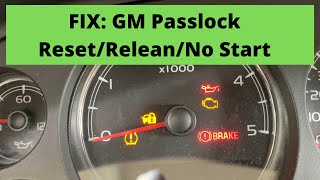
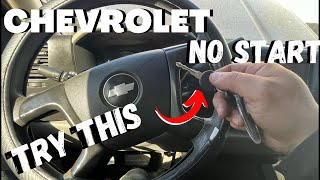
How to confirm: Attempt the 30-minute security relearn procedure. 🎬 Watch: How to perform the 30-minute security relearn procedure. If the truck starts and runs correctly afterward, the issue was a loss of synchronization.
Typical fix: Perform the 30-minute, 3-cycle security relearn procedure. This is a free DIY fix that requires no tools.
Est. part cost: $0 - Faulty Ignition Lock Cylinder / Transponder Antenna 🔴 High Probability The reader coil (antenna) is integrated into the ignition lock cylinder housing. The wires are thin and can break from years of key rotations, causing an open circuit. This is a very common failure point on GMT900 trucks.
How to confirm: If the relearn procedure fails with multiple known-good keys, the lock cylinder is the prime suspect. Sometimes, wiggling the key in the ignition while trying to start will temporarily make a connection and allow the truck to start, confirming a wiring issue within the assembly.
Typical fix: Replace the ignition lock cylinder assembly. A security relearn procedure is mandatory after replacement. Common replacement parts include ACDelco D1462G and Dorman 924-719.
Est. part cost: $75-$180 - Faulty or Damaged Ignition Key 🟡 Medium Probability The transponder chip (e.g., PCF7936 ID46) embedded in the plastic head of the key can be damaged from being dropped, exposed to strong magnetic fields, or simply fail electronically over time.
How to confirm: Try starting the vehicle with a spare key. If the spare key works without issue, the primary key is faulty. A professional scan tool can also view the 'TDM Valid Key' parameter to confirm.
Typical fix: Replace the faulty key. A new key (such as a GM B111-PT blank) must be cut to match the ignition and then programmed to the vehicle using the security relearn procedure.
Est. part cost: $60-$120 - Radio Frequency Interference (RFI) ⚪ Low Probability GM has issued technical service bulletins (TSBs) warning that aftermarket devices (phone chargers, dash cams) or even other fobs on the same keychain can interfere with the 125 kHz signal used by the immobilizer system.
How to confirm: Remove all other keys, fobs, and RFID cards from the keychain. Unplug any aftermarket accessories like phone chargers or dash cams, then try to start the vehicle again.
Typical fix: Keep the ignition key on a separate ring from other fobs or RFID-enabled cards. Avoid using low-quality aftermarket chargers plugged into the accessory outlets.
Est. part cost: $0
Rare But Worth Checking
- Faulty Body Control Module (BCM): The BCM contains the Theft Deterrent Module (TDM). While it can fail, it is much less common than the key or ignition lock cylinder. This should only be considered after all other causes have been ruled out, especially if other strange electrical issues are occurring simultaneously. A poor ground connection to the BCM can also mimic a failed module.
- Damaged Wiring Harness: The wiring between the ignition lock cylinder and the BCM can become chafed or corroded, especially in the steering column or at BCM connector X1 (Pins 2 and 4). This is rare but possible on high-mileage trucks or those from harsh climates.
Diagnosis Steps
- Scan for all DTCs in the BCM and ECM to confirm B3060 and check for related codes like B3055 or B3935. A basic engine code reader may not see B-codes.
- Inspect the keychain and cabin. Remove any potential sources of Radio Frequency Interference (RFI) such as other key fobs, RFID cards, and aftermarket phone chargers. Try starting with the bare key.
- Try starting the truck with a known-good spare key. If it starts, the original key is the problem.
- Check the vehicle's battery. Ensure it is fully charged (above 12.5V) and the terminals are clean and tight. A low voltage condition can trigger this fault.
- Attempt the 30-Minute Security Relearn Procedure: 1) Turn the key to the 'ON' position (do not start). 2) Wait for the security light to turn off, which takes about 10 minutes. 3) Turn the key 'OFF' for 5-10 seconds. 4) Repeat steps 1-3 two more times for a total of three 10-minute cycles. 5) After the third cycle, turn the key off, then try to start the engine.
- If the relearn fails, inspect the wiring and connector at the ignition lock cylinder for visible damage. Try wiggling the key in the ignition while attempting to start; if it starts intermittently, the lock cylinder assembly is faulty.
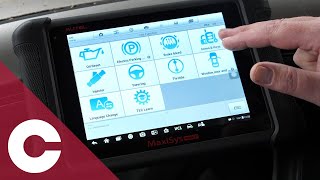
- If a capable scan tool is available, monitor the BCM/TDM data stream for the 'Valid Key' parameter while trying different keys. This can definitively confirm if the key is being read correctly.
- If all other steps fail, the most likely remaining cause is a faulty ignition lock cylinder/transponder antenna. Replacement is the next step.
Parts You'll Likely Need
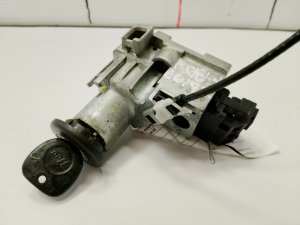
- Ignition Lock Cylinder with Passkey Sensor
(OEM #15794826)— This assembly contains the transponder antenna (reader coil) which is the most common hardware failure point for this code on the GMT900 platform. The electrical switch portion is often sold as ACDelco D1462G or Dorman 924-719.
Trusted brands: ACDelco, Dorman, Standard Motor Products
OEM price range: $100-$180
Aftermarket price range: $75-$120 - Transponder Ignition Key
(OEM #GM B111-PT (Strattec 5903089))— If a spare key works and the original does not, the transponder chip in the original key has failed.
Trusted brands: ACDelco, Strattec
OEM price range: $60-$120
Aftermarket price range: $40-$80
Related Codes That Often Appear With This One
- B3055 — Stands for 'No Transponder Identification Code Received'. It often appears with B3060 and indicates a complete failure to read any signal from the key, pointing towards a bad key or a failed reader coil in the ignition cylinder.
- B3935 — Means 'Transponder Authentication Failed'. This suggests the module read the key's code but rejected it. It is often set alongside B3060 and points to a key that is for the wrong vehicle or has corrupted data.
Technical Service Bulletins (TSBs) & Recalls
- PIC5650M: Addresses intermittent no crank, no start, or start stall with security light on and DTCs B3055, B3060, or B3935, advising to check for RFI from aftermarket devices plugged into the vehicle before beginning diagnostics.
Platform-Specific Known Issues
- A GM Technical Service Bulletin (TSB #PIC5650M and its revisions) directly addresses an intermittent no-crank or start-stall condition with the security light on, which sets codes B3055, B3060, or B3935. The bulletin strongly advises checking for Radio Frequency Interference (RFI) from aftermarket devices like phone chargers or non-OEM accessories before replacing any parts.
Mechanic-Grade Diagnostic Values
- BCM Ignition Voltage Circuit — expected: Greater than 9.0 V. Failure: A voltage reading less than 9V points to a problem in the power supply circuit to the BCM.
- BCM Low Reference (Ground) Circuit Resistance — expected: Less than 2.0 ohms. Failure: A reading of 2 ohms or greater indicates a bad or corroded ground connection for the Body Control Module, which can cause this code.
- Passkey Exciter Coil Resistance (General Test) — expected: Approximately 5,000 to 15,000 ohms (5-15 kΩ) for the secondary winding.. Failure: A reading significantly outside this range, or an open loop (OL) reading, indicates a broken wire in the coil, a common failure.
Hidden / Shadow Codes Worth Checking
- B3060 00: The '00' is a symptom byte indicating 'No Sub Type Information'. It means the base DTC text string provides the complete failure description. Its presence confirms the fault is active. (see via Professional scan tools like the GM Tech2 or GDS2 will display the code with its symptom byte.)
Scan Tool Commands That Help
- GM Tech2 / GDS2: Data Display > TDM Valid Key — Use this to confirm if the Theft Deterrent Module (TDM) is successfully reading and validating the key currently in the ignition. The parameter should read 'Yes' for a known good key. If it reads 'No', it confirms the key is faulty, unprogrammed, or not being read.
- GM Tech2 / GDS2: Special Functions > Immobilizer/Key Learning — This function is required to program new keys or to relearn all keys after replacing the Body Control Module (BCM) or ignition lock cylinder, especially if the 30-minute manual relearn procedure fails or is not applicable.
Wiring & Ground Locations
- Body Control Module (BCM) — Located on the lower left side of the dash, often near the steering column or integrated with the interior fuse block.. The BCM houses the Theft Deterrent Module (TDM) logic, stores learned key data, and communicates with the ECM to enable or disable the engine.
- Theft Deterrent Module (TDM) — On this platform, the TDM is integrated with the ignition lock cylinder housing, located on the right side of the steering column.. This module contains the exciter coil that reads the key's transponder chip. The wiring harness to this module is a frequent failure point.
- BCM Connector X1 — One of the main connectors plugging into the BCM.. The circuit for the Ignition Key Resistor Signal runs through this connector. On some GM models, this is Pin 4 (White/Black wire), which carries the signal from the key reader. A poor connection here can directly cause B3060.
- G201 — A common instrument panel ground located in the upper left corner of the dash structure.. A poor connection at this ground point can cause erratic behavior from the BCM and other interior modules, potentially triggering security faults.
Real Owner Repair Stories
- Reddit user on r/MechanicAdvice (2008 Chevrolet Silverado 2500HD 6.0L) — No-start with "Service Theft Deterrent System" message on the DIC.
❌ Tried (didn't work) Replacing the ignition switch and lock cylinder., Performing the 30-minute manual relearn procedure (three 10-minute cycles). This made the security light go away, but the truck would start and die immediately.
✅ What actually fixed it The owner had the truck towed to a Chevrolet dealership. The dealer successfully reset the security system and programmed the new components using their scan tool, which resolved the issue. This indicates some replacements require a dealer-level tool if the manual relearn fails. - YouTube user 'Dude We Can Fix It' (2007 Chevy Silverado (same GMT900 platform)) — Key was hard to turn past the first click, requiring jiggling to get it to the 'ON' position, along with the B3060 code and no-start.
❌ Tried (didn't work) The first attempt at the 30-minute key relearn procedure failed after installing the new part.
✅ What actually fixed it Replacing the ignition lock cylinder with a new one and successfully performing the 30-minute relearn procedure on the second attempt fixed the problem.
When the Usual Fixes Don't Work
- While the ignition lock cylinder is the most common hardware failure, it is not always the cause. In a documented case on a similar GM van platform, a technician replaced the ignition cylinder and performed the relearn procedure, but the B3060 code and no-start condition persisted. The ultimate fix was replacing and reprogramming the Body Control Module (BCM), which had failed internally. This confirms that if a new lock cylinder and key relearn do not work, the BCM itself should be the next component to be professionally diagnosed.
OEM Part Supersession History
15919460, 19120038, 25756079→15794826— Standard part consolidation and potential minor revisions by the manufacturer over the vehicle's lifecycle.
Heads up: This part requires programming and/or special setup procedures after installation. It is not a plug-and-play component.
Helpful Videos
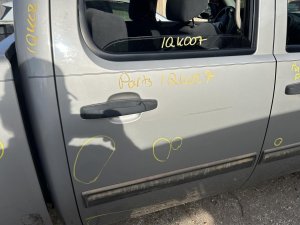
Used OEM Parts in Stock



New Aftermarket Parts Available


The information in this article is provided for general reference and educational purposes only. Vehicle specifications, procedures, and part compatibility can vary by production date, trim level, and region. Always consult your vehicle's factory service manual and verify part numbers before purchasing or performing repairs. Safety-critical components such as airbags, seat belts, and braking systems should be installed by a qualified professional.
- Chevrolet SILVERADO 2500:
- 🎬 Helpful Videos
- 🛍️ Shop This Part
- What's Unique About the 2007-2010 Chevrolet SILVERADO 2500
- Diagnostic Flowchart
- Symptoms You May Notice
- Most Likely Causes
- Rare But Worth Checking
- Diagnosis Steps
- Parts You'll Likely Need
- Related Codes That Often Appear With This One
- Technical Service Bulletins (TSBs) & Recalls
- Platform-Specific Known Issues
- Mechanic-Grade Diagnostic Values
- Hidden / Shadow Codes Worth Checking
- Scan Tool Commands That Help
- Wiring & Ground Locations
- Real Owner Repair Stories
- When the Usual Fixes Don't Work
- OEM Part Supersession History
- 🎟️ Get 5% Off