

B3060 on 2007-2014 Chevy Silverado 1500: Unprogrammed Key & No-Start Fixes
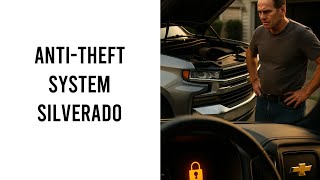
This code means your truck's security system doesn't recognize the key, causing a no-start or start-and-stall condition. The most common fix is a worn-out key or a faulty ignition lock cylinder. Often, a 'security relearn' procedure can resolve the issue without replacing parts.
- B3060 means your truck's security system has disabled the engine because it doesn't recognize the key.
- Before spending any money, try starting the truck with your spare key and remove all other electronic fobs from the keychain.
- The most common DIY fix is the 30-minute 'Security Relearn Procedure', which can often resolve the problem for free.
- If a relearn doesn't work, the most likely culprits are a bad transponder key or a faulty ignition lock cylinder.
- Do not immediately replace the starter or battery; this code points specifically to an anti-theft system fault.
What's Unique About the 2007-2014 Chevrolet SILVERADO 1500

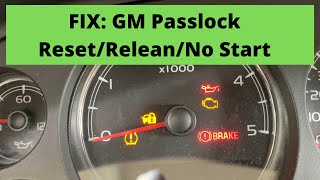
This generation of Silverado uses GM's Passkey III (PK3) immobilizer system, which relies on a transponder chip in the key head that is energized by an exciter coil in the ignition lock cylinder. While effective, this system is known for being sensitive. Issues often arise not from a major component failure, but from simple things like a worn-out key, a damaged transponder chip, or even radio frequency interference from other devices on your keychain. The problem is common enough that a specific 30-minute 'relearn' procedure exists, which can often resolve the communication glitch without a trip to the dealer.
Diagnostic Flowchart

Tap your situation to follow the diagnostic path that matches what you're seeing on this vehicle.
Generation note: This range covers the end of the second generation (GMT900, 2007-2013) and the first year of the third generation (K2XX, 2014). Both generations use a similar Passkey III transponder-based security system, and the causes and diagnostic approaches for code B3060 are largely the same. However, the 2014 K2XX models have a different electrical architecture, and known issues like a poor BCM ground at G218 are specific to this newer platform.
Symptoms You May Notice

- Engine will not crank or start.
- Engine starts and immediately stalls.
- Security indicator light is on solid or flashing on the dashboard.
- "Service Theft Deterrent System" message on the Driver Information Center (DIC).
- Replacing the starter motor. A security-related no-start will prevent the starter from even engaging, which can be mistaken for a failed starter.
- Replacing the battery. While a low battery can trigger this issue, people often replace a perfectly good battery when the root cause is the security system's programming, not the battery's ability to crank the engine.
Most Likely Causes

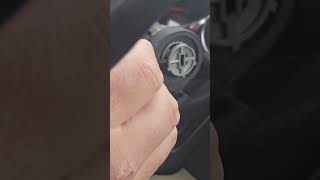
- Worn or Damaged Ignition Key 🔴 High Probability The transponder chip embedded in the plastic head of the key can be damaged from drops or daily wear, or the key blade itself can wear down, causing poor contact and communication. Over time, the key's signal can weaken.
How to confirm: Try starting the vehicle with a spare key. If the spare key works reliably, the original key is faulty. A locksmith on a forum noted that if a new key works, the old one has simply worn down, even if the wear is not visible.
Typical fix: Replace the faulty key. A new key must be cut and then programmed to the vehicle using a specific relearn procedure or a scan tool.
Est. part cost: $30-$100 - Faulty Ignition Lock Cylinder / Transponder Reader 🟡 Medium Probability The exciter coil that energizes the key's transponder is part of the ignition lock cylinder assembly. This component can fail over time, preventing it from reading the key's signal.
How to confirm: If multiple known-good keys fail to start the vehicle and a relearn procedure doesn't work, the issue is likely with the reader in the steering column. A scan tool can be used to monitor TDM data to see if any key is being detected.
Typical fix: Replacement of the ignition lock cylinder and housing. This new component will require a security relearn procedure to be performed.
Est. part cost: $100-$250 - Security System Communication Glitch 🟡 Medium Probability Low battery voltage or a recent battery replacement can sometimes cause the Theft Deterrent Module to lose its memory of the programmed keys, triggering the anti-theft system.
How to confirm: This is often the diagnosis when the no-start condition appears suddenly after a battery event. The primary confirmation is successfully performing the security relearn procedure.
Typical fix: Perform the 30-minute security relearn procedure. This involves cycling the key in the ignition in a specific timed sequence to force the system to relearn the key's transponder code.
Est. part cost: $0 - Radio Frequency Interference (RFI) ⚪ Low Probability The Passkey system operates at a low frequency, and other electronic devices on a keychain (like office key cards, other fobs, or even some aftermarket electronics) can interfere with the signal.
How to confirm: Remove all other fobs and electronic devices from the key ring. Try starting the truck with just the single ignition key. If it starts, RFI was the cause. GM issued a preliminary engineering document (PIE0232) specifically to investigate this possibility on low-mileage 2013 models.
Typical fix: Keep other RFID-emitting devices separate from the truck key.
Est. part cost: $0
Rare But Worth Checking
- Faulty Body Control Module (BCM): The BCM is the module that houses the theft deterrent functions. If the ignition components and keys are good, the BCM itself may have an internal fault, but this is much less common. This is often suspected when multiple communication codes (U-codes) are present alongside B3060 or when other unrelated electrical systems (like power windows) also fail intermittently.
- Wiring Damage: Damaged or corroded wiring between the ignition lock cylinder and the BCM can cause an intermittent loss of signal from the key. This is more likely on high-mileage trucks or those operated in harsh environments. A poor ground connection, such as at G218 on 2014+ models, can also cause a no-start and trigger various DTCs.
Diagnosis Steps
- Scan for all DTCs in the BCM and ECM to confirm B3060 and check for related codes like B3055.
- Inspect the key ring. Remove all other keys, fobs, and electronic devices as recommended in GM document PIE0232. Try starting with the bare key.
- Try a spare key. If the spare key works, the primary key is defective.
- Check the vehicle's battery. Ensure it is fully charged (above 12V) and the terminals are clean and tight. A battery charger is recommended during the relearn procedure to ensure steady voltage.
- Attempt the 30-Minute Security Relearn Procedure. This involves three 10-minute cycles of turning the key to 'ON' and waiting for the security light to go out.
- If the relearn fails, use a scan tool to monitor the Theft Deterrent Module data parameter 'Valid Key' to see if it recognizes a key is present and valid.
- Inspect the wiring and connector at the ignition lock cylinder for any visible damage or looseness.
- If all else fails, the ignition lock cylinder/transponder reader is the most likely hardware fault.
Parts You'll Likely Need
- Transponder Ignition Key
(OEM #GM B111-PT (Strattec 5903089))— The chip in the key is a very common failure point. It can be damaged or simply wear out.
Trusted brands: ACDelco, Strattec
OEM price range: $50-$100
Aftermarket price range: $20-$50 - Ignition Lock Cylinder with Passkey Sensor
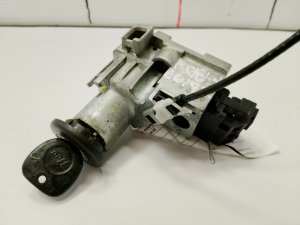
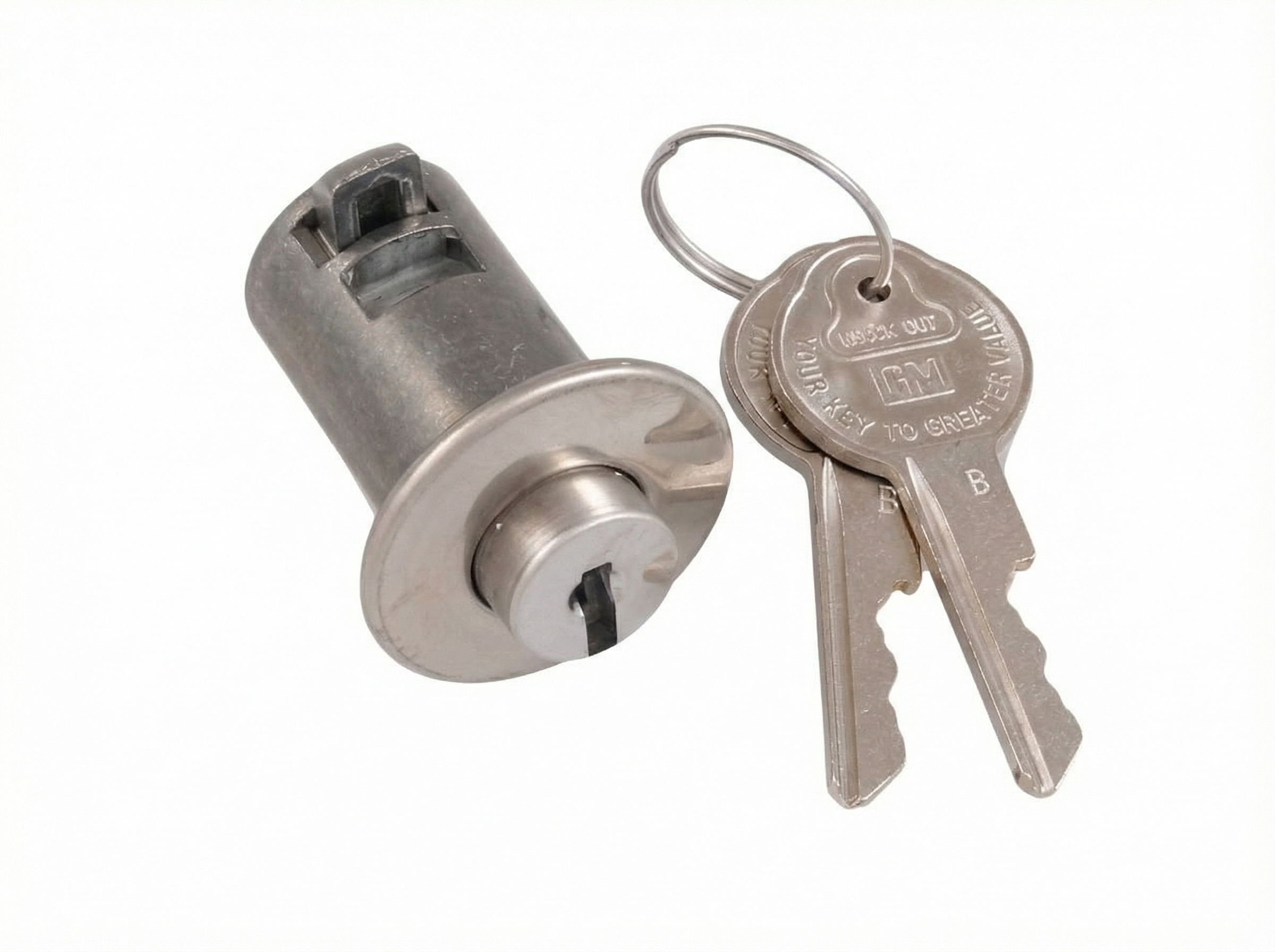
(OEM #15298923 (uncoded cylinder kit))— This part contains the coil that reads the key's transponder chip. If this coil fails, no key will be recognized.
Trusted brands: ACDelco, Dorman, Standard Motor Products
OEM price range: $100-$200
Aftermarket price range: $80-$150
Related Codes That Often Appear With This One
- B3055 — This code often means 'No Transponder Modulation or No Transponder.' It frequently appears with B3060, indicating the security system is having a problem communicating with the key chip. TSBs PIC5650M and PIE0232 both list these codes together.
- B3935 — This code relates to 'Transponder Authentication Error' and is another code in the same family, pointing to a failure in the key verification process. It is also mentioned alongside B3060 in GM service bulletins.
Technical Service Bulletins (TSBs) & Recalls
- PIC5650M: Notes intermittent no crank, no start, or start stall concerns with security light on, associated with DTCs B3055, B3060, and B3935.
- PIE0232: Engineering investigation into no-crank/no-start conditions with security light and DTCs B3055, B3060, or B3935, advising to check for Radio Frequency Interference on low-mileage 2013 models.
Platform-Specific Known Issues
- A GM Technical Service Bulletin (TSB), #PIC5650M, acknowledges an intermittent no-crank or start-and-stall condition with the security light on, specifically listing DTC B3060 as a related code.
- Another GM document, PIE0232, was created for engineering to investigate the root cause of no-start conditions with codes B3055 and B3060 on low-mileage 2013 models, highlighting the potential for RFI from devices on the keychain.
Mechanic-Grade Diagnostic Values
- Passkey III Exciter Coil Operating Frequency — expected: ~131 kHz. Failure: No signal or incorrect frequency when measured with an oscilloscope near the ignition cylinder.
Hidden / Shadow Codes Worth Checking
- B3060 00: The '00' is a GM symptom byte meaning 'No Sub Type Information'. This indicates that the base DTC text ('Unprogrammed Transponder Identification Code Received') provides the complete description of the failure. (see via A professional scan tool like the GM Tech 2 or GDS2 will display the main DTC along with the two-digit symptom byte.)
Scan Tool Commands That Help
- Tech 2 / GDS2: Monitor 'TDM Valid Key' or 'BCM Key Part Number' Parameter — Use this function while trying each available key. For GMT900 trucks, the 'Valid Key' parameter should read 'Yes' for a programmed key. For K2XX trucks, the 'Key Part Number' should display a valid number. If the parameter shows 'No' or is blank, it confirms the module is not reading or recognizing that specific key.
- Tech 2 / GDS2: Immobilizer Learn / Add/Replace Keys — This function is used to program new keys or to force the system to relearn existing keys after a component replacement (like a BCM or ignition cylinder). It is the dealer-equivalent of the manual 30-minute relearn procedure and may be required if the manual procedure fails.
Wiring & Ground Locations
- G218 — For 2014 (K2XX) models, this ground is located on the driver's side, under the dash, behind the kick panel area.. A GM TSB (PIT5405C) identifies a poor connection at G218 as a cause for a wide range of electrical issues, including no-start, engine stalls, and various communication DTCs. The dash insulator mat can get trapped under the ground terminal, causing a poor connection that can mimic a theft-deterrent problem.
- BCM Location (GMT900) — On 2007-2013 models, the Body Control Module (BCM) is located under the driver's side of the dashboard, typically to the left of the steering column.. The BCM houses the theft deterrent module (TDM) functions on these trucks. All wiring from the ignition cylinder's transponder reader routes to the BCM. Knowing its location is critical for checking connector integrity and testing wiring continuity if a wiring fault is suspected.
Real Owner Repair Stories
- Reddit user on r/MechanicAdvice (2008 Chevy Silverado 2500HD 6.0L) — No-start with "Theft Deterrent Service" message after replacing ignition switch and cylinder.
❌ Tried (didn't work) Performing the 30-minute manual relearn procedure (three 10-minute cycles). This made the light go away, but the truck would die immediately upon attempting to start.
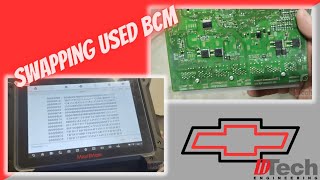
✅ What actually fixed it The owner towed the truck to a Chevrolet dealership. The dealer successfully reset the anti-theft system using their proprietary scan tools. The total cost was $195. - YouTube channel 'DTech Engineering' (2007 Chevy Silverado) — Vehicle brought from another shop with a no-crank, no-start condition. It would sometimes crank but stall immediately. Also had other electrical issues and communication codes.
❌ Tried (didn't work) The previous shop had replaced the under-hood fuse box, which did not solve the problem and created a new one (no power to the fuel pump module).
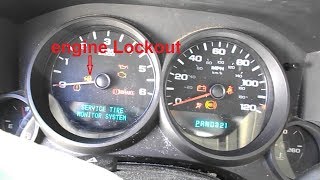
✅ What actually fixed it The root cause was a faulty Body Control Module (BCM). The BCM was still communicating with the scan tool but was malfunctioning internally. The final repair was cloning the EEPROM from the original BCM to a used replacement BCM. - YouTube channel 'Eagle Runner Bill' (2007 Chevy Silverado) — Engine lockout light on, engine would start and run for a moment then shut down, eventually progressing to a no-crank condition.
❌ Tried (didn't work) The first few attempts at the manual 30-minute relearn procedure did not work.
✅ What actually fixed it Successfully performing the 30-minute relearn procedure eventually worked. The owner noted the importance of using a battery charger during the process to ensure stable voltage and that it took several tries for the relearn to be successful.
"I Checked Everything" — The Actual Cause
- In a case documented on Reddit, a user replaced the ignition switch and cylinder and correctly performed the 30-minute manual relearn procedure. While the theft light went out, the truck still wouldn't run, acting as if the battery was dead upon cranking. The standard DIY procedure failed. The actual fix required a dealer's scan tool to properly reset and reprogram the security system, suggesting some failures require a more robust software reset than the manual procedure can provide.
When the Usual Fixes Don't Work
- While the 30-minute manual relearn procedure is the most common DIY fix, it is not foolproof. One owner replaced the ignition cylinder and switch, performed the relearn correctly, and the theft light went out, but the truck still would not run. The final solution required a trip to the dealer for a scan tool-based reset, indicating that some security system lockouts are 'harder' and cannot be cleared by the manual key-cycling method alone.
OEM Part Supersession History
88956844→15298923— Part was updated or replaced by a new revision from the manufacturer.
Heads up: Part number 15298923 is the correct uncoded lock cylinder for many GM trucks in this era, including the Silverado. It replaces the older 88956844 part number.
Model Year Variations Within This Range
- 2007-2013 (GMT900): These models use the GMT900 platform. The Body Control Module (BCM), which contains the theft deterrent logic, is located under the dash to the left of the steering column. Diagnostics focus on the key, the ignition cylinder, and the BCM itself.
- 2014 (K2XX): The 2014 model is the first year of the new K2XX platform, featuring a completely different electrical architecture and the EcoTec3 engine family. While it still uses a Passkey-type system, it is more integrated. A known issue specific to this platform is a poor ground at G218 under the driver's dash, which can cause a no-start and set numerous codes, as detailed in TSB PIT5405C.
Helpful Videos

Used OEM Parts in Stock



New Aftermarket Parts Available


The information in this article is provided for general reference and educational purposes only. Vehicle specifications, procedures, and part compatibility can vary by production date, trim level, and region. Always consult your vehicle's factory service manual and verify part numbers before purchasing or performing repairs. Safety-critical components such as airbags, seat belts, and braking systems should be installed by a qualified professional.
- Chevrolet SILVERADO 1500:
- 🎬 Helpful Videos
- 🛍️ Shop This Part
- What's Unique About the 2007-2014 Chevrolet SILVERADO 1500
- Diagnostic Flowchart
- Symptoms You May Notice
- Most Likely Causes
- Rare But Worth Checking
- Diagnosis Steps
- Parts You'll Likely Need
- Related Codes That Often Appear With This One
- Technical Service Bulletins (TSBs) & Recalls
- Platform-Specific Known Issues
- Mechanic-Grade Diagnostic Values
- Hidden / Shadow Codes Worth Checking
- Scan Tool Commands That Help
- Wiring & Ground Locations
- Real Owner Repair Stories
- "I Checked Everything" — The Actual Cause
- When the Usual Fixes Don't Work
- OEM Part Supersession History
- Model Year Variations Within This Range
- 🎟️ Get 5% Off