

B3060 on 2007-2014 Chevrolet Impala: Security System Faults, Causes, and Fixes
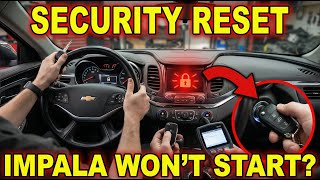
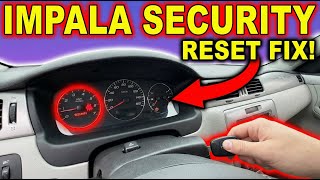
Code B3060 on a 2007-2014 Impala means the car's anti-theft system doesn't recognize your key, causing a no-start and a flashing security light. The most common fix is to perform a 'security relearn procedure' by leaving the key in the 'ON' position for 10-15 minutes, which is free. This may need to be repeated three times. If that fails, you may need a new key or, more likely, a new ignition lock cylinder.
- B3060 means your car's anti-theft system has locked you out. This is a very common issue on 2007-2014 Impalas.
- Before spending any money, always try the 10-minute key relearn procedure first; it resolves the issue in many cases and is free.
- If a relearn doesn't work, try a spare key. If the spare works, your primary key is bad.
- If no keys work, the most likely failed part is the ignition lock cylinder assembly, which contains the security sensor.
- Do not get a new key 'duplicated' at a hardware store; a proper key must be cut from your car's VIN to ensure it has the correct mechanical shape.
What's Unique About the 2007-2014 Chevrolet IMPALA

The 2007-2014 Impala uses GM's Passkey III (PK3) transponder-based anti-theft system, which was notoriously sensitive across many GM W-Body models of this era. These systems are well-known for issues where the ignition lock cylinder or the key itself wears out, leading to intermittent communication failures that trigger the security system. While a formal recall (14299) addressed the key physically rotating out of the 'run' position, this separate electronic fault, B3060, remains one of the most common reasons for a no-start condition on these vehicles.
Diagnostic Flowchart
Tap your situation to follow the diagnostic path that matches what you're seeing on this vehicle.
Generation note: This year range covers the end of the ninth generation (2006-2013, and as the 'Impala Limited' through 2016) and the start of the tenth generation (2014-2020). The anti-theft system principles are similar, and this fault is common on both generations within this timeframe. The 2014 'Impala Limited' was a carryover of the 9th generation, while the new 10th generation 'Impala' was also released. Both use a similar immobilizer system.
Symptoms You May Notice
- Engine does not crank or start.
- Engine starts briefly then immediately stalls.
- Flashing or solid 'Security' light on the instrument cluster.
- Key is difficult to turn or gets stuck in the ignition.
- The 30-minute security relearn procedure works, but the problem returns days or weeks later.
- Replacing the battery. While a low battery can cause security issues, if the security light is flashing, the primary problem is the anti-theft system, not necessarily the battery's state of charge.
- Replacing the starter. A bad starter will typically result in a 'click' or no sound, but it will not cause the security light to flash.
Most Likely Causes

- Worn or Defective Ignition Key 🔴 High Probability The transponder chip embedded in the key head can fail over time, or the metal key blade can wear down, causing misalignment in the ignition cylinder.
How to confirm: Try starting the vehicle with a spare key. If the spare key works consistently, the original key is the problem. A locksmith can also test the transponder chip in the key.
Typical fix: Replace the faulty key. It is critical to get a new key cut from the vehicle's VIN at a dealership or qualified locksmith, not duplicated from the worn key. The new key must then be programmed to the vehicle using the relearn procedure.
Est. part cost: $30-$80 - Failed Ignition Lock Cylinder / Passlock Sensor 🔴 High Probability The sensor (exciter coil) that reads the key's transponder is integrated with the ignition lock cylinder. This component is a very common failure point on GM vehicles of this era due to wear and tear from key rotation and internal wiring fatigue.
How to confirm: If the security relearn procedure fails, provides only a temporary fix, or multiple known-good keys do not work, the lock cylinder/sensor assembly is the most likely culprit.
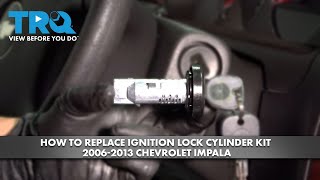
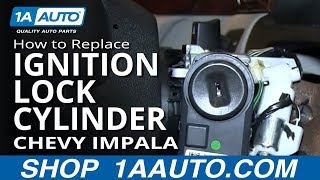
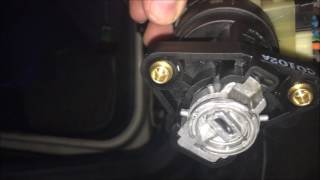
Typical fix: Replace the ignition lock cylinder and perform the 30-minute key relearn procedure. This is a common DIY repair with many video guides available. 🎬 See this step-by-step ignition lock cylinder replacement walkthrough.
Est. part cost: $50-$150 - Security System Lockout (Needs Relearn) 🟡 Medium Probability The security system can enter a lockout state after a momentary communication glitch, a weak battery, or a failed start attempt. This is the system's default protective state.
How to confirm: The vehicle won't start and the security light is flashing. This is the default state before attempting a relearn.
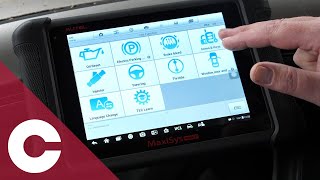
Typical fix: Perform the 30-minute security relearn procedure. It consists of three 10-minute cycles: 🎬 Watch: A professional guide to the GM relearn procedure. 1) Turn key to 'ON' (run position) and wait ~10 minutes until the security light stops flashing and turns solid or off. 2) Turn key 'OFF' for 10-20 seconds. 3) Repeat steps 1 and 2 two more times. On the third cycle, the car should start.
Est. part cost: $0 - Radio Frequency (RF) Interference ⚪ Low Probability The immobilizer system operates at a low frequency and can be disrupted by other electronic devices, as noted in GM TSB PIC5650.
How to confirm: The vehicle fails to start, but then starts normally after removing other keys, fobs, toll passes, or electronic devices from the keychain or near the ignition.
Typical fix: Remove any potential sources of RF interference from the keychain and keep them away from the ignition cylinder when starting the car.
Est. part cost: $0
Rare But Worth Checking
- Faulty Body Control Module (BCM): A failing BCM can cause a wide range of electrical issues, including immobilizer faults. This is less common but should be considered if other diagnostics fail and multiple unrelated electrical problems are present, such as PRNDL display failure or key getting stuck.
- Damaged Wiring: The wires leading from the ignition lock cylinder to the Theft Deterrent Module or BCM can become frayed or damaged within the steering column, causing an intermittent connection. In some cases, owners have bypassed the Passlock system by cutting and splicing specific wires as a last resort. 🎬 Watch: How to perform a DIY security system bypass hack.
Diagnosis Steps
- Check for RF interference. Remove all other fobs and electronics from the key ring and try again.
- Attempt to start the vehicle with a known-good spare key.
- If the car doesn't start, perform the 30-minute security relearn procedure: Turn the key to the 'ON' position and wait 10-15 minutes for the security light to go out or stop flashing. Turn the key off for 20 seconds. Repeat this cycle a total of three times. Then, attempt to start the engine.
- If the relearn procedure fails or only works temporarily, inspect the ignition key for excessive wear. If worn, obtain a new key cut by VIN from a dealer or locksmith.
- If a new key and relearn procedure do not solve the issue, the ignition lock cylinder/Passlock sensor is the most likely failed component and should be tested or replaced.
- If problems persist, a professional diagnosis of the wiring, Theft Deterrent Module, and Body Control Module (BCM) is required.
Parts You'll Likely Need

- Ignition Key with Transponder — The original key's internal transponder chip fails or the key becomes too worn to be read correctly.
Trusted brands: ACDelco, Strattec
OEM price range: $40-$80
Aftermarket price range: $20-$50 - Ignition Lock Cylinder with Sensor
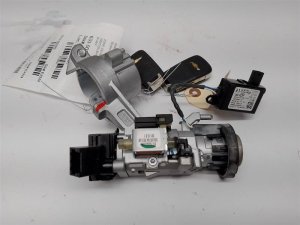
(OEM #ACDelco D1432D (replaces 22670487))— This assembly contains the sensor (exciter coil) that reads the key. It is a very common failure point that prevents the key from being recognized.
Trusted brands: ACDelco (GM Original Equipment), Dorman (e.g., 924-719), Standard Motor Products
OEM price range: $100-$180
Aftermarket price range: $50-$120
Related Codes That Often Appear With This One
- B3055 — This code relates to a problem with the transponder key itself. It is often set along with B3060 as part of the same security system fault event.
- B3935 — This is another transponder-related code that can appear with B3060 during a security system failure, as noted in GM technical service bulletins.
Technical Service Bulletins (TSBs) & Recalls
- PIC5650M: Addresses intermittent no crank/no start with security light on and DTCs B3055, B3060, or B3935. It advises technicians to check for Radio Frequency Interference (RFI) from devices like toll passes or other key fobs on the keychain as a primary diagnostic step.
- Engineering Information PIE0253: An internal bulletin where GM Engineering requested field data on vehicles with B3055, B3060, or B3935 to determine the root cause, indicating it was a widespread and difficult-to-diagnose issue.
Platform-Specific Known Issues
- This model range was subject to GM Recall 14299 for unintended ignition key rotation, where the switch could be bumped out of the 'run' position, causing the engine to stall. While a different root cause, the symptom (stalling) can be confused with a security fault.
- The Passlock security system used in these vehicles is widely known for its high failure rate, making a no-start with a security light a very common complaint among owners.
Mechanic-Grade Diagnostic Values
- Passlock Sensor Signal Voltage — expected: Approximately 5 volts with key on, dropping to a specific, consistent voltage (one of 10 possible values) as the key is rotated to 'Start'.. Failure: Voltage does not drop, or drops to an inconsistent or zero-volt reading, indicating a failed sensor or broken wire.
- CAN Bus Termination Resistance — expected: Approximately 60 Ohms when measured between Pin 6 and Pin 14 of the Data Link Connector (DLC) with the battery disconnected.. Failure: A reading of 120 Ohms indicates an open in the CAN bus network, possibly a disconnected module (like the BCM or PSCM) or a broken wire. A reading near 0 Ohms indicates a short between the high and low speed lines.
Scan Tool Commands That Help
- GM Tech 2 / GDS2: Immobilizer Data / Theft Deterrent Data — To view the state of the security system, see which key codes are being received, and check the status of the TDM and its communication with the BCM/ECM. This is a primary step before attempting component replacement.
- GM Tech 2 / GDS2: PK3/Passkey III Relearn — To initiate the automated 10-minute or 30-minute relearn procedure after replacing a key, TDM, or BCM. The scan tool guides the technician through the process.
- GM Tech 2 / GDS2: Body Control Module (BCM) Setup/Programming — Required when a new BCM is installed. The new module must be programmed with the vehicle's specific options and VIN, and then the keys must be relearned to the new BCM.
Wiring & Ground Locations
- BCM (Body Control Module) — Under the driver's side dash, to the left of the steering column.. The BCM is a central hub for the security system. It communicates with the Theft Deterrent Module (TDM) and enables/disables vehicle functions. A poor connection or faulty BCM can directly cause B3060.
- TDM (Theft Deterrent Module) — Located on the ignition key cylinder housing itself, inside the steering column covers.. This module contains the exciter coil that reads the key's transponder chip. It is the primary sensor for the Passkey III system.
- G201 / G202 — Ground pack located on the left side of the dash, behind the kick panel.. This is a major ground point for many interior modules, including the BCM, Instrument Panel Cluster (IPC), and the Data Link Connector (DLC). A loose or corroded G201/G202 can cause intermittent communication and security issues.
- Ignition Switch Connector — On the steering column, accessed by removing the lower dash panel.. The wiring from the TDM/Passlock sensor runs through this connector. The small signal wires (often yellow and black) can fray or the pins can lose tension here, causing an intermittent signal loss that triggers B3060.
Real Owner Repair Stories
- YouTube user 'GASDIESEL GARAGE' (GM Vehicle with Passlock II system (similar principle to PK3)) — No start, security light flashing.
❌ Tried (didn't work) Replacing the key, Performing the security relearn procedure (only worked temporarily)
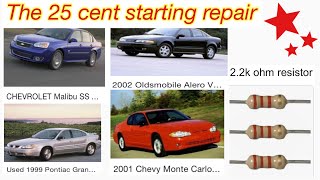
✅ What actually fixed it The Passlock sensor in the ignition cylinder had failed. The owner permanently bypassed the system by cutting the yellow signal wire and the black ground wire at the ignition switch connector and soldering in a 2.2K Ohm resistor between them. This tricks the BCM into thinking it's always receiving the correct signal. After installing the resistor, a final 10-minute relearn procedure was performed to sync the BCM to the new fixed resistance value.
OEM Part Supersession History
22670487→ACDelco D1432D— Standard part lifecycle replacement and potential minor revisions for durability.
Heads up: While D1432D is the correct service part for many GM models, its application for the 2007-2014 Impala is specific. Fitment guides show it primarily for Impalas up to 2005. The correct part for the 2007-2013 generation is a different design integrated with the lock cylinder. This highlights the importance of verifying part numbers by VIN, as D1432D is an ignition *switch*, not the lock cylinder/sensor assembly which is the more common failure.
Model Year Variations Within This Range
- 2014: In 2014, Chevrolet sold two different Impalas. The 'Impala Limited' was a carryover of the 9th generation platform (2006-2013) and has the well-documented Passkey III issues. The all-new 10th generation 'Impala' was also introduced, which uses a more modern immobilizer system. While the principle is the same (transponder key), the physical components and modules are different. It is critical to distinguish between an 'Impala' and an 'Impala Limited' for the 2014 model year when ordering parts.
Helpful Videos

We Have This Part in Stock



The information in this article is provided for general reference and educational purposes only. Vehicle specifications, procedures, and part compatibility can vary by production date, trim level, and region. Always consult your vehicle's factory service manual and verify part numbers before purchasing or performing repairs. Safety-critical components such as airbags, seat belts, and braking systems should be installed by a qualified professional.
- Chevrolet IMPALA:
- 🎬 Helpful Videos
- 🛍️ Shop This Part
- What's Unique About the 2007-2014 Chevrolet IMPALA
- Diagnostic Flowchart
- Symptoms You May Notice
- Most Likely Causes
- Rare But Worth Checking
- Diagnosis Steps
- Parts You'll Likely Need
- Related Codes That Often Appear With This One
- Technical Service Bulletins (TSBs) & Recalls
- Platform-Specific Known Issues
- Mechanic-Grade Diagnostic Values
- Scan Tool Commands That Help
- Wiring & Ground Locations
- Real Owner Repair Stories
- OEM Part Supersession History
- Model Year Variations Within This Range
- 🎟️ Get 5% Off