

B3060 on 2017-2021 Chevrolet Express: Security System Fault, Causes, and Fixes
Code B3060 on a 2017-2021 Chevy Express means the van's anti-theft system doesn't recognize the key, causing a no-start or start-and-stall condition. The most common fix is performing a 30-minute key relearn procedure. If that fails, the ignition lock cylinder, which contains the key reader, is the most likely part to have failed. This issue is also common on its direct platform mate, the GMC Savana.
- B3060 means your van's security system has locked you out because it doesn't recognize the key. The engine is disabled by design.
- Before spending any money, try your spare key. If that doesn't work, attempt the 30-minute key relearn procedure, which is free and often fixes the problem.
- Remove all other keys, fobs, and aftermarket electronics from the keychain to rule out radio frequency (RF) interference, a known issue.
- If a relearn and spare key don't work, the most likely failed part is the ignition lock cylinder, which contains the key's transponder reader.
- Do not mistakenly replace the starter or fuel pump; the security light is the key indicator that the problem is with the anti-theft system.
What's Unique About the 2017-2021 Chevrolet EXPRESS
The Chevrolet Express and its GMC Savana twin have used a variation of the Passkey anti-theft system for many years, making related intermittent no-start issues well-documented in forums and repair databases. A key factor, as noted in multiple revisions of GM bulletin PIC5650, is the vehicle's susceptibility to radio frequency (RF) interference from aftermarket accessories like phone chargers, LED lights, or even other RFID fobs on the keychain, which can mimic a component failure.
Diagnostic Flowchart
Tap your situation to follow the diagnostic path that matches what you're seeing on this vehicle.
Symptoms You May Notice
- Engine will not crank
- Engine starts and immediately stalls
- Flashing or solid 'Security' light on the instrument cluster. The light may stay on for ~10 minutes during a relearn cycle before turning off.
- Intermittent no-start condition that may worsen over time.
- Message on Driver Information Center (DIC) such as 'Start disabled due to theft'.
- Replacing the starter motor because of a no-crank symptom.
- Replacing the fuel pump because the engine starts and stalls.
- Replacing the main vehicle battery without confirming it has failed (though a low battery can cause the initial problem).
Most Likely Causes
- Key Has Lost Programming / System Glitch 🔴 High Probability This can happen due to low battery voltage during cranking, RF interference, or an intermittent connection, causing the BCM to lose sync with the key. This is a very common occurrence after a battery change or jump-start.
How to confirm: The 30-minute relearn procedure successfully resolves the issue, and the vehicle starts and runs normally afterward. This is a widely documented fix in owner forums and repair manuals.
Typical fix: Perform the 30-minute manual key relearn procedure. This involves turning the key to 'ON' (engine off), waiting about 10 minutes for the security light to turn off, turning the key 'OFF' for 5-10 seconds, and repeating this for a total of three 10-minute cycles. A battery charger is recommended during this process to ensure consistent voltage.
Est. part cost: $0 - Faulty or Damaged Ignition Key 🟡 Medium Probability The transponder chip embedded in the key head can be damaged by drops, water, or simply fail over time. Work vans often see keys subjected to rougher handling, increasing failure rates.
How to confirm: Attempt to start the vehicle with a known-good spare key. If the spare key works consistently, the original key is faulty.
Typical fix: Replace the faulty key. A new key must be cut and then programmed to the vehicle. If you have one working key, you can often program a new key yourself. If all keys are lost, the 30-minute relearn procedure is required.
Est. part cost: $30-$80 - Faulty Ignition Lock Cylinder / Transponder Reader 🟡 Medium Probability The transponder reader (exciter coil) is integrated into the ignition lock cylinder assembly (also called the ignition lock housing). Constant use, temperature cycles, and vibration can cause this coil or its wiring to fail, preventing it from reading the key chip. This is a very common failure point on GM vans.
How to confirm: If a relearn procedure fails and multiple known-good keys also fail to start the vehicle, the reader coil is the next most likely culprit. A mechanic can also use a scan tool to monitor the key signal data.
Typical fix: Replace the ignition lock cylinder assembly. After replacement, the security system must be relearned to the vehicle using the 30-minute procedure.
Est. part cost: $60-$180 - Radio Frequency (RF) Interference ⚪ Low Probability As cited in GM TSB PIC5650M, aftermarket devices like USB chargers, LED lights, or even other RFID cards on the keychain can disrupt the 125 kHz signal between the key and the reader. Specific culprits mentioned in the bulletin include aftermarket LED dome lights, certain cell phone chargers, and even building access cards on the same keyring.
How to confirm: Remove all other keys, fobs, and electronic devices from the keychain. Unplug any aftermarket chargers or accessories from the van's power outlets. If the vehicle starts, RF interference was the cause.
Typical fix: Isolate the source of the interference and remove it. Use high-quality, shielded electronic accessories and keep other RFID-enabled cards or fobs separate from the ignition key.
Est. part cost: $0
Rare But Worth Checking
- Faulty Body Control Module (BCM): While less common, a BCM failure can cause this code. This should only be considered after all other possibilities (key, reader, wiring) have been ruled out, as it's an expensive repair that requires professional programming. A failing BCM often causes multiple, unrelated electrical problems.
- Damaged Wiring or Poor Ground: The wiring between the ignition lock cylinder and the BCM can become chafed, broken, or corroded under the dash, especially near the steering column or brake pedal. A poor ground connection for the BCM can also cause intermittent security faults and other strange electrical behavior.
Diagnosis Steps
- Verify the complaint: Confirm the no-start/start-stall condition and check for a flashing or solid security light.
- Scan for Codes: Use an OBD-II scanner capable of reading Body (B) codes to confirm B3060 and any related codes like B3055 or B3935.
- Check for RF Interference: Per TSB PIC5650M, remove all other keys, fobs, toll passes, and electronic devices from the keychain and unplug any aftermarket accessories (e.g., phone chargers, LED lights). Try starting again.
- Try a Spare Key: Attempt to start the van with a different, known-good key. If it starts, the original key is the problem.
- Check Battery Voltage: Ensure the vehicle battery is fully charged (above 12.4V) and terminals are clean. A low battery can cause security module glitches.
- Attempt Key Relearn Procedure: Perform the 30-minute, 3-cycle relearn procedure. This is the most common fix for a software glitch and is detailed in many GM service documents.
- Inspect Wiring: Visually inspect the wiring and connector at the ignition lock cylinder and under the driver's side dash for any signs of damage, chafing, or loose connections.
- Test Components: If the above steps fail, a professional will need to use a multimeter or advanced scan tool to test the circuits for the transponder reader and diagnose the BCM.
Parts You'll Likely Need
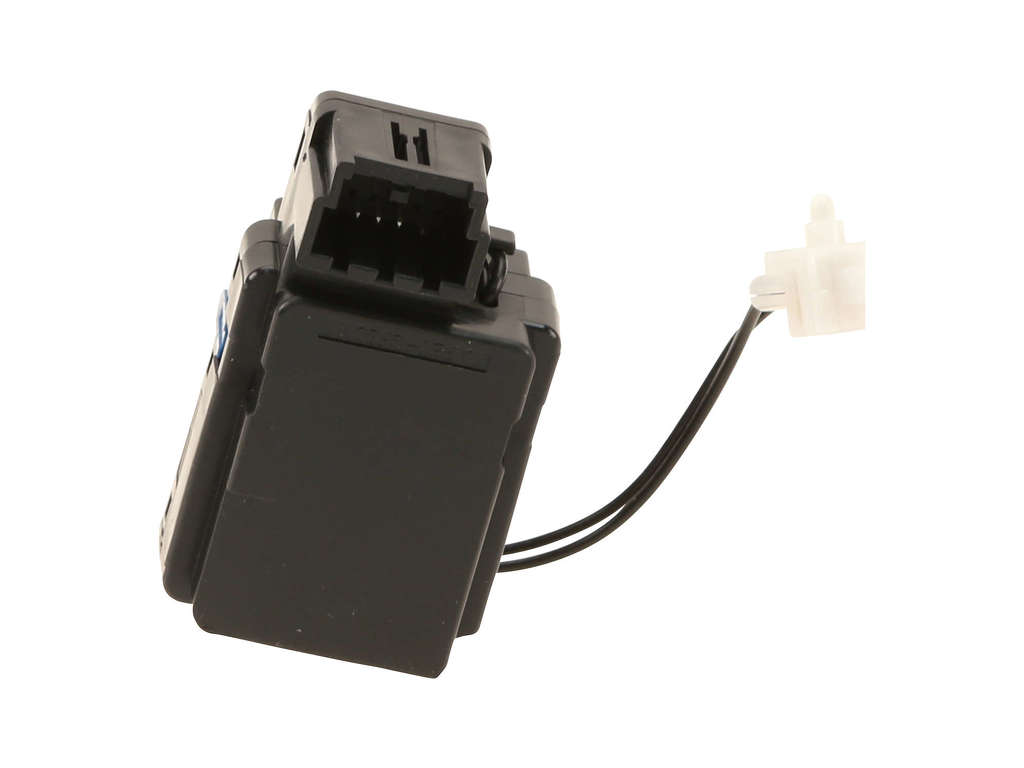
- Ignition Lock Cylinder
(OEM #D1462G)— This assembly, also called the ignition lock housing, contains the transponder reader coil (Passkey sensor), which is the most common hardware failure point for this code. It wears out over time, preventing the key from being read. This part is validated as a genuine GM part.
Trusted brands: ACDelco, Standard Motor Products, Dorman
OEM price range: $100-$180
Aftermarket price range: $60-$120 - Transponder Ignition Key
(OEM #B111-PT)— If the issue is isolated to a single key (confirmed by a spare key working), the transponder chip in the original key has failed. The B111-PT is a common blank for this application.
Trusted brands: ACDelco, Strattec
OEM price range: $40-$80
Aftermarket price range: $25-$50
Related Codes That Often Appear With This One
- B3055 — This code means 'No Transponder Modulation,' indicating the system received no signal from the key at all. It often appears with B3060 and points to the same set of problems, as confirmed in TSB PIC5650M.
- B3935 — This code means 'Transponder Authentication Failed.' It can set alongside B3060 when there's a communication error during the key's security check with the van, also mentioned in TSB PIC5650M.
- B3031 — This code indicates the BCM is in learn mode but is not seeing a valid Passlock sensor code, which can occur during a failed relearn attempt.
Technical Service Bulletins (TSBs) & Recalls
- PIC5650M: Addresses intermittent no crank, no start, or start stall with security light on, associated with B3060 and other codes, advising checks for RF interference.
Platform-Specific Known Issues
- Per TSB #PIC5650M, an intermittent no crank, no start, or start/stall with the security light on can be caused by this code. The bulletin advises checking for RF interference from a long list of potential sources (aftermarket LEDs, phone chargers, other fobs) before replacing parts.
- A real-world repair story on a similar GM van platform highlighted a broken Red/White power wire under the dash near the brake pedal as the root cause after replacing the key and fuse box did not work, emphasizing the need to check wiring.
Hidden / Shadow Codes Worth Checking
- Symptom Byte: GM uses symptom bytes, which are 2-digit hex codes that appear after the main DTC on a dealer-level scanner like GDS2. For security codes like B3060, these can specify the failure type, such as '02' for short to ground, '04' for open circuit, or '5A' for plausibility failure (e.g., signal not logical). This helps differentiate a wiring problem from a component failure. (see via GM GDS2 or Tech2Win software connected to the vehicle.)
Scan Tool Commands That Help
- GDS2 / Tech2Win: Immobilizer Learn — This function is used within the Body Control Module (BCM) or Theft Deterrent Module (TDM) menu to program new keys or relearn existing components after replacement (e.g., new BCM, new ignition lock cylinder). It initiates a 10-12 minute security access procedure controlled by the scan tool, which is the professional alternative to the 30-minute manual relearn.
- GDS2 / Tech2Win: Add/Replace Key Fobs — Found in the 'Remote Control Door Lock Receiver' module, this is used for programming the remote (lock/unlock) functions of the key, which is a separate procedure from programming the immobilizer transponder chip for starting the engine.
Wiring & Ground Locations
- BCM (Body Control Module) — Located behind the lower right side of the dashboard, to the right of the glove box.. The BCM contains the logic for the Passkey III+ immobilizer system. All signals from the key transponder are sent here for validation. A bad connection at the BCM or an internal failure can directly cause B3060.
- BCM Connector X1 — The 27-way light green connector on the BCM.. This connector contains the primary wiring for the Passkey system. Specifically, Pin 4 (White wire) is the signal from the Passkey sensor, and Pin 2 (Pink wire) is a power feed. Probing or testing these wires is a key step in diagnosing a wiring fault between the ignition lock cylinder and the BCM.
- G302 — Located behind the left (driver's side) kick panel.. This is a major interior ground point. A loose or corroded connection at G302 can cause intermittent issues with modules grounded here, including the BCM, leading to security faults.
- G103 — On the right rear of the engine block (on V8 models).. This is a primary engine-to-chassis ground. While less likely to cause a B3060 code alone, a poor connection here can create voltage discrepancies and communication errors between the ECM and BCM, potentially contributing to security system malfunctions.
Real Owner Repair Stories
- YouTube channel 'Car Lab' (2014 GMC Savana (platform mate)) — Crank but no start, security light flashing, code B3060 present.
❌ Tried (didn't work) Replacing the ignition switch/lock cylinder assembly, Performing the 30-minute manual relearn procedure multiple times
✅ What actually fixed it The Body Control Module (BCM) was faulty. The issue was resolved by replacing the BCM and programming the new module to the vehicle using GM's SPS2 software.
OEM Part Supersession History
22820314, 22915542→84922494— Standard part evolution for bug fixes, hardware updates, or supplier changes.
Heads up: BCM part numbers are specific to VIN and installed options. While a newer part number may supersede an older one, it must be programmed with the vehicle's specific VIN and configuration using GM's SPS2 software to function correctly.
Model Year Variations Within This Range
- 2013-2021: The Body Control Module (BCM) part number 22820314 (and its direct replacement 22915542) is listed for the 2013-2021 Express models. While the Passkey III+ system functions similarly across the 2017-2021 range, software updates within the BCM may have occurred. Always program a replacement BCM with the latest GM software for the specific VIN.
Helpful Videos
Used OEM Parts in Stock


New Aftermarket Parts Available

The information in this article is provided for general reference and educational purposes only. Vehicle specifications, procedures, and part compatibility can vary by production date, trim level, and region. Always consult your vehicle's factory service manual and verify part numbers before purchasing or performing repairs. Safety-critical components such as airbags, seat belts, and braking systems should be installed by a qualified professional.
- Chevrolet EXPRESS:
- 🎬 Helpful Videos
- 🛍️ Shop This Part
- What's Unique About the 2017-2021 Chevrolet EXPRESS
- Diagnostic Flowchart
- Symptoms You May Notice
- Most Likely Causes
- Rare But Worth Checking
- Diagnosis Steps
- Parts You'll Likely Need
- Related Codes That Often Appear With This One
- Technical Service Bulletins (TSBs) & Recalls
- Platform-Specific Known Issues
- Hidden / Shadow Codes Worth Checking
- Scan Tool Commands That Help
- Wiring & Ground Locations
- Real Owner Repair Stories
- OEM Part Supersession History
- Model Year Variations Within This Range
- 🎟️ Get 5% Off