

B3060 on 2012-2016 Chevrolet Express: Causes and Fixes for No-Start Issues
Code B3060 on a 2012-2016 Chevy Express means the anti-theft system, specifically the Passkey III transponder system, doesn't recognize the ignition key. This causes a no-start or start-and-stall condition with the security light on. The most common fix is replacing the ignition lock cylinder assembly, which contains the sensor, and performing a 30-minute key relearn procedure.
- B3060 means your van's security system has locked you out due to a key recognition failure.
- Do not immediately replace the starter or fuel pump; the issue is almost always electronic and related to the anti-theft system.
- Before attempting costly repairs, try using a spare key and perform the 30-minute key relearn procedure.
- The most probable hardware failure is the ignition lock cylinder assembly, which contains the Passlock sensor.
- Due to the security programming involved, this repair may require professional service if the basic relearn procedure doesn't work.
What's Unique About the 2012-2016 Chevrolet EXPRESS
The GM Passkey III system used in this generation of Express and GMC Savana vans is known for issues related to the ignition lock cylinder and its internal sensor/exciter coil. Over time, wear and tear on the lock cylinder or failure of the electronics can lead to intermittent signal loss, causing a no-start condition even with a valid key. A Technical Service Bulletin, PIC5650M, specifically mentions B3060 in relation to intermittent no-crank, no-start, or start-stall concerns with the security light on, confirming this is a recognized issue by the manufacturer 🎬 Watch: Why your Chevy Express won't start and how to fix it across many GM models.
Diagnostic Flowchart
Tap your situation to follow the diagnostic path that matches what you're seeing on this vehicle.
Symptoms You May Notice
- Engine will not crank or start.
- Engine starts briefly and then immediately stalls.
- Security light is illuminated or flashing on the dashboard.
- "Service Theft Deterrent System" message may appear on the driver information center.
- Reduced Engine Power message may appear in some related fault scenarios.
- Replacing the starter motor when the engine doesn't crank.
- Replacing the fuel pump when the engine starts and stalls (the fuel pump is correctly being disabled by the security system).
- Replacing the battery without addressing the underlying security system fault, although a very low battery can sometimes trigger the relearn procedure.
Most Likely Causes
- Faulty Ignition Lock Cylinder / Passkey Sensor 🔴 High Probability The Passkey sensor (exciter coil) is integrated into the ignition lock cylinder housing. This component is a very common failure point on GM vehicles of this era due to electronic failure or wear from repeated key use, leading to an inability to energize or read the key's transponder.
How to confirm: A mechanic can use a scan tool to monitor the TDM/BCM data for a valid key signal. If no signal is detected from a known-good key, the lock cylinder assembly is the likely culprit. Visual inspection of the wiring at the back of the cylinder is also recommended.
Typical fix: Replace the ignition lock cylinder housing assembly. The most common OEM part is ACDelco D1462G. A 30-minute key relearn procedure is required after replacement.
Est. part cost: $60-$150 - Using an Unprogrammed or Damaged Key 🟡 Medium Probability
How to confirm: Try starting the vehicle with a spare, known-good key. If the vehicle starts with the spare key, the original key's internal transponder chip is faulty or damaged.
Typical fix: Obtain a new key (GM part B111-PT is a common blank) and have it cut. Then, perform the 30-minute relearn procedure to program the new key to the vehicle.
Est. part cost: $50-$200 - Radio Frequency (RF) Interference ⚪ Low Probability Other electronic devices on the keychain, such as other car fobs, gate openers, or even some store loyalty cards, can operate on a frequency (around 125 kHz) that interferes with the signal between the key's transponder and the vehicle's antenna.
How to confirm: Remove all other keys, fobs, and electronic devices from the keychain. Try starting the vehicle with the bare Chevrolet key. If it starts, RF interference was the issue.
Typical fix: Keep other RFID devices and key fobs separate from the vehicle's ignition key. TSB PIC5650 series repeatedly advises checking for this issue first.
Est. part cost: $0 - Faulty Wiring or Connectors ⚪ Low Probability
How to confirm: Inspect the wiring harness and connector at the back of the ignition lock cylinder and where it connects to the BCM. Look for any visible damage, corrosion, chafing, or loose connections. In some Express vans, wires in the engine bay have been found to chafe against the frame, causing intermittent electrical shorts that can trigger security system faults.
Typical fix: Repair or replace the damaged section of the wiring harness and secure it to prevent future damage.
Est. part cost: $10-$100
Rare But Worth Checking
- Failed Body Control Module (BCM) or Theft Deterrent Module (TDM): This is the least likely cause and should only be considered after all other possibilities have been exhausted. A failed module will require replacement and programming by a dealer or qualified shop with GM-specific software. A failed BCM can cause other strange electrical issues, like wipers not turning off.
Diagnosis Steps
- Verify the complaint: Check for a no-start/start-stall condition and an illuminated or flashing security light.
- Scan for codes: Use an OBD-II scanner capable of reading B-codes (Body codes) to confirm B3060 and any other related DTCs like B3055 or P1626.
- Test with a spare key: Attempt to start the vehicle with a different, known-good key. If it starts, the primary key is the issue.
- Check for RF interference: Remove all other fobs and electronic devices from the keychain and try starting again. This is a common cause of intermittent issues.
- Attempt Key Relearn Procedure: Try the 30-minute relearn procedure. Ensure the battery is fully charged or connected to a charger. 1. Turn the key to 'ON' (do not start). The security light should be on. 2. Wait approximately 10 minutes until the security light turns off. 3. Turn the key 'OFF' for 5-10 seconds. 4. Repeat steps 1-3 two more times for a total of three 10-minute cycles. 5. After the third cycle, turn the key off, then the vehicle should start and the key will be relearned.
- Inspect Ignition Cylinder Wiring: Visually inspect the wires leading from the ignition lock cylinder down the steering column for any signs of damage, chafing, or poor connections.
- Test Passlock Sensor: This is difficult without a proper scan tool. A technician would check for a valid key signal in the BCM/TDM data stream.
- Diagnose BCM/TDM: If all other steps fail, the Body Control Module or Theft Deterrent Module may need to be professionally diagnosed and possibly replaced and programmed.
Parts You'll Likely Need
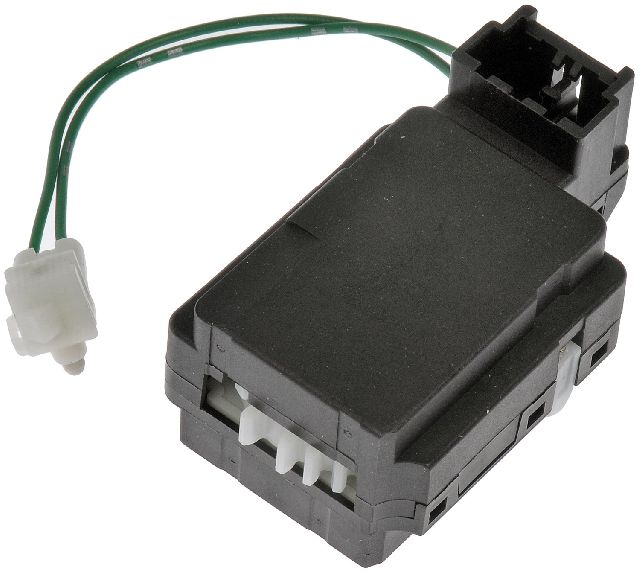
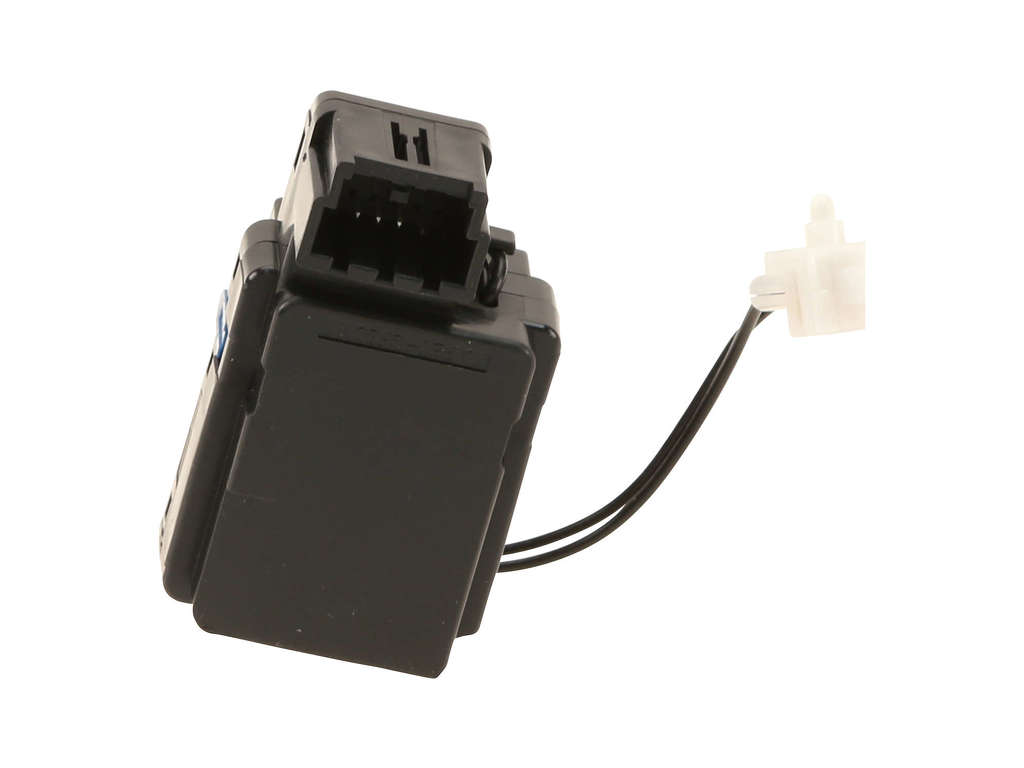
- Ignition Lock Cylinder with Passlock Sensor
(OEM #ACDelco D1462G)— This is the most frequent point of failure for the GM Passkey III system, causing code B3060. The internal sensor/exciter coil fails, preventing it from reading the key's transponder chip.
Trusted brands: ACDelco (GM Genuine Part), Standard Motor Products
OEM price range: $100-$180
Aftermarket price range: $60-$120 - Transponder Key
(OEM #B111-PT (Key Blank))— If the chip inside the key is damaged or has failed, it will not send the correct code to the vehicle's security system. This is confirmed by testing a spare key.
Trusted brands: ACDelco, Strattec
OEM price range: $70-$150
Aftermarket price range: $40-$80
Related Codes That Often Appear With This One
- B3055 — This code, 'No Transponder Modulation or No Transponder,' indicates the TDM received no signal at all, often set alongside B3060 when the lock cylinder fails.
- B3935 — Another transponder-related code that can appear when there is an issue with the Passkey system, also mentioned in TSBs PIC5650 and PIE0232.
- P1626 — This powertrain code indicates that the ECM/PCM did not receive the correct fuel enable signal from the theft deterrent system, which is a direct result of the B-code fault.
- B2960 — A related code for 'Security System Sensor Data Incorrect but Valid', which can appear with Passlock issues.
Technical Service Bulletins (TSBs) & Recalls
- PIC5650M: Mentions intermittent no crank, no start, or start stall with security light on, and lists DTC B3060 as a potential code. It advises checking for Radio Frequency Interference (RFI) from aftermarket devices as a primary diagnostic step.
- PIE0232: An earlier engineering information bulletin for similar GM trucks regarding a no-crank/no-start with security light on and DTCs B3055, B3060, or B3935, showing GM was investigating the root cause as early as 2012.
Platform-Specific Known Issues
- The GM Passlock/Passkey system in this era of Express vans is widely documented in owner forums and by mechanics as a common source of no-start problems.
- A user on ChevroletForum.com described replacing the cylinder but not needing a relearn, which is unusual, but then had other electrical issues pointing to the ignition switch itself being a separate potential problem.
- A YouTube video demonstrates the 30-minute relearn procedure on a 2013 GMC Savana (a direct platform mate) after the battery died, which successfully resolved the 'Service Theft Deterrent System' message.
Scan Tool Commands That Help
- GDS2 (GM Global Diagnostic System 2): Immobilizer Learn / Key Programming — Used after replacing the BCM or when adding new keys. This function guides the technician through the key relearn process, which is required for the BCM to recognize the transponder codes of the keys.
- GDS2 (GM Global Diagnostic System 2): TDM Data Display (Theft Deterrent Module) — To diagnose the fault, a technician can monitor the 'Valid Key' parameter. When a known-good key is turned in the ignition, this parameter should read 'Yes'. If it reads 'No' or is intermittent, it points towards a failure in the key, the exciter coil (in the lock cylinder), or the wiring.
- GDS2 (GM Global Diagnostic System 2): Clear DTCs — After a repair is completed (e.g., ignition cylinder replacement and successful relearn), the B3060 code and other related codes should be cleared from all modules.
Wiring & Ground Locations
- BCM (Body Control Module) — Located behind the lower right side of the dashboard, to the right of the glove box.. The BCM houses the theft deterrent logic for the Passkey III system. All signals from the ignition key's transponder are processed here. Poor connections or a faulty BCM can directly cause B3060.
- BCM Connector X1 — This is one of the seven connectors on the BCM.. Pin 4 (White wire) and Pin 2 (Pink wire) are related to the Passkey system signals. Probing these wires can help diagnose issues between the lock cylinder and the BCM.
- G302 — Located behind the left kick panel.. This is a major ground point for several instrument panel components, including the BCM. A loose or corroded G302 can cause a host of intermittent electrical issues, including security system faults.
- G103 — On the right rear of the engine (for 5.3L V8).. This is a primary engine and BCM ground. A poor connection here can cause voltage discrepancies that may trigger various DTCs, including those related to the security system.
- Ignition Switch Harness Connector — Connects to the back of the ignition lock cylinder housing within the steering column.. This connector and its associated wiring are common points of failure due to stress from the tilting/telescoping steering column and repeated key rotation. Damage here will interrupt the signal from the key transponder.
Real Owner Repair Stories
- YouTube video from 'Car Lab' (2014 GMC Savana (platform mate)) — Crank no start, security light flashing.
❌ Tried (didn't work) Replacing the ignition switch/lock cylinder., Performing the 30-minute relearn procedure multiple times.
✅ What actually fixed it The Body Control Module (BCM) was faulty. Replacing the BCM and programming it with GM's SPS2 software resolved the no-start condition and cleared the B3060 code. - YouTube video from 'TuneNgoon' (Chevy Express Van (year not specified, but same generation)) — Crank no start, security light flashing.
❌ Tried (didn't work) Multiple attempts at the key relearn procedure.
✅ What actually fixed it The owner ultimately resolved the issue permanently by replacing the original ECM with a new one that had the immobilizer program (VATS) deleted from its software. This bypasses the security check entirely.
When the Usual Fixes Don't Work
- While the most common cause of B3060 is a failed ignition lock cylinder, there are documented cases where this repair does not solve the problem. In one instance involving a 2014 GMC Savana, the owner replaced the ignition cylinder and performed the relearn procedure, but the no-start condition persisted. The ultimate fix was replacing and reprogramming the Body Control Module (BCM), which had failed internally. This indicates that if a new lock cylinder and key relearn do not work, the BCM itself should be the next component to be professionally diagnosed.
OEM Part Supersession History
15795321→ACDelco D1462G— Standard part number update and consolidation by GM/ACDelco.
Heads up: D1462G is the correct housing for vehicles with the Passkey III system. Ensure you are not buying a part for the older Passlock system, which looks similar but is functionally different.
Helpful Videos
Used OEM Parts in Stock

New Aftermarket Parts Available


The information in this article is provided for general reference and educational purposes only. Vehicle specifications, procedures, and part compatibility can vary by production date, trim level, and region. Always consult your vehicle's factory service manual and verify part numbers before purchasing or performing repairs. Safety-critical components such as airbags, seat belts, and braking systems should be installed by a qualified professional.
- Chevrolet EXPRESS:
- 🎬 Helpful Videos
- 🛍️ Shop This Part
- What's Unique About the 2012-2016 Chevrolet EXPRESS
- Diagnostic Flowchart
- Symptoms You May Notice
- Most Likely Causes
- Rare But Worth Checking
- Diagnosis Steps
- Parts You'll Likely Need
- Related Codes That Often Appear With This One
- Technical Service Bulletins (TSBs) & Recalls
- Platform-Specific Known Issues
- Scan Tool Commands That Help
- Wiring & Ground Locations
- Real Owner Repair Stories
- When the Usual Fixes Don't Work
- OEM Part Supersession History
- 🎟️ Get 5% Off