

B3060 on 2007-2011 Chevrolet Express: Security System, No-Start Causes and Fixes
This code means your van's security system doesn't recognize the key, causing a no-start. The most common fix is to remove any interfering electronics from your keychain and perform the 30-minute key relearn procedure, which costs nothing. If that fails, a new key and programming may be needed for $100-$250.
- B3060 means your van's anti-theft system has locked you out because it doesn't recognize your key.
- Before spending any money, remove all other fobs and electronics from your keychain and try the free 30-minute key relearn procedure.
- If a relearn doesn't work, try a spare key. If the spare works, the original key is bad.
- If no keys work, the next most likely culprit is the ignition lock cylinder, which contains the sensor that reads the key.
- This is a common issue on these vans and is often fixable with DIY methods without a trip to the dealer.
What's Unique About the 2007-2011 Chevrolet EXPRESS
The Chevrolet Express of this era uses GM's Passkey III (PK3) transponder system. Unlike older Passlock systems that used a magnet in the lock cylinder, this system uses a small RFID chip embedded in the key head that is energized by an exciter coil around the ignition cylinder. The system is known for being sensitive to radio frequency interference (RFI) from aftermarket electronics, an issue GM has addressed in technical service bulletin PIC5650M. Owners often experience a sudden no-start that can sometimes be resolved without replacing any parts by simply performing the 30-minute key relearn procedure. A key difference within this year range is that 2007 models may have a separate Theft Deterrent Module (TDM), while 2008 and newer models integrated the TDM's functions into the Body Control Module (BCM).
Diagnostic Flowchart
Tap your situation to follow the diagnostic path that matches what you're seeing on this vehicle.
Symptoms You May Notice
- Engine will not crank or start
- Engine starts briefly and then immediately stalls (fuel is disabled by the security system)
- Security light is illuminated or flashing on the instrument cluster
- Replacing the battery
- Replacing the starter
- Replacing the fuel pump
Most Likely Causes
- Radio Frequency Interference (RFI) 🔴 High Probability The 125 kHz frequency used by the immobilizer is susceptible to interference from common aftermarket electronics like phone chargers, LED lights, toll passes (like Speedpass), or even other keys with transponders on the same ring. GM TSB PIC5650M specifically calls out this issue as a primary cause for intermittent no-starts with this code.
How to confirm: Remove all other keys, fobs, and electronic devices from the key ring and from the area around the ignition cylinder. Unplug any aftermarket chargers, dash cams, or trailer brake controllers. Attempt to start the vehicle again. If it starts, one of the removed items was the source of interference.
Typical fix: Keep the vehicle's key on a separate ring from other fobs and avoid using 'noisy' aftermarket electronics near the steering column. If an aftermarket device is the cause, replace it with a higher-quality, better-shielded unit.
Est. part cost: $0 - Key Has Lost Programming 🟡 Medium Probability Data corruption in the Theft Deterrent Module (TDM), a weak vehicle battery during a previous start attempt, or an intermittent RFI event can cause the key's learned value to be lost, triggering code B3060.
How to confirm: If removing RFI sources doesn't work, performing the key relearn procedure is the next step. If the procedure is successful and the vehicle starts, the key had lost its programming. A battery charger is recommended during this process to ensure stable voltage.
Typical fix: Perform the GM 30-minute key relearn procedure. This involves three 10-minute cycles of turning the key to 'ON' without starting the engine, waiting for the security light to go out each time.
Est. part cost: $0 - Faulty or Incorrect Ignition Key 🟡 Medium Probability
How to confirm: Try starting the vehicle with a known-good spare key. If the spare key works without issue, the original key's internal transponder chip has failed. A locksmith can also test the transponder chip in the key.
Typical fix: Replace the faulty key. A new key must be cut to match and then programmed to the vehicle using the 30-minute relearn procedure or a locksmith's scan tool.
Est. part cost: $15-$40 for the key blank, plus cutting and programming fees. - Worn or Faulty Ignition Lock Cylinder ⚪ Low Probability The exciter coil that powers and reads the key's transponder chip is housed with the ignition lock cylinder. Over time, the wiring to this coil can break from the repeated rotation of the key, causing an intermittent or total failure to read the key, often setting B3055 and B3060 together.
How to confirm: If multiple known-good keys fail to start the vehicle and the relearn procedure does not work, the issue is likely in the lock cylinder or its wiring. A mechanic can test for continuity at the coil's connector. The resistance of the exciter coil should be low, typically in the 8-12 ohm range. An open or infinite reading indicates a broken wire.
Typical fix: Replace the ignition lock cylinder. Aftermarket brands like Dorman offer replacements (e.g., p/n 924-719) that come with instructions for programming the new keys. After replacement, perform the 30-minute key relearn procedure to sync the new components.
Est. part cost: $90-$140 for the part.
Rare But Worth Checking
- Failing Theft Deterrent Module (TDM) or Body Control Module (BCM): While uncommon, the module that controls the security system can fail, causing a host of erratic electrical issues, including security problems. This is typically diagnosed only after all other possibilities (key, RFI, lock cylinder) have been ruled out. Replacement requires programming with a dealership-level scan tool. A common related code is U0140 (Lost Communication with BCM).
Diagnosis Steps
- Check for TSBs: Note that GM TSB PIC5650M directly addresses this code and its common causes, pointing heavily toward RFI.
- Remove Interference: Take the ignition key off the keychain so it is by itself. Remove any aftermarket phone chargers, power inverters, LED lights, or trailer brake controllers from the vehicle. Try to start the engine. If it works, reintroduce items one by one to find the culprit.
- Try a Spare Key: Attempt to start the vehicle with a second, known-good key. If it starts, the first key is faulty.
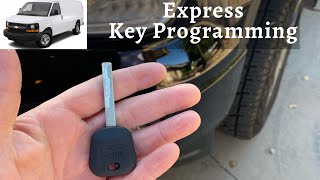
- Perform the 30-Minute Relearn Procedure: Insert the key and turn it to the 'ON' position (do not start). The security light should be on. Wait approximately 10 minutes until the security light turns off. Turn the key off for 5-10 seconds. Repeat this process two more times for a total of three 10-minute cycles. 🎬 See this video for a walkthrough of the key programming process On the fourth attempt, the vehicle should start. Using a battery charger during this process is highly recommended.
- Inspect the Ignition Lock Cylinder: If the relearn fails, visually inspect the ignition lock cylinder for excessive wear or damage. Check for a loose connection where it plugs into the harness.
- Scan for Faults: Use a professional scan tool to check for other codes in the TDM or BCM that could point to a specific module or wiring fault, such as communication codes (U-codes).
- Professional Diagnosis: If the above steps do not resolve the issue, professional service may be required to test the wiring between the lock cylinder and the TDM/BCM or to diagnose a failed module.
Parts You'll Likely Need
- Transponder Ignition Key
(OEM #15824471)— The transponder chip in the original key can fail, or a new key may be needed. This is the most common part to be replaced.
Trusted brands: ACDelco, Strattec
OEM price range: $25-$40
Aftermarket price range: $15-$25 - Ignition Lock Cylinder
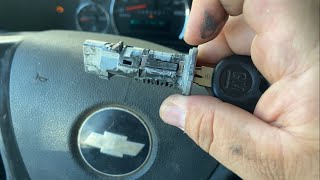
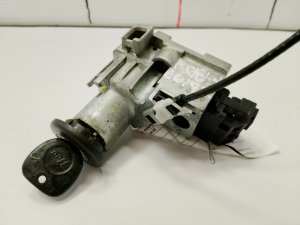
(OEM #15815961)— If the key is not the problem, the fault often lies in the exciter coil housed within the lock cylinder assembly. Replacing the cylinder restores the ability to read the key.
Trusted brands: ACDelco, Dorman (p/n 924-719), Standard Motor 🎬 Watch: How to replace the ignition lock cylinder and transponder Products
OEM price range: $90-$160
Aftermarket price range: $30-$80
Related Codes That Often Appear With This One
- B3055 — B3055 means 'No Transponder Key Detected.' These codes often appear together, indicating an intermittent failure of the system to read the key, either due to RFI, a bad key, or a faulty lock cylinder.
- B3935 — This is another transponder-related code ('Transponder Authentication Failed') that can be set due to similar RFI or key communication issues, and is often listed alongside B3055 and B3060 in GM service bulletins.
Technical Service Bulletins (TSBs) & Recalls
- PIC5650M: Addresses intermittent no-crank, no-start, or start/stall with security light on and DTCs B3055, B3060, B3935, etc., often due to RFI from aftermarket electronics like LED lights or chargers.
Platform-Specific Known Issues
- As noted in GM TSB PIC5650M, these vans are particularly susceptible to intermittent no-start conditions caused by radio frequency interference, which can set code B3060 along with several others.
- Owners have reported that aftermarket trailer brake controllers can be a source of RFI causing this code. Unplugging the controller may resolve the issue.
- Grounding issues, particularly after front-end collision repair, can cause bizarre electrical behavior in the dash cluster and security system, sometimes mimicking a BCM or TDM failure.
Mechanic-Grade Diagnostic Values
- Ignition Cylinder Exciter Coil Resistance — expected: 8-12 Ohms. Failure: An open circuit (infinite resistance) or a reading far outside the expected range indicates a broken wire or faulty coil, which is a common failure point.
Hidden / Shadow Codes Worth Checking
- B3060 00: The '00' is a standard symptom byte for this code, meaning 'No Additional Information'. It simply confirms the BCM/TDM received a transponder signal from a key that is not learned in its memory. While not truly 'hidden', it's visible on professional scan tools and confirms the nature of the fault. (see via GM Tech2, GDS2, or other professional-grade scan tools with manufacturer-specific code reading capabilities.)
Scan Tool Commands That Help
- GM Tech2 / GDS2: TDM to VCM Relearn / New TDM (or BCM) Setup — This function is used after replacing the Theft Deterrent Module (TDM), Body Control Module (BCM), or Engine Control Module (ECM). It establishes the secure handshake between modules and is often a faster alternative to the 30-minute manual key relearn.
- GM Tech2 / GDS2: Add/Replace Keys — This allows a technician to program new keys into the system without erasing all previously learned keys. This is useful when a customer simply wants an additional spare key.
Wiring & Ground Locations
- G203 — On the left side of the instrument panel support frame, typically behind the driver's side kick panel or lower dash trim.. This is a primary ground point for the Body Control Module (BCM) and Instrument Panel Cluster (IPC). A poor or corroded connection at G203 can cause erratic BCM behavior, unstable voltage, and communication errors that can trigger false security system faults like B3060.
- TDM/BCM Module — On 2007 models, the separate Theft Deterrent Module (TDM) is often located in the steering column or under the driver's side dash, sometimes taped to a harness. On 2008-2011 models, these functions are integrated into the Body Control Module (BCM), which is located behind the lower right side of the dash.. Knowing the location is critical for checking connections or replacing the correct module. A loose connector at this module can cause intermittent security issues.
- Exciter Coil Wires — Two small wires (often purple and white/black) running from the ignition lock cylinder housing to the TDM or BCM.. These wires are the most common point of mechanical failure in the system. They flex and fatigue with every turn of the key, eventually breaking and causing a B3055 or B3060 code. Testing resistance across these wires is a key diagnostic step.
Real Owner Repair Stories
- Chevrolet Forum user 'Cabeco' (2008 Chevrolet Express G2500) — Van was broken into, ignition column cover was removed, and the anti-theft module wires were ripped out, causing a no-start with the security light on.
❌ Tried (didn't work) Initially, the owner was unable to proceed due to the damaged wiring.
✅ What actually fixed it After getting a wiring diagram for the 5-pin connector, the user repaired the four wires (Green, Black, Brown, Red) to the new theft deterrent module, replaced the damaged ignition cylinder, and then successfully performed the GM VTD (Vehicle Theft Deterrent) Relearn Procedure. The van started and ran correctly afterward. - TheTruckStop.us forum user (2010 Chevrolet Express) — Intermittent no-start condition with security light illuminated.
❌ Tried (didn't work) Initial attempts to start were random and unpredictable.
✅ What actually fixed it The owner realized the problem occurred more frequently when their Speedpass (a radio-frequency toll transponder) was on the same keychain as the ignition key. Removing the Speedpass from the keychain and keeping it away from the ignition cylinder permanently resolved the no-start issue, confirming an RFI (Radio Frequency Interference) problem. - Online repair forum discussion (2009 Express 3500) — No-start with security light on.
❌ Tried (didn't work) Performing the 30-minute key relearn procedure multiple times failed to resolve the issue.
✅ What actually fixed it The final repair was the replacement of the entire ignition lock cylinder assembly. The thin wires for the internal exciter coil had broken from repeated key rotation, preventing the van from reading the transponder chip in the key. Replacing the cylinder and then performing the relearn procedure fixed the problem.
OEM Part Supersession History
15815961→19420249— Standard part lifecycle update by GM.
Heads up: The original part number 15815961 also superseded a previous number, 12472980. When ordering, using the latest part number (19420249) or a reputable aftermarket cross-reference (like Dorman 924-719) is recommended to ensure compatibility.
Model Year Variations Within This Range
- 2008-2011: Starting in the 2008 model year, the standalone Theft Deterrent Module (TDM) was integrated into the Body Control Module (BCM). For 2007 models, the TDM is a separate, replaceable part. For 2008 and newer, a failure of the theft deterrent circuitry requires replacement of the entire BCM, which is a more complex and expensive repair requiring dealer-level programming to configure it to the vehicle's options and VIN.
Helpful Videos

Used OEM Parts in Stock

New Aftermarket Parts Available


The information in this article is provided for general reference and educational purposes only. Vehicle specifications, procedures, and part compatibility can vary by production date, trim level, and region. Always consult your vehicle's factory service manual and verify part numbers before purchasing or performing repairs. Safety-critical components such as airbags, seat belts, and braking systems should be installed by a qualified professional.
- Chevrolet EXPRESS:
- 🎬 Helpful Videos
- 🛍️ Shop This Part
- What's Unique About the 2007-2011 Chevrolet EXPRESS
- Diagnostic Flowchart
- Symptoms You May Notice
- Most Likely Causes
- Rare But Worth Checking
- Diagnosis Steps
- Parts You'll Likely Need
- Related Codes That Often Appear With This One
- Technical Service Bulletins (TSBs) & Recalls
- Platform-Specific Known Issues
- Mechanic-Grade Diagnostic Values
- Hidden / Shadow Codes Worth Checking
- Scan Tool Commands That Help
- Wiring & Ground Locations
- Real Owner Repair Stories
- OEM Part Supersession History
- Model Year Variations Within This Range
- 🎟️ Get 5% Off