

B3060 on 2011-2018 Chevrolet Cruze: Security System Fault, Causes and Fixes
Code B3060 on a Chevy Cruze means the anti-theft system doesn't recognize the key, causing a no-start and security light. The most common fix is trying a spare key or performing a key relearn procedure. A weak key fob battery or external radio interference are also frequent culprits.
- B3060 means your Cruze's anti-theft system has locked you out because it doesn't recognize the key.
- Before calling a mechanic, try your spare key, remove all other fobs from your keychain, and try replacing the key fob battery.
- A 30-minute 'Security Relearn Procedure' can often resolve the issue without any tools or parts.
- If DIY steps fail, the key itself is likely damaged or the Body Control Module (BCM) may have a fault, requiring professional service.
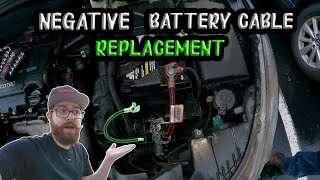
- On 2011-2015 models, check that the negative battery cable is tight and free of corrosion, as a known issue can cause this problem.
What's Unique About the 2011-2018 Chevrolet CRUZE

The 2011-2018 Cruze, spanning two generations, uses a common GM Pass-Key III or similar immobilizer system that is sensitive to both key issues and external interference. A GM Technical Service Bulletin (PIC5650 series) acknowledges that intermittent no-start conditions 🎬 Watch: Troubleshooting the Service Theft Deterrent System warning with code B3060 can be caused by radio frequency (RFID) devices on the keychain, such as other car keys, toll passes, or access cards. This sensitivity, combined with a known special coverage (14311) for a faulty negative battery cable on 2011-2015 models which can cause widespread electrical instability, means that electrical system health is a key factor to consider during diagnosis.
Diagnostic Flowchart

Tap your situation to follow the diagnostic path that matches what you're seeing on this vehicle.
Generation note: This issue affects both the first generation (2011-2016) and second generation (2016-2018) Cruze as they use similar GM immobilizer technology. However, a special coverage bulletin (14311) for a faulty negative battery cable, which can cause various electrical issues, specifically applies to 2011-2015 models. Second generation (2016.5+) models also have a known issue where the key fob frequency could be 315 MHz (RPO XL7) or 434 MHz (RPO XL8), requiring the correct replacement part.
Symptoms You May Notice

- Engine will not crank or start.
- Engine starts briefly and then stalls.
- Security indicator light is illuminated or flashing on the dashboard.
- "Service Theft Deterrent System" message on the driver information center.
- Key is not detected (on models with push-button start).
- Replacing the starter motor when the engine doesn't crank. The no-crank condition is commanded by the security system, not a faulty starter.
- Replacing the car's main battery without addressing the underlying key or security system issue. While a weak battery can cause many problems, it's often not the root cause of a B3060 code, though its failure can sometimes trigger the fault.
Most Likely Causes

- Using an Unprogrammed or Damaged Key 🔴 High Probability This is the direct trigger for the code definition. It often happens with new, poorly cloned keys or when the original key's internal transponder chip is damaged from being dropped or getting wet.
How to confirm: Try starting the vehicle with a known-good spare key. If the spare key works, the other key is faulty. A scan tool can also show if the key's transponder value is being read correctly, often displaying 'No' for the 'Valid Key' parameter.
Typical fix: Replace the faulty key and have the new key professionally programmed to the vehicle, or perform the 30-minute relearn procedure.
Est. part cost: $70-$200 - Radio Frequency (RF) Interference 🟡 Medium Probability GM has issued a TSB (PIC5650M and later revisions) noting that RFID-emitting devices on the keychain can interfere with the 125 kHz signal between the key and the immobilizer antenna. This includes things like office access cards, gas station speed-pass fobs, or other car keys.
How to confirm: Remove all other fobs, cards, and keys from the keychain. Attempt to start the vehicle with the bare Chevrolet key. If it starts consistently, interference was the cause.
Typical fix: Keep other RFID devices separate from the car key when starting the vehicle. Do not replace any parts unless the concern can be duplicated after removing potential RFI sources.
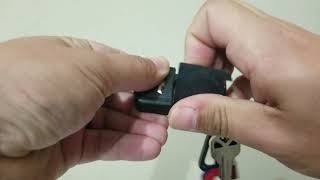
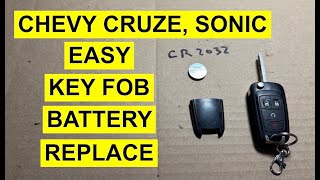
Est. part cost: $0 - Weak or Dead Key Fob Battery 🟡 Medium Probability While the transponder chip is often powered passively by the ignition coil, a weak fob battery (CR2032) can cause erratic behavior in the vehicle's security system, especially on models with push-button start where the fob is not in the ignition cylinder.
How to confirm: Replace the CR2032 battery inside the key fob. This is a common and inexpensive first step. On push-to-start models, see if the car starts by placing the fob in the designated transmitter pocket in the center console.
Typical fix: Replace the key fob battery.
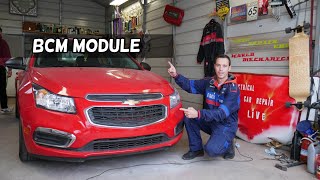
Est. part cost: $2-$10 - Faulty Body Control Module (BCM) ⚪ Low Probability The BCM is the central computer for the security system. Internal faults, often caused by water intrusion or voltage spikes, can prevent it from recognizing a valid key. Other symptoms of BCM failure include erratic lights, wipers, or power locks.
How to confirm: This requires advanced diagnostics with a GM-compatible scan tool to check for communication errors (like U0140) with the BCM and to rule out all other possibilities (key, wiring, antenna). A visual inspection may reveal corrosion on the module or its connectors.
Typical fix: Replace the BCM and have it programmed by a dealer or qualified shop. A new BCM is typically sold as a 'virgin' unit and must be programmed to the vehicle's VIN.
Est. part cost: $250-$500
Rare But Worth Checking
- Faulty Immobilizer Antenna/Exciter Ring: The ring around the ignition lock cylinder energizes the key's transponder. If its wiring is damaged or the ring itself fails, it cannot read the key's signal. This is less common than key or interference issues but can happen.
- Poor Connection at Negative Battery Cable: Specifically for 2011-2015 models, a special coverage (14311) was issued for an insufficient crimp on the negative battery terminal. This can cause low voltage and a wide range of electrical problems, including flickering lights, random warning messages, and triggering the anti-theft system. A Reddit user on r/MechanicAdvice specifically mentioned this TSB as a solution for a no-start on their 2014 Cruze.
- Security System Triggered by Main Battery Failure: In some cases, when the main 12V car battery dies and is replaced, the security system can become active and fail to recognize a previously working key. A user on buickforums.com with a platform-mate Verano described this exact scenario, where the car would not start after a battery replacement until the 30-minute relearn was attempted. Another owner confirmed the 30-minute relearn procedure fixed a no-start after a battery change on a similar GM vehicle.
Diagnosis Steps
- Check for a security light on the dashboard. An active light confirms an anti-theft issue.
- Try starting the car with a known-good spare key. If it works, the primary key is the problem.
- Remove all other keys, fobs, and RFID cards from the keychain and try starting with the bare key to rule out interference, as recommended by TSB PIC5650.
- Replace the battery (CR2032) in the key fob, especially if it's a push-to-start model.
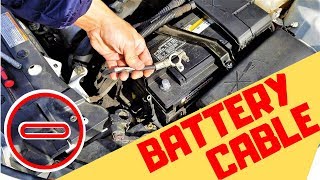
- Inspect the negative battery cable terminal for looseness or corrosion, especially on 2011-2015 models per Special Coverage 14311.
- Attempt a 'Security Relearn Procedure'. Insert the cut, unprogrammed key and turn to the 'ON' position (do not start). The security light should be on. Wait for approximately 10 minutes, or until the security light turns off. Turn the key off for 5 seconds. Repeat this cycle two more times for a total of 3 cycles and about 30-35 minutes. After the third cycle, turn the key off, then attempt to start the engine.
- If the issue persists, use a professional scan tool to read data from the Body Control Module (BCM) to see if it is receiving the key's signal and if a 'Valid Key' status is shown.
- If no signal is received, inspect the wiring and the immobilizer antenna ring around the ignition cylinder.
- If a signal is received but still rejected, or if multiple communication codes (U-codes) are present, the BCM may be faulty and require professional diagnosis and likely replacement and programming.
Parts You'll Likely Need
- Transponder Key / Key Fob
(OEM #Gen 1 (2011-2016): 13504199, 13500221, 13587072 (FCC ID: OHT01060512). Gen 2 (2016-2018): 13508771, 13529661 (FCC ID: HYQ4EA for push-start) or 13514135 (FCC ID: LXP-T004 for bladed key).)— This is the most common cause, either due to internal damage to the transponder chip or use of an incorrect/unprogrammed key.
Trusted brands: ACDelco, Strattec
OEM price range: $100-$200
Aftermarket price range: $50-$120 - Body Control Module (BCM)
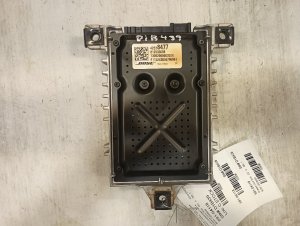
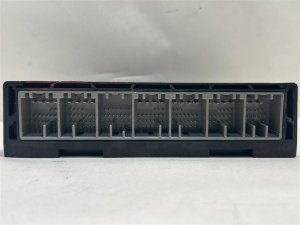
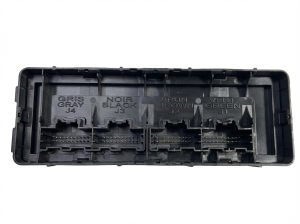
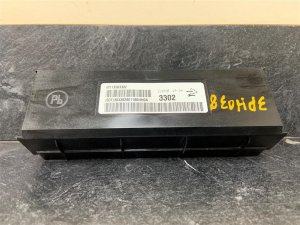
(OEM #Common part numbers for Gen 1 (2011-2015) include 13585674, 13501739, 13588447, and 13574842. Part numbers can be superseded; always verify with VIN.)— In less common cases, the BCM itself fails and can no longer recognize valid keys, requiring replacement and programming.
Trusted brands: ACDelco
Related Codes That Often Appear With This One
- B3055 — This code relates to a 'No Transponder Key' or 'Key Not Present' signal. It is frequently cited alongside B3060 in GM service bulletins as part of the same intermittent no-start security fault.
- B3935 — This code indicates a 'Transponder Authentication Failed' error, which is another step in the key verification process that can fail alongside B3060.
- U0140 — This code means 'Lost Communication with Body Control Module'. If B3060 is present along with U0140 and other electrical issues, it strongly suggests the BCM itself is faulty.
Technical Service Bulletins (TSBs) & Recalls
- PIC5650M: Addresses intermittent no-crank/no-start with security light on and DTCs B3055, B3060, or B3935, pointing to possible RFI from aftermarket devices or other keys/cards.
- PIE0232: An engineering information bulletin seeking data on low-mileage vehicles with no-start and codes B3055, B3060, or B3935, also mentioning RFI as a possible cause.
- 14311: Special Coverage for 2011-2015 models to replace a faulty negative battery cable that can cause numerous electrical faults, including symptoms related to the theft deterrent system.
Platform-Specific Known Issues
- A GM Technical Service Bulletin (PIC5650 and its revisions) directly mentions B3060 in relation to intermittent no-start conditions and advises checking for Radio Frequency Interference (RFI) from devices on the keychain before replacing any parts.
- A Special Coverage (14311) was issued for 2011-2015 Cruze models for an improperly crimped negative battery cable, which can cause widespread electrical issues, potentially including triggering the theft system. The coverage lasts for 10 years or 120,000 miles.
Mechanic-Grade Diagnostic Values
- Immobilizer System Operating Frequency — expected: 125 kHz. Failure: This value itself doesn't fail, but other devices operating in the 120-135 kHz range can cause interference, leading to the code.
- BCM Ignition Voltage at Connector X3 — expected: Battery Positive Voltage (B+). Failure: Low or no voltage indicates a power supply issue to the BCM, which can cause it to malfunction.
- Security PIN Code via EEPROM Read — expected: A 4-digit code (e.g., '2671'). Failure: This is not a failure indicator but an advanced method to retrieve a lost PIN needed for key programming by directly reading the BCM's 24C16 EEPROM chip at memory offset A07.
Hidden / Shadow Codes Worth Checking
- B3060 00: The '00' is a 2-digit symptom byte meaning 'No Sub Type Information'. It indicates the main fault code provides the complete description. This is the most common variant seen on GM dealer scan tools like GDS2. (see via GM GDS2/Tech2 or equivalent professional scan tool.)
Scan Tool Commands That Help
- GDS2 / Professional Scan Tool: Immobilizer Data Display: 'Valid Key' parameter — Use this live data parameter to confirm if the BCM/TDM is successfully recognizing the transponder of the key currently in the ignition. It should switch to 'Yes' for a known good key.
- GDS2 / Professional Scan Tool: Immobilizer Learn / Key Programming — This function is used to program new keys to the vehicle after replacement or in an 'all keys lost' scenario. It often requires a security PIN, which can be obtained from the dealer or through advanced methods.
- GDS2 / Professional Scan Tool: BCM Setup and Programming — When replacing the Body Control Module, the new 'virgin' module must be programmed to the vehicle's VIN and configured with the correct options (RPOs). A used BCM generally cannot be reprogrammed with a scan tool.
Wiring & Ground Locations
- K9 Body Control Module (BCM) — Location varies. Some sources indicate it is behind the driver's side kick panel, below the dashboard. Other sources for the 2011-2016 Cruze place it on the passenger side of the center console, accessible by removing the side trim panel. Technicians should check both locations.. The BCM is the primary module that stores key data and controls the immobilizer system. All related wiring terminates here.
- BCM Connector X3, Pin 2 — On the K9 Body Control Module. This is a Light Green/Violet wire.. This pin is for the 'Linear Interconnect Network Bus 11', which is a communication line specifically listed under the 'Vehicle Anti-Theft System Immobilizer' function in wiring diagrams. A continuity or voltage check here can diagnose wiring issues between the BCM and other security components.
- OBD-II Data Link Connector (DLC) — Under the driver's side dashboard, to the left of the steering column.. This is the port used to connect a scan tool to communicate with the BCM to read codes, view data, and perform programming functions.
Real Owner Repair Stories
- Comment on 'Falcons Garage' YouTube video (1999 Chevrolet Silverado (similar GM Passlock/Passkey system)) — Vehicle would not start after replacing the main 12V battery.
❌ Tried (didn't work) Battery replacement
✅ What actually fixed it Performing the 30-minute security relearn procedure (Key ON for 10 min, OFF for 10 sec, repeated 3 times) successfully reprogrammed the system and allowed the vehicle to start.
OEM Part Supersession History
13586278→13585674— Part update or revision by the manufacturer.
Heads up: While these parts are listed as interchangeable, cloning the EEPROM data from the original module to the replacement is the surest way to guarantee compatibility and avoid programming issues.
Model Year Variations Within This Range
- 2011-2016: The physical location of the Body Control Module (BCM) may vary. Technicians report finding it in two primary locations: behind the driver's side kick panel or on the passenger side of the center console. Both locations should be checked if the module is not found in the first spot.
Helpful Videos

We Have This Part in Stock



The information in this article is provided for general reference and educational purposes only. Vehicle specifications, procedures, and part compatibility can vary by production date, trim level, and region. Always consult your vehicle's factory service manual and verify part numbers before purchasing or performing repairs. Safety-critical components such as airbags, seat belts, and braking systems should be installed by a qualified professional.
- Chevrolet CRUZE:
- 🎬 Helpful Videos
- 🛍️ Shop This Part
- What's Unique About the 2011-2018 Chevrolet CRUZE
- Diagnostic Flowchart
- Symptoms You May Notice
- Most Likely Causes
- Rare But Worth Checking
- Diagnosis Steps
- Parts You'll Likely Need
- Related Codes That Often Appear With This One
- Technical Service Bulletins (TSBs) & Recalls
- Platform-Specific Known Issues
- Mechanic-Grade Diagnostic Values
- Hidden / Shadow Codes Worth Checking
- Scan Tool Commands That Help
- Wiring & Ground Locations
- Real Owner Repair Stories
- OEM Part Supersession History
- Model Year Variations Within This Range
- 🎟️ Get 5% Off