

B3060 on 2014-2017 Chevrolet SS: Security System Fault, Causes, and Fixes
Code B3060 on a 2014-2017 Chevy SS means the car's anti-theft system doesn't recognize the key, causing a no-start or start-and-stall condition. The most common causes are a faulty key or radio frequency interference. Trying a spare key and removing other fobs from the keychain are the first steps before professional diagnosis is required.
- B3060 on your Chevy SS means the anti-theft system has locked the engine because it doesn't recognize the key.
- Before any repairs, try the simplest fixes: use your spare key and remove ALL other electronic items from your keychain and car to rule out Radio Frequency Interference (RFI).
- Do not mistake this for a bad starter or battery; the security light is the key indicator of an immobilizer issue.
- If a simple fix doesn't work, the problem is likely a bad key or the ignition's reader coil, both of which require professional service for programming and replacement.
What's Unique About the 2014-2017 Chevrolet CHEVEROLET SS
The Chevrolet SS, based on the Australian Holden Commodore (VF), uses a standard GM Pass-Key III+ (PK3+) immobilizer system. While the system itself is common across many GM vehicles, it is known to be sensitive. A key factor, highlighted in a broad GM Technical Service Bulletin (TSB PIC5650 series) that includes this model, is the system's susceptibility to Radio Frequency Interference (RFI) at its 125 kHz operating frequency. This means intermittent no-start issues with a B3060 code are often not due to a failed part on the car, but rather external electronic devices like phone chargers, LED lights, or even other key fobs jamming the signal between the key and the vehicle.
Diagnostic Flowchart
Tap your situation to follow the diagnostic path that matches what you're seeing on this vehicle.
Symptoms You May Notice
- Intermittent no-crank, no-start condition.
- Engine starts and immediately stalls.
- Security indicator light is illuminated or flashing on the dashboard.
- "No Fob Detected" message on the driver information center (DIC).
- Remote Keyless Entry (RKE) functions may be inoperative or have poor range.
- Replacing the starter motor. A no-crank condition might point to the starter, but the presence of code B3060 and the security light confirms the anti-theft system is the cause of the lockout.
- Replacing the main vehicle battery. While a low battery can cause many electrical issues, B3060 is specifically for a key recognition failure, not general low voltage. However, a stable battery is required for any relearn procedures.
Most Likely Causes
- Radio Frequency Interference (RFI) 🔴 High Probability GM has issued multiple TSBs (PIC5650 series) warning that aftermarket devices like phone chargers, LED lights, toll passes, or even other key fobs on the same keychain can disrupt the 125 kHz signal used by the immobilizer system. The TSB specifically lists USB chargers, aftermarket LED lighting, and building access cards as common sources of interference.
How to confirm: Remove all other keys, fobs, access cards, and aftermarket electronic devices (like USB chargers) from the keychain and the vehicle's interior. Try starting the car with just the single, isolated Chevy SS key. If the car starts reliably, RFI was the cause. An RFI meter can also be used by professionals to detect stray signals.
Typical fix: Keep the vehicle key on a separate ring from other electronic items. Remove any low-quality aftermarket chargers or LED lights. Instruct the customer on the sensitivity of the system as per TSB PIC5650M.
Est. part cost: $0 - Faulty or Unprogrammed Ignition Key 🟡 Medium Probability The transponder chip embedded in the key can fail over time due to being dropped or from internal electronic failure. Using a new, unprogrammed key will also set this code. The key fob battery itself does not power the transponder chip (which is passive), but a failing fob can sometimes cause related issues.
How to confirm: Try starting the vehicle with a known-good spare key. If the spare key works consistently, the primary key is faulty.
Typical fix: Replace the faulty key and have the new key professionally programmed to the vehicle by a dealer or automotive locksmith. A key relearn procedure is required.
Est. part cost: $150-$400 - Faulty Ignition Lock Cylinder / Transponder Reader ⚪ Low Probability The exciter coil (antenna) that surrounds the ignition lock cylinder energizes and reads the key's transponder chip. This component can fail, preventing it from reading any key, even a good one. This is a common failure point on other GM platforms like the Colorado and Express van.
How to confirm: If neither the primary nor the spare key will start the vehicle (and RFI has been ruled out), the reader coil is a likely suspect. This requires testing the circuit with a multimeter or an oscilloscope for a signal, or using a scan tool to monitor theft deterrent data.
Typical fix: Replace the ignition lock cylinder assembly, 🎬 See this walkthrough for replacing the ignition lock cylinder. which includes the transponder reader coil. A key relearn procedure is required after replacement.
Est. part cost: $60-$250
Rare But Worth Checking
- Failing Body Control Module (BCM): While uncommon, the BCM is the brain of the security system. An internal failure, such as cracked solder joints on the circuit board, can prevent it from correctly validating the key signal, even if the key and reader coil are working properly. This is usually the last part to be considered after all other possibilities are exhausted and often requires professional diagnosis and programming upon replacement.
- Poor Ground Connections: On the Holden-based Zeta platform, poor or corroded ground connections for the BCM or main fuse box have been reported to cause a wide array of electrical issues, including intermittent no-start and security system faults. A user with a platform-mate Caprice PPV resolved a persistent immobilizer issue by cleaning the main grounds in the engine bay. A GM TSB (PIT5562) for other platforms highlights that ground bolts without proper hardening can cause poor connections at critical locations like G101 and G102, leading to various electrical faults.
Diagnosis Steps
- Verify B3060 is the primary active code. Note any other security codes like B3055 or B3935.
- Question the driver about any aftermarket electronic devices in the vehicle (phone chargers, dash cams, LED lights) or new cards/fobs on their keychain.
- Remove ALL items from the key ring, including other keys, fobs, and store loyalty cards. Isolate the Chevy SS key.
- Attempt to start the vehicle with the isolated key. If it starts, the issue is RFI from an item that was removed. Advise the owner to keep the key separate.
- If the vehicle still does not start, try the spare key. If the spare key works, the original key is faulty and needs to be replaced and programmed.
- If neither key works, attempt the 10-minute key relearn procedure. 🎬 Watch: Step-by-step guide for the GM Passkey relearn procedure. This involves turning the key to 'ON' for 10 minutes until the security light goes out, turning it off for 5 seconds, and repeating two more times for a total of 30+ minutes.
- If the relearn fails, inspect the wiring and connector at the ignition lock cylinder for any visible damage or looseness.
- Using a professional scan tool, monitor the Theft Deterrent Module data to see if it recognizes a key is present and if the key status is 'Valid'.
- If the key is not being detected at all (often sets B3055 as well), the ignition lock cylinder's reader coil is the most likely failure point.
- If the key is detected but still rejected, and a new key doesn't solve the issue, the Body Control Module (BCM) may need to be professionally diagnosed and potentially replaced.
Parts You'll Likely Need
- Transponder Ignition Key
(OEM #13584828, 13500319 (FCC ID: OHT05918179 / KR55WK50073))— The internal transponder chip in the key is the most common hardware failure point for this code after RFI is ruled out.
Trusted brands: ACDelco, GM Genuine Parts
OEM price range: $150-$250
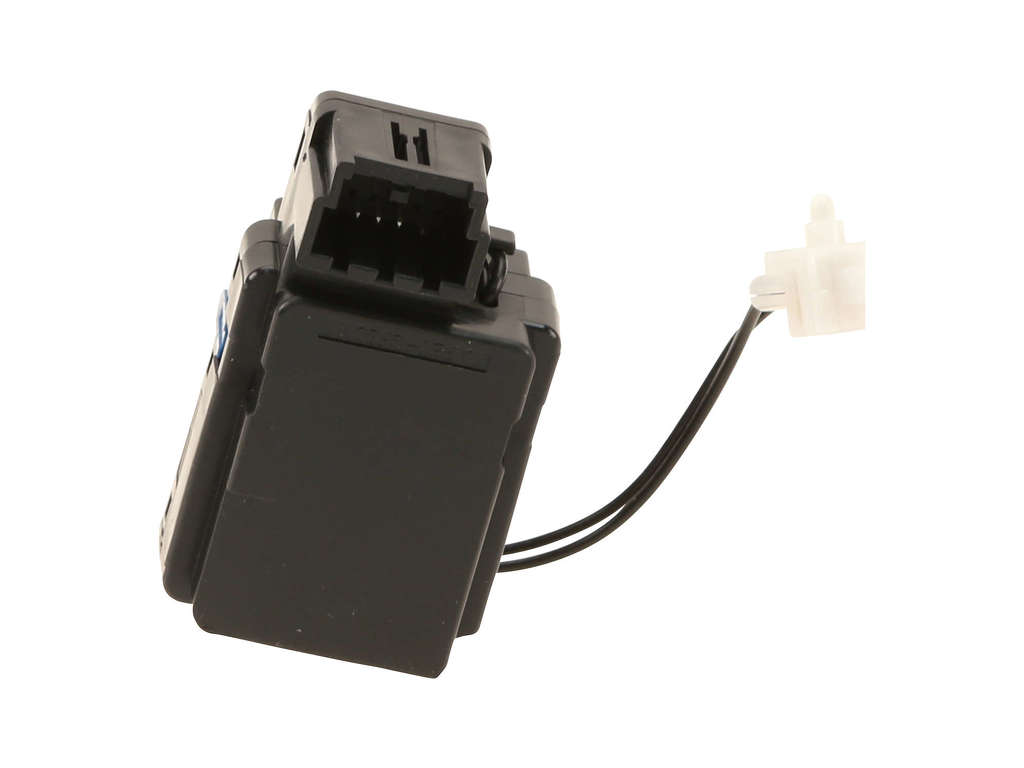
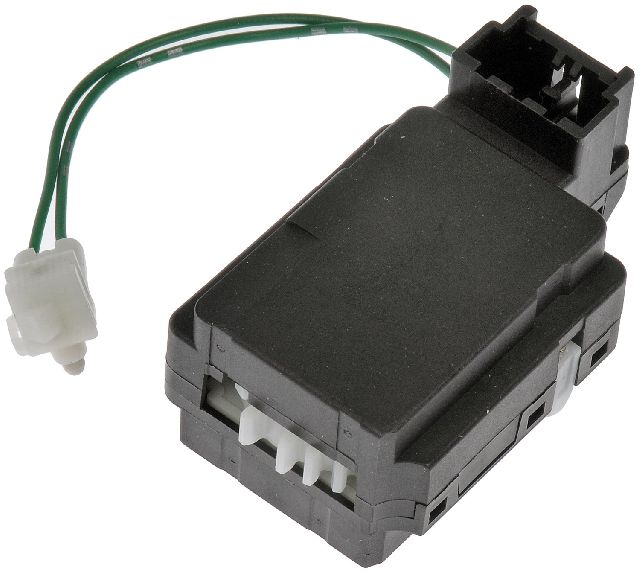
Aftermarket price range: $70-$120 - Ignition Lock Cylinder and Passkey Sensor
(OEM #23316210, 13528553)— This part contains the antenna that reads the key. If it fails, no key will be recognized. It is the next most likely component to fail if multiple keys do not work.
Trusted brands: ACDelco, Standard Motor Products, Locksmart
OEM price range: $150-$250
Aftermarket price range: $60-$150
Related Codes That Often Appear With This One
- B3055 — This code means 'No Transponder Modulation,' indicating the BCM received no signal at all. It often appears with B3060 when there's an intermittent connection, a dead key transponder, or a failed reader coil.
- B3935 — This code means 'Transponder Authentication Failed' and is part of the same family of security faults. It is mentioned in the same TSBs as B3060, pointing to a data mismatch or failure in the key validation process.
Technical Service Bulletins (TSBs) & Recalls
- PIC5650M: Addresses an intermittent no crank, no start, or start stall concern with the security light on, potentially logging DTC B3060. It emphasizes checking for RF interference from aftermarket accessories before performing repairs. It lists specific culprits like USB chargers, LED lights, and even building access cards.
Platform-Specific Known Issues
- A GM Technical Service Bulletin (PIC5650M) directly addresses an intermittent no-crank, no-start, or start-and-stall condition with the security light on, which can be associated with code B3060. The bulletin strongly advises checking for Radio Frequency Interference (RFI) from aftermarket devices before replacing any parts.
- Owners on forums for the SS and its platform-mate, the Pontiac G8, have experienced similar immobilizer issues. Some have traced intermittent problems to worn ignition lock cylinders or faulty Body Control Modules.
Hidden / Shadow Codes Worth Checking
- B3060 00: The '00' is a standard GM symptom byte for 'No Sub Type Information'. It signifies that the base code B3060 contains the complete fault description ('Unprogrammed Transponder Identification Code Received') and no further specific subtype is identified by the module. (see via A professional scan tool like the GM GDS2 (Global Diagnostic System 2) or a high-end aftermarket scanner will display the DTC along with its two-digit symptom byte.)
Scan Tool Commands That Help
- GDS2: Module Diagnostics > Body Control Module (BCM) > Immobilizer Data — To view live data parameters like 'TDM Valid Key' or 'Key Status'. This confirms if the BCM is receiving a signal from the key, and whether it's recognized, not recognized, or if no signal is present at all, helping to distinguish a bad key from a bad reader coil.
- GDS2 / SPS (Service Programming System): Immobilizer Learn / Add or Replace Key Fobs — This function is required after replacing a key, the BCM, or the Theft Deterrent Module (TDM). It guides the technician through the process of programming new keys/fobs to the vehicle's immobilizer memory, often requiring an online connection to GM's servers.
- GDS2 / SPS (Service Programming System): BCM - Programming — When a new BCM is installed, it must be programmed to the vehicle. This function downloads the correct software and configuration for the specific VIN into the new module. An 'Immobilizer Learn' must be performed afterward.
Wiring & Ground Locations
- BCM (Body Control Module) — In the driver's footwell, above the pedals and behind the insulator panel/under-dash trim.. The BCM is the central module for the Pass-Key III+ immobilizer system. All signals from the key and transponder reader are processed here. A poor connection at the BCM connectors or a faulty BCM itself will cause this code.
- G103 — On the cowl in the left rear of the engine compartment, often near the brake booster.. On similar GM platforms, G103 is a primary ground point for the Body Control Module (BCM), Instrument Panel Cluster (IPC), and Data Link Connector (DLC). A poor connection at this ground can cause a variety of electrical issues, including communication failures within the security system that could trigger B3060.
- Engine to Frame Ground — On the right side of the engine, visible from the engine bay above. Also check the body-to-battery ground in the trunk.. While less likely to cause a specific B3060 code, poor main engine and battery grounds can cause slow cranking and widespread, intermittent electrical issues that can sometimes be misdiagnosed or contribute to module communication problems.
Real Owner Repair Stories
- Go-Parts analysis of a 2014 GMC Savana (platform-mate) (2014 GMC Savana) — Persistent no-start condition with code B3060.
❌ Tried (didn't work) Replaced the ignition lock cylinder., Performed the 30-minute security relearn procedure multiple times.
✅ What actually fixed it The ultimate fix was replacing and reprogramming the Body Control Module (BCM), which had failed internally. - Just Commodores forum user 'ben_att' (Holden Commodore VF (platform-mate to Chevy SS)) — No communication with the BCM, vehicle would not turn on ignition to allow programming of a new BCM.
❌ Tried (didn't work) Connecting SPS2 (GM programming software) to program the new BCM, but it failed because the ignition could not be turned on.
✅ What actually fixed it A suggested workaround was to perform an 'immobiliser learn' for the ECM to recognize the new BCM, as the ECM and BCM must VIN match. Another user suggested holding the start button down for around 30 seconds to force the vehicle into true ignition mode to allow programming to begin. The thread implies a complex BCM replacement process where module communication must be established before programming can succeed.
OEM Part Supersession History
13521844, 13522814, 13526234→13528553— Part has been updated by the manufacturer.
Heads up: Part 13528553 is listed for many GM vehicles but is the correct supersession for the Ignition Lock Cylinder on this platform. Programming is required after installation.
Helpful Videos
We Have This Part in Stock


The information in this article is provided for general reference and educational purposes only. Vehicle specifications, procedures, and part compatibility can vary by production date, trim level, and region. Always consult your vehicle's factory service manual and verify part numbers before purchasing or performing repairs. Safety-critical components such as airbags, seat belts, and braking systems should be installed by a qualified professional.
- Chevrolet CHEVEROLET SS:
- 🎬 Helpful Videos
- 🛍️ Shop This Part
- What's Unique About the 2014-2017 Chevrolet CHEVEROLET SS
- Diagnostic Flowchart
- Symptoms You May Notice
- Most Likely Causes
- Rare But Worth Checking
- Diagnosis Steps
- Parts You'll Likely Need
- Related Codes That Often Appear With This One
- Technical Service Bulletins (TSBs) & Recalls
- Platform-Specific Known Issues
- Hidden / Shadow Codes Worth Checking
- Scan Tool Commands That Help
- Wiring & Ground Locations
- Real Owner Repair Stories
- OEM Part Supersession History
- 🎟️ Get 5% Off