

B3060 on 2007-2013 Chevrolet Avalanche: Unprogrammed Key Fixes
Code B3060 on a 2007-2013 Avalanche means the anti-theft system doesn't recognize the key. This usually causes a no-start or start-and-stall condition. The most common fix is trying a spare key or performing a 30-minute key relearn procedure, which is free. If that fails, a faulty ignition lock cylinder may need replacement.
- B3060 means your truck's security system has disabled the engine because it doesn't recognize the key.
- Before spending any money, try using a spare key and perform the 30-minute key relearn procedure.
- Remove all other electronic fobs or access cards from your keychain to rule out radio frequency interference, a known issue cited by GM.
- If a relearn doesn't work, the most likely part to have failed is the ignition lock cylinder, which contains the sensor that reads the key.
- Do not immediately assume the starter or fuel pump is bad; the security system is designed to mimic these failures.
What's Unique About the 2007-2013 Chevrolet AVALANCHE
The 2007-2013 Avalanche is part of the GMT900 platform and uses GM's Passkey III+ (PK3+) transponder-based immobilizer system. Unlike older Passlock systems that used a resistor in the key, this system relies on a more complex radio-frequency transponder chip with a rolling code algorithm for enhanced security. The system's components—the key's transponder, the ignition lock cylinder's exciter coil, and the Theft Deterrent Module (TDM)—are known for intermittent communication failures. This can be triggered by radio frequency interference (RFI), a known issue documented extensively in GM Technical Service Bulletin PIC5650M, which explicitly lists the Avalanche and code B3060.
Diagnostic Flowchart
Tap your situation to follow the diagnostic path that matches what you're seeing on this vehicle.
Symptoms You May Notice
- Engine will not crank or start
- Engine starts and immediately stalls
- Security light is illuminated or flashing on the dashboard.
- "Service Theft Deterrent System" message on the driver information center.
- Replacing the battery without attempting a relearn procedure first.
- Replacing the starter motor when the no-crank is caused by the security system.
- Replacing the fuel pump when the start-and-stall symptom is caused by the immobilizer.
Most Likely Causes
- Unprogrammed or Faulty Key 🔴 High Probability Keys contain a Philips ID 46 (Circle +) transponder chip that can fail or be damaged. A newly cut key that has not been successfully programmed will also trigger this code.
How to confirm: Try starting the vehicle with a known-good spare key. If the spare key works, the original key is faulty. A scan tool can also be used to check if the BCM recognizes a valid key part number.
Typical fix: Use the spare key, or purchase a new key and have it cut and programmed to the vehicle.
Est. part cost: $50-$150 - Security System Lost Key Programming 🟡 Medium Probability This can happen after a battery replacement, a significant voltage drop, or sometimes for no apparent reason, requiring the system to relearn the key's transponder value.
How to confirm: If the vehicle won't start and the security light is on, a relearn procedure is the next logical step before replacing parts. This is especially true after a dead battery event.
Typical fix: Perform the 30-minute key relearn procedure. This involves cycling the key in the ignition in a specific timed sequence.
Est. part cost: $0 - Radio Frequency (RF) Interference ⚪ Low Probability As noted in GM TSB PIC5650M, other electronic devices on the keychain (like building access cards, other vehicle fobs, or toll passes) can interfere with the 125 kHz signal between the key and the vehicle's exciter coil.
How to confirm: Remove all other keys and electronic devices from the keychain. Try starting the vehicle with only the single Avalanche key. If the vehicle starts, RFI was the cause.
Typical fix: Keep other RFID-emitting devices separate from the vehicle key.
Est. part cost: $0 - Faulty Ignition Lock Cylinder / Exciter Ring ⚪ Low Probability The exciter coils that energize the key's transponder are integrated into the ignition lock cylinder assembly. These components or their wiring can fail over time, preventing the key's signal from being read.
How to confirm: If a key relearn repeatedly fails and RF interference is ruled out, the issue often points to the lock cylinder. A technician can test the circuit, but failure of the relearn is a strong indicator.
Typical fix: Replace the ignition lock cylinder and perform a key relearn procedure.
Est. part cost: $100-$250
Rare But Worth Checking
- Faulty Theft Deterrent Module (TDM) or Body Control Module (BCM): This is rare. The TDM/BCM is the control unit for the security system. It can fail internally, but all other causes (key, relearn, RFI, lock cylinder) should be exhaustively ruled out first as this is an expensive repair requiring dealer-level programming.
- Wiring Harness Damage: Damage to the wiring between the ignition lock cylinder and the TDM/BCM can cause an intermittent loss of communication, triggering the code. This is often seen after aftermarket stereo or remote start installation due to improper splicing into ignition or data wires.
Diagnosis Steps
- Check for other Diagnostic Trouble Codes (DTCs) to see if other modules are reporting errors.
- Remove all other keys, fobs, and RFID cards from your keychain to eliminate potential radio frequency interference, as recommended by TSB PIC5650M.
- Try starting the vehicle with a different, known-good key. If it starts, the first key is the problem.
- Inspect the vehicle's battery and charging system. A fully charged battery is critical for the 30-minute relearn procedure to complete successfully. Low voltage can cause issues with various electronic modules.
- Perform the 30-Minute Key Relearn Procedure: Ensure the battery is fully charged and connect a battery charger. Insert the key and turn it to 'ON' (do not start). The security light will be on. Wait approximately 10 minutes for the light to turn off. Turn the key 'OFF' for 5 seconds. Repeat this cycle two more times (three 10-minute cycles in total). After the third cycle, turn the key off, then the vehicle should start, and the key will be learned.
- If the relearn fails repeatedly, the problem is likely hardware. Inspect the wiring and connectors at the ignition lock cylinder and the Body Control Module (BCM) for any visible damage or looseness.
- If all else fails, professional diagnosis with a scan tool like a Tech 2 is needed to monitor the TDM data PIDs (e.g., 'Valid Key') and test the components of the immobilizer circuit directly.
Parts You'll Likely Need
- Transponder Ignition Key
(OEM #23372322 (Supersedes 15824471, 89024363))— The transponder chip (Philips ID 46 Circle +) inside the key can fail, or the key can lose its programming, making it the most common point of failure.
Trusted brands: ACDelco (GM Original), Strattec
OEM price range: $70-$120
Aftermarket price range: $20-$50 - Ignition Lock Cylinder
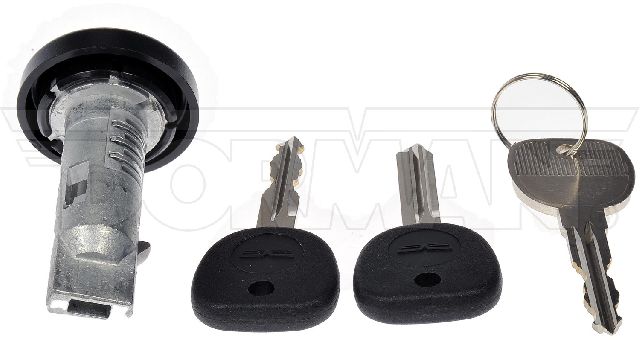
(OEM #ACDelco D1462G (Housing), GM 25832354)— If the key is not the issue and relearns fail, the fault often lies with the exciter ring and wiring that are part of the lock cylinder assembly. This part reads the key's transponder chip.
Trusted brands: ACDelco, Dorman (924-719), Standard Motor Products (US-614L)
OEM price range: $150-$250
Aftermarket price range: $80-$150
Related Codes That Often Appear With This One
- B3055 — This code means 'No Transponder Modulation or No Transponder Signal Received'. It often appears with B3060 when the system can't read or validate the key at all, pointing to a dead key chip or a faulty exciter coil in the ignition cylinder.
- B3935 — This code indicates 'Transponder Incorrect Status'. It's part of the same family of security codes and is often flagged alongside B3060 in GM's service bulletins regarding RF interference.
Technical Service Bulletins (TSBs) & Recalls
- PIC5650M / PIC5650B: Diagnostic Tip for Security Light On Intermittently / No Crank/No Start Or Start Stall. Points to RF interference as a primary cause for DTCs B3055, B3060, and B3935 that dealers may not be able to duplicate. It advises checking the customer's keychain for other RFID devices before replacing parts.
- PIE0232: An engineering information bulletin from 2012 requesting data on low-mileage 2013 models (Silverado, Sierra, Tahoe, Yukon) with this exact no-start condition and code B3060, indicating it was a known issue being actively investigated by GM engineers at the time of production.
Platform-Specific Known Issues
- This platform is subject to TSB #PIC5650M, which notes intermittent no-crank/no-start or start/stall conditions with the security light on, and lists B3060 as a potential code. The bulletin's primary recommendation is to check for RF interference from devices on the keychain, such as other car keys, gate passes, or building access cards.
- The GMT900 platform, including the Avalanche, was known for other electrical issues and dashboard cracking, which, while unrelated to B3060, speaks to the general materials and electronics of the era.
Mechanic-Grade Diagnostic Values
- Scan Tool TDM Data Parameter: 'Valid Key' — expected: 'Yes' when a learned key is in the ignition and turned to ON.. Failure: Parameter reads 'No' with a key that should be programmed.
- BCM Ground G218 Resistance — expected: Under 0.5 Ohms between the ground stud and the negative battery terminal.. Failure: High or fluctuating resistance, indicating a poor ground connection which can cause intermittent module communication failures.
Hidden / Shadow Codes Worth Checking
- B3060 00: The '00' is a symptom byte indicating 'No Sub Type Information'. This means the primary code description ('Unprogrammed Transponder Identification Code Received') is the complete fault information available to the module. It's the most common variant for this DTC. (see via A professional scan tool like a GM Tech 2 or GDS2 will display the code with its symptom byte.)
Scan Tool Commands That Help
- GM Tech 2 / GDS2: Immobilizer Data List / TDM Data — Use this function to monitor live data from the Theft Deterrent Module. Key parameters to watch are 'Valid Key' and 'Key Part Number' to see if the module is correctly identifying the transponder in real-time.
- GM Tech 2 / GDS2: Add/Replace Keys — This is the professional-level procedure used by dealers to program new keys or reprogram all existing keys if the 30-minute manual relearn fails or is not applicable. It is required when replacing the TDM or BCM.
Wiring & Ground Locations
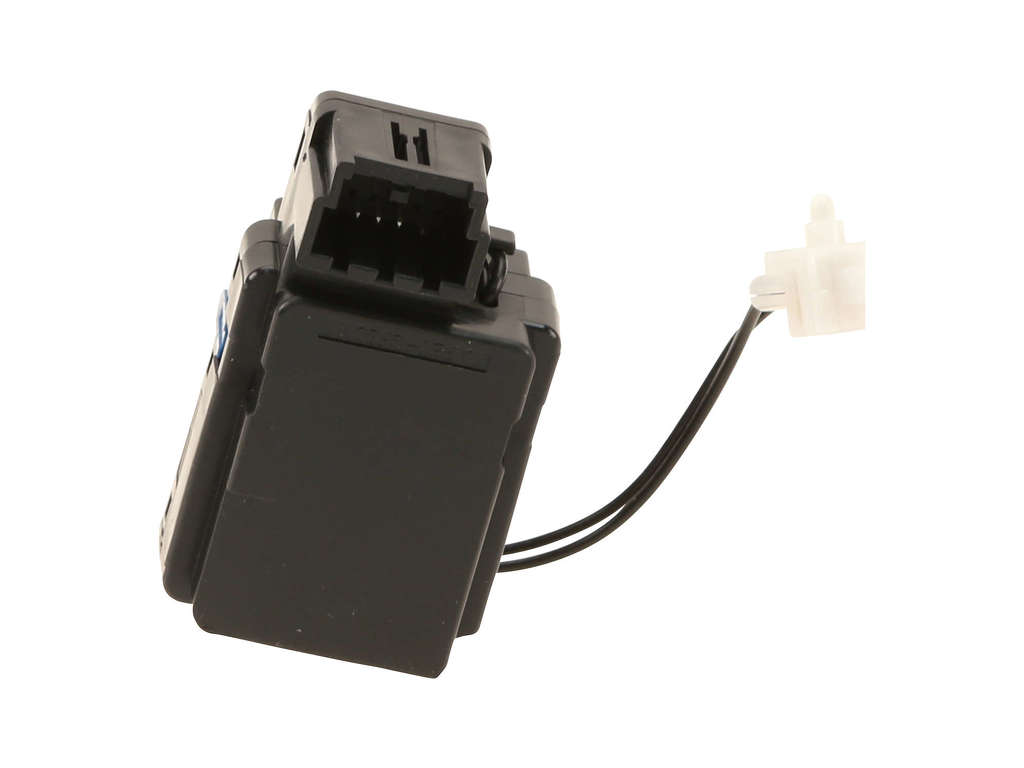
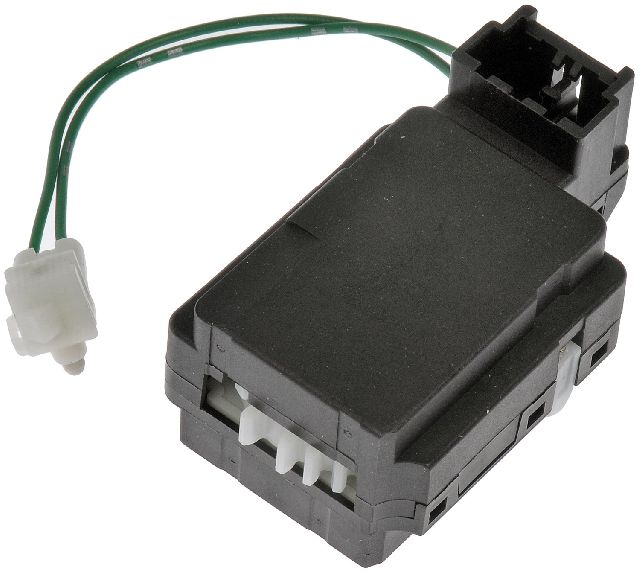
- Theft Deterrent Module (TDM) — The TDM is integrated with the ignition lock cylinder assembly, located within the steering column covers. It's the ring-like component directly surrounding where the key is inserted.. This module contains the exciter coil that reads the key's transponder. A failure of the module or its integrated wiring is a direct cause of B3055 and B3060.
- G218 — Located on the driver or passenger side A-pillar frame, behind the kick panel or front dash insulator mat.. This is a critical ground point for the Body Control Module (BCM). A poor connection here (often due to paint on the body from the factory) can cause intermittent BCM communication errors, leading to a host of electrical problems including no-start conditions and false theft deterrent activation.
- Underhood Fuse Block - Fuse #35 — In the main fuse block in the engine compartment.. Fuse #35 is labeled 'Key Ignition System, Theft Deterrent System' and provides power to the immobilizer components. A blown or loose fuse will prevent the system from operating.
Real Owner Repair Stories
- 2CarPros Forum User (2007 Chevrolet Tahoe LTZ 5.3L V8 (GMT900 Platform)) — Anti-theft system activated, vehicle would not start. Code B3060 was present.
❌ Tried (didn't work) Owner spent 3 days inspecting parts and wires based on online research.
✅ What actually fixed it The vehicle was taken to a dealer who diagnosed a failed Theft Deterrent Module (the part integrated with the ignition switch). Replacing the module resolved the no-start condition.
OEM Part Supersession History
12458191, 15822350, 19168637→25832354— Standard part evolution, design updates, and consolidation of part numbers for the ignition lock cylinder.
Heads up: While these parts are for GM vehicles, they are listed for cars like the Impala and Monte Carlo which use a similar Passlock/Passkey system. The Dorman 924-719 is a common aftermarket cross-reference for the Avalanche's lock cylinder. Always verify fitment with VIN.
Helpful Videos
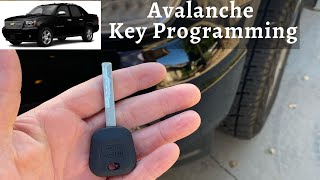
Used OEM Parts in Stock


New Aftermarket Parts Available


The information in this article is provided for general reference and educational purposes only. Vehicle specifications, procedures, and part compatibility can vary by production date, trim level, and region. Always consult your vehicle's factory service manual and verify part numbers before purchasing or performing repairs. Safety-critical components such as airbags, seat belts, and braking systems should be installed by a qualified professional.
- Chevrolet AVALANCHE:
- 🎬 Helpful Videos
- 🛍️ Shop This Part
- What's Unique About the 2007-2013 Chevrolet AVALANCHE
- Diagnostic Flowchart
- Symptoms You May Notice
- Most Likely Causes
- Rare But Worth Checking
- Diagnosis Steps
- Parts You'll Likely Need
- Related Codes That Often Appear With This One
- Technical Service Bulletins (TSBs) & Recalls
- Platform-Specific Known Issues
- Mechanic-Grade Diagnostic Values
- Hidden / Shadow Codes Worth Checking
- Scan Tool Commands That Help
- Wiring & Ground Locations
- Real Owner Repair Stories
- OEM Part Supersession History
- 🎟️ Get 5% Off