

B3060 on 2007-2011 Cadillac Escalade EXT: Security System No-Start Causes and Fixes
On a 2007-2011 Escalade EXT, code B3060 means the anti-theft system doesn't recognize your key, causing a no-start or start-and-stall condition. The most common fixes are trying a spare key, performing a 30-minute key relearn procedure, or replacing a faulty ignition key. A worn ignition lock cylinder is also a frequent cause.
- B3060 means your Escalade's anti-theft system has locked you out due to a key recognition failure, causing a no-start or start-and-stall.
- Before spending money, always try your spare key and remove all other electronic fobs and cards from your keychain to rule out RFI.
- The 30-minute DIY key relearn procedure can often resolve the issue for free, especially after a battery change.
- If simple fixes fail, the most common failed parts are the ignition key itself or the ignition lock cylinder that reads the key.
What's Unique About the 2007-2011 Cadillac ESCALADE EXT 1500
The third-generation (GMT900 platform) Escalade uses GM's Pass-Key III+ (PK3+) immobilizer system. A key issue, highlighted in GM Technical Service Bulletin PIC5650M, is its sensitivity to Radio Frequency Interference (RFI). Everyday items on a keychain, like other vehicle fobs, building access cards, or even aftermarket phone chargers plugged into the vehicle, can disrupt the 125 kHz signal between the key and the car, triggering a B3060 code and a no-start condition.
Diagnostic Flowchart
Tap your situation to follow the diagnostic path that matches what you're seeing on this vehicle.
Symptoms You May Notice
- Engine will not crank or start.
- Engine starts and then immediately stalls.
- Security light is illuminated or flashing on the dashboard.
- "Service Theft System" message may appear on the Driver Information Center (DIC).
- Key is difficult to turn in the ignition, requiring jiggling.
- Replacing the starter motor. A security-related no-crank is often mistaken for a bad starter, but the presence of the security light is the key differentiator.
- Replacing the vehicle's main battery. While a weak battery can cause many electrical problems and trigger this code, B3060 specifically points to a key authentication failure, not just a general power issue.
Most Likely Causes
- Radio Frequency Interference (RFI) 🔴 High Probability As documented in TSB PIC5650M, the Pass-Key III+ system in these vehicles is known to be sensitive to interference from other electronic devices, including other key fobs, RFID cards, and aftermarket chargers.
How to confirm: Remove all other keys, fobs, access cards, and electronic devices from the keychain. Unplug any aftermarket chargers. Try starting the vehicle with only the Escalade key. If it starts, RFI was the cause.
Typical fix: Keep the Escalade key on a separate ring or ensure it is isolated from other electronic items when starting the vehicle.
Est. part cost: $0 - Defective or Unprogrammed Ignition Key 🟡 Medium Probability The transponder chip (a Philips ID 46 Crypto, also known as PK3+) embedded in the key head can fail from age, drops, or internal damage.
How to confirm: Try starting the vehicle with a known-good spare key. If the spare key works without issue, the original key is faulty.
Typical fix: Replace the faulty key (GM part B111-PT) and program the new one to the vehicle using the 30-minute relearn procedure or a locksmith/dealer tool.
Est. part cost: $40-$120 - Faulty Ignition Lock Cylinder / Transponder Reader Coil 🟡 Medium Probability The reader coil (exciter coil) that reads the key's transponder is integrated into the ignition lock cylinder assembly. Over time, wear and tear or internal failure can prevent it from reading the key correctly, a very common failure on the GMT900 platform.
How to confirm: If neither the original nor the spare key works, and RFI has been ruled out, the lock cylinder is a likely suspect. Wiggling the key in the ignition while trying to start may cause it to work intermittently, pointing to a worn cylinder. A professional scan tool can sometimes show a loss of communication with the transponder. A simple, non-powered coil tester can also be used; when placed over the ignition cylinder and the key is turned, a small LED on the tester should flash, indicating the exciter coil is producing a signal.
Typical fix: Replace the ignition lock cylinder assembly (e.g., ACDelco D1462G) and perform the 30-minute key relearn procedure.
Est. part cost: $80-$250 - Failed Key Relearn Procedure / Lost Programming ⚪ Low Probability A dead or disconnected vehicle battery can sometimes cause the security system to lose synchronization with the programmed keys, a common trigger for this code.
How to confirm: The vehicle fails to start and displays security warnings after a battery replacement or jump-start.
Typical fix: Perform the 30-minute key relearn procedure. Ensure the battery is fully charged (above 12.4V) before starting, as low voltage can cause the procedure to fail.
Est. part cost: $0
Rare But Worth Checking
- Damaged Wiring or Connectors: The wiring harness between the ignition lock cylinder and the BCM can become damaged, especially around the tilt-steering column where wires can chafe over time. A poor ground connection for the BCM (specifically ground G201 on GMT900s) is also a known cause of intermittent electrical and security issues.
- Faulty Body Control Module (BCM) or Theft Deterrent Module (TDM): While rare, the module itself can fail. This is usually the last item to suspect after all other causes (key, lock cylinder, wiring) have been ruled out. A user on TahoeYukonForum.com reported extensive electrical issues that were only resolved by replacing the BCM. In a documented case on a related platform, a new ignition cylinder and relearn failed to fix the issue, and the ultimate cause was a failed BCM.
Diagnosis Steps
- Check the vehicle's main battery to ensure it is fully charged and healthy. A weak battery can cause the relearn procedure to fail. It's recommended to use a battery charger during diagnosis.
- Try starting the vehicle with a known-good spare key. If it works, the primary key is the problem.
- Remove all other keys, fobs, and access cards from the keychain to eliminate Radio Frequency Interference (RFI) and try again.
- Attempt the 30-minute key relearn procedure: Insert the key, turn to 'ON' (do not start). Wait about 10-11 minutes for the security light to turn off. Turn the key off for 20-30 seconds. Repeat this process two more times for a total of three cycles (approx. 33 minutes). On the fourth attempt after the third cycle, the vehicle should start. Any interruption will require starting over.
- If the relearn procedure fails, inspect the wiring harness at the ignition lock cylinder for any visible damage or loose connections. Jiggle the key or move the tilt steering wheel while attempting to start; if it works intermittently, this points to a wiring or lock cylinder issue.
- If all other steps fail, the most likely remaining causes are a faulty ignition lock cylinder or, more rarely, the Body Control Module (BCM). Professional diagnosis with a high-end scan tool is recommended at this stage.
Parts You'll Likely Need
- Transponder Ignition Key
(OEM #B111-PT)— The internal transponder chip is a common failure point. If a spare key works, the original key is bad.
Trusted brands: ACDelco, Strattec
OEM price range: $70-$120
Aftermarket price range: $40-$80 - Ignition Lock Cylinder with Passkey Sensor
(OEM #D1462G)— This part contains the antenna (exciter ring) that reads the key. It is a common point of failure if both the primary and spare keys fail to start the vehicle.
Trusted brands: ACDelco, Dorman (p/n 924-719), Standard Motor Products
OEM price range: $150-$250
Aftermarket price range: $80-$150
Related Codes That Often Appear With This One
- B3055 — This code means 'No Transponder Modulation or No Transponder,' indicating the security module received no signal from the key at all. It often appears with B3060 when the key fails completely or there is an issue with the reader coil.
- B3935 — This code indicates a 'Transponder Authentication Error,' which is another facet of the same problem: the key and vehicle are failing their security handshake. TSB PIC5650M lists it alongside B3060.
Technical Service Bulletins (TSBs) & Recalls
- PIC5650M: Addresses intermittent no crank, no start, or start/stall concerns with the security light on, citing DTCs like B3060, B3055, and B3935. It strongly advises investigation into RFI sources from aftermarket accessories before parts replacement.
Platform-Specific Known Issues
- An intermittent no crank, no start, or start/stall condition with the security light on is a known issue documented in TSB PIC5650M. This bulletin specifically advises checking for sources of Radio Frequency Interference (RFI) before replacing any parts.
- A user on the Tahoe Yukon Forum described a classic B3060 failure: after the truck would start and immediately die, the 30-minute relearn failed. The fix was replacing the ignition lock cylinder, which solved the problem permanently. This is a very common repair story for these vehicles.
Hidden / Shadow Codes Worth Checking
- B3060 00: The '00' is a standard GM symptom byte for 'No Sub Type Information'. It signifies that the main code B3060 contains all the necessary fault information and there are no more specific details available from the module. (see via A professional scan tool like a GM Tech2 or equivalent that can display full DTCs with symptom bytes.)
Scan Tool Commands That Help
- GM Tech2 / GDS2: TDM Data Display > View 'Valid Key' parameter — Use this live data parameter with the ignition on to definitively confirm if the Theft Deterrent Module (TDM) recognizes a specific key. If a known-good key is inserted and the parameter reads 'No', it points towards a fault in the reader coil or module, rather than the key itself.
- GM Tech2 / GDS2: Special Functions > Immobilizer/Key Learning — This function is used to program new keys or relearn all existing keys after replacing a component like the BCM or ignition lock cylinder. It is a faster and more reliable alternative to the 30-minute manual relearn procedure, especially in a professional setting.
Wiring & Ground Locations
- G201 — Located in the upper left corner of the instrument panel, behind the dash and near the driver-side A-pillar.. G201 serves as a primary ground point for the Body Control Module (BCM). An intermittent or poor connection at this ground can cause a host of electrical issues, including erratic behavior of the Pass-Key III+ anti-theft system, leading to codes like B3060.
Real Owner Repair Stories
- Go-Parts article citing a 2014 GMC Savana repair (2014 GMC Savana (related GM platform)) — Persistent no-start condition with security codes.
❌ Tried (didn't work) Replacing the ignition lock cylinder., Performing the 30-minute relearn procedure multiple times.
✅ What actually fixed it The ultimate fix was replacing and reprogramming the Body Control Module (BCM), which had failed internally. This highlights that BCM failure is a real, albeit less common, possibility when standard fixes for B3060 are unsuccessful.
OEM Part Supersession History
15795321→D1462G (ACDelco Service Part Number)— Standard part number update from original GM production number to service/aftermarket part number.
Heads up: ACDelco D1462G is the direct replacement for the original GM part 15795321 and is compatible with the specified vehicle range.
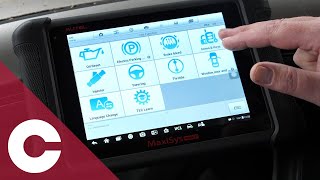
Helpful Videos
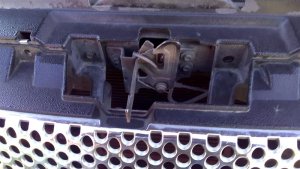
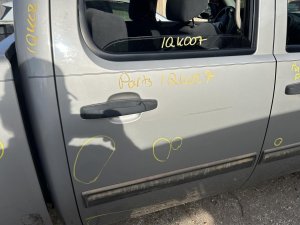
Used OEM Parts in Stock


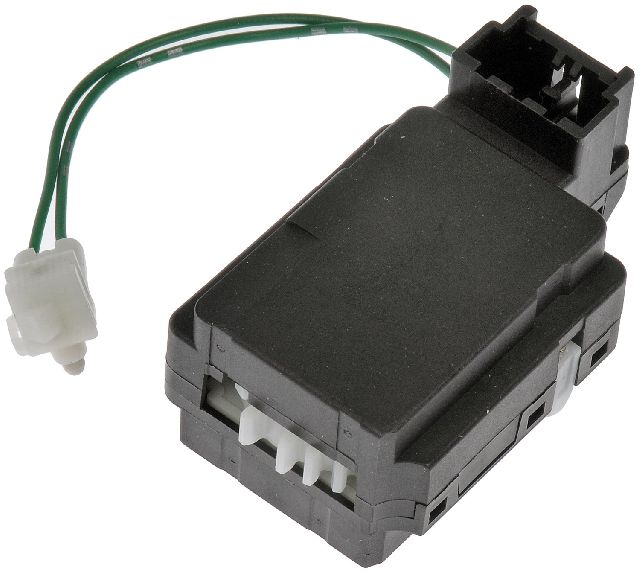
New Aftermarket Parts Available


The information in this article is provided for general reference and educational purposes only. Vehicle specifications, procedures, and part compatibility can vary by production date, trim level, and region. Always consult your vehicle's factory service manual and verify part numbers before purchasing or performing repairs. Safety-critical components such as airbags, seat belts, and braking systems should be installed by a qualified professional.
- Cadillac ESCALADE EXT 1500:
- 🎬 Helpful Videos
- 🛍️ Shop This Part
- What's Unique About the 2007-2011 Cadillac ESCALADE EXT 1500
- Diagnostic Flowchart
- Symptoms You May Notice
- Most Likely Causes
- Rare But Worth Checking
- Diagnosis Steps
- Parts You'll Likely Need
- Related Codes That Often Appear With This One
- Technical Service Bulletins (TSBs) & Recalls
- Platform-Specific Known Issues
- Hidden / Shadow Codes Worth Checking
- Scan Tool Commands That Help
- Wiring & Ground Locations
- Real Owner Repair Stories
- OEM Part Supersession History
- 🎟️ Get 5% Off